Why Dogs Struggle During Travel
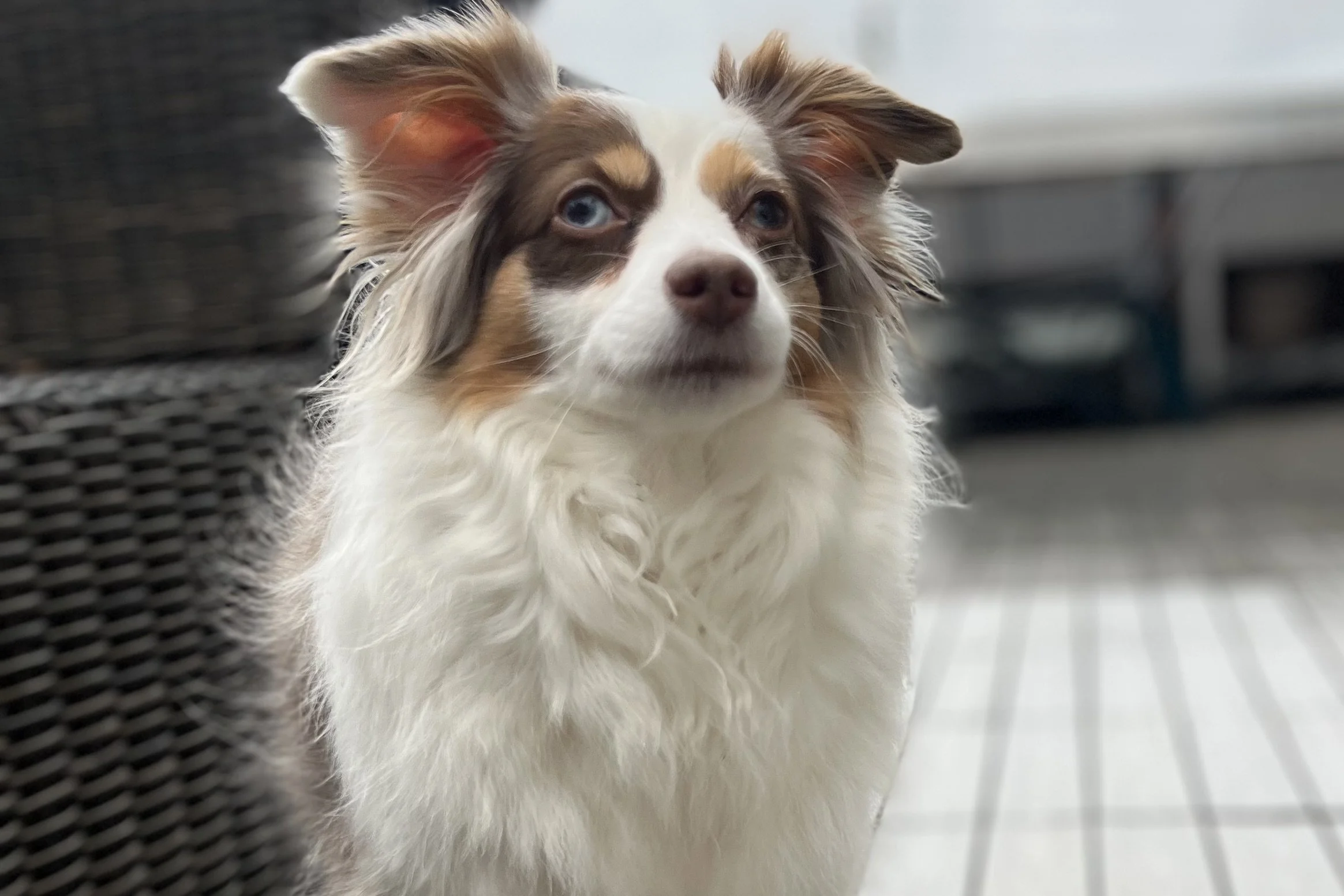
Sometimes what looks like hesitation is actually a dog processing the world around them.
One of the first things I noticed when traveling with Archie and Saydie wasn’t about the destinations at all.
It was how tired they seemed after a few days.
On longer trips — or even weekend trips — I often planned full days from morning to evening. We would explore new streets, walk through parks, visit waterfronts, and move between neighborhoods throughout the day.
By the third or fourth day, though, I started noticing something different about the dogs.
They were moving more slowly, pausing more often, and sometimes seemed unusually tired.
At first I assumed it was simply the distance we had walked. But over time I realized something else was happening.
The dogs weren’t exhausted because we had gone too far.
They were exhausted because they were living on my schedule instead of a dog’s schedule.
Travel days introduce constant new environments, unfamiliar movement, different surfaces, and fewer opportunities for long stretches of uninterrupted rest.
Once I began looking at travel from that perspective, many other behaviors started to make more sense. Moments when dogs hesitate, slow down, or refuse to move often have less to do with stubbornness and more to do with how demanding the environment feels.
Moments Many Dog Owners Recognize
Once you start paying attention to how environments affect dogs, certain moments begin to look different.
A dog who normally walks comfortably might suddenly pause in the middle of a sidewalk.
Another dog may hesitate at the entrance to a busy street or stop moving altogether when a crowd approaches.
Some dogs seem unusually tired after several days of travel, even when the walks themselves haven’t been especially long.
Others settle easily at home but struggle to relax in hotels or unfamiliar places.
At first these moments can feel confusing. In many cases, though, dogs are simply responding to conditions in their surroundings that feel very different from their perspective.
Why Dogs Become So Tired During Travel
Travel introduces a constant stream of new experiences for dogs.
Even when a trip feels relaxed to us, dogs are often processing unfamiliar smells, sounds, surfaces, and movement throughout the day. New environments also interrupt normal rest patterns.
Instead of long stretches of quiet sleep, dogs may nap lightly between activities while remaining alert to what is happening around them.
Over time, that constant adjustment can build up.
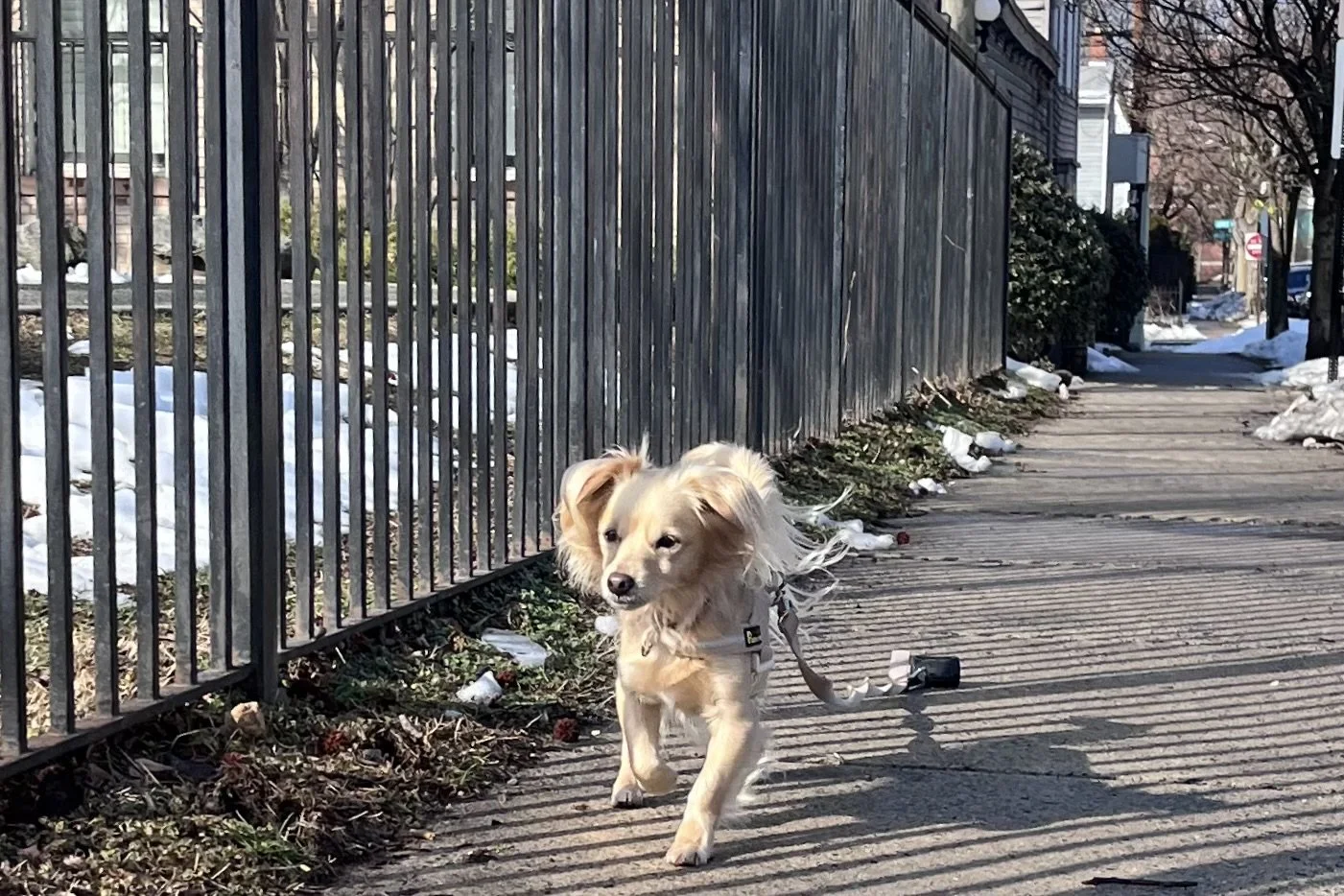
Dogs often keep moving through long travel days designed for people, even as constant new environments quietly drain their energy.
This pattern is explored in more detail in Why Is My Dog So Tired After Travel?, which looks at how new environments and disrupted routines can quietly drain a dog’s energy during trips.
Why Dogs Freeze or Refuse to Walk in New Places
Another moment many dog owners recognize happens during walks in unfamiliar environments.
A dog who normally walks comfortably may suddenly stop moving. They might pause in the middle of a sidewalk, hesitate near a doorway, or refuse to continue along a route that looks ordinary from a human perspective.
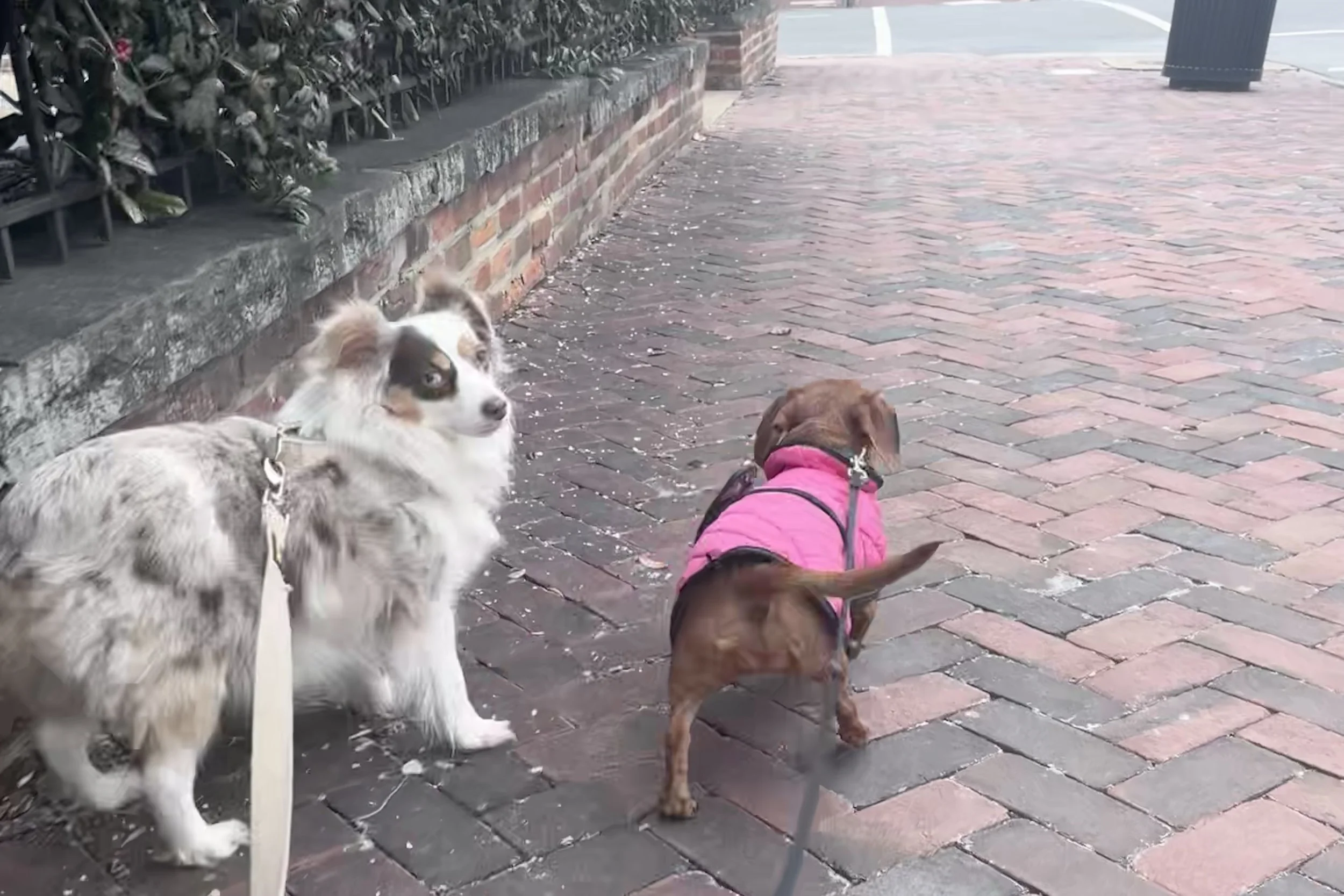
Dogs sometimes pause during unfamiliar walks while observing movement and deciding whether the environment feels comfortable to continue.
These pauses can feel confusing.
But in many cases the dog is not refusing the walk at all. They are simply processing something in the environment — movement, sound, or spatial changes that feel uncertain from their perspective.
Two articles explore this behavior more closely:
Why Dogs Freeze or Refuse to Walk in New Places — What They’re Noticing
and
How to Help a Dog Who Freezes During Walks
Both look at how dogs evaluate unfamiliar environments before deciding whether to move forward.
Why Busy Sidewalks Can Feel Overwhelming
Some environments place more pressure on dogs than others.
Busy sidewalks are a good example. From a human perspective, a crowded pedestrian street may simply feel lively or energetic.
But for a small dog walking close to the ground, the same environment can feel much more unpredictable.
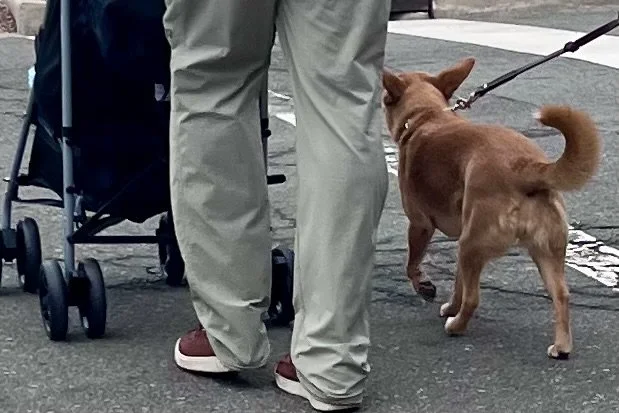
Busy sidewalks introduce constant movement at ground level, where passing feet, strollers, and shifting space can make navigation harder for small dogs.
Feet pass quickly, strollers appear suddenly, and the available walking space constantly shifts as people move in different directions.
Over time, that movement density can make it harder for dogs to maintain a comfortable walking rhythm.
This dynamic is explored in Why Small Dogs Struggle on Busy Sidewalks, which looks at how narrow space and constant motion affect dogs navigating crowded environments.
Why Some Dogs Struggle to Settle in Hotels
The challenge of travel doesn’t always appear during walks.
For many dogs, the hardest moment of a trip can happen later in the evening when it’s time to rest.
Hotels and unfamiliar accommodations introduce new sounds, hallway movement, unfamiliar smells, and different sleeping arrangements.
Even dogs who normally sleep well at home may take time to settle in a completely new environment.
The article Why Dogs Struggle to Settle in Hotels (And Other New Places While Traveling) explores why this happens and why it is often a normal adjustment period for dogs during trips.
Environment matters not only during walks but also where dogs rest at the end of the day. These differences are explored further in Pet-Friendly Hotels vs Vacation Rentals: How to Choose the Right Fit for Your Dog, which looks at how different accommodations can affect a dog’s ability to relax and recover during travel.
Why Familiar Walks Feel Easier
One of the most noticeable patterns with dogs is how differently they move through familiar environments.
Routes they already know often feel easier. Dogs walk more confidently, pause less often, and settle into a steady rhythm.
Familiar environments reduce the number of new variables a dog needs to process. The route is predictable, and the dog already understands what kinds of movement or sounds to expect.
This idea is explored further in Why Familiar Walks Matter for Dogs, which looks at how environmental memory shapes a dog’s comfort level during walks.
Understanding Environmental Demand
Many of these travel challenges have something in common.
They are not usually about distance, training, or willingness to cooperate. Instead, they often come down to how demanding an environment feels for the dog.
Movement density, noise, narrow walking space, unfamiliar surfaces, and disrupted routines can all increase the pressure a dog experiences while navigating an environment.
When several of these factors combine, even a short walk can become more tiring than expected.
Familiar objects can sometimes help reduce environmental pressure during travel as well. A dog’s bed, blanket, or favorite chew often carries recognizable scents that make unfamiliar places feel slightly more predictable. I discuss this idea further in Dog Travel Packing List: What to Bring When Traveling With Dogs.
The Small Dog Comfort Index
Over time I realized that I was consistently evaluating many of the same environmental factors when choosing places to walk or travel with Archie and Saydie.
Not simply asking whether dogs were allowed somewhere, but how easy the environment might feel for them to navigate.
That process eventually became the basis for The Small Dog Comfort Index: A Smarter Way to Plan Dog-Friendly Travel, which looks at how movement density, available space, recovery areas, and environmental predictability affect how comfortable a place may feel for small dogs.
Seeing These Patterns in Real Destinations
Once you begin noticing how environment affects dogs, it becomes easier to understand why some destinations feel easier to navigate than others.
Busy historic districts, narrow streets, and crowded waterfronts can feel very different from quieter neighborhoods, open parks, or small towns with slower movement.
These environmental differences appear clearly in several destination guides, including:
• Is Old Town Alexandria Dog Friendly for Small Dogs? A Local Comfort Breakdown
• Is Cape Charles, Virginia Good for Small Dogs? A Comfort Breakdown
• Is Colonial Beach Good for Small Dogs? A Comfort Breakdown
• Is Old Town St. Augustine Good for Small Dogs?
• Walking Old Town St. Augustine With Dogs: A Calm Route & Pacing Guide
• Best Alternatives to Busy Old Town St. Augustine
Each location highlights how factors like movement density, walking space, and recovery areas shape how comfortable a place may feel for small dogs.
Why Environment Matters for Dogs
Dogs experience environments differently from people.
Small changes in movement, noise, available space, and predictability can shape how comfortable a walk or destination feels.
Once you begin looking at travel through that lens, many moments that once seemed puzzling begin to make sense.
A dog who slows down, pauses, or hesitates during travel may simply be responding to an environment that feels demanding from their perspective.
Understanding these environmental differences makes it easier to interpret a dog’s behavior and choose places where they can move confidently, explore comfortably, and rest when they need to.
In many cases, the difference between a stressful walk and a comfortable one isn’t distance at all.
It’s the environment surrounding the path.
