Why Familiar Walks Help Dogs Adjust to New Places
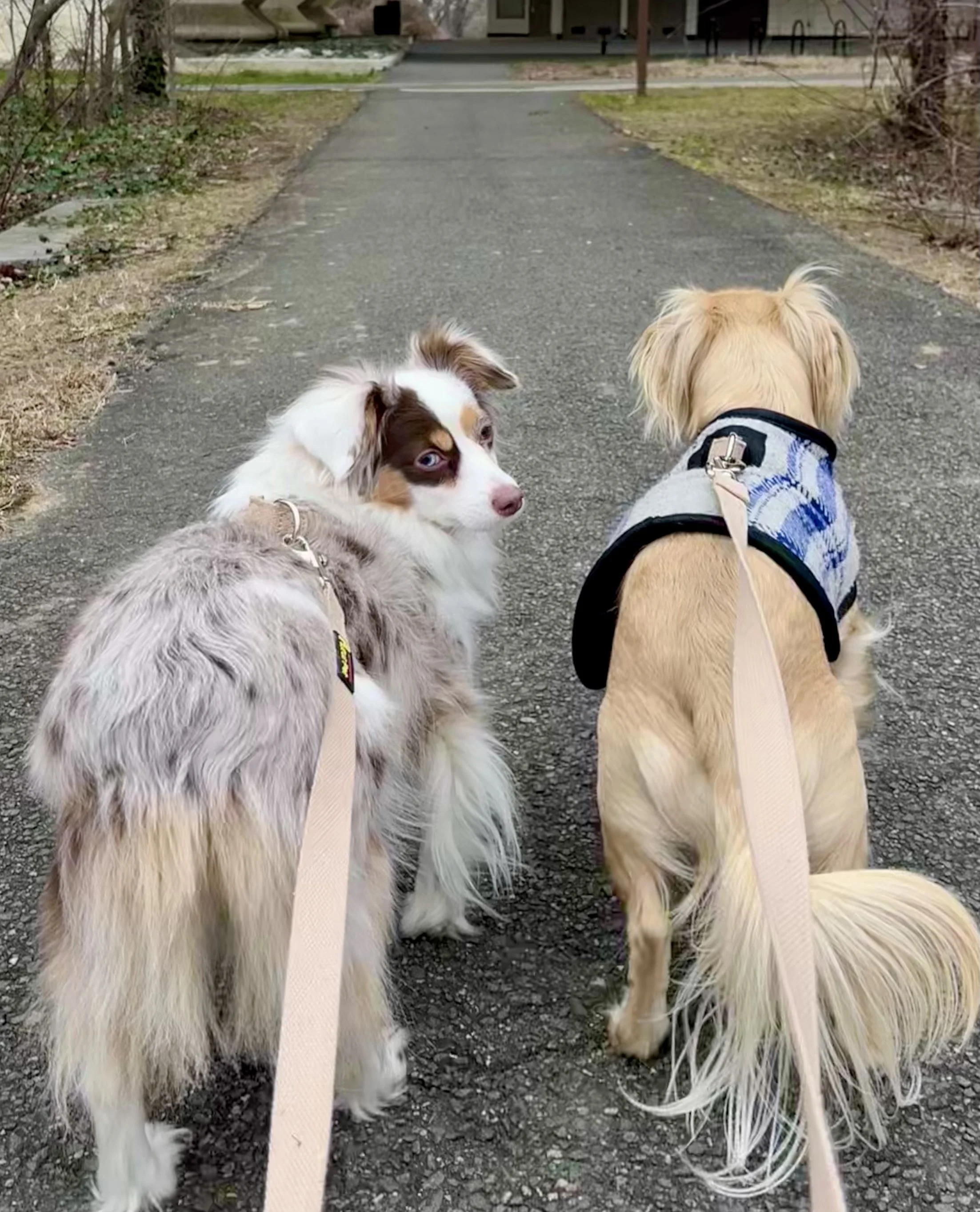
A familiar path we walk often, where the pace settles almost immediately.
It’s easy to assume that the most important walks are the big ones — the long trail, the destination walk, the place that feels worth planning around. I used to think that way too. But over time, I’ve noticed that the walks we return to again and again often matter more to my dogs than the ones that take the most effort or planning.
On walks they know, my dogs are noticeably more relaxed. They take their time. They sniff more. The pace settles into something slower and steadier, and that rhythm seems to calm them. There’s less urgency and less tension. They move through the space with an ease that isn’t always there on longer or unfamiliar routes.
This kind of shift is often easier to notice when compared to more demanding environments, where dogs may hesitate or stop altogether. You can see this more clearly in why dogs freeze or refuse to walk in new places, where small changes in the environment can quickly increase pressure.
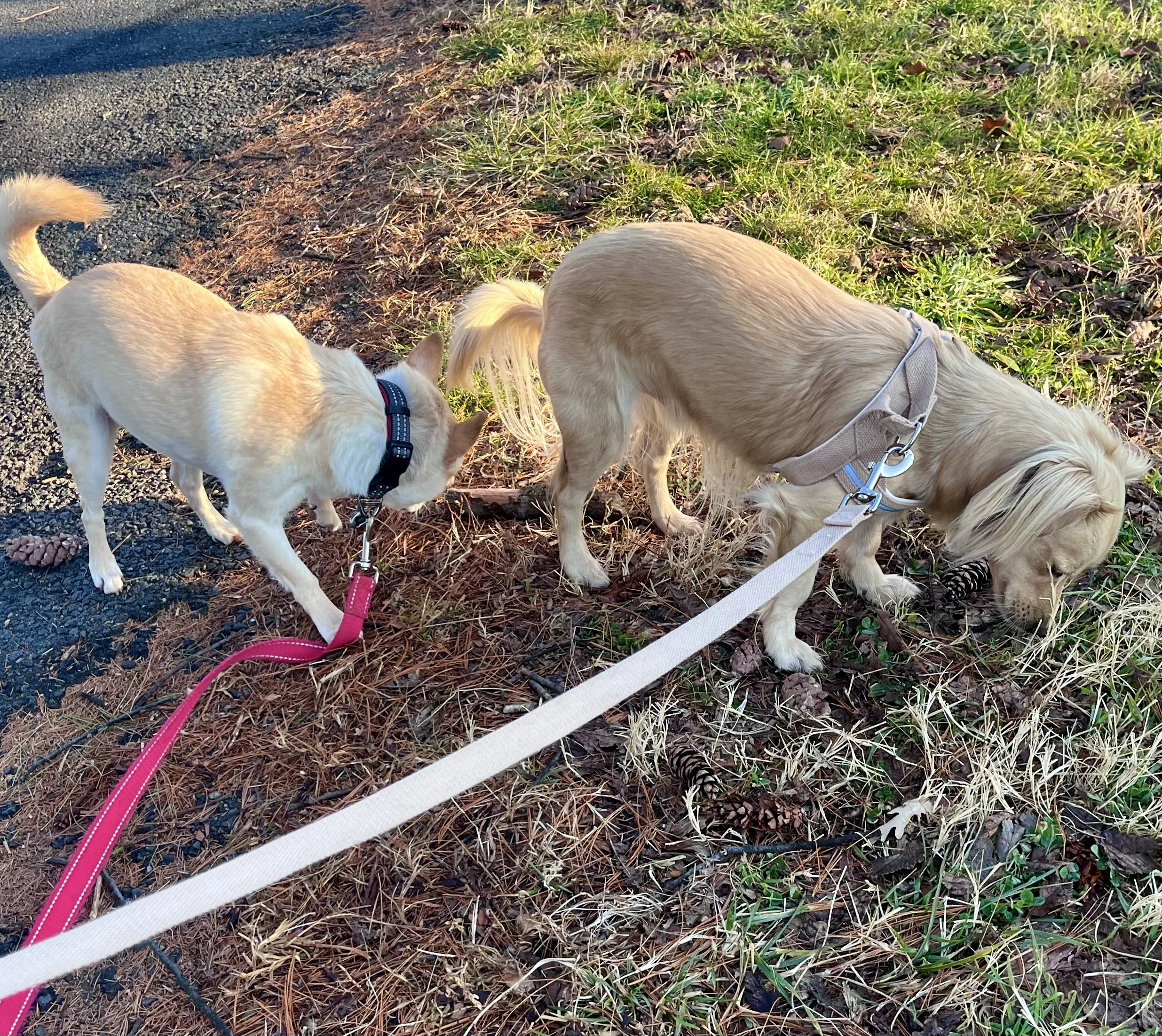
Even short, everyday walks give my dogs space to slow down and explore.
Why Familiar Walks Help Dogs Adjust to New Places
Familiar walks give dogs a predictable environment, which makes it easier for them to adjust when something new or unfamiliar comes into view.
I see the difference most clearly in my Aussie. When she’s uncertain, she tends to walk slightly behind me, staying alert and watching what’s ahead. On familiar walks, she takes the lead instead — moving confidently forward, often wiggling alongside her brother, Archie. Knowing the route seems to give her permission to step out in front.
Familiar walks help dogs adjust to new places by giving them a predictable baseline — something steady they can return to as environments change.
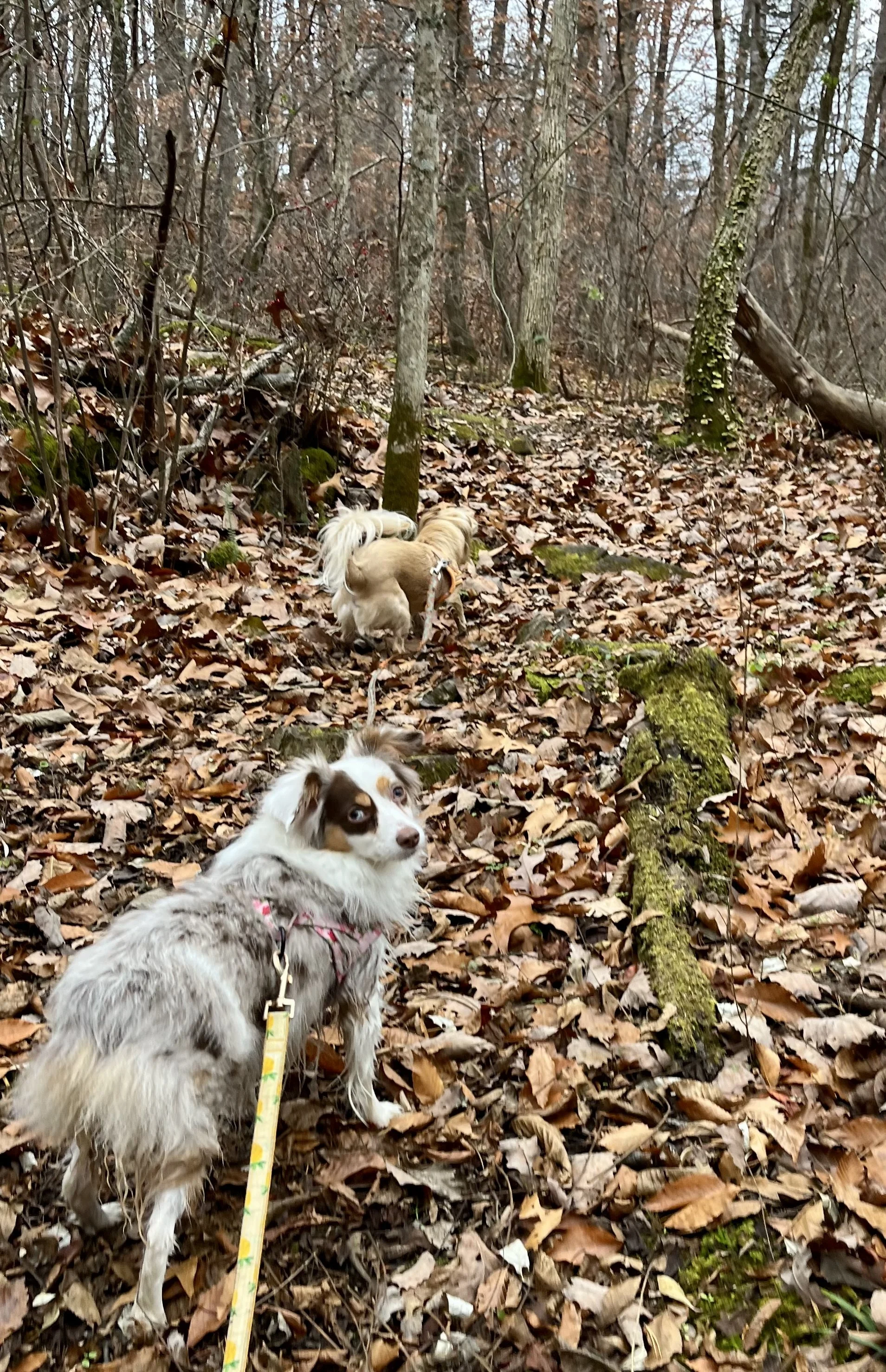
On familiar routes, confidence shows up in small but noticeable ways.
What Changes for Dogs on Familiar Walks
On familiar walks, small shifts in behavior become noticeable — a slower pace, less hesitation, and a greater willingness to explore.
On those same walks, both dogs spend less time scanning their surroundings. There’s less vigilance and more sniffing, more settling into the walk itself. Instead of staying on alert, they seem comfortable simply being there.
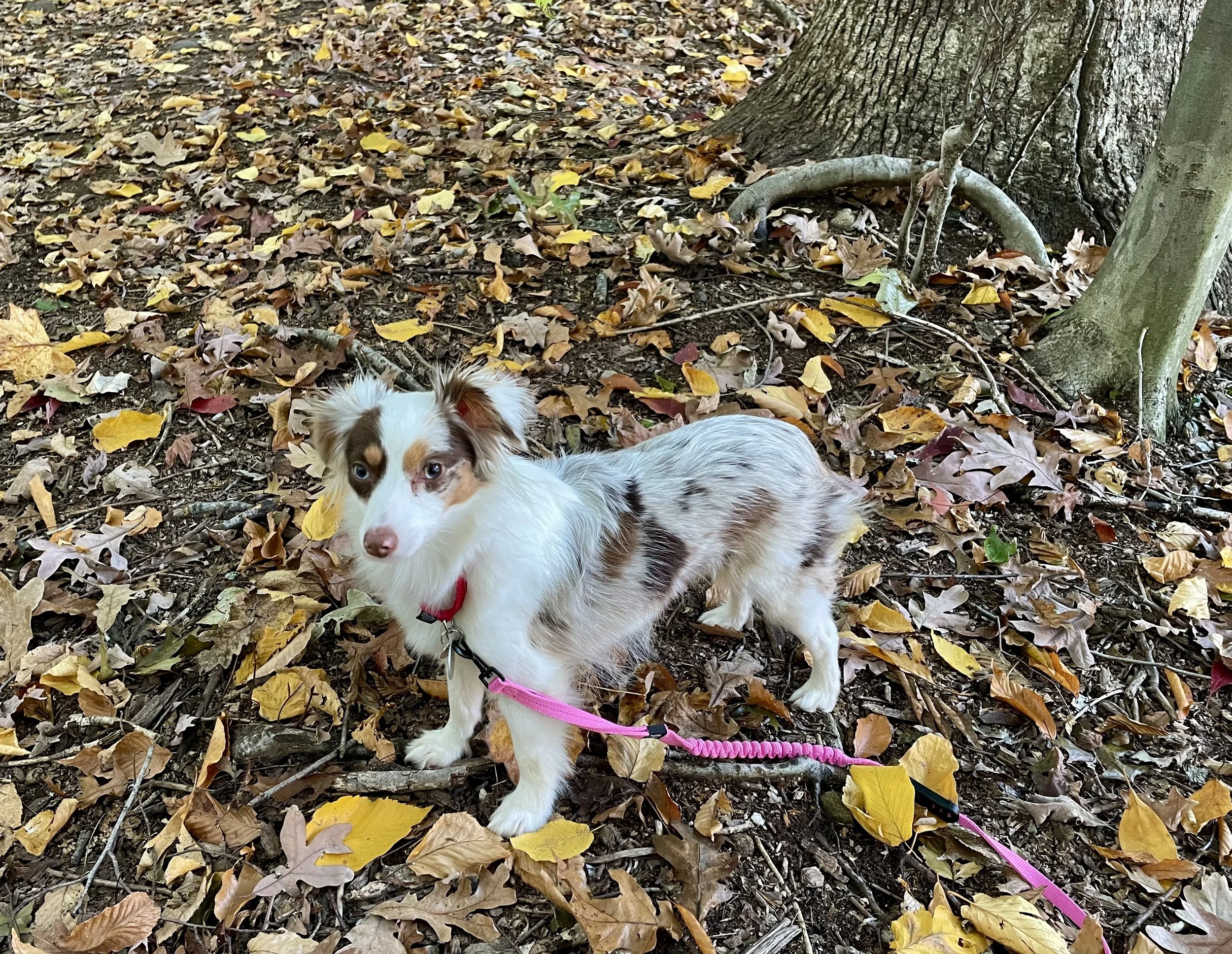
Familiar ground often brings a calmer posture and an easier pace.
Why Familiarity Reduces Overwhelm
Familiar environments reduce the amount of new information dogs need to process, allowing their bodies and attention to settle more easily.
There’s a calm that settles in on familiar walks, and it often stays with them afterward. For dogs who live with anxiety, that steadiness feels especially important. Familiar routes don’t remove anxiety entirely, but they do seem to soften it — offering predictability in a way that supports confidence quietly, over time.
How Familiar Walks Support Travel
The steadiness dogs build on familiar walks often carries into new places, helping travel feel more manageable and less overwhelming.
That doesn’t mean we avoid new places or travel with them less. New environments have their own value, especially when they’re approached with attention to pace and timing. Because we travel with our dogs, familiarity matters even more. When that foundation isn’t in place, the effects tend to show up more clearly during trips. I break this down more in why dogs struggle during travel, including how fatigue and overwhelm build over time. The steadiness they build on walks they know seems to carry into new places, making travel feel less like a disruption and more like an extension of everyday life.
A Steady Foundation for New Places
Familiar walks don’t make new places less meaningful. If anything, they make them possible — creating a steady foundation that allows dogs to move through new environments with more ease and confidence.
Over time, that familiarity becomes something they carry with them, shaping how they experience each new place we explore together.
It’s part of what I consider in the Small Dog Comfort Index, where familiarity and predictability play a quiet but important role in how manageable a place feels.
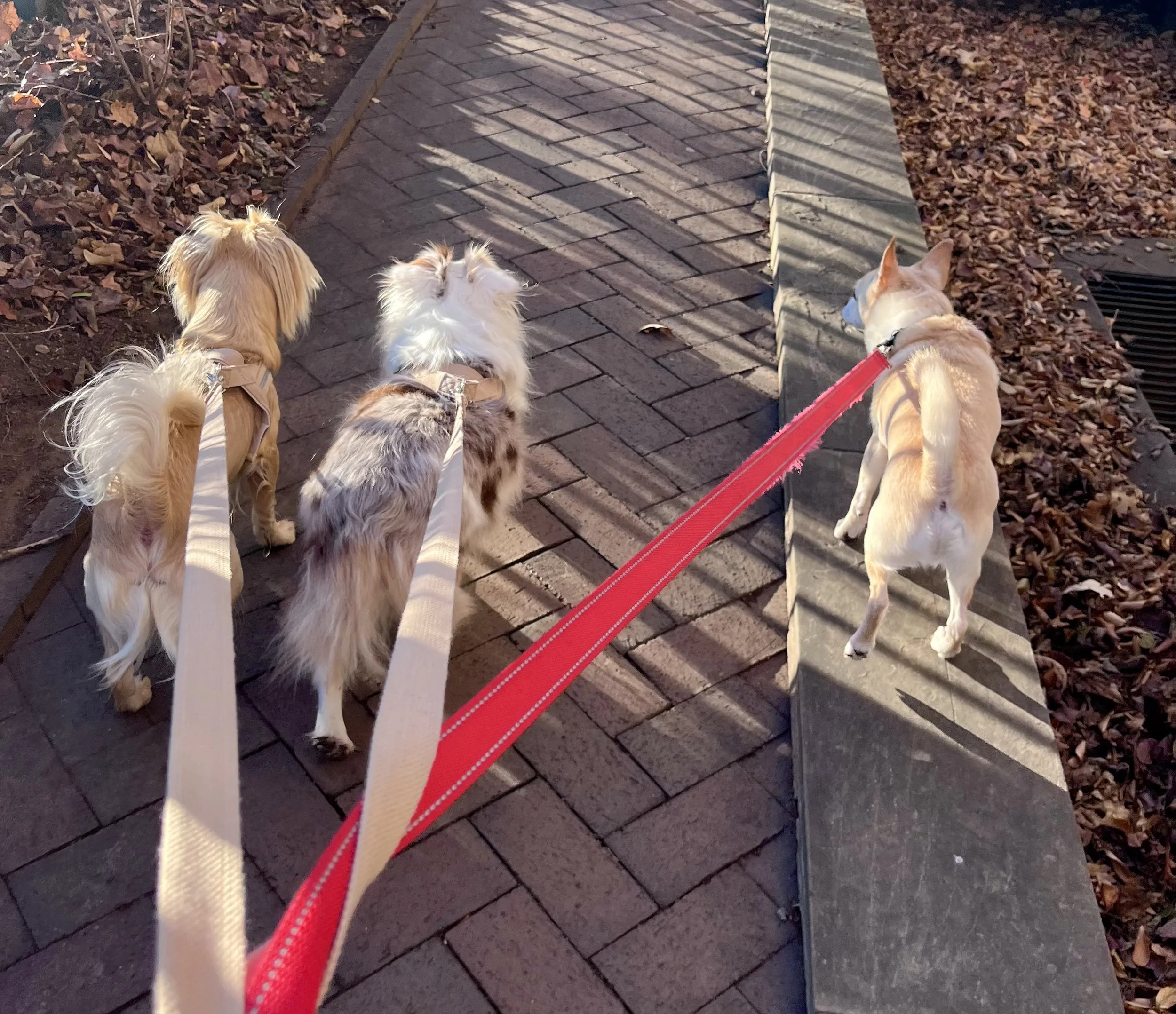
Walks like these form the quiet foundation that makes new places feel manageable.
