Why Is My Dog So Tired After Travel? (Even After Easy Days)
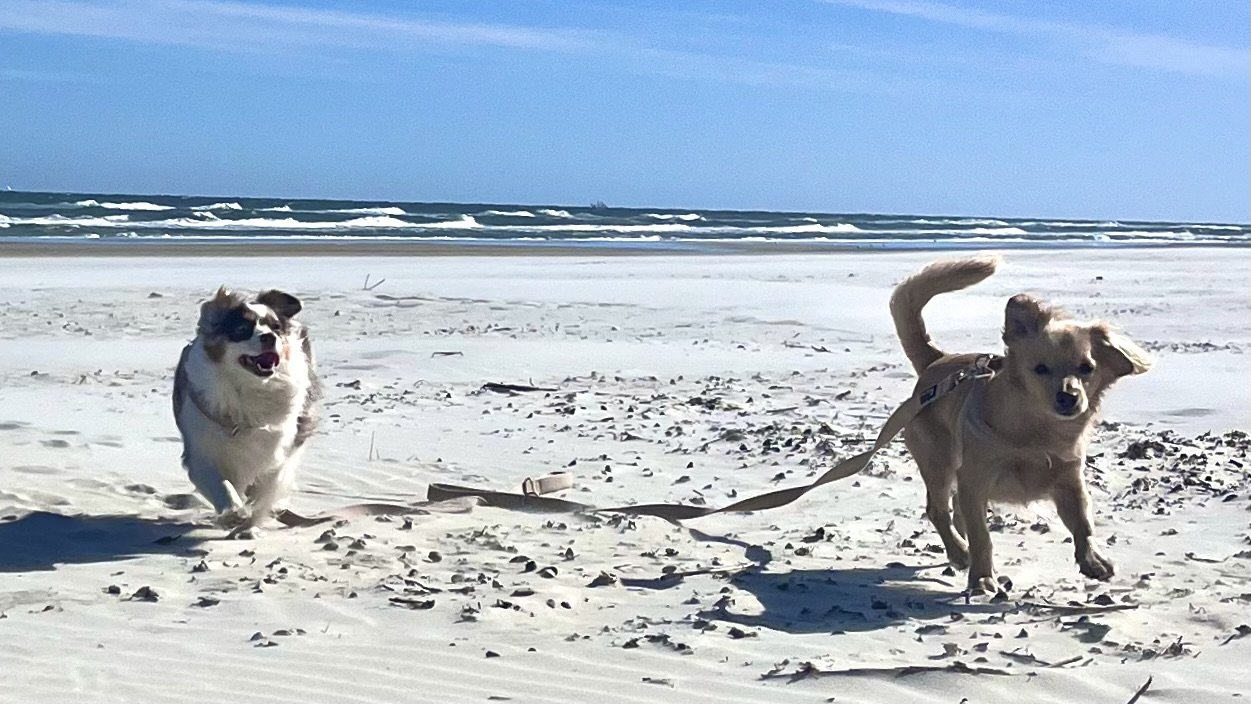
Full speed ahead, sand everywhere.
If your dog seems unusually tired after travel — sleeping more than normal, less curious, or slower on walks — it’s usually not illness. It’s mental fatigue.
Many dogs sleep more than usual after a trip or vacation as they recover from the mental stimulation of travel.
Travel is stimulating in ways we often underestimate.
If Your Dog Is Struggling During Travel
If your dog seems tired, hesitant, or less engaged during trips, these patterns are often connected.
You might also notice:
hesitation or stopping on walks
overwhelm in busy environments
difficulty settling after activity
Understanding how these pieces fit together can make travel much easier to navigate — this is exactly what the Small Dog Comfort Index helps you evaluate before you go.
This was the pattern I was starting to see — even before I fully understood what was happening.
Dogs can get more tired on trips than at home — even when the walks themselves are shorter and easier.
When I first started traveling with my dogs, the walks felt easy — but the dogs didn’t. The walks were short and the outings were simple — nothing that should have been especially hard.
Still, I kept noticing hesitation, wide eyes, and a reluctance to walk that I didn’t see at home — especially after several active days in unfamiliar places.
They weren’t refusing or acting out — they were keeping up. At the time, I didn’t yet understand what I was seeing.
If you’ve seen your dog pause, stop, or refuse to move, this explains it more clearly: Why Dogs Freeze or Refuse to Walk in New Places.
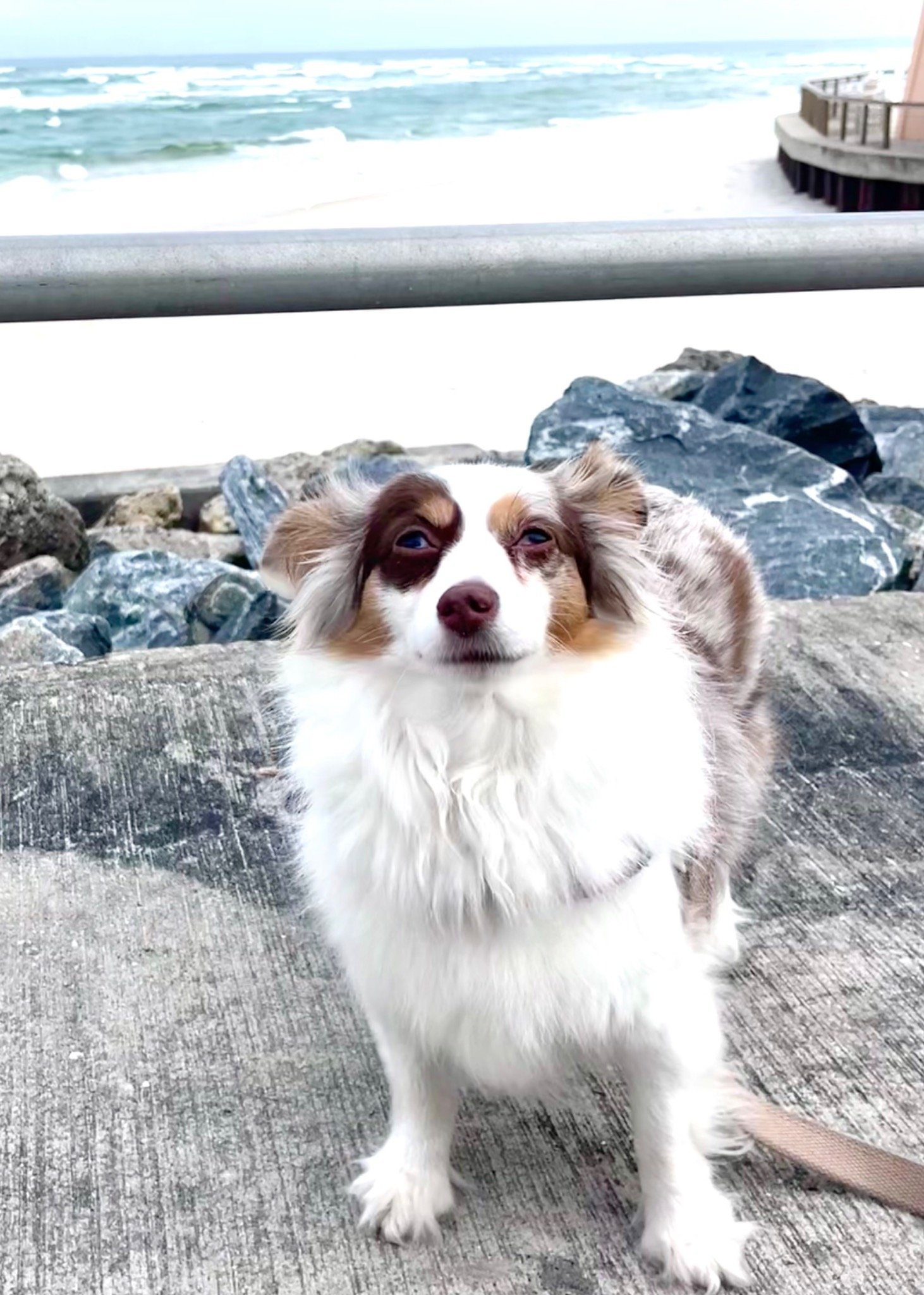
It wasn’t until I looked back at photos — and started paying closer attention on later trips — that the pattern became clear. The same look showed up again and again: overly alert, slightly overwhelmed.
My dogs simply weren’t getting enough sleep to recover from everything that travel was asking of them.
Is it normal for dogs to be tired after travel?
Yes. Many dogs are more tired after travel due to mental overstimulation, disrupted sleep, and increased alertness in unfamiliar environments. For most dogs, this fatigue improves within 24–48 hours once they return to their normal routine.
If fatigue lasts longer than a few days, or includes vomiting, refusal to eat, weakness, or unusual behavior, contact your veterinarian.
Normal
sleeping more than usual
slower movement
less curiosity
improves within 1–2 days
Not normal
vomiting or diarrhea
refusal to eat
weakness or disorientation
lasting more than 2–3 days
Why Dogs Get Extra Tired on Trips
Dogs often feel more exhausted during travel because of:
Constant new smells and sounds
Disrupted sleep routines
Mental overstimulation
Reduced recovery time
Increased alertness in unfamiliar environments
Even short outings can be mentally draining in new places. I share the changes that made the biggest difference for my dogs in What Actually Makes Travel Easier for Dogs (Beyond the Packing List).
If your dog struggles during the drive itself, preparation before travel matters just as much as recovery afterward. For our small dogs, a secure, washable booster seat or car seat can give them a familiar place to ride and rest. I share our complete car and travel setup in Dog Travel Essentials for Small Dogs.
When Should You Worry About a Tired Dog After Travel?
Most post-trip fatigue is normal. Travel asks a lot mentally — and dogs often need a day or two to fully recover.
If fatigue lasts longer than a few days, or includes symptoms like vomiting, refusal to eat, weakness, or unusual behavior, it’s best to contact your veterinarian.
Here’s a simple way to tell the difference between normal travel fatigue and something that needs attention:
Refusing food or water for more than 24 hours
Vomiting or diarrhea
Limping or signs of pain
Excessive shaking, panting, or anxiety that doesn’t settle
Extreme lethargy lasting more than 48–72 hours
Sudden behavioral changes that feel out of character
Normal travel fatigue looks like:
Sleeping more than usual
Moving a little slower
Less curiosity on walks
Choosing rest over activity
I’ve seen this difference play out in real time.
After one coastal trip, my smaller dog slept almost the entire drive home and then chose the couch for the next full day. She ate normally, responded when I called her, and perked up when the leash came out — but she moved slower and opted out of extra activity. By the second morning, she was fully herself again.
That was normal fatigue.
She was tired — not unwell.
Years earlier, I learned the contrast more clearly with my mastiff at the ocean.
We were heading back to the car when he suddenly vomited — mostly water. Within minutes, it was clear something was wrong. He was unusually lethargic, drooling excessively, weak, and disoriented. He later refused food entirely, which was completely out of character. I called our veterinarian immediately, and we realized he had ingested too much salt water while playing in the waves.
That wasn’t travel fatigue. It felt urgent.
Normal tiredness still feels like your dog — just slower. Illness feels different. It feels wrong.
When in doubt, trust your instincts. You know your dog’s baseline better than anyone.
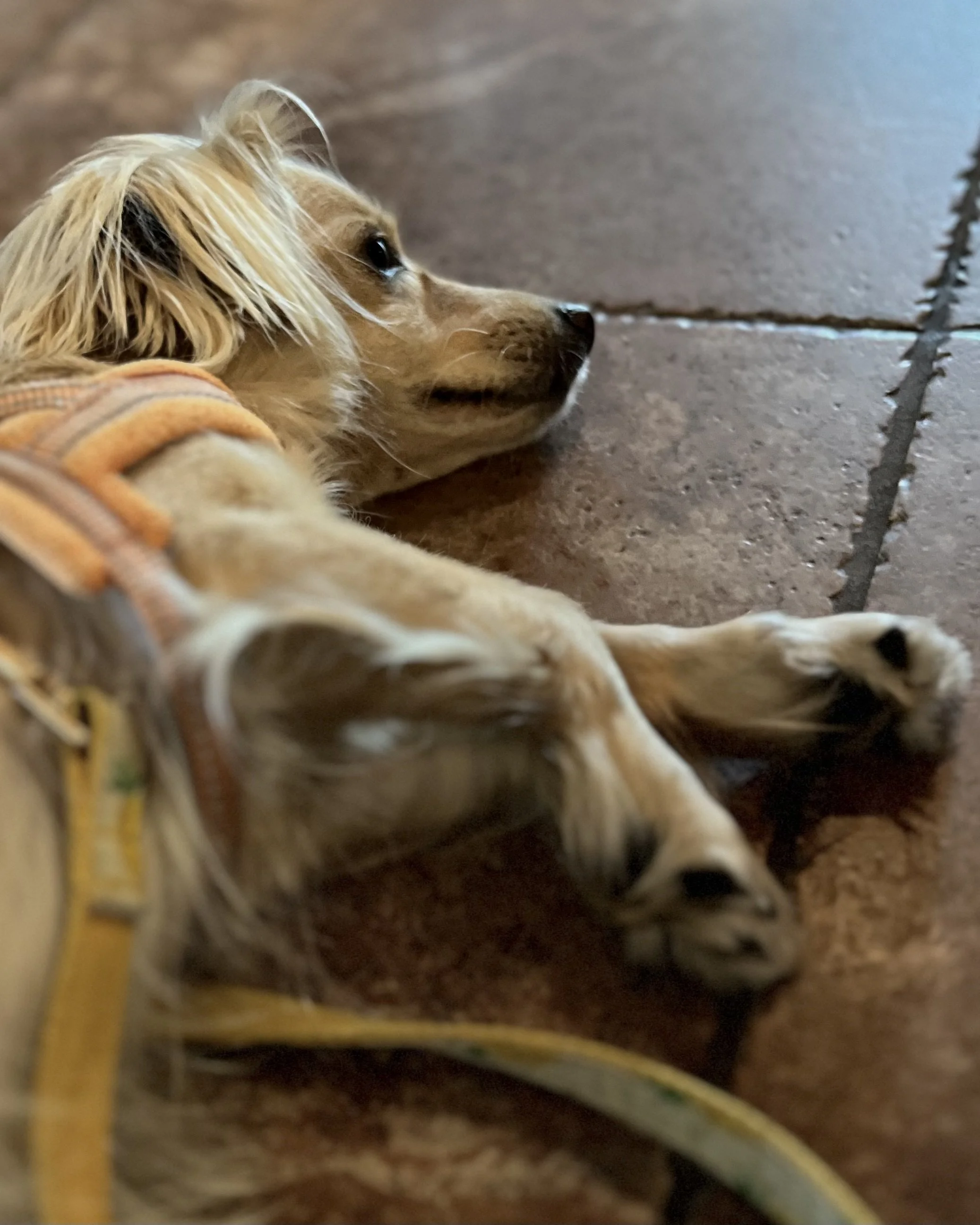
This is what “not enough rest” looked like.
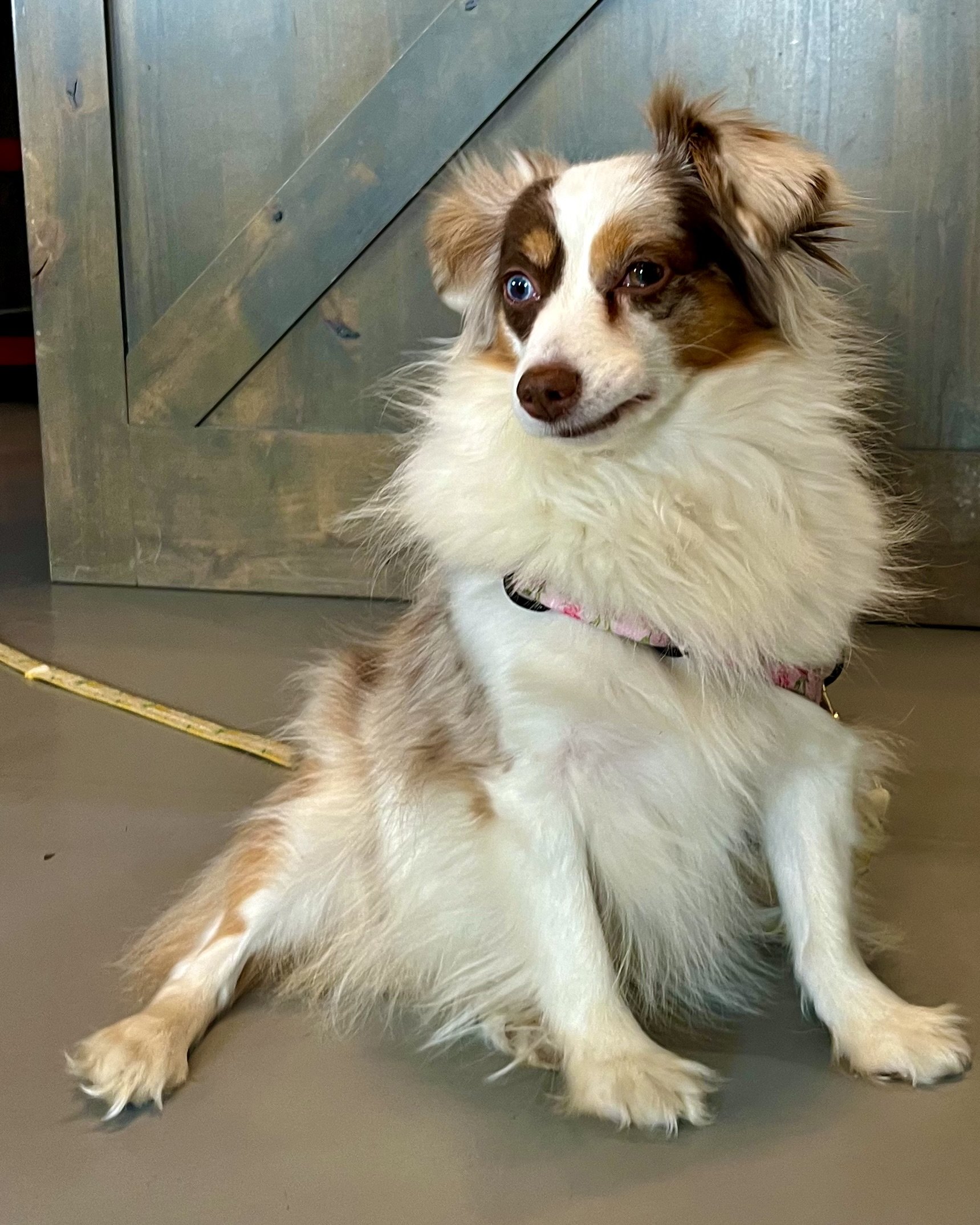
Tired, but still keeping it together.
Why short walks in new places can feel harder than long walks at home
At home, dogs move through a familiar world. They know the smells, the sounds, the surfaces, and what to expect next. Even longer walks don’t require much mental effort.
Travel changes that completely.
Every short walk in a new place is packed with:
unfamiliar smells
new sounds and movement
different surfaces underfoot
unpredictable people and animals
I experienced this especially clearly in Old Town St. Augustine, where density and constant novelty build quickly for small dogs. The difference was especially noticeable when we moved between busy towns and quieter, more open spaces.
That constant novelty is mentally demanding. And when it’s layered on top of disrupted routines — different sleeping spaces, different timing, different energy from us — it adds up quickly.
The walks themselves weren’t the problem.
The lack of recovery time was.
Related Changes You May Notice After Travel
Travel fatigue doesn’t always look dramatic.
Sometimes the changes are subtle at first — especially in dogs that keep moving even when they’re mentally exhausted.
You might notice:
sleeping much harder than usual once the trip ends
slowing down suddenly on walks after seeming fine earlier
less interest in sniffing or exploring
difficulty settling in hotels or rentals
sticking unusually close to you in busy places
refusing longer walks after several active days
seeming more sensitive to heat, noise, or crowded environments
I started noticing many of these patterns during the first few days of trips, especially in busy historic areas where the dogs stayed alert for long periods without truly relaxing.
In some dogs, the change happens very suddenly. They may continue walking normally right up until the stimulation and fatigue finally catch up with them.
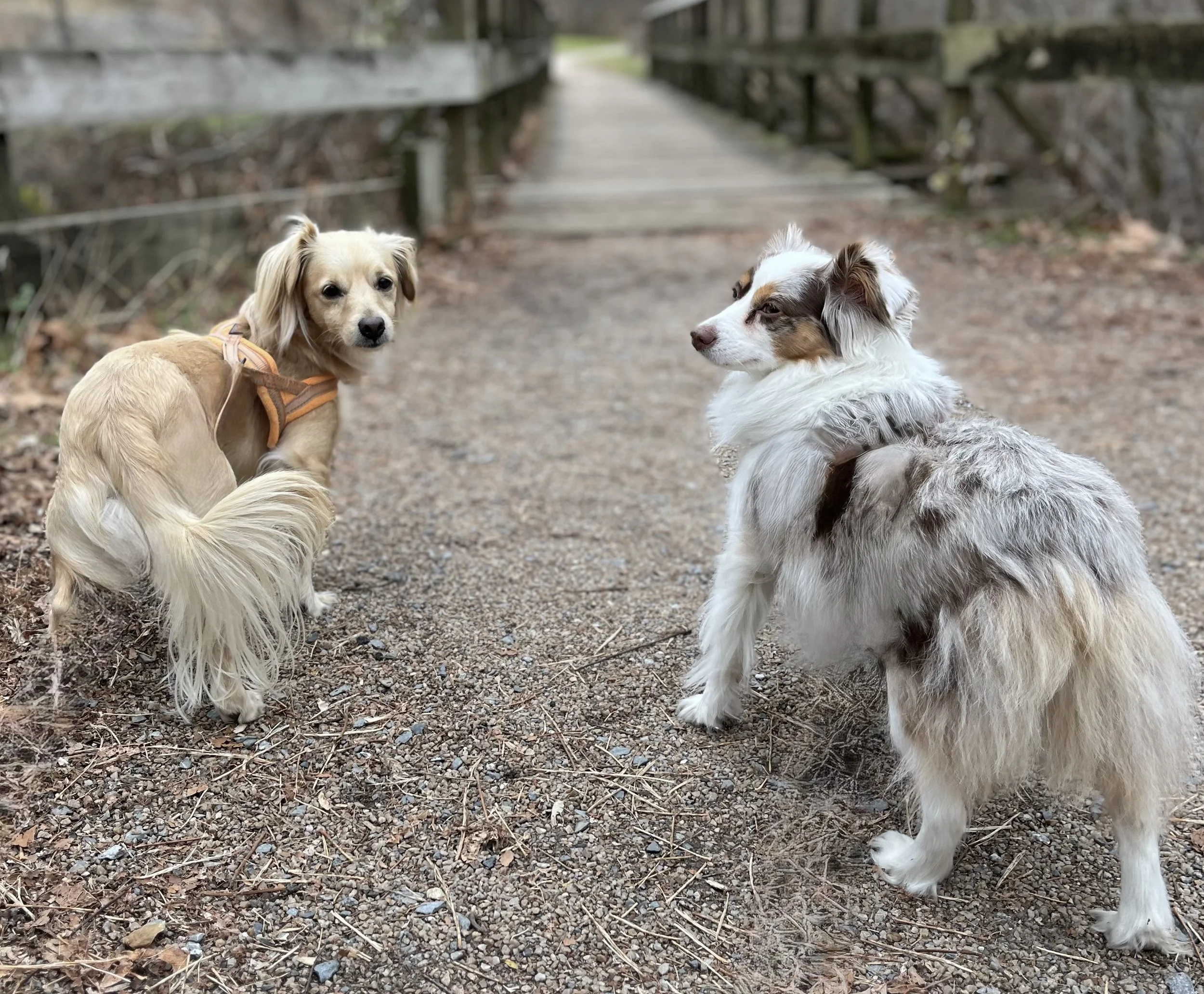
The walk wasn’t the problem.
Why many travelers don’t realize their dog is tired
It’s easy to miss.
When we travel, our energy is high. We want to see everything before it’s time to go home. Dogs don’t complain. They don’t opt out. Often, they simply comply.
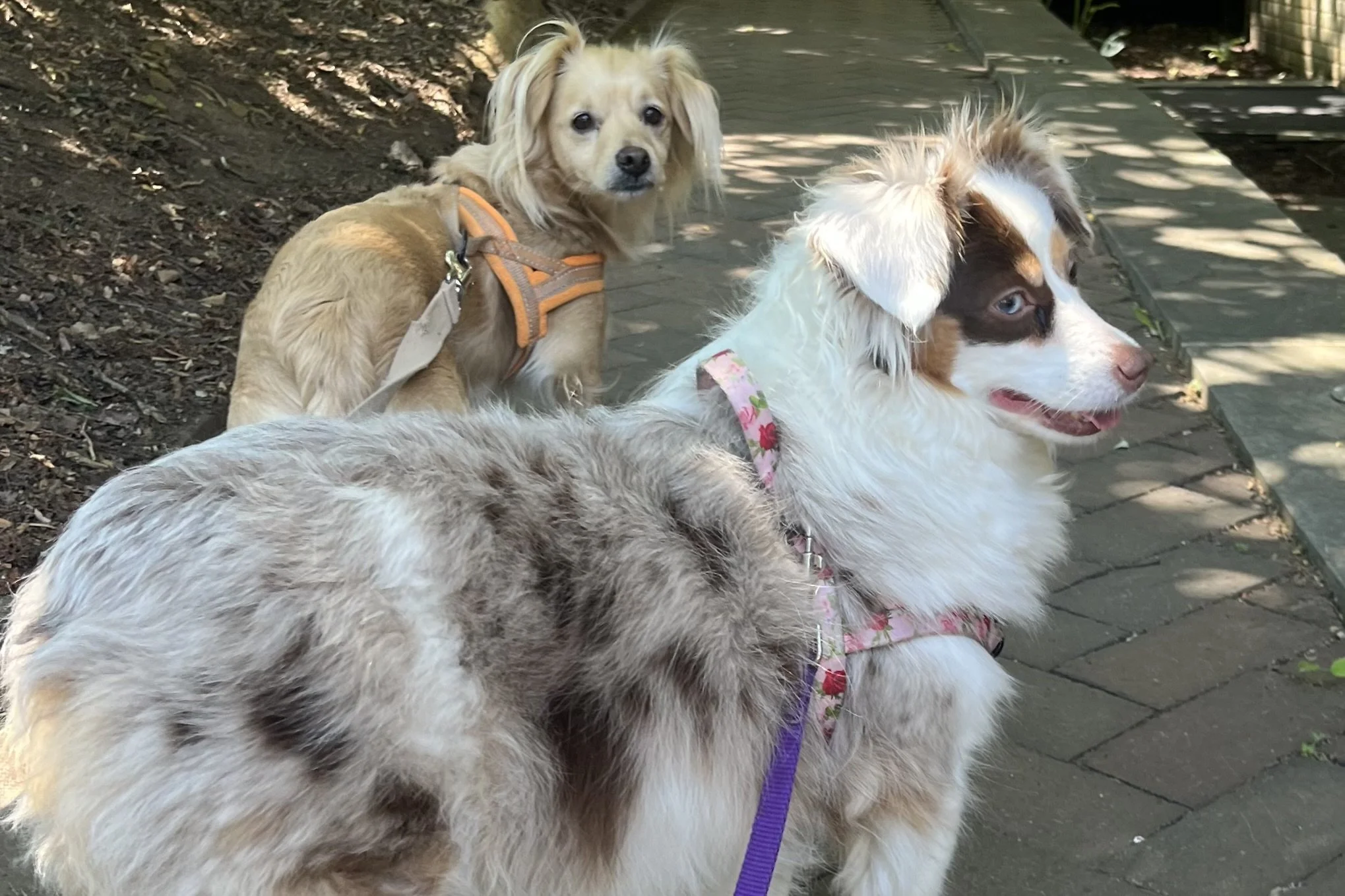
They were keeping up. I just didn’t realize how tired they were.
A tired dog doesn’t always slow down. Some dogs actually continue pushing forward long after they’re mentally or physically overtired — especially in stimulating environments or sudden heat. Sometimes the change happens very suddenly. A dog can seem completely fine one minute, then abruptly stop engaging, hesitate at the door, or refuse to continue once the fatigue finally catches up with them.
Looking back, it makes sense.
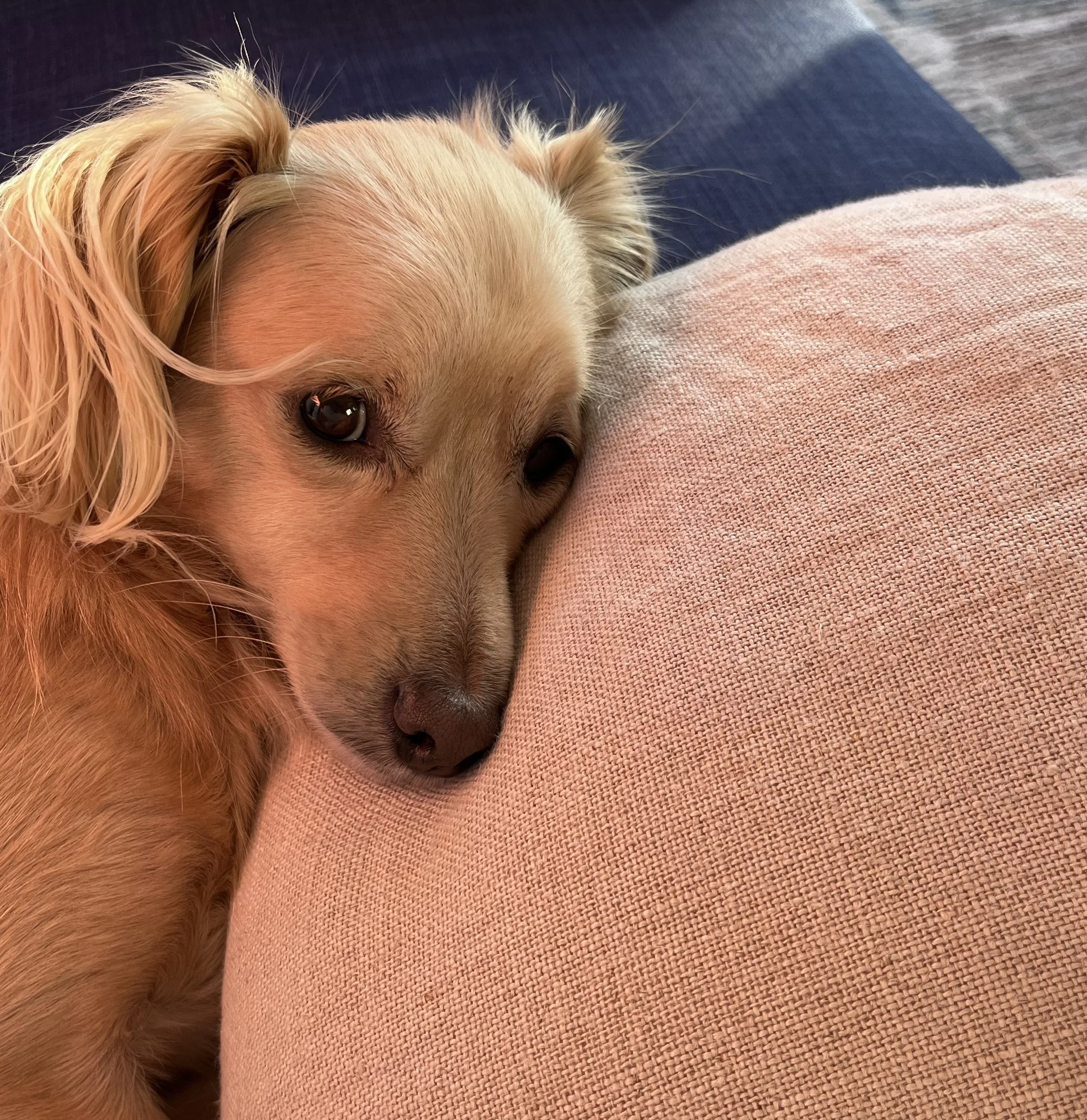
Resting, but not restored.
I started noticing the same small changes: hesitation before walks, less interest in sniffing after the first few minutes, staying closer instead of exploring, and sleeping harder once we stopped moving.
Familiarity started to matter more than distance, especially once I began paying attention to how my dogs responded to routine versus novelty.
These weren’t problems. They were information.

Still watching. Just very, very tired.
Why dogs need extra downtime the first 24–48 hours
Dogs already sleep 12–14 hours a day, and many need even more as they get older. At home, we may not even realize how much our dogs sleep while we’re out, busy with our own routines. Travel increases that need.
The first 24–48 hours are when everything is unfamiliar. Even simple walks require more mental effort than usual — not because the route is difficult, but because nothing feels predictable yet.
Even when they were clearly tired, settling didn’t always happen right away. If your dog has trouble settling in a new space, I break that down more fully in Dog Won’t Settle in a New Place? What Actually Helps Them Adjust.
I noticed this pattern most clearly at the beginning of trips. During our first few days in St. Augustine, even short walks through historic streets left them more alert than rested. It wasn’t the distance — it was the constant processing.
I found that fewer walks at the beginning led to better walks later. Giving them time to acclimate to the rental — turning it into something familiar instead of just another stop — changed everything.
Rest, without asking for anything.
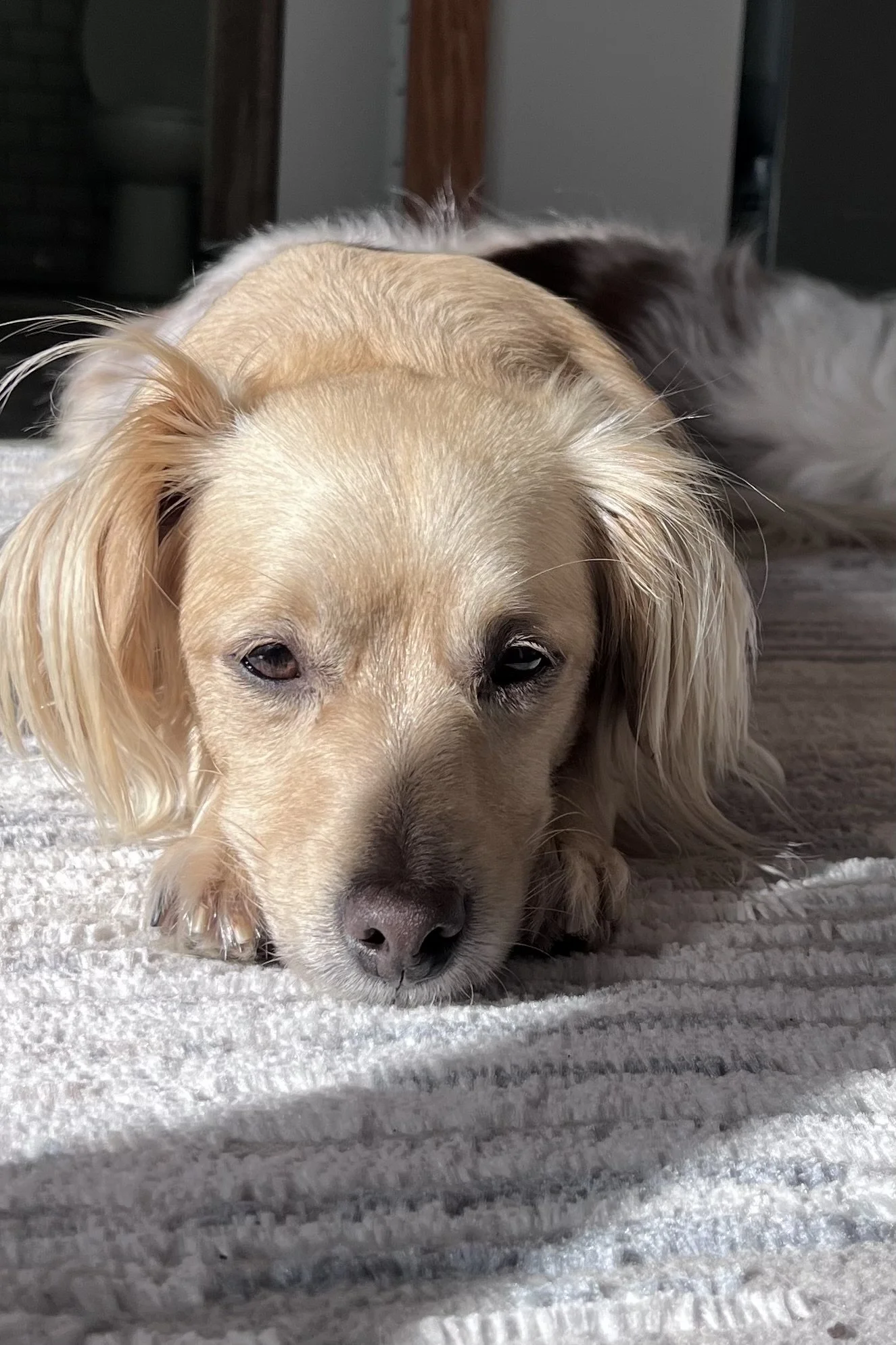
Almost asleep. Not quite there yet.
Letting the rental become the safe base
The most significant change I made was treating the rental as a true home base, not just a place we passed through. Instead of constantly being out, we stayed in more and gave the dogs time to settle into a space that became familiar. Once that shift happened, everything else improved.
When a space starts to feel predictable, dogs don’t have to stay as alert. They can relax, reset, and actually recover from everything the day has asked of them.
A familiar sleep setup doesn’t need to be elaborate. It just needs to feel consistent.
Sometimes that looks like a small bed they already use at home, or simply a familiar blanket that helps the space feel comfortable right away.
Choosing a rental with a fully fenced yard made a noticeable difference. I noticed the biggest improvements in quieter destinations where the dogs could decompress between outings instead of staying in constant motion. That’s one reason I now prioritize calmer destinations and slower-paced towns when planning trips with my dogs, especially in places with more room to move and fewer constant environmental demands.
For us, that often meant private vacation rentals rather than hotels. It gave the dogs time to move, sniff, and explore on their own timetable — without the pressure of a walk or the added stimulation of being out in public.
That kind of unstructured movement turned out to be just as important as sleep. It gave them a way to release energy, process their surroundings, and settle more naturally between outings.
If you’re looking for destinations that feel easier to move through with dogs, I share several that worked especially well for us in 8 Dog-Friendly Weekend Trips Near Washington DC and Alexandria.
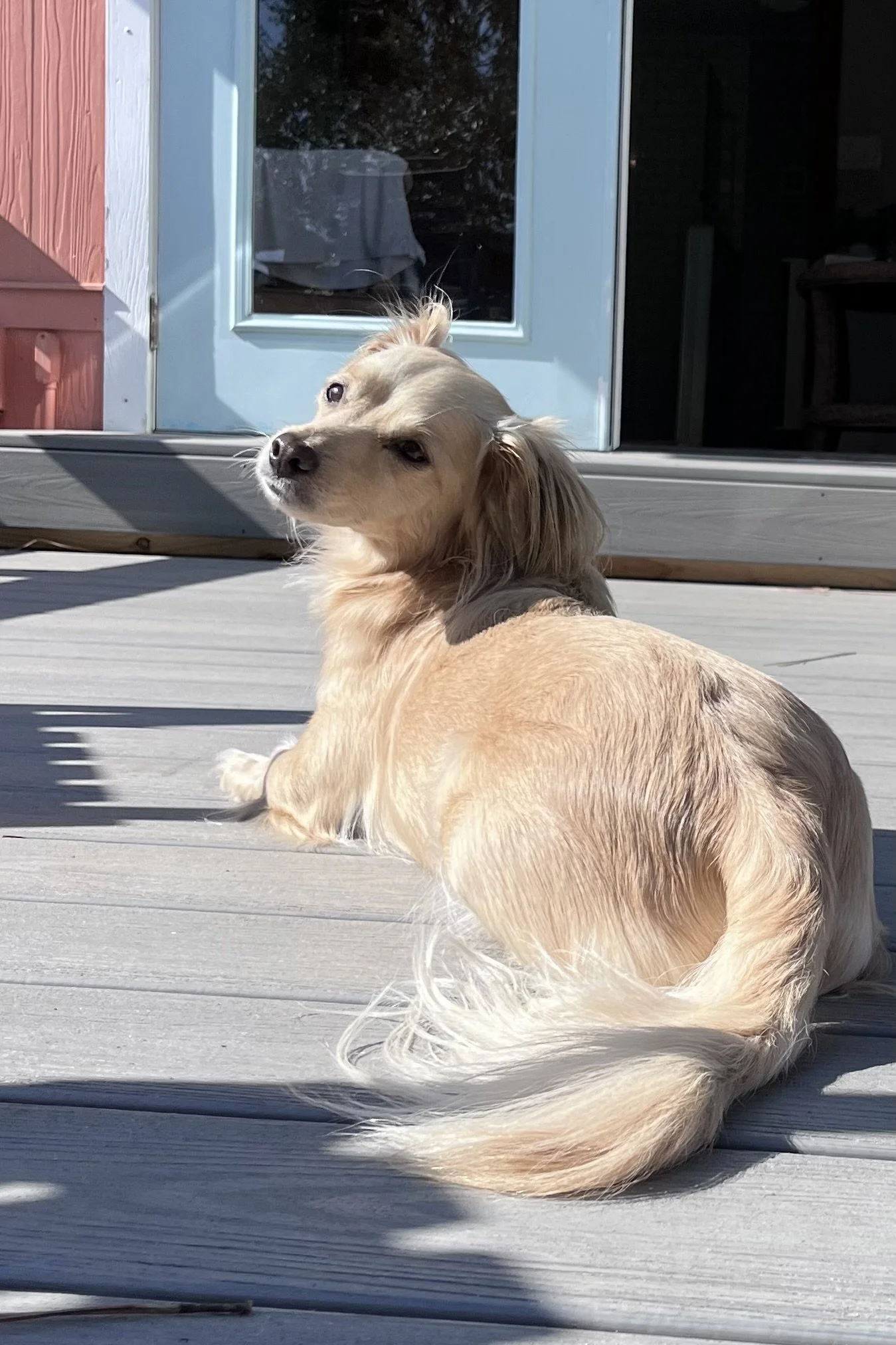
Nothing to do. Nowhere to go.
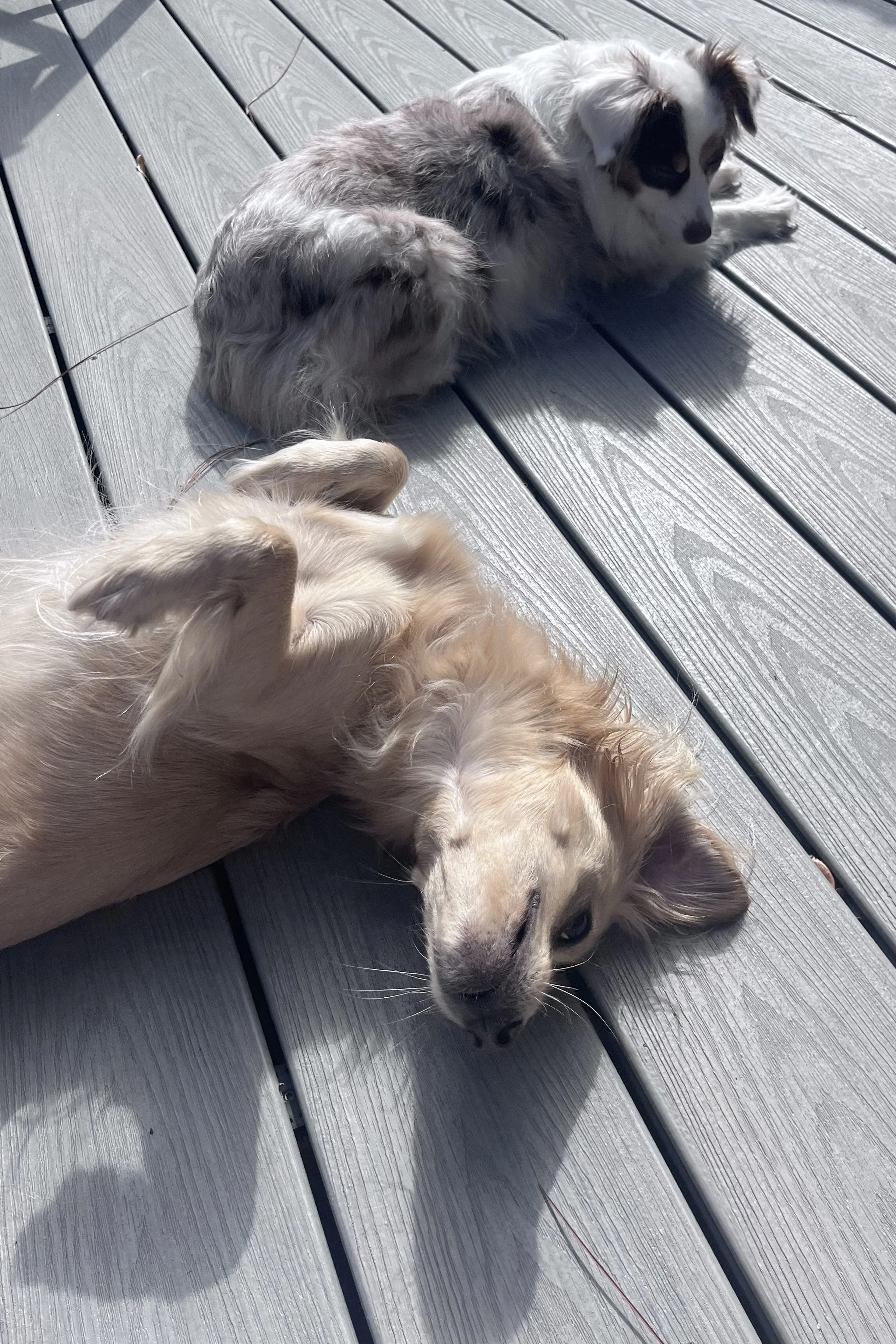
Quiet company.
That shift reshaped how our days unfolded. I started building in a consistent 2–3 hour rest period before and after any planned activity.
Occasionally, pairing that downtime with something simple to focus on—like the lick mat Archie and Saydie use at home with a small amount of food spread on it—helped them settle more fully instead of staying watchful.
I’d get up, feed the dogs, and head out for a short walk or small outing. Even for those shorter outings, I always brought fresh water in the insulated dog water bottle we use. Then I’d come back to the rental, make my lunch, and give them time to settle and rest. Later in the afternoon, once they’d had real downtime, I’d plan another short outing.
Spacing the day this way changed everything.
Instead of becoming more tired as the trip went on, the dogs stayed more relaxed, more willing, and more engaged.
If you’re planning a trip with your dog, choosing calmer walks and familiar routines can make a big difference—especially in new destinations.
For example, I break down how a quieter coastal town feels for small dogs in Is Colonial Beach Good for Small Dogs? A Comfort Breakdown.
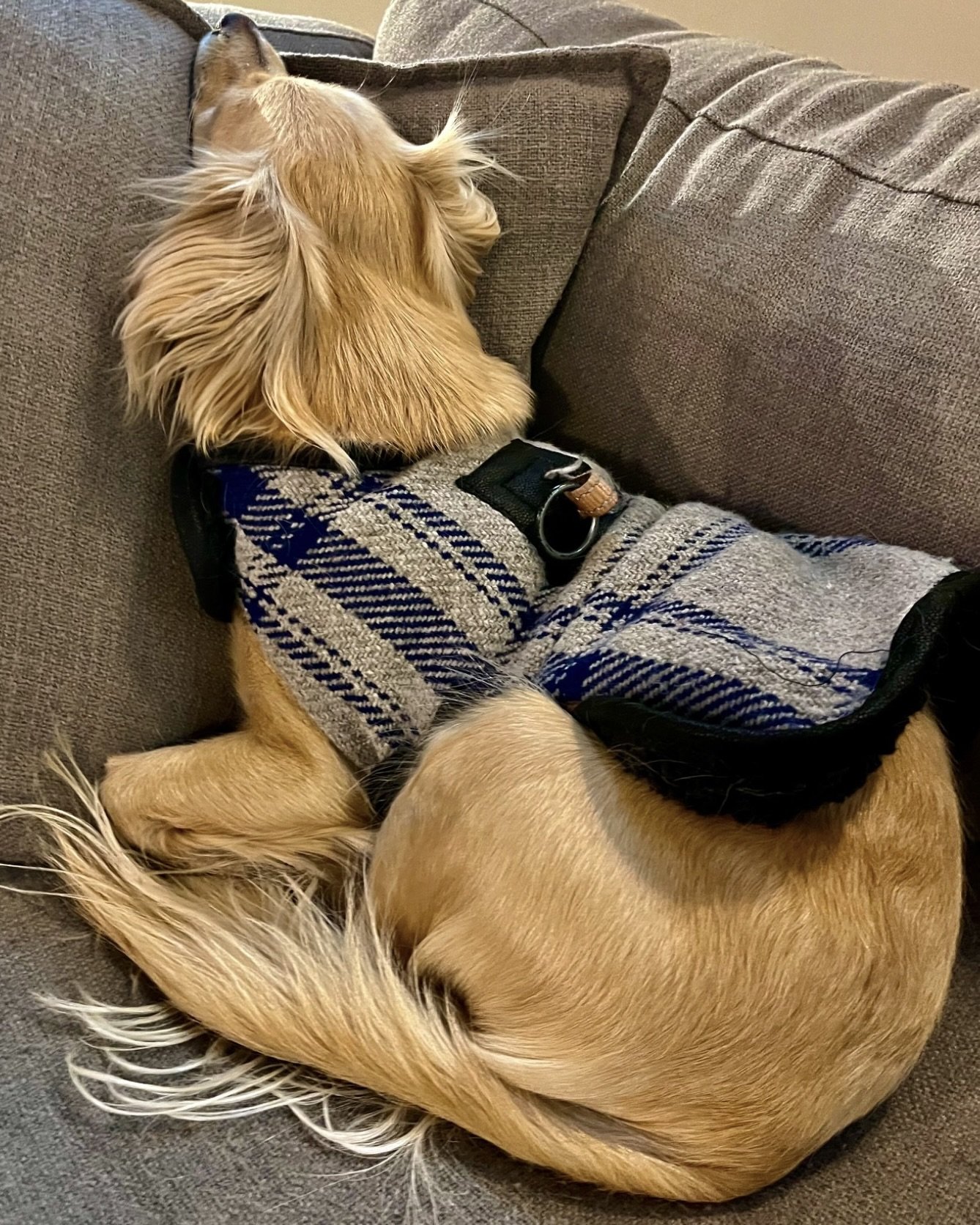
Completely off duty.
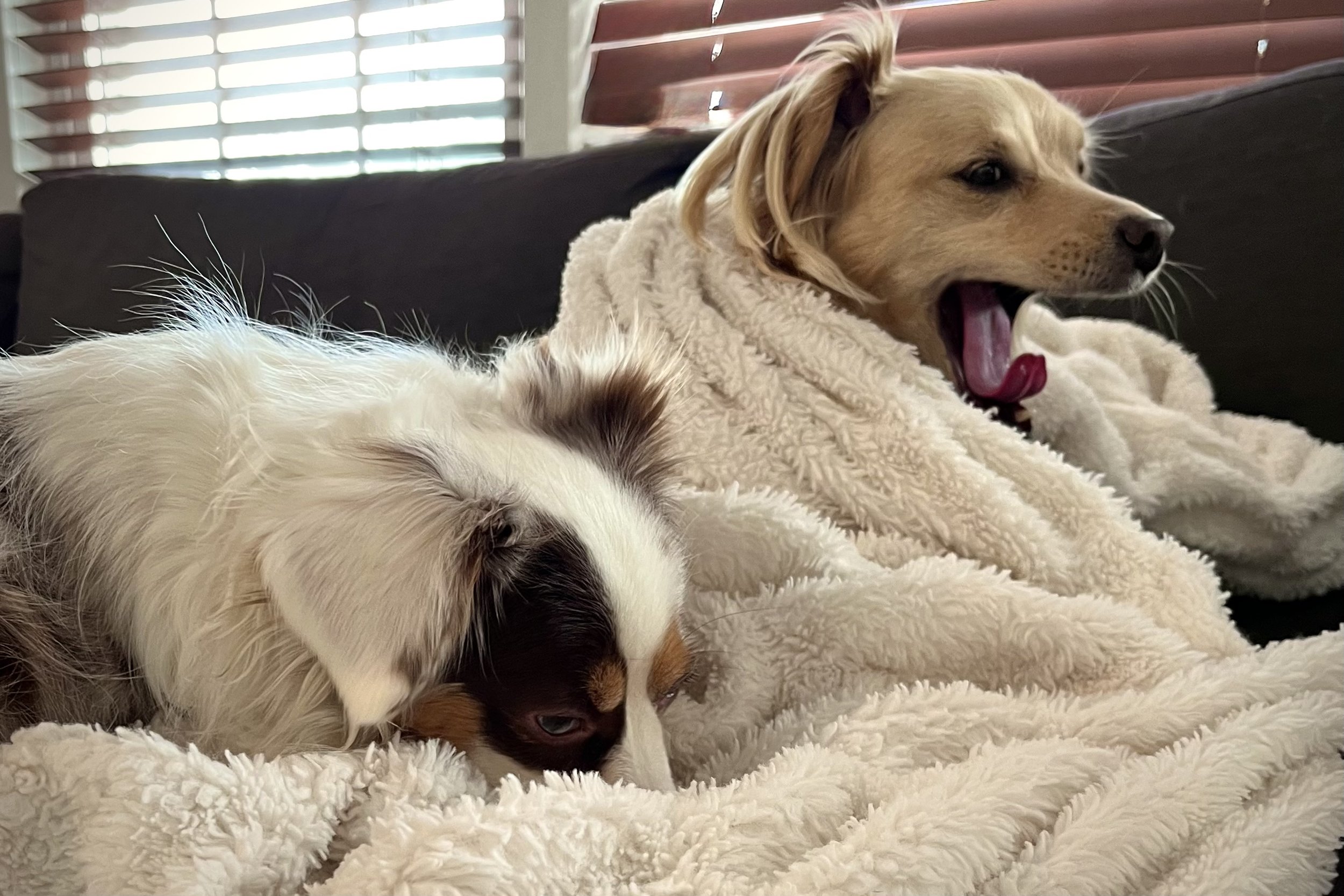
One is asleep. One is thinking about sleeping.
The dogs were calmer, more willing, and more present — not because they were doing less, but because they had enough space to recover.
A tradeoff I’m happy to make
I may not see as much as possible each day, but I get to travel with my dogs in a way that keeps them comfortable and at ease. Slowing down changed how we experienced each trip — and it made the time we did spend out feel better for all of us.