Why Some Dog-Friendly Places Don’t Actually Work for Small Dogs
A lot of places are labeled dog-friendly.
But that doesn’t always mean they feel easy to be in with your dog.
Dogs are allowed.
There’s a patio or designated area.
On paper, it all looks like it should work.
But after traveling with my dogs, I started noticing something that didn’t quite match up.
Some places felt easy.
Others didn’t—even when they looked almost identical.
Nothing was obviously wrong.
But the experience felt different.
Over time, those patterns started to repeat.
And that’s when it became clear:
“Dog-friendly” doesn’t actually tell you how a place will feel to move through with your dog.
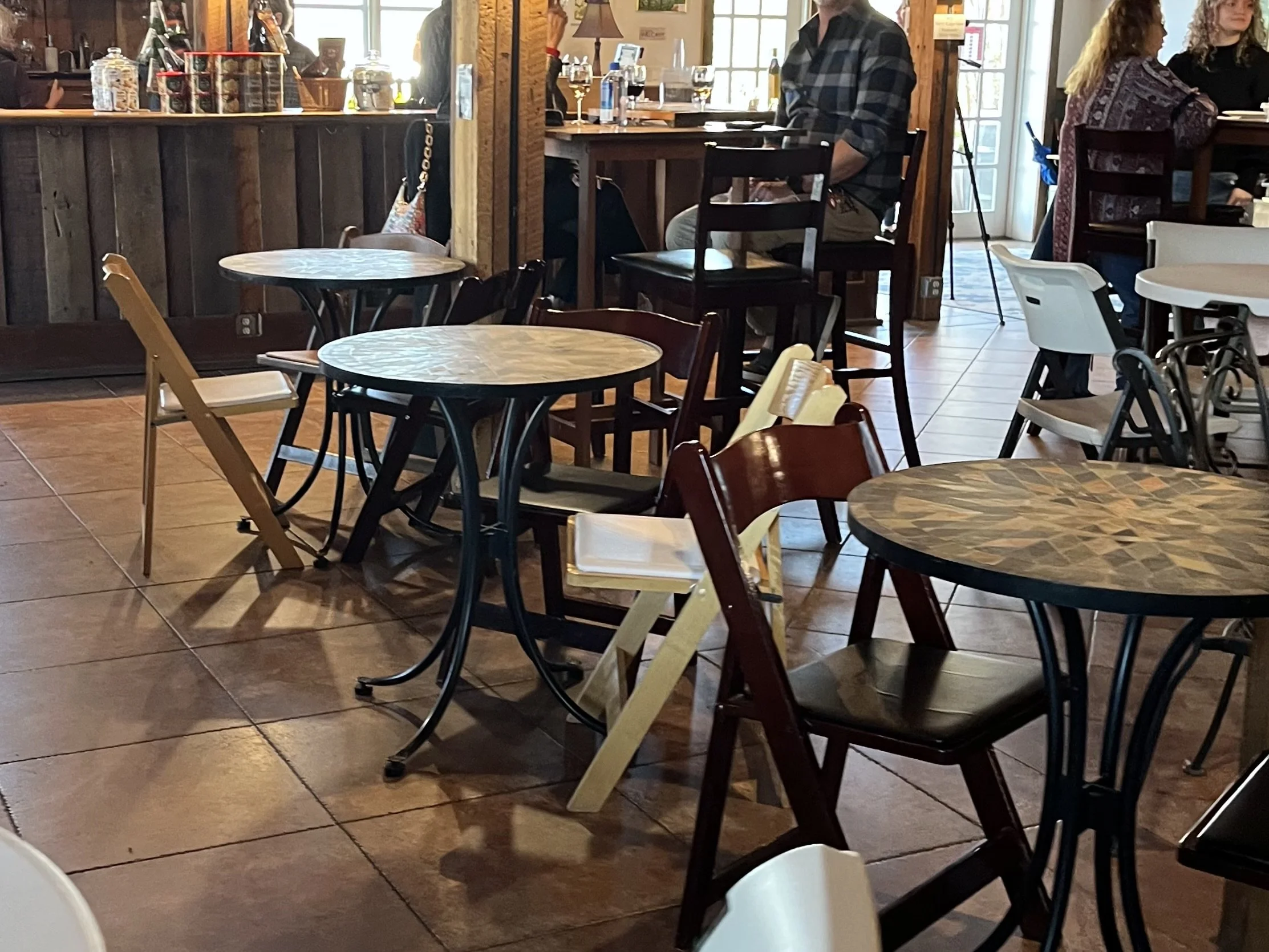
A dog-friendly space that looks open—but feels tighter once you’re inside.
One afternoon in St. Augustine, we stopped at a brewery.
I had found it described as a dog-friendly brewery, and it sounded like a great place to stop and relax.
There was plenty of seating, and people had dogs settled at their feet.
But walking in, the space felt tighter once we were inside than it looked from the outside.
Tables were packed in across the room, and dogs were lying close together—under chairs, near the bar, just a few feet apart.
Some of them were completely relaxed.
Mine weren’t.
There wasn’t enough space to move through it without ending up right next to another dog.
Instead of settling, they reacted to how close everything felt—watching, shifting, staying alert.
What looked like a relaxed, dog-friendly space was actually a compressed one.
And that’s where the difference starts to show.
Why “dog-friendly” doesn’t always mean comfortable for your dog
Dog-friendly usually tells you what’s allowed.
It doesn’t tell you how a space is set up.
Or how it feels to move through it with your dog.
This is also part of why dogs often seem more tired during travel than expected — not because the activity is harder, but because the environment is asking more of them. I break that down more in Why Is My Dog So Tired After Travel? (When It’s Normal — and When to Worry).
Over time, I started noticing that the places that worked had something in common.
And the ones that didn’t—did too.
Not because they weren’t dog-friendly.
But because the environment asked something different from the dog.
If you’ve ever noticed your dog slowing down, scanning more, or having a harder time settling, those early signs often show up before things fully build. You can see how that plays out in Why Dogs Freeze or Refuse to Walk in New Places — What They’re Noticing.
When a space feels too tight for your dog
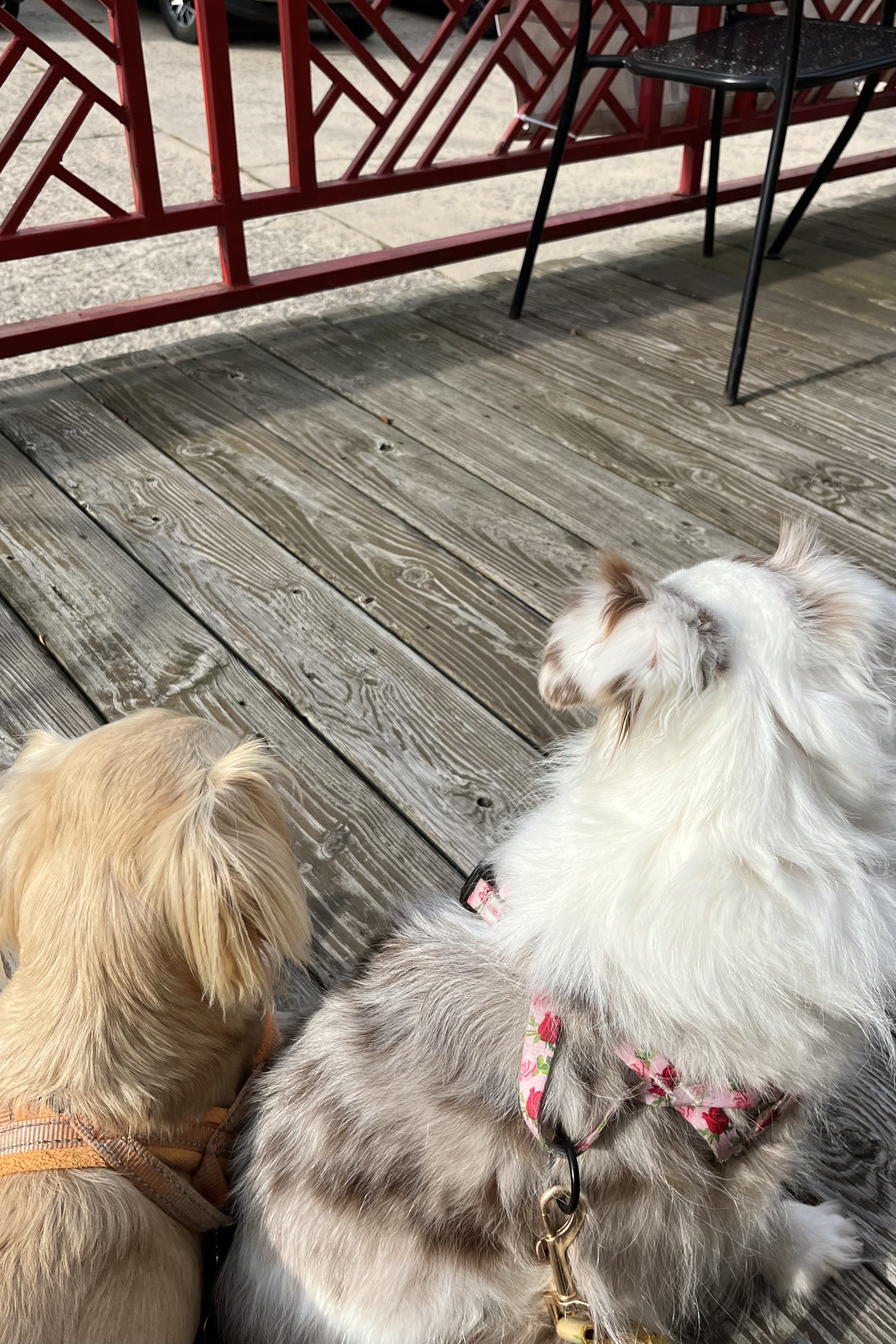
Outdoor seating that still feels compressed once you’re in it.
Some environments look open at first.
But once you’re in them, the spacing tells a different story.
Tables close together.
Dogs within a few feet of each other.
People moving through narrow paths.
Even outdoors, that can still feel compressed.
We’ve sat on patios where tables were tightly packed, with servers and people constantly moving through the space.
Dogs were close together, and there wasn’t much room to step away or create distance.
It made it harder to just settle into the space.
In contrast, at Firefly, the patio felt completely different.

Same idea—but with space to sit without constant movement.
Tables were more spread out.
Movement was slower.
There was space to sit without constant interruption.
Same idea—outdoor seating with dogs allowed.
But the experience felt completely different.
When there isn’t space to move, everything feels more intense.
When the experience itself doesn’t work for your dog

Dog-friendly doesn’t always mean comfortable for every dog.
Sometimes it’s not the layout.
It’s the experience.
In Cape Charles, we took a dog-friendly boat ride.
It seemed like something that would be easy to include.
But once we were out on the water, it became clear it wasn’t as easy for Archie as expected.
The movement of the boat was unfamiliar and unstable, and there wasn’t a way for him to settle into it.
Instead of relaxing, he stayed close the entire time—almost clingy, trying to steady himself.
Nothing about the setup was wrong.
But the experience itself didn’t match what he’s comfortable with on the water.
When the environment makes it hard for your dog to settle
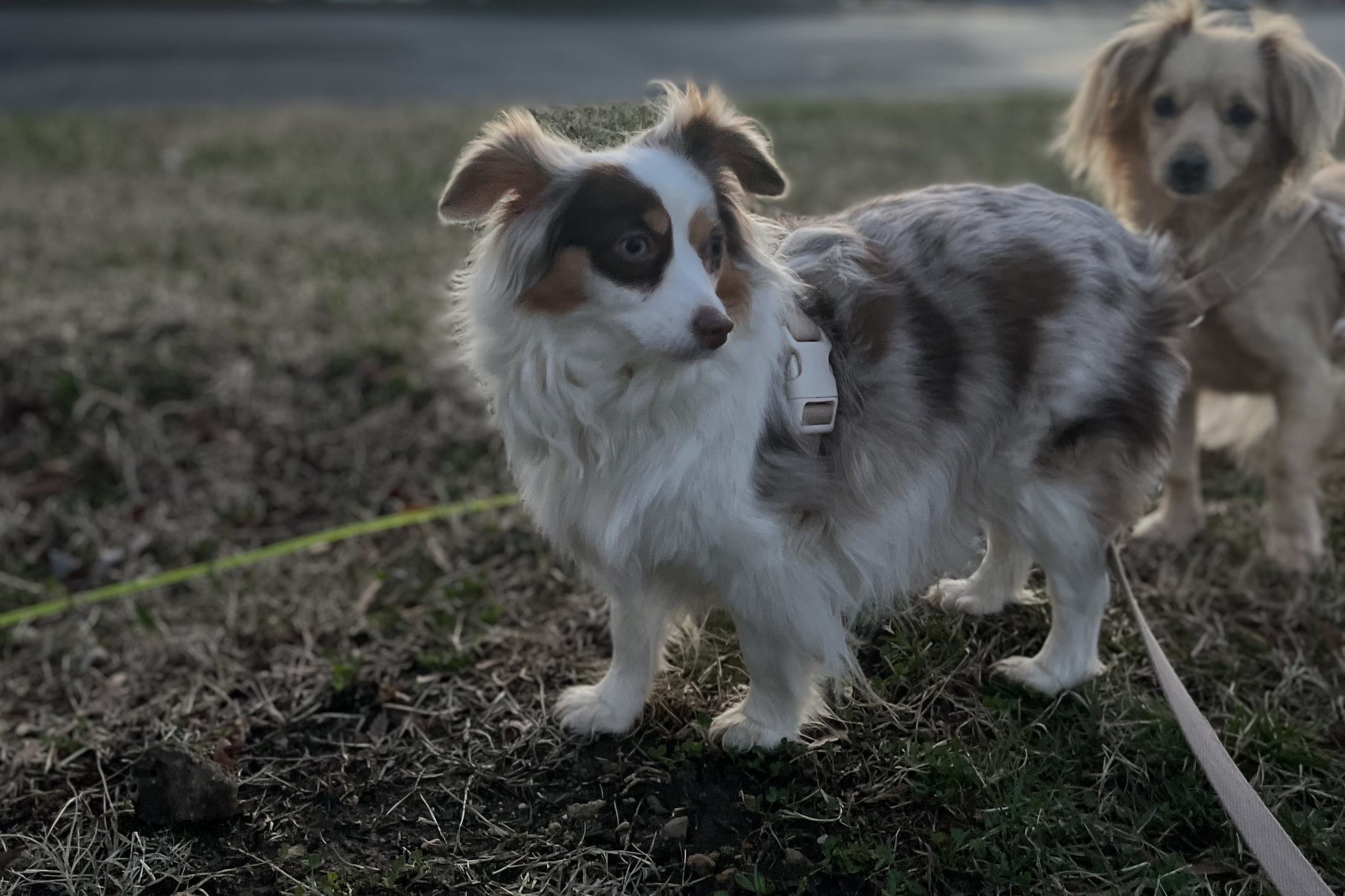
Nighttime environments can feel very different than expected.
Some environments don’t affect how your dog moves through them.
They affect what your dog is able to do.
At one dog-friendly hotel, there was a designated area just outside a side entrance.
It checked the box.
But in the middle of the night, when Archie needed to go out, the environment felt different than expected.
There was more sound than it seemed like there would be.
Movement carried through the space.
Noise wasn’t consistent—it came and went.
Instead of settling and focusing, both dogs stayed alert.
They had a harder time relaxing enough to actually go.
Even simple things—like a quick nighttime bathroom break—depend on the environment feeling right.
If your dog struggles more at night or in new places, this connects closely with Why Dogs Can’t Sleep in a New Place (and What Helps at Night).
If your dog has a harder time settling once you’re inside, that’s a slightly different pattern—explained in Why Dogs Can’t Settle in a New Place (and What Actually Helps).
What I actually look for in dog-friendly hotels and rentals
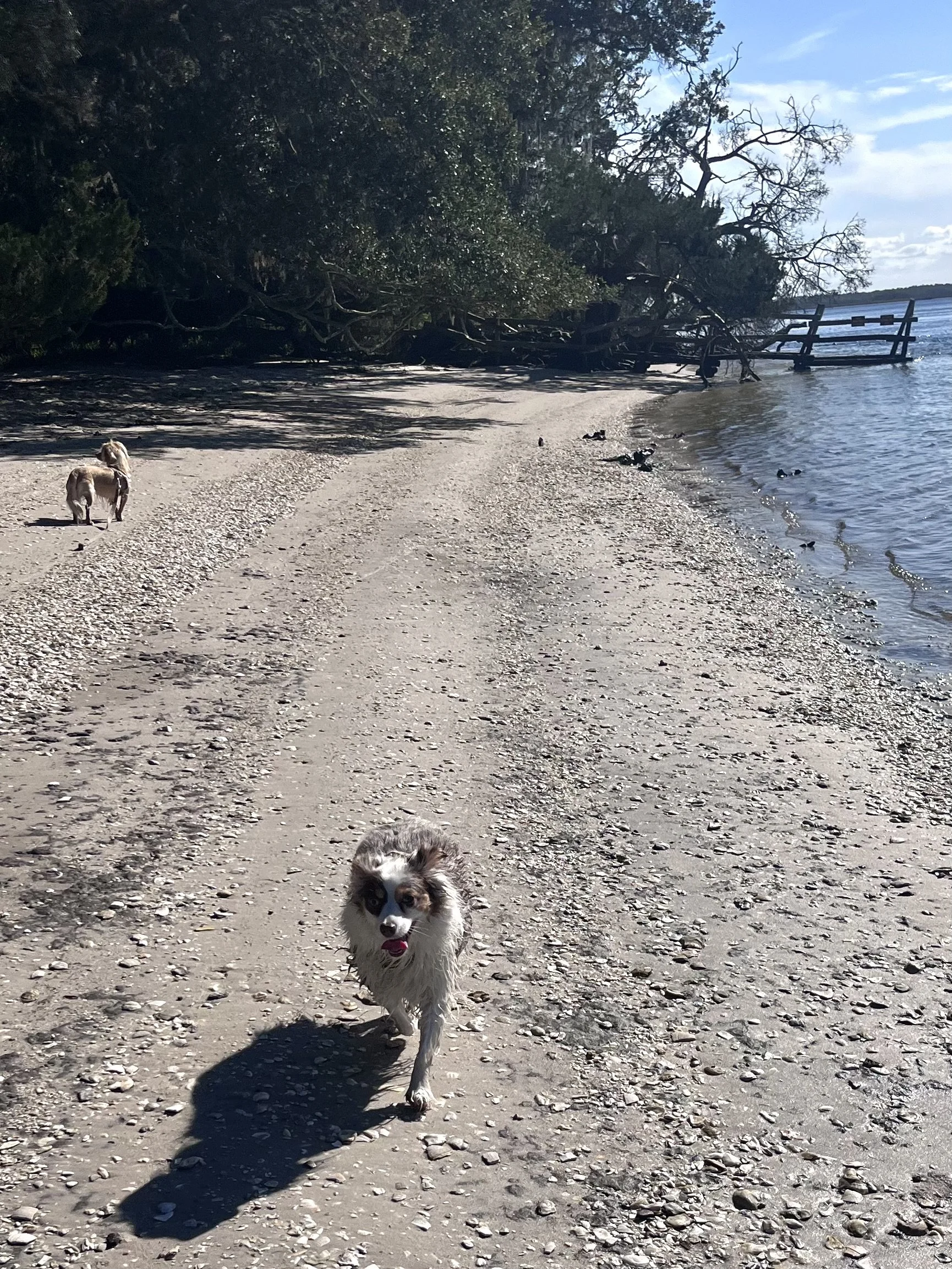
After enough of those experiences, I stopped relying on whether a place was labeled dog-friendly.
And started paying attention to what actually shapes the experience.
A few things matter every time.
A controlled outdoor space—ideally fenced, or at least private—makes a huge difference.
An easy exit to outside matters more than most people expect.
The immediate walking environment is just as important.
What it feels like in the first minute outside the door often sets the tone for everything that follows.
And sound—especially at night—can change how easily a dog settles or functions in a space.
Making a place work for your dog goes beyond what’s listed
Even when a place is a good fit, some parts of the experience still fall on you.
I don’t expect a hotel or rental to create a calm environment inside.
That’s something I bring with me.
The bed, the routine, the familiar pieces—those are what allow the dogs to settle once we’re there.
What I’m choosing for ahead of time is everything around that.
Dog-friendly can give you a starting point.
But how it actually feels for your dog—and how easily they adjust—comes from both the place and what you bring into it.
Dog-friendly tells you what’s allowed.
But what actually matters is whether your dog can:
move through the space
settle into it
and function comfortably once you’re there
And those things don’t show up in a listing.
But once you start noticing these patterns, you’ll begin to see them before you even arrive.
I walk through exactly how I evaluate that ahead of time here : How to Tell If a Place Will Overwhelm Your Small Dog (Before You Go).
