The First Hot Week of the Year Feels Different for Dogs
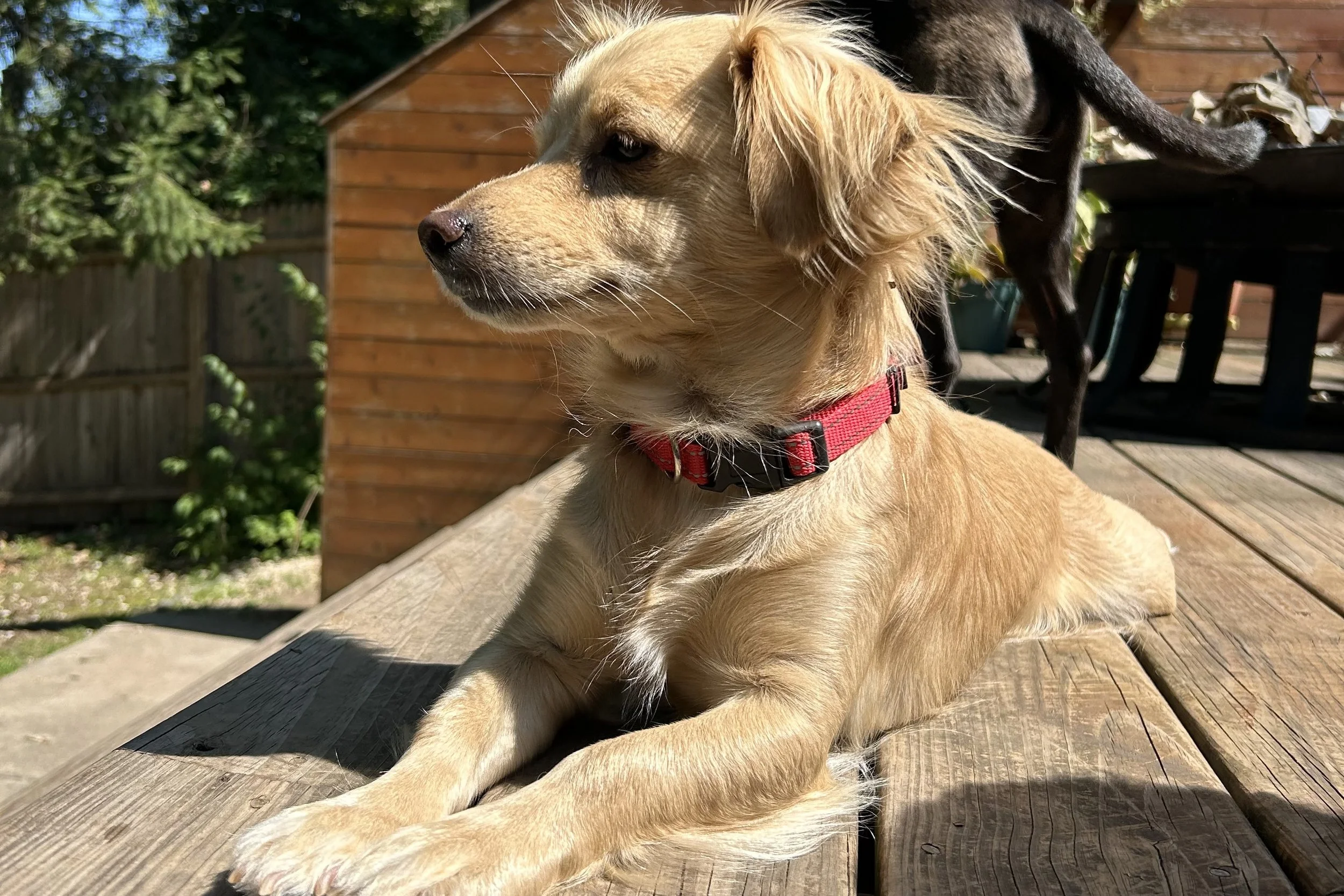
Archie still happily spending time outside during the first major heatwave of the season.
Spring is a welcome time of year after a long winter. We finally get a stretch of comfortable weather again, and walks start feeling easy and enjoyable. Then suddenly, there’s a week where temperatures jump into the upper 90s almost overnight.
The same routines that felt completely normal a week earlier suddenly stop working. Sidewalks heat up quickly, shade matters more, and even familiar walks may need to get shorter much sooner than expected.
What I’ve noticed most with my own dogs is that extreme heat doesn’t affect them the same way at all.
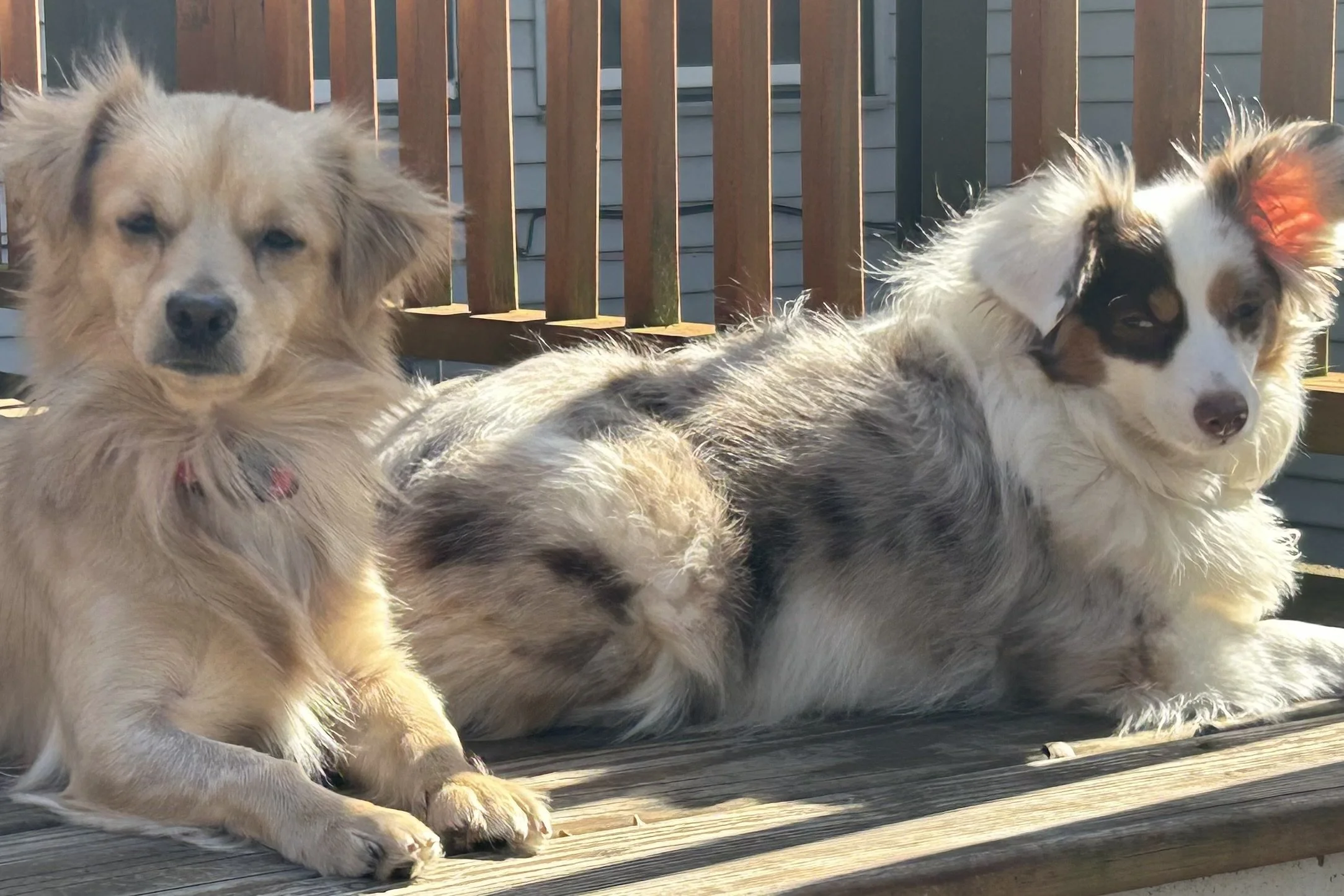
Archie and Saydie reacting very differently during the first major heatwave of the year.
Archie, who is mostly Chihuahua, loves lying directly in the sun on our deck and will happily stretch out there long enough that I have to keep track of how long he’s been outside because he never seems eager to come back in on his own. Saydie, who is a Toy Australian Shepherd with a thick double coat, reacts completely differently. Once the weather gets extremely hot, she slows down much faster outside and soon starts panting.
That contrast has made me realize there’s no single “summer dog behavior.” Some dogs immediately start slowing themselves down in extreme heat, moving much more slowly or even lying down on the sidewalk until they’re taken back home. Others stay excited enough to keep going much longer than they should, sometimes seeming completely fine until the heat suddenly catches up with them and they stop walking altogether or need to be carried home.
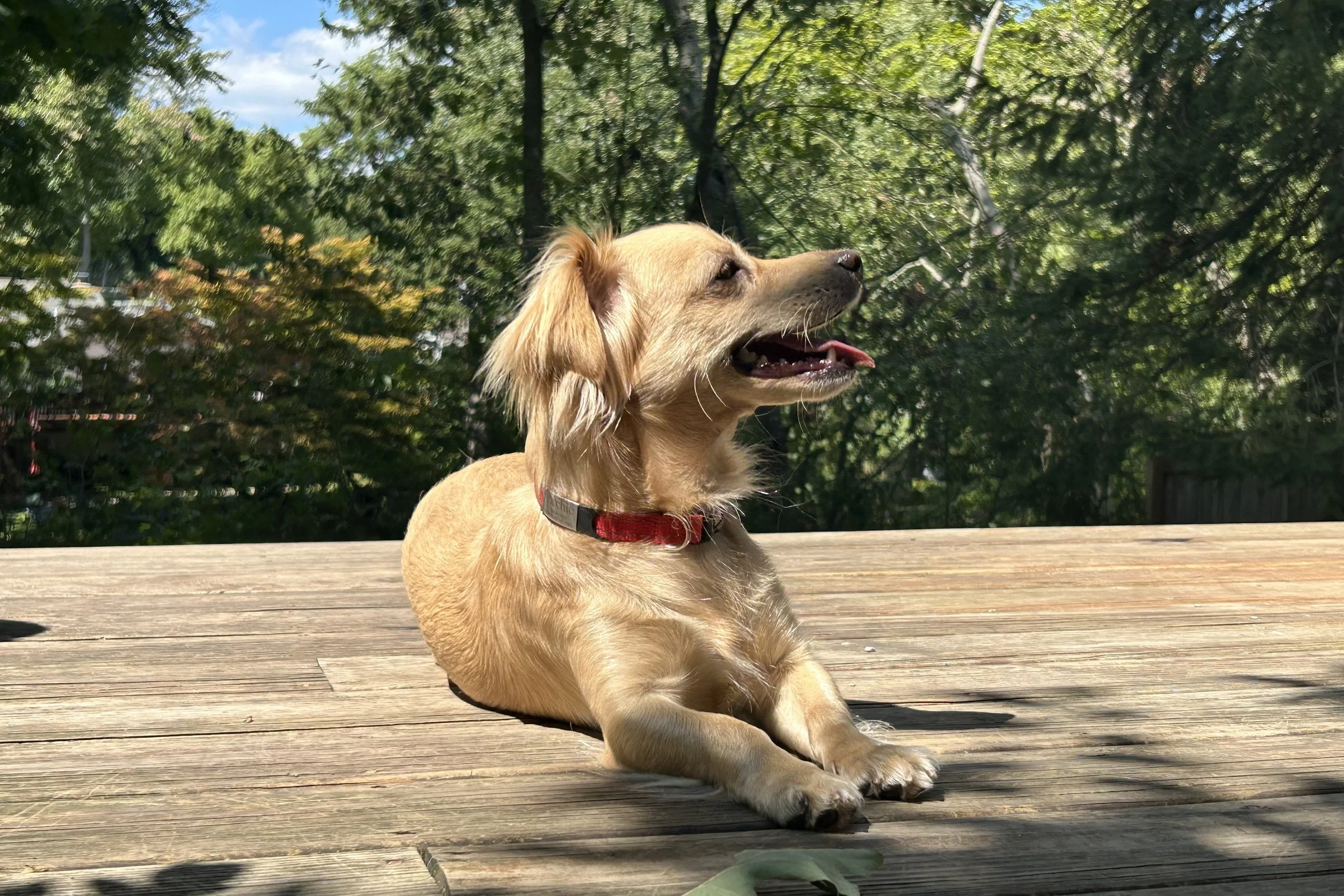
Archie would often stay outside in the heat much longer than I expected unless I brought him back inside myself.
The First Heatwave Changes Everyday Routines Fast
The first really hot week of the year always feels different from the rest of summer.
Dogs haven’t adjusted yet. Neither have we.
In spring, it still feels normal to head out for longer walks, spend extra time outside, or follow the same routes we’ve been using for months. Then suddenly, a stretch of extreme heat arrives and those routines stop working almost immediately.
The dogs recover much more slowly after walks than they did only days earlier, often heading straight for cool tile floors and water bowls the moment we come inside.
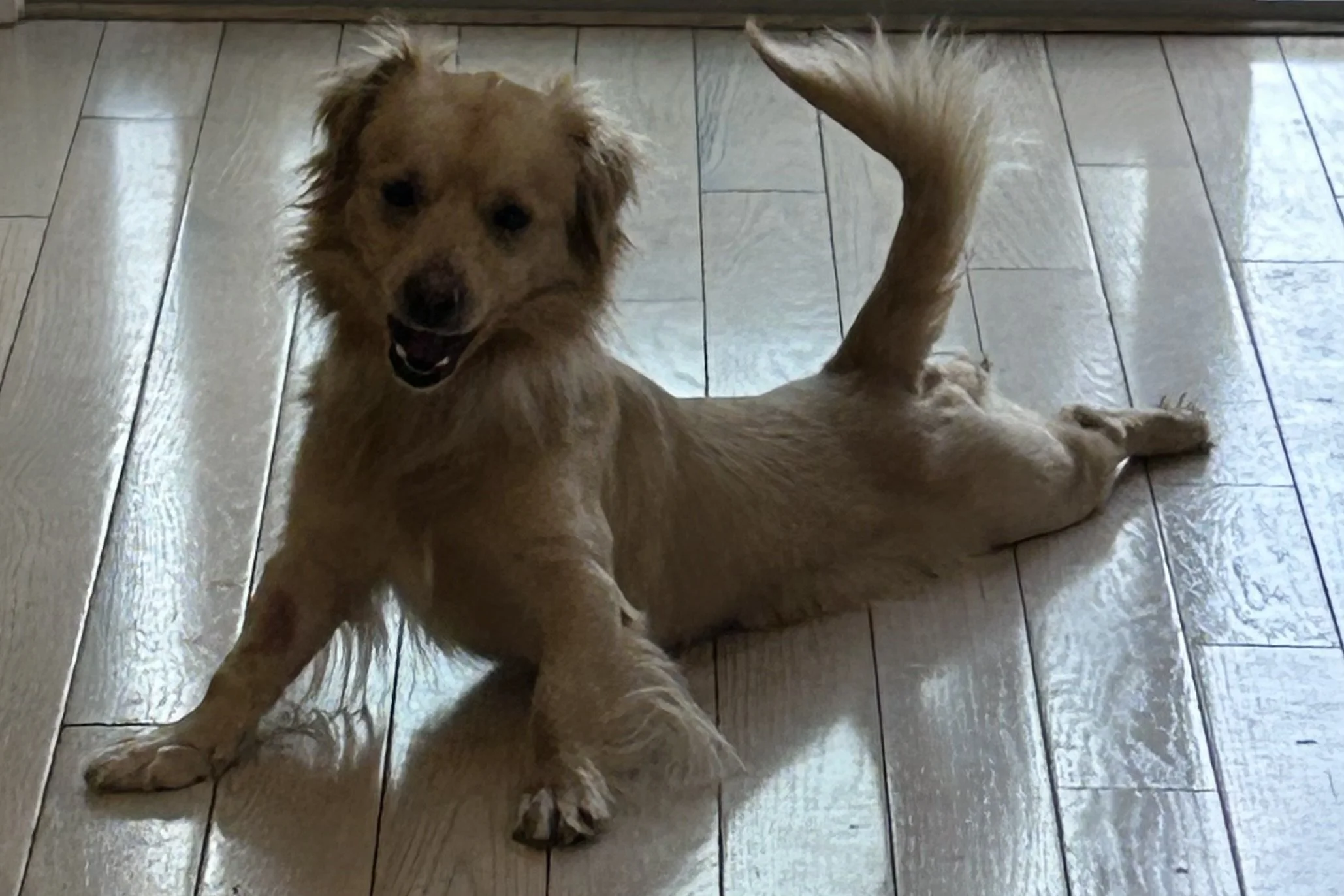
After hot walks, Archie immediately started seeking out the coolest floors in the house.
And sometimes the hardest part is that excited dogs don’t always recognize their own limits.
Wanting to continue the walk doesn’t necessarily mean they’re handling the heat comfortably.
That slower recovery can happen after travel and new environments too, especially when dogs have been processing a lot all day. You can read more about that in Why Is My Dog So Tired After Travel?
Summer Changes Which Routes Feel Comfortable
One of the biggest adjustments during extreme heat is changing where we walk entirely.
Routes that feel easy in spring can suddenly feel exhausting once temperatures spike, especially:
dark pavement
exposed sidewalks with little shade
brick areas that hold heat
long stretches without grass or water nearby
built-up areas that feel much warmer than nearby parks or waterfront areas
During an early summer heatwave, we focus much more on:
early walks before sidewalks heat up
shaded streets and parks
shorter loops instead of long outings
routes near the waterfront where there’s usually more breeze
flexible walks where we can turn around quickly if the dogs start slowing down
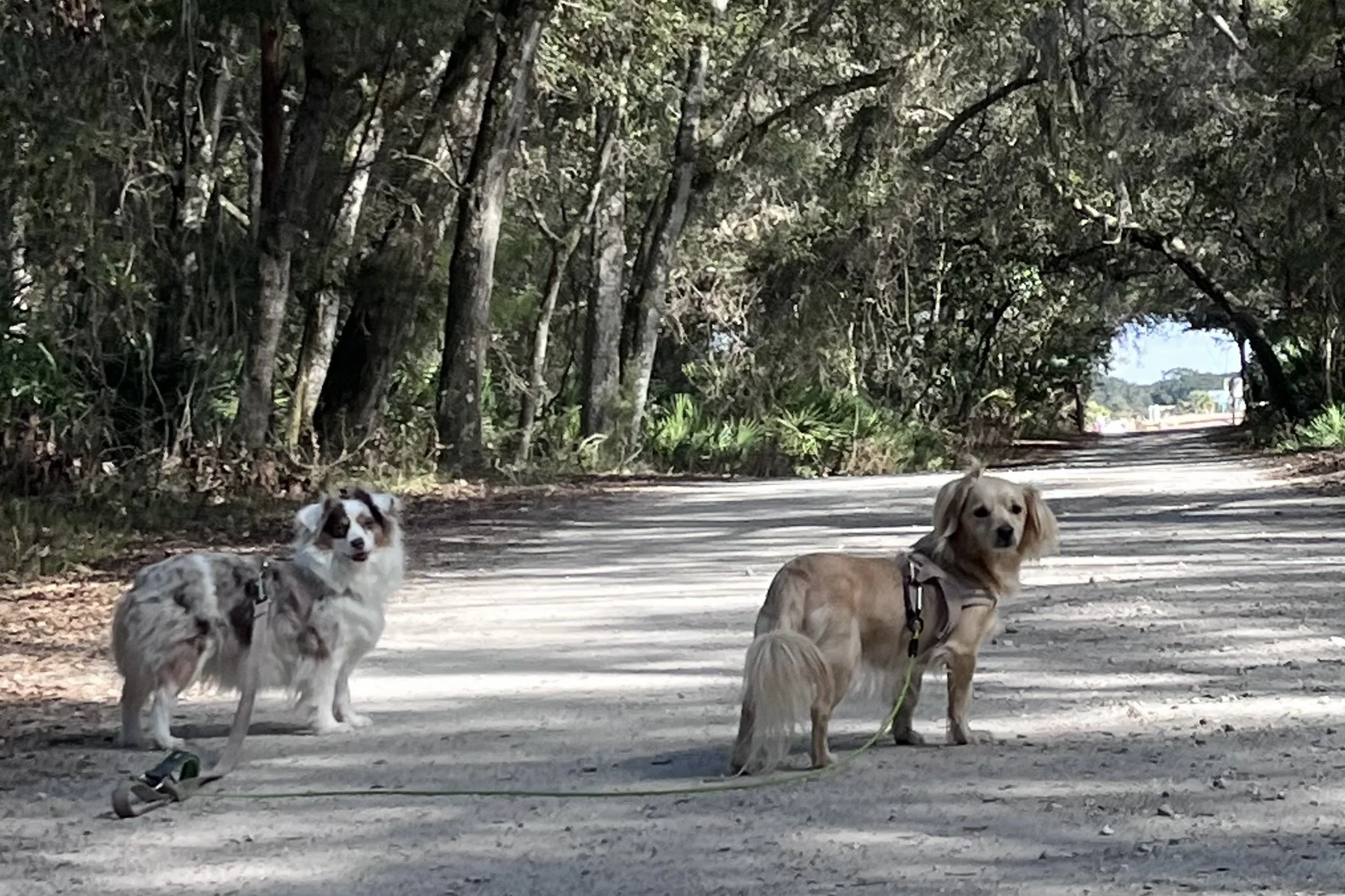
Tree-lined routes with steady shade often felt dramatically easier during the first major heatwave of the season.
Even small environmental differences feel much bigger once temperatures get extreme.
A route that feels comfortable in spring can suddenly feel exposed once the pavement heats up and shade becomes harder to find. For more route ideas, you can also read Old Town Alexandria Waterfront Walk With Dogs (Start to Finish)and Best Calm Walks in Old Town Alexandria.
Sometimes the Smallest Summer Adjustments Help the Most
The first really hot week of the year usually makes dog owners start rethinking their routines.
Suddenly people start reconsidering walking times, grooming, cooling products, and how long dogs stay outside.
And honestly, some of those things really do help.
We use frozen treats, the kiddie pool, cooling mats, extra water, and plenty of shaded breaks during extreme heat. Those things can absolutely make summer more enjoyable for dogs.
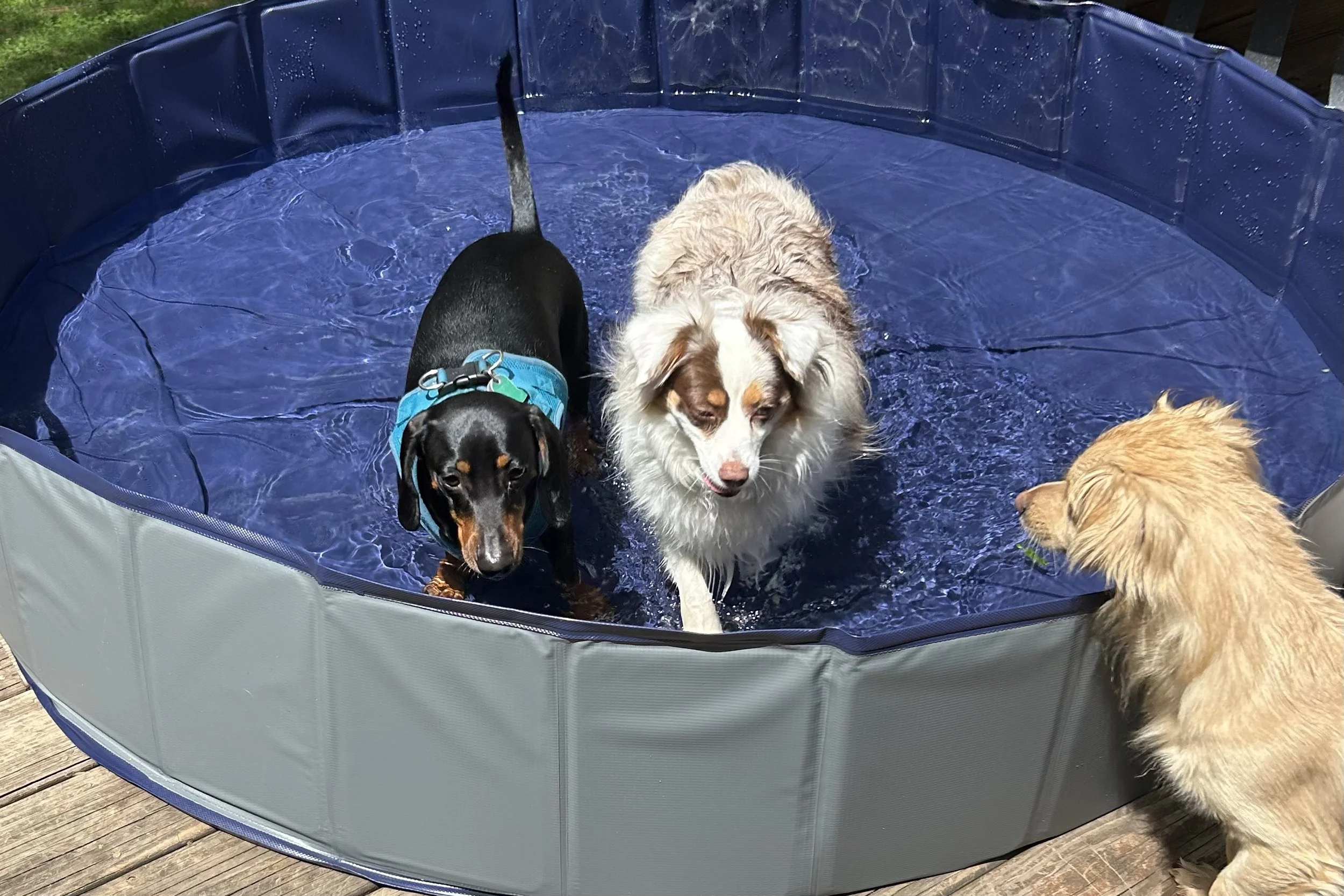
Cooling off in the kiddie pool became part of our routine once the first major heatwave arrived.
And honestly, part of the fun of summer with dogs is indulging them a little too. Of course your dog is going to look adorable in a lightweight cooling vest, and yes, many of us are still going to buy the frozen treat molds, splash pads, or elevated cooling beds once the first heatwave arrives.
But over time, I’ve realized that a few smaller adjustments usually make the biggest difference overall.
For us, the biggest changes are usually:
brushing out extra undercoat instead of heavily shaving coats
changing walking routes once sidewalks start holding heat
getting outside earlier in the morning
focusing more on recovery afterward instead of long outings
That’s probably 90% of it for our dogs.
The extra summer gear can absolutely be fun and helpful too, but most dogs usually don’t need a complete lifestyle overhaul the moment the first heatwave arrives.
Usually, it’s the smaller routine shifts that change how comfortable summer feels day to day.
Why Brushing Helped More Than Removing Coat
Brushing helped Saydie much more than trying to remove coat.
During a sudden jump in temperatures, it’s very tempting to look at a thick-coated dog and assume all that fur must be making them hotter. But with double-coated breeds especially, shaving the coat can actually create new problems instead of solving them.
Those coats help protect dogs from direct sun exposure and intense surface heat. Without that protective layer, dogs can become much more exposed to overheating and sunburn during extreme weather.
And in some cases, heavily shaving a double coat can permanently affect how the coat grows back afterward.
Regular brushing helped Saydie much more than trying to dramatically remove coat during the first hot week of the year.
Summer Walks Start Looking Different
My idea of what counts as a successful walk changes a lot during extreme heat.
In cooler weather, longer outings often feel easy and enjoyable. But during extreme heat, walks usually work better when they become slower, shorter, and more flexible.
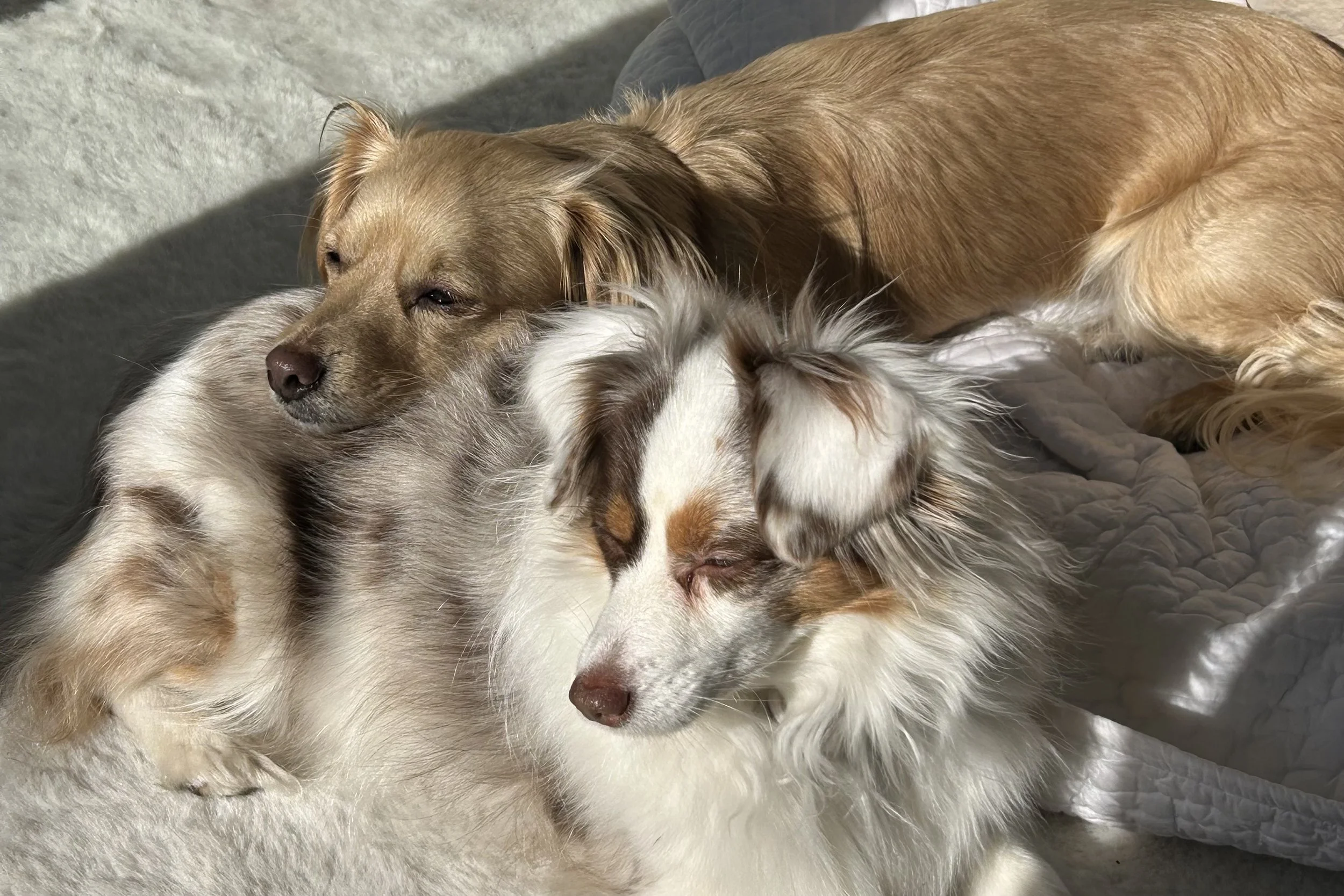
By the first major heatwave of the year, much more of the day starts revolving around rest and cooler indoor spaces.
Sometimes the best summer outings are simply:
a quiet shaded loop
sitting near the waterfront breeze for a few minutes
letting the dogs sniff instead of covering distance
shorter outdoor trips spread throughout the day
cooling off at home between outings
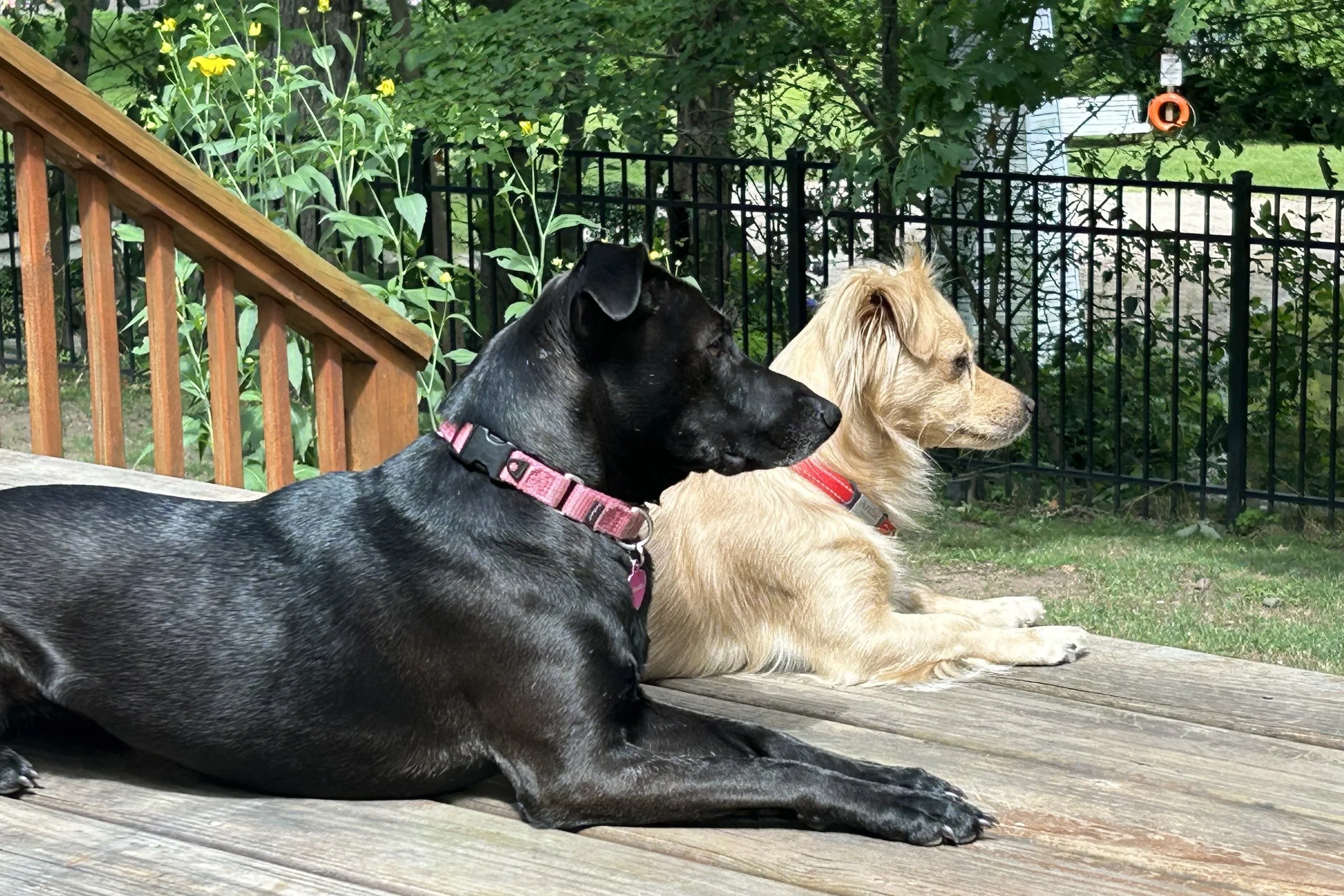
By the first major heatwave, the dogs spent more time resting in shaded outdoor spaces between shorter outings.
Summer doesn’t necessarily mean dogs stop enjoying being outside.
But the pace, timing, and structure of outings often need to change much sooner than people expect.
That shift is sometimes similar to what happens in unfamiliar environments too, when dogs begin slowing down or hesitating once the experience becomes harder to process. You can also read Why Dogs Freeze or Refuse to Walk in New Places.
After the First Heatwave, Things Usually Get Easier
The first extreme heatwave of the year always feels like a reset with dogs.
It changes how long we stay outside, which routes still feel comfortable, and how differently each dog handles the environment around them.
Some dogs will happily lie in the sun longer than they should. Others will immediately tell you they’re uncomfortable.
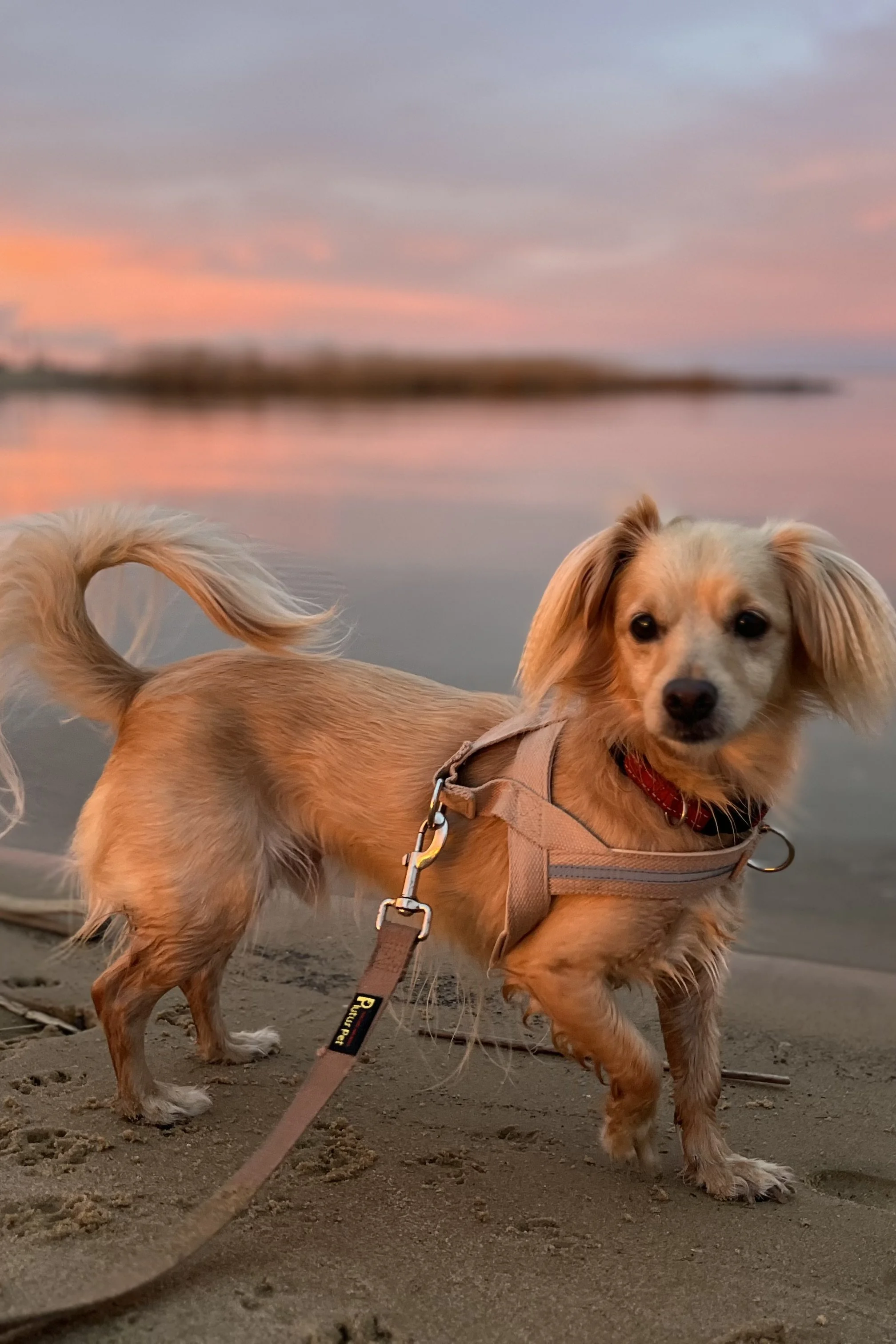
Evening walks started feeling much easier once the direct afternoon heat finally faded.
Either way, summer usually gets easier once we stop expecting dogs to handle extreme heat the same way they handled spring.
