Traveling Calmly with Small Dogs: The Decisions That Matter Most
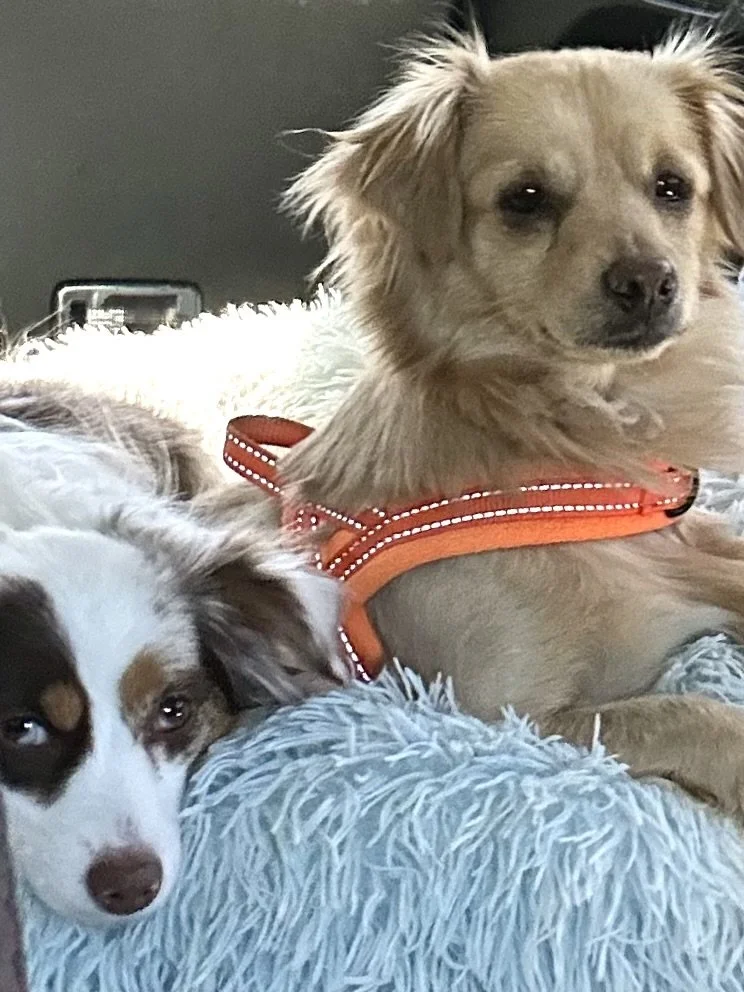
Traveling calmly with small dogs isn’t about doing more—it’s about managing transitions.
The car.
The stops.
The arrival.
These are the moments where dogs either stay regulated—or start to unravel.
You can prepare thoughtfully for a road trip—condition gradually, plan feeding carefully, secure the back seat.
But once you’re on your way, the experience shifts.
If you're still working on preparing a dog for long car rides without stress, start with How to Prepare a Dog for a Long Car Ride Without Stress.
The rest of this assumes your dog already rides comfortably.
If your dog is still struggling to settle once you arrive, I break that down more fully in Dog Won’t Settle in a New Place? What Actually Helps Them Adjust.
It’s no longer about readiness.
It’s about how you respond—
to a rest stop,
to a sleep window,
to a sensitive stomach,
to the environment in front of you.
That’s where calm travel is either protected—or lost.
Decision 1: Keep Departure Day Steady — Even When They Notice the Shift
Mine know when the luggage comes out.
They don’t get excited.
They get watchful.
Travel means change — and small, sensitive dogs feel that shift immediately.
So I don’t treat departure day like an event.
Walks happen at the usual time.
Feeding stays on schedule.
Energy stays neutral.
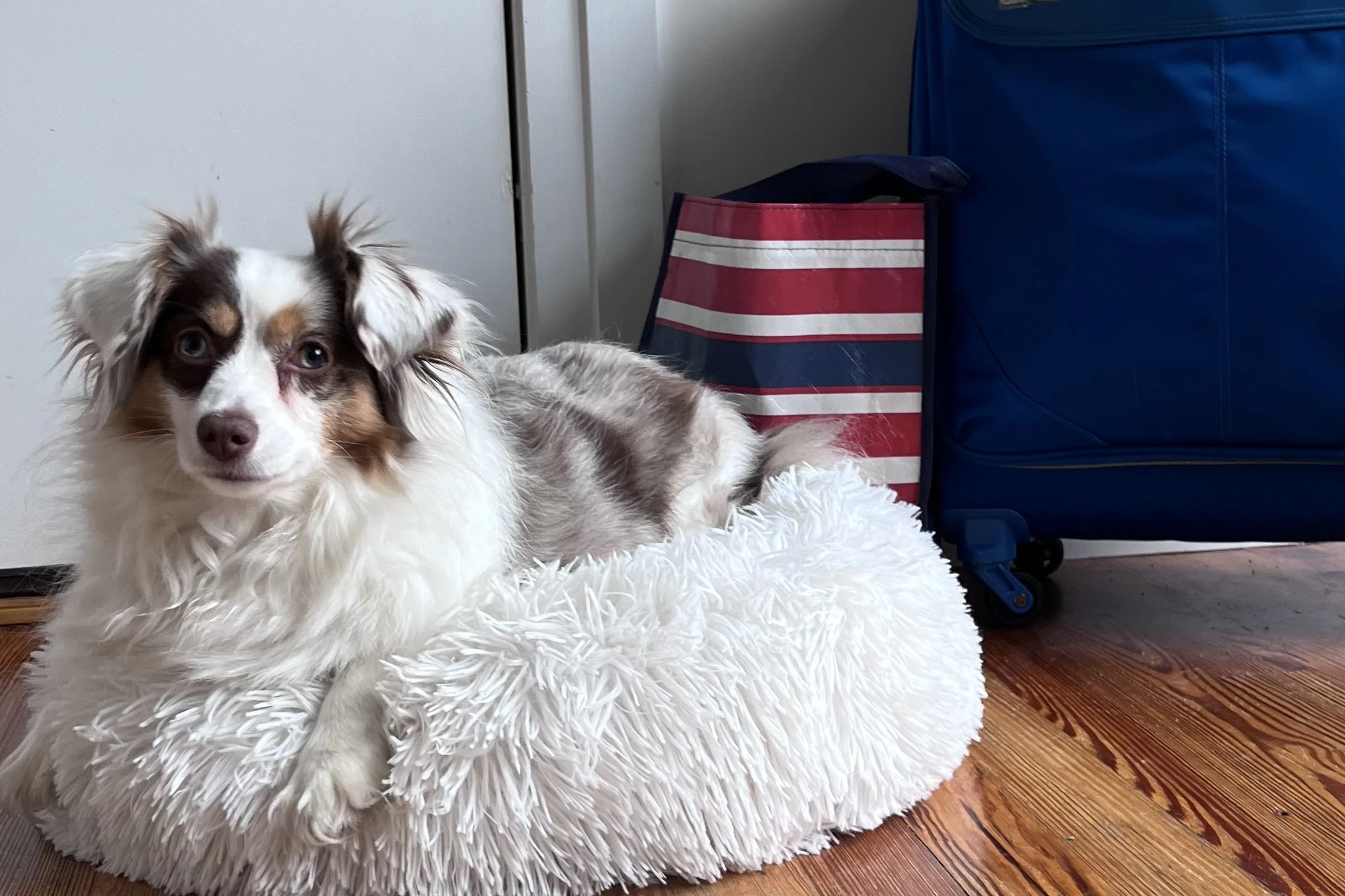
They notice everything.
I continue the routine.
The goal isn’t to “tire them out.”
It’s to keep their baseline steady before the first real transition begins.
Small dogs don’t struggle because a drive is long.
They struggle when transitions stack too quickly.
Decision 2: Protect the Sleep Window on a Road Trip with Small Dogs
Once we’re moving, both of my dogs settle quickly.
The motion regulates them. They sleep deeply — and they wake the second the car stops.
For our small, sensitive dogs, the moving car is often the most regulated part of the travel day.
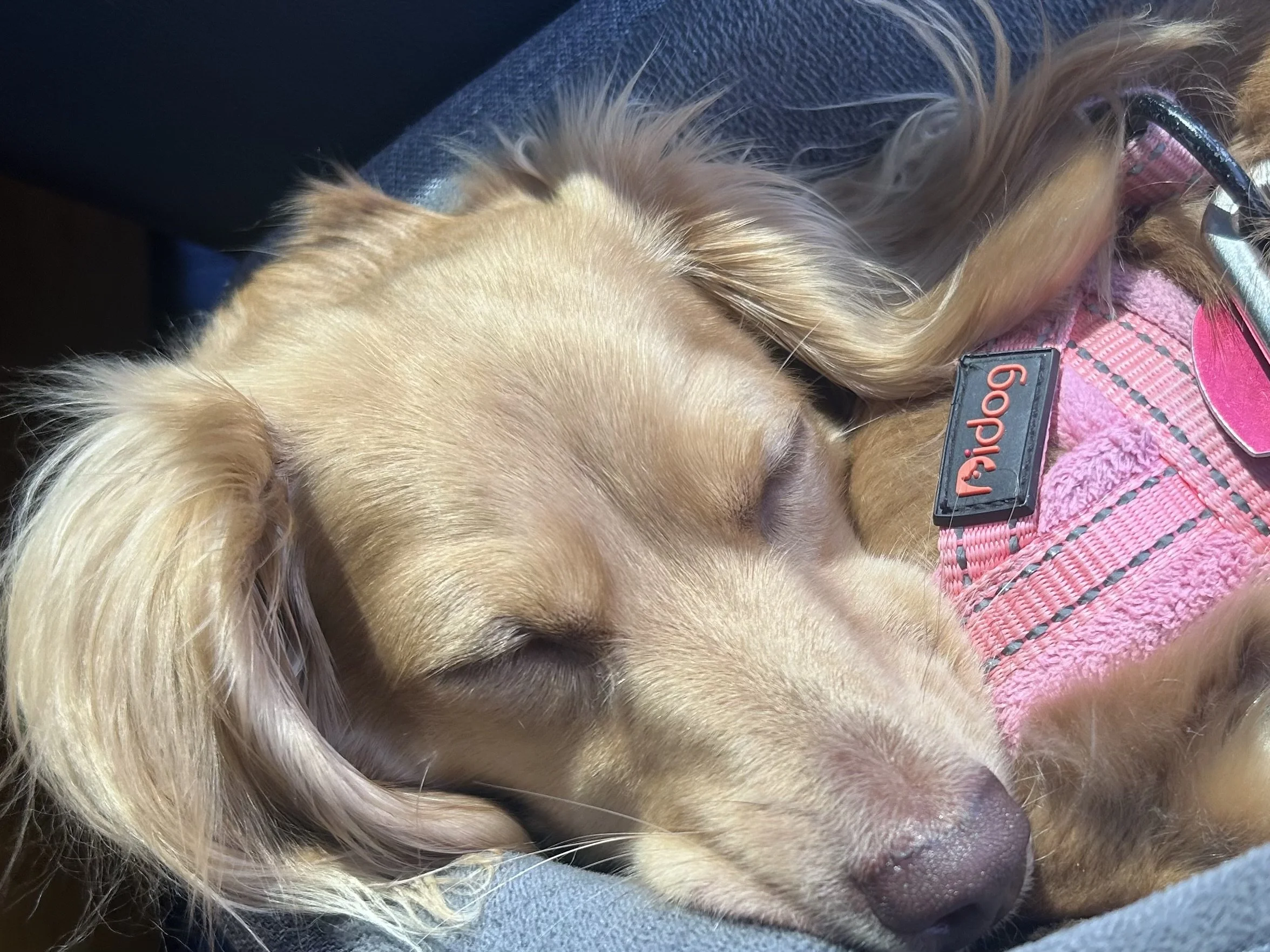
The car regulates.
So I protect it.
If they’re resting well, I don’t interrupt it for convenience.
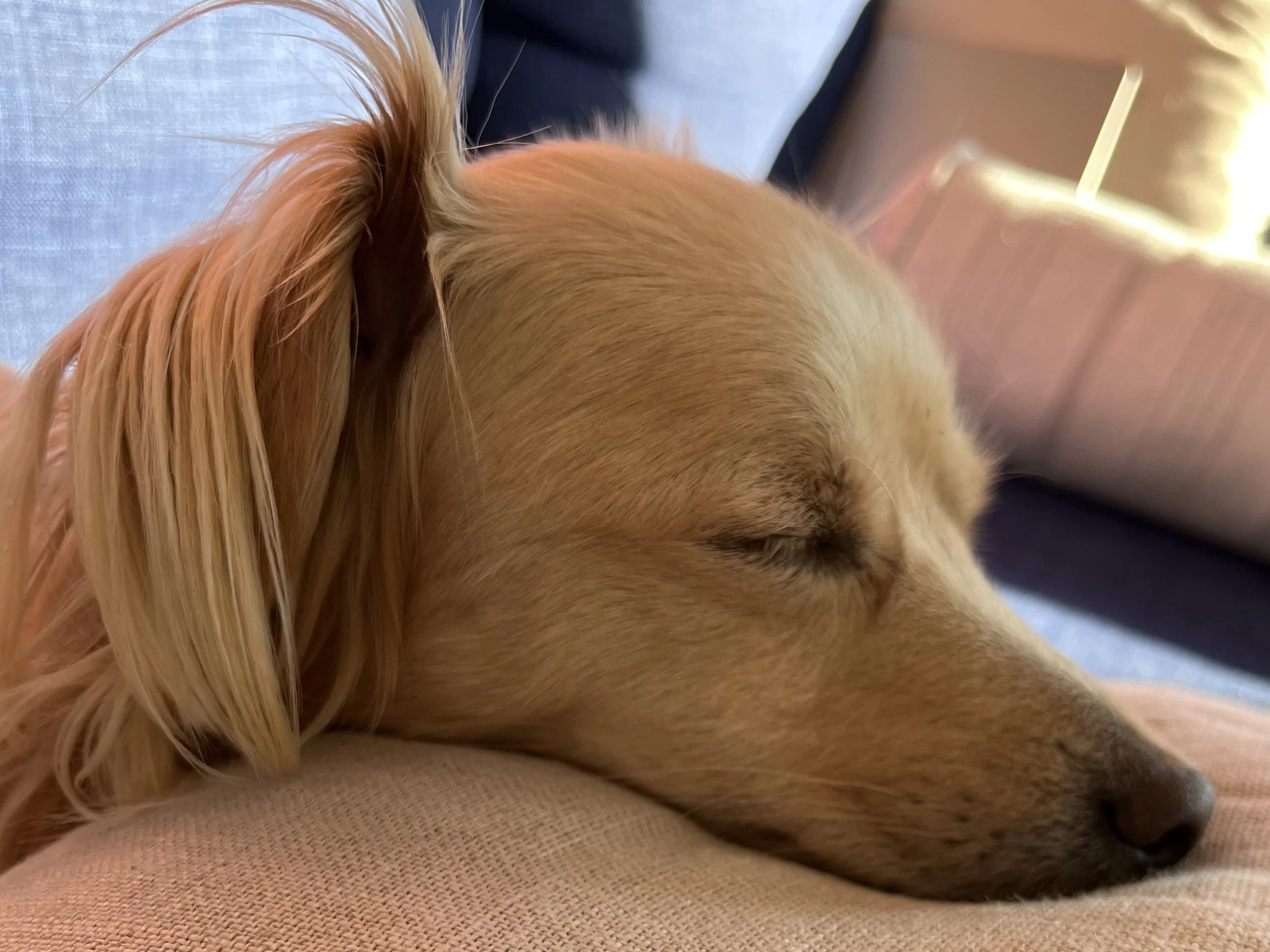
Calm isn’t something I hurry.
I fill the tank early.
I bring canned nitro coffee instead of relying on drive-through lines.
I avoid unnecessary stops.
Every time the car stops, stimulation resets — doors open, new sounds, new air, new decisions.
If they’re sleeping peacefully, continuity matters more than convenience.
The goal isn’t fewer miles.
It’s fewer unnecessary transitions.
Even dogs who sleep deeply during a long road trip can feel mentally taxed later in the day — something I’ve written more about in Why Dogs Get More Tired on Trips — and How to Prevent Overexertion.
Decision 3: Choose the Bathroom Environment — Not the Nearest Exit
One of the biggest mistakes on a road trip with small, sensitive dogs is treating every rest stop the same.
They aren’t.
Some are open and quiet.
Some are layered with stimulation — trucks, doors, other dogs, foot traffic, constant movement.
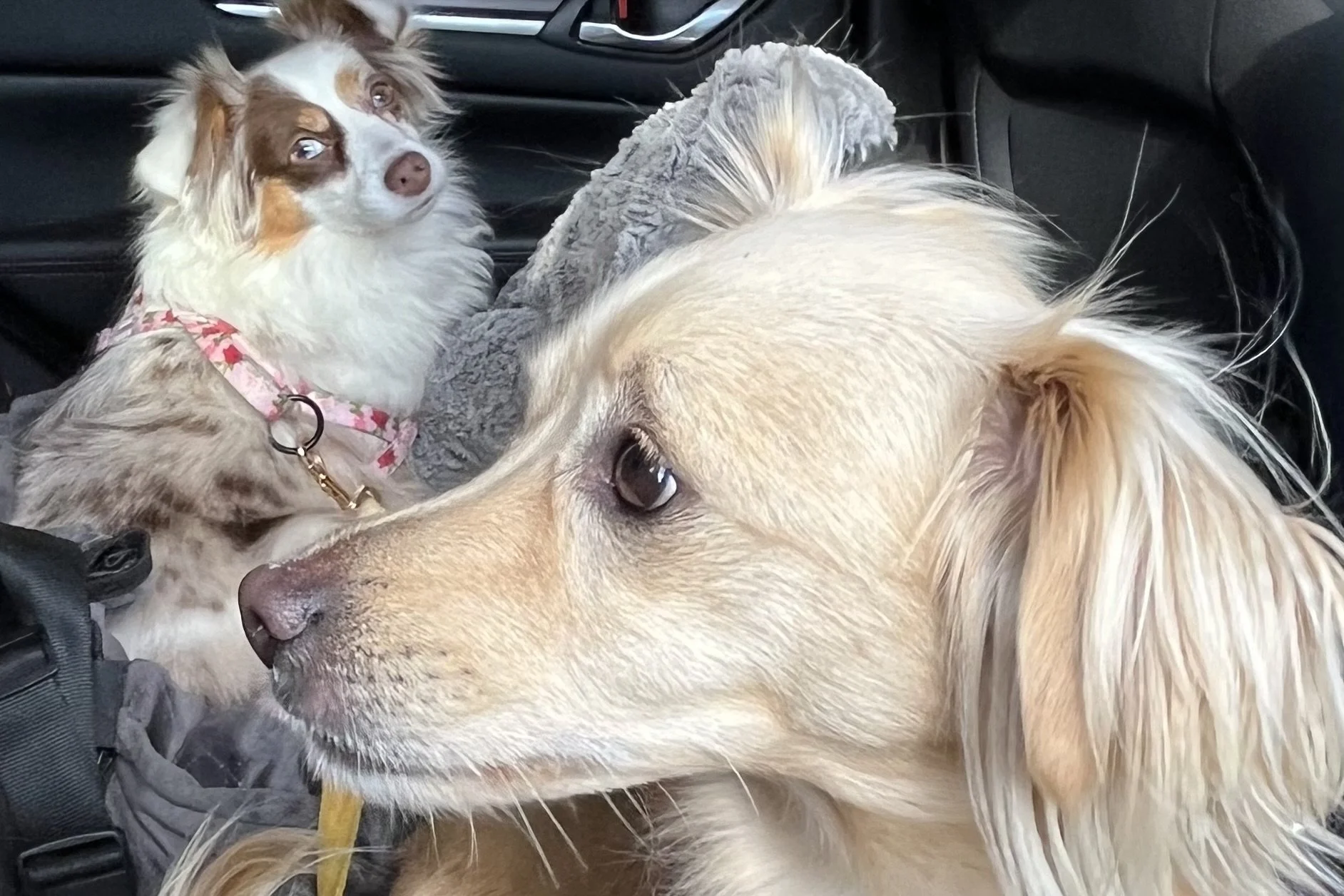
The second the car stops, they’re alert.
For a highly observant dog, that matters.
If I pull off and the environment feels busy or compressed, I don’t push it. I keep going.
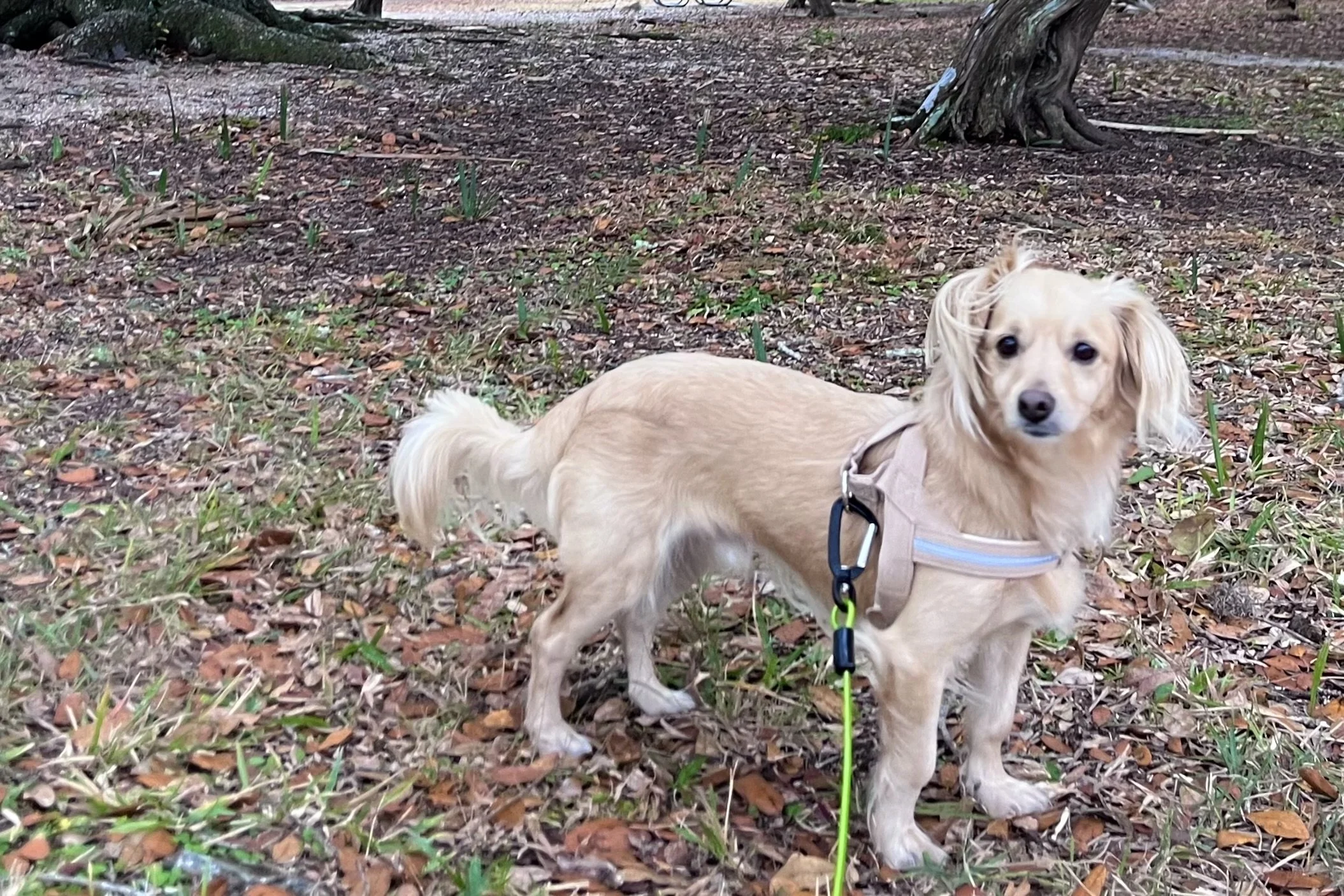
If the space feels busy, we keep moving.
It makes no sense to ask a sensitive dog to relax enough to eliminate in a space that keeps triggering alertness.
Environment matters more than the clock.
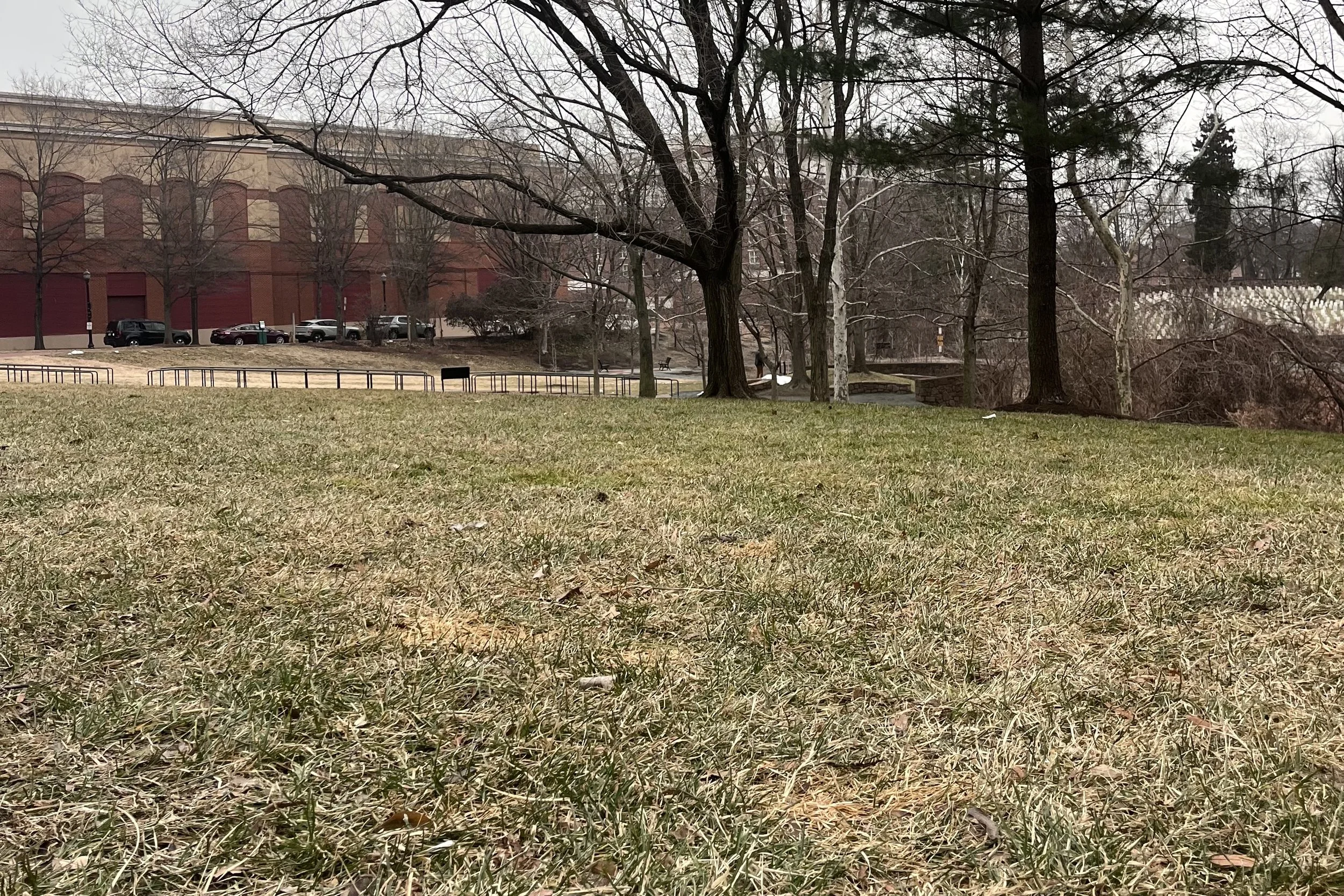
Sometimes the quiet edge is just a little farther from the parking lot.
Why Herding Breeds Often Struggle at Busy Rest Stops
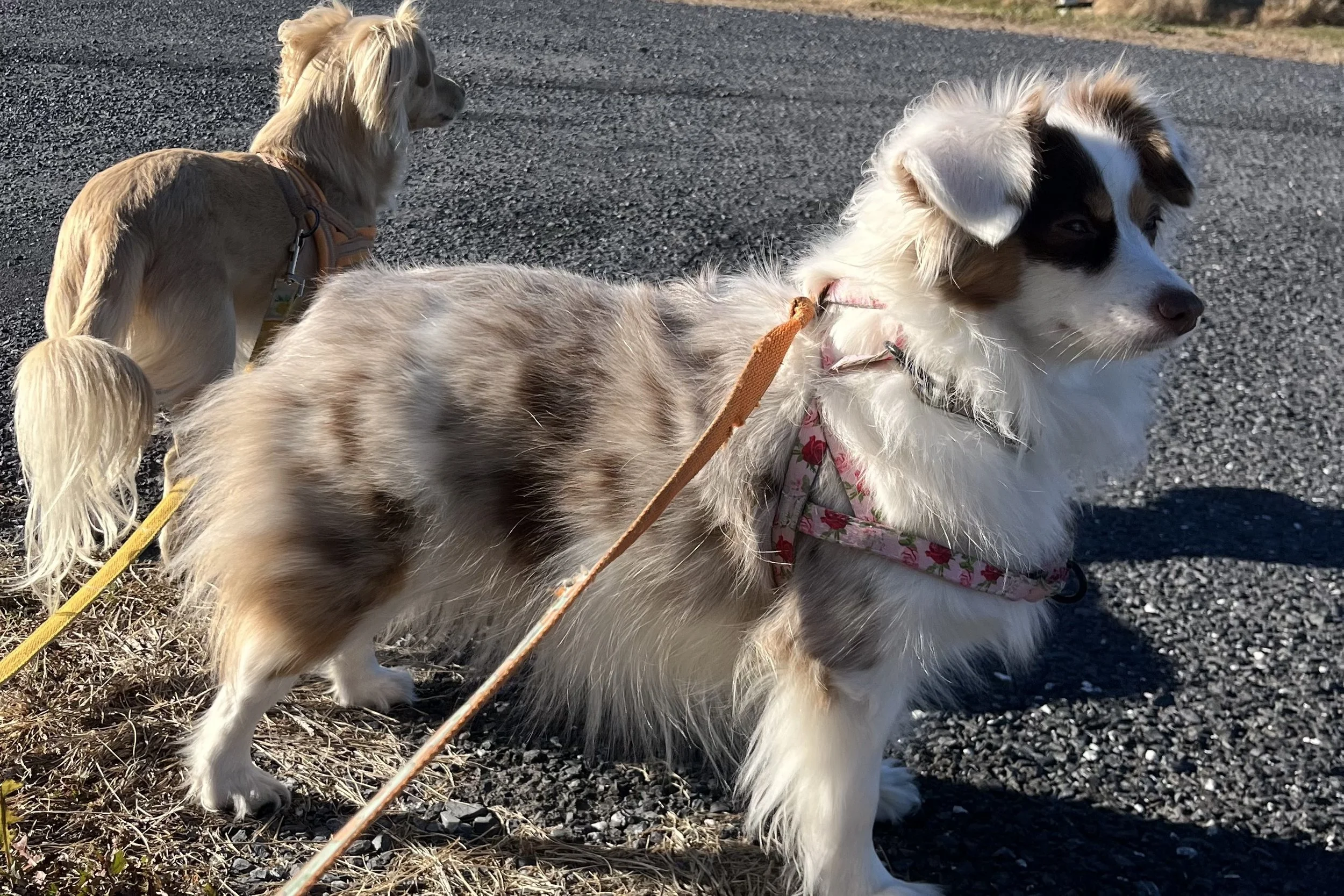
Busy rest stops put observant dogs on edge.
Some small, sensitive dogs — especially herding breeds — are wired to observe first and act second.
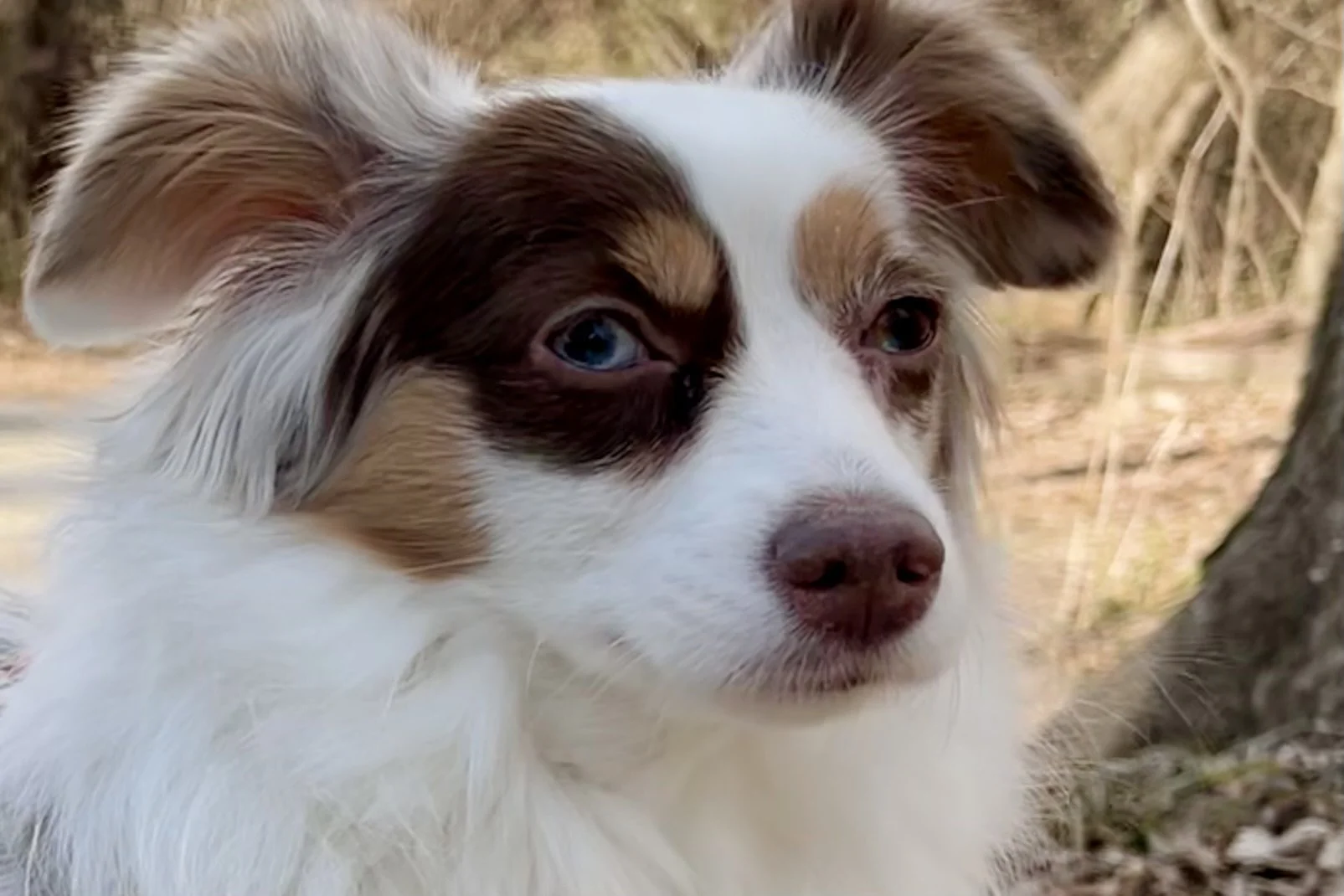
Scanning before settling.
They scan.
They track movement.
They process sound.
At a busy rest area, that heightened awareness can make it difficult to settle enough to go to the bathroom.
When Saydie, my toy Aussie, finally does go, it’s usually in a place where there’s very little to watch or listen to.
That isn’t resistance.
It’s regulation.
If Your Dog Won’t Pee on a Road Trip
If your dog won’t pee at a rest stop, it doesn’t automatically mean they’re being difficult.
Many small dogs — and especially environmentally sensitive ones — will hold it rather than eliminate in a high-alert setting.
In those moments, I don’t escalate the pressure.
I don’t rush.
I don’t tighten the leash.
I don’t turn it into a negotiation.
I change the environment instead.
Sometimes that means walking farther from the parking lot.
Sometimes it means finding a quieter exit.
Sometimes it means driving a little longer.
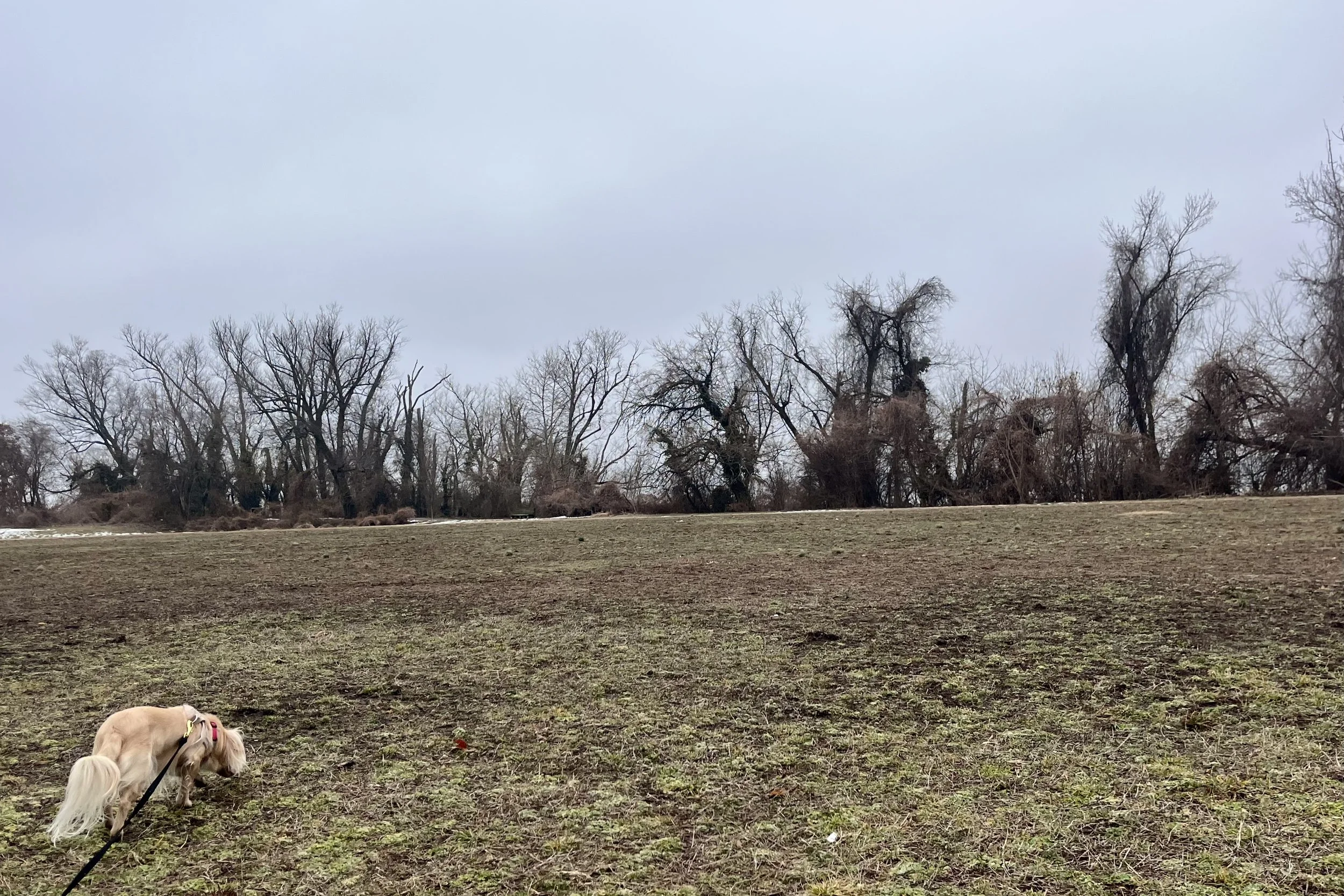
Choosing space first — before asking anything of him.
The goal isn’t to force the moment.
It’s to avoid stacking transitions that push them further out of regulation.
Decision 4: Contain Emotional Spikes
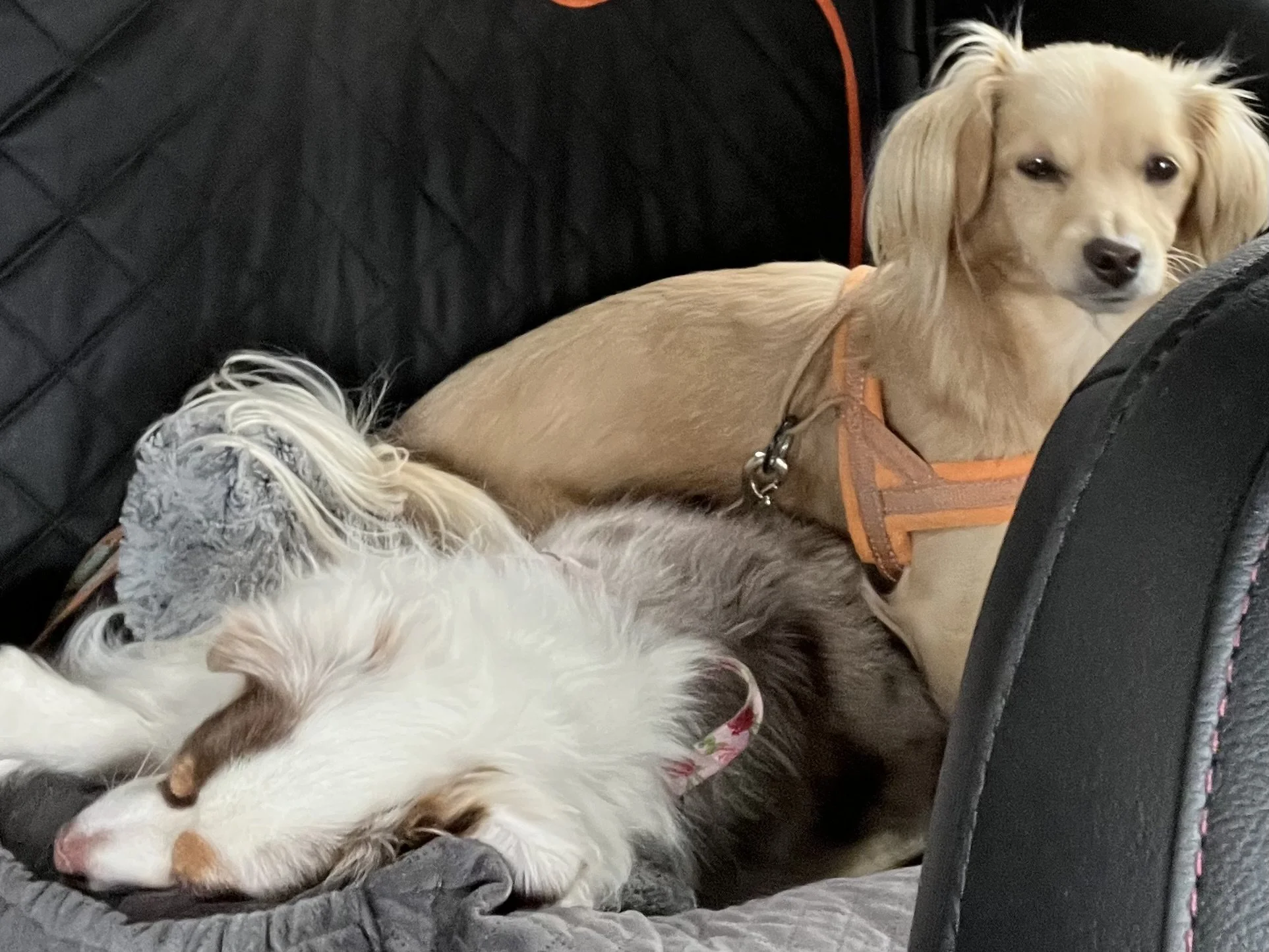
Long drives can quietly wear on them.
On longer road trips, even small, well-conditioned dogs can hit a threshold.
Sometimes that shows up as subtle tension.
Sometimes it shows up as a sensitive stomach.
For Archie, it’s usually only on longer drives.
When it happens, I handle it quietly.
I keep a waterproof back seat cover in place so cleanup is simple.
Paper towels and a small trash bag stay within arm’s reach so I’m not scrambling for supplies if something happens.
I talk to him the same way I always do — calm, steady, reassuring.
It’s okay. We’ll reset.
I don’t turn it into an event.
Because my reaction becomes part of the memory.
If I stay steady, he settles faster.
Small, sensitive dogs don’t need perfection.
They need consistency.
Decision 5: Layer Arrival Slowly
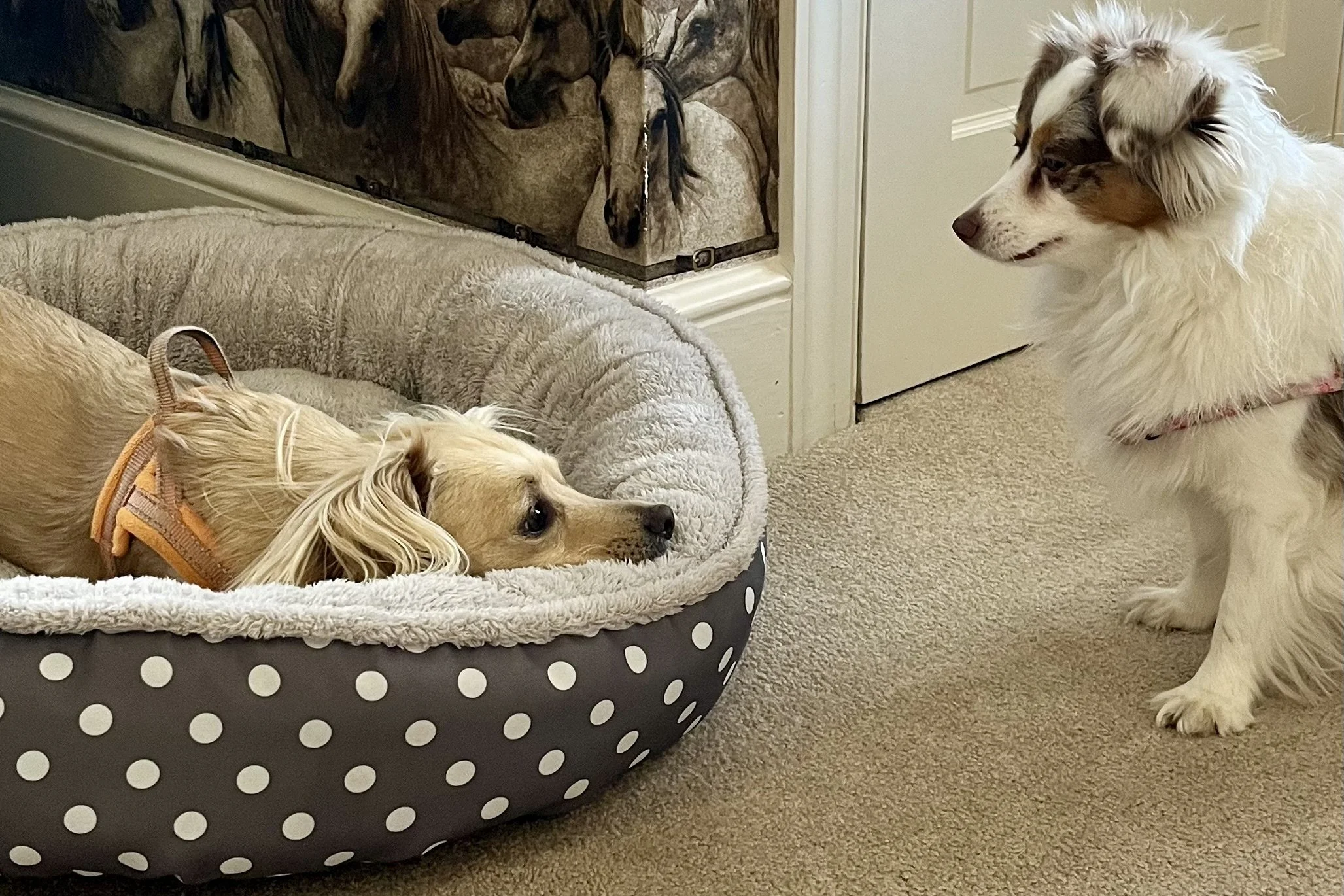
Familiar bed first. Everything else can wait.
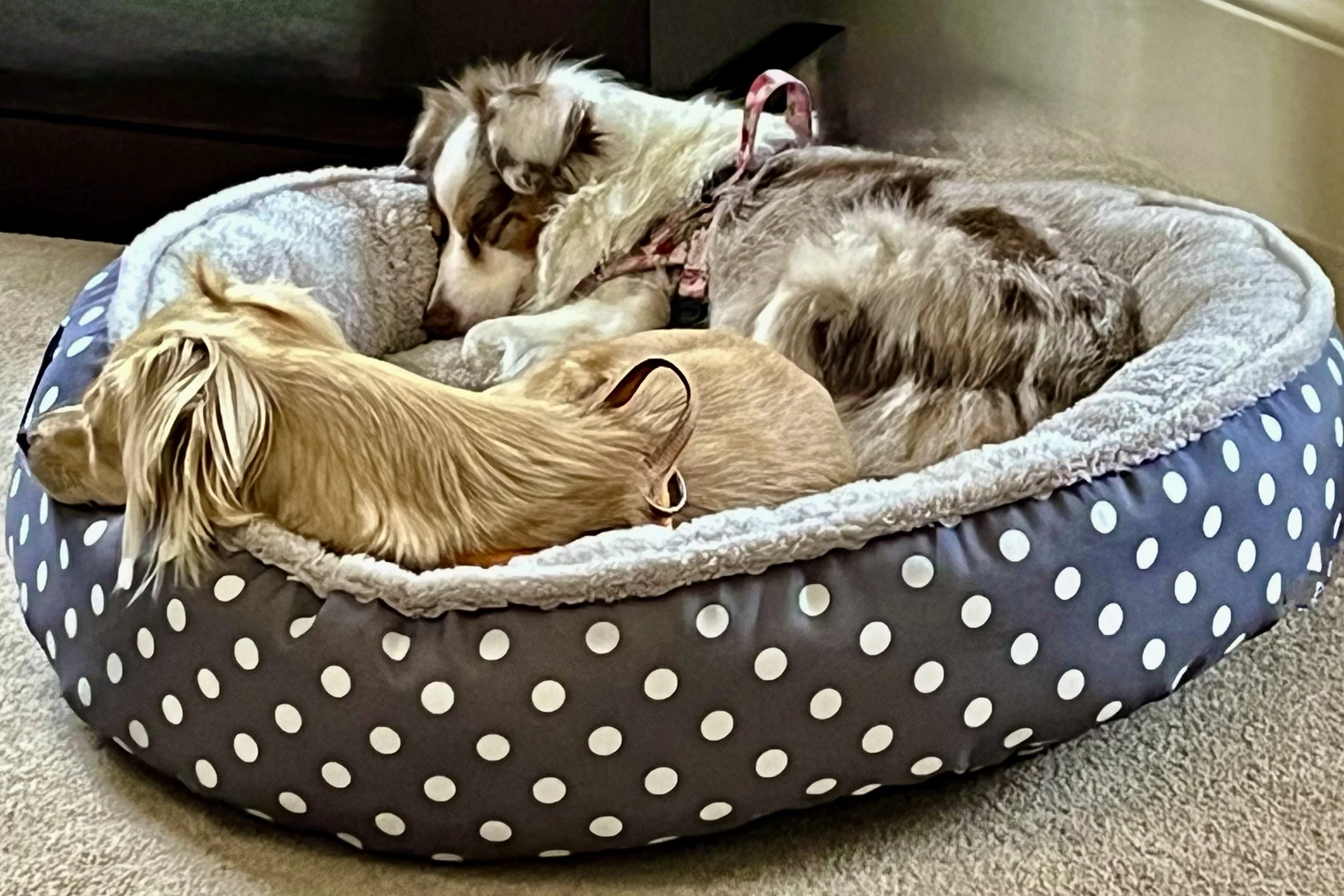
Once the bed is down, they settle.
Arrival is already a transition.
New space.
New smells.
New acoustics.
New surfaces.
For small, sensitive dogs — especially in dog-friendly rentals where other dogs have stayed — that’s a lot of information at once.
So I don’t stack anything else on top of it.
The first thing I do is set up their bed.
Familiar scent comes first.
For Saydie, I’ll also lay out a beef cheek or a yak cheese chew. It’s her go-to when we arrive somewhere new — familiar, steady, and grounding while she settles her nervous energy.
Then I let them wander inside and orient at their own pace.
If we’re in a new space, I’ll put a simple belly band on Archie at first. He can be prone to marking in unfamiliar territory, especially in dog-friendly accommodations where other dogs have been.
It’s not correction.
It’s just management during the adjustment phase.
I bring both of my dogs outside a couple of times so they understand where their bathroom space is.
Once Archie has gone outside and settled, I know he’s clear on expectations.
Only after they’ve oriented do I bring luggage in.
There’s no rush to unpack.
The goal on arrival isn’t exploration.
It’s familiarity.
Frequently Asked Questions About Traveling with Small, Sensitive Dogs
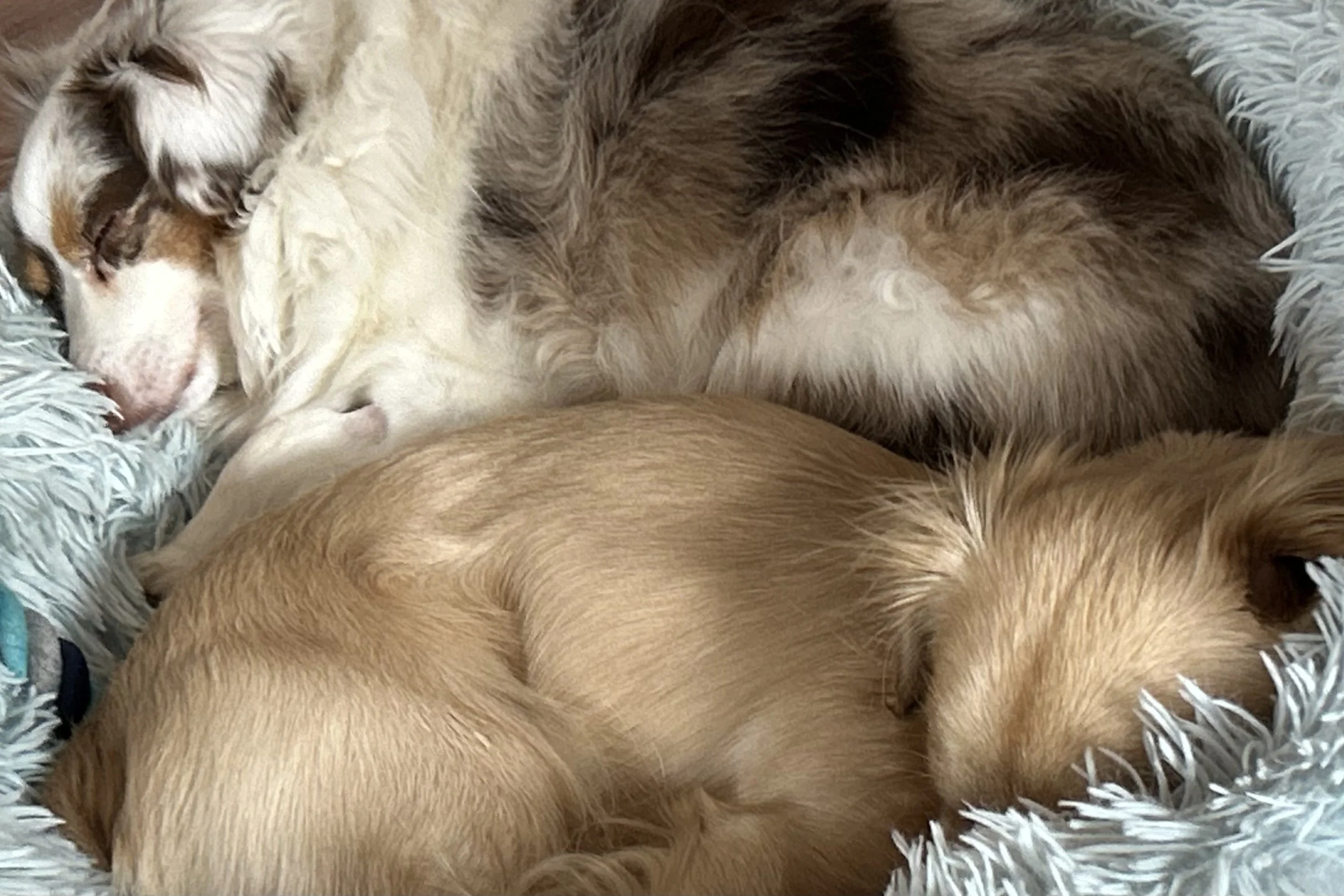
When they finally settle, they sleep deeply.
Why does my small dog sleep so deeply during car rides?
Many small, sensitive dogs regulate well in a moving car. The steady motion and predictable rhythm can feel stabilizing. If your dog wakes calmly and behaves normally afterward, that sleep is usually a sign of comfort — not shutdown.
Why won’t my dog pee at a rest stop on a road trip?
Busy rest stops layer stimulation. Highly observant dogs — especially herding breeds — may stay in alert mode and struggle to relax enough to eliminate. Quieter environments often make the difference.
Do herding dogs get overstimulated more easily when traveling?
Herding breeds are often wired to track movement and process environmental change quickly. In high-stimulation settings, that heightened awareness can make settling more difficult. Travel itself isn’t the problem — stacked transitions usually are.
Is it normal for a dog to seem fine during the drive but tired later?
Yes. Even dogs who sleep in the car are processing constant change. Mental fatigue may show up after arrival or the following day.
How do you prevent marking in a dog-friendly rental?
Management first. A belly band during initial orientation prevents accidental marking. Frequent short outings help establish the bathroom routine quickly.
It isn’t the miles.
It’s the stacking.
Protecting sleep.
Choosing the right bathroom environment.
Staying steady when something goes wrong.
Settling before exploring.
Those decisions are what keep travel calm.
And over time, those steady decisions become the routine they trust.
