
How I Set Up My Home for a Dog Sitter: 10 Ways to Make It Safer and Easier
From securing gates to organizing walking gear, here’s how I make my home easier for a sitter to use while keeping my dogs’ routine familiar.

Dog Sitter Instructions: What to Leave for Your Sitter (With Checklist)
A dog sitter needs to know more than meal times and where you keep the leash. Here are seven things I include in my dogs’ mini guide, plus a worksheet you can fill out for your own dog.
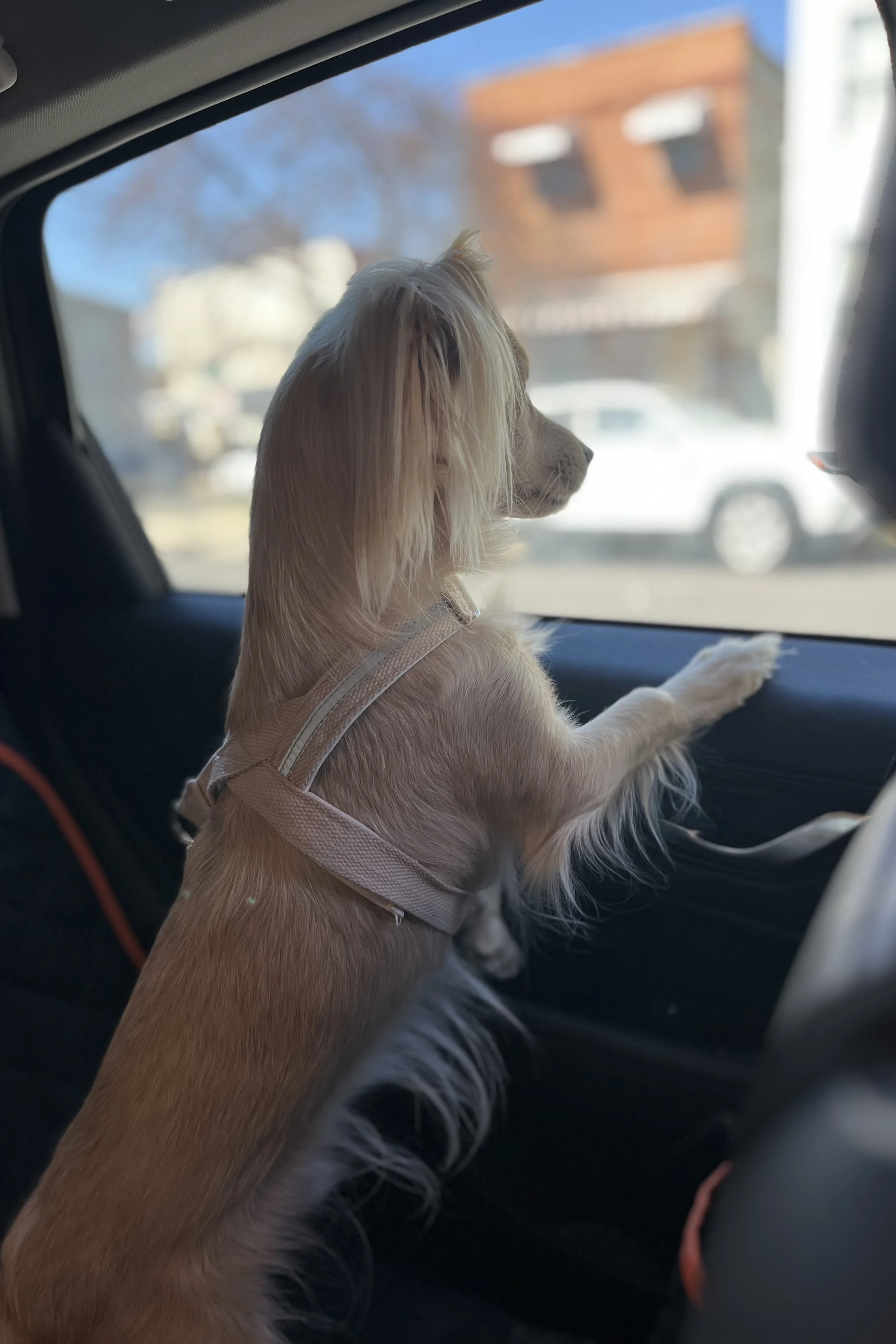
Why Does My Dog Pant in the Car? Anxiety, Excitement & Motion Sickness
Panting in the car can be related to anxiety, excitement, motion sickness or simply how your dog responds to the ride. Here's what I've learned from watching my own two dogs — who experience the exact same car rides very differently.
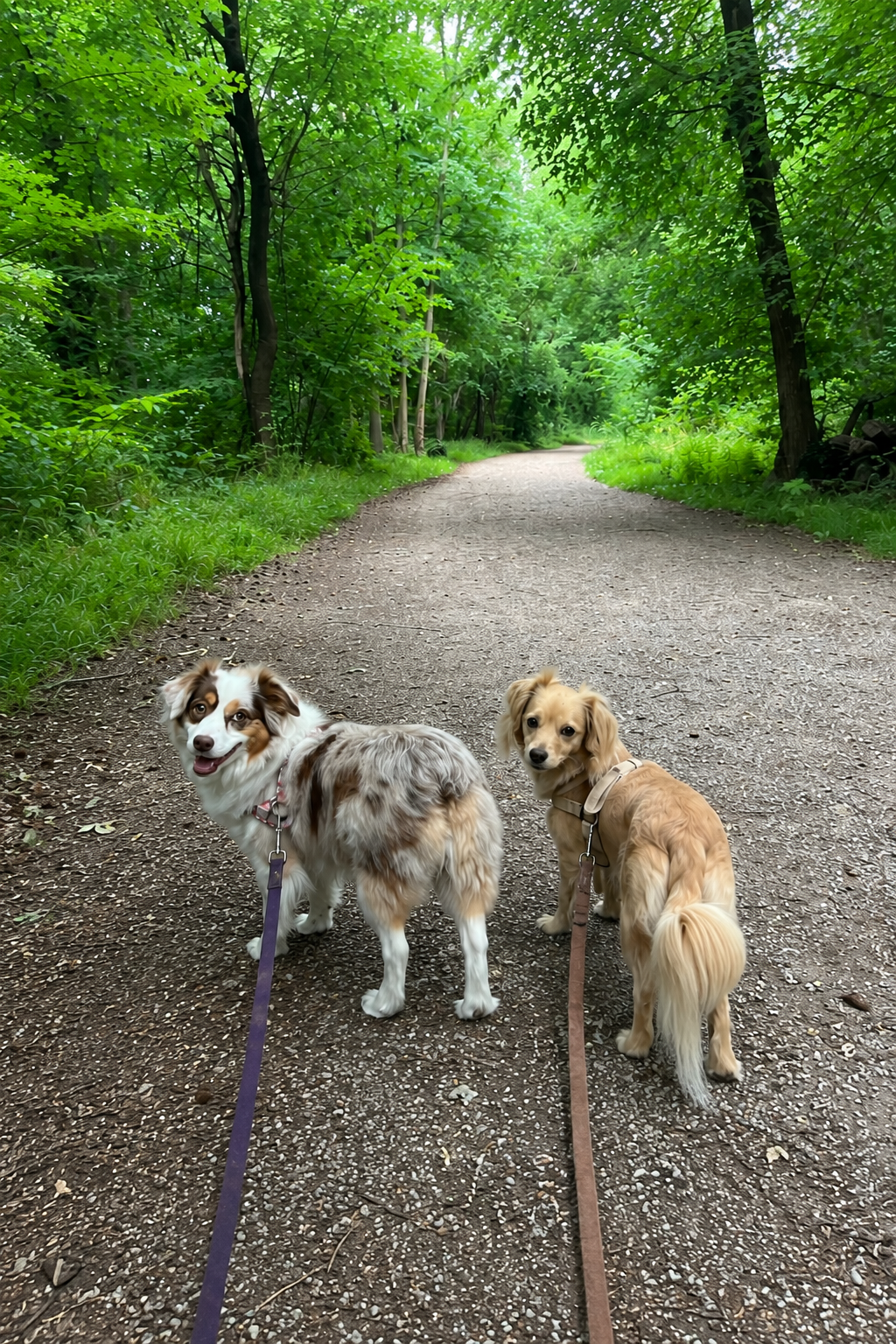
Summer Hiking With Dogs: How I Choose a Trail
Not every wooded trail works well for dogs in summer. Here’s how I check shade, surfaces, passing space, water access, and the quickest way back.
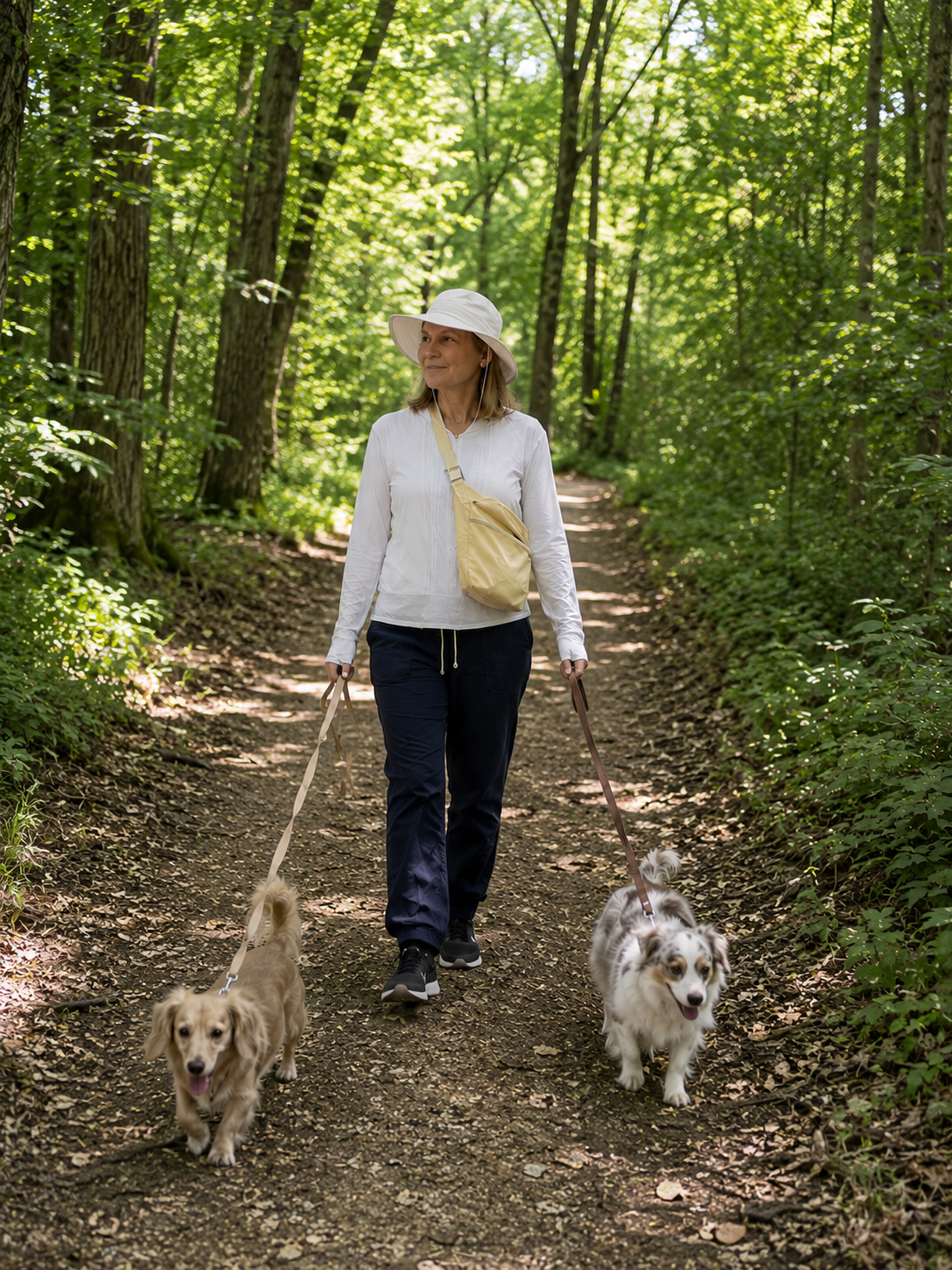
What I Wear on Long Walks With My Dogs
What I wear on long walks with my dogs, from lightweight hiking pants and sun shirts to comfortable shoes, hats, and the small details that make a day outside easier.
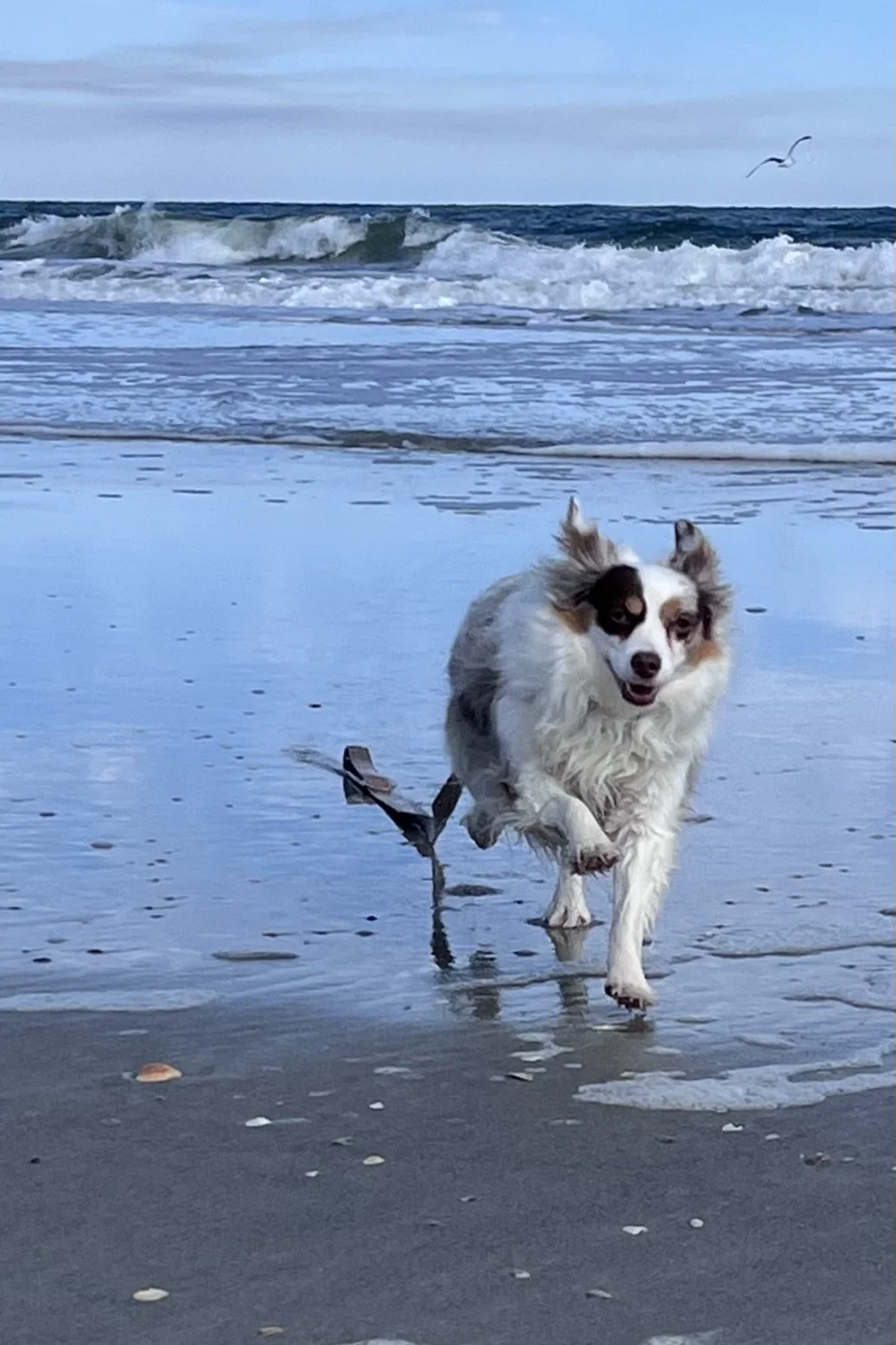
7 Things I No Longer Do When Traveling With My Small Dogs
When I first started taking Archie and Saydie on day trips, I thought doing more would make every outing better. Over time, I realized the opposite was true. Here are seven things I no longer do when traveling with my small dogs—and how those changes have made every adventure more enjoyable.
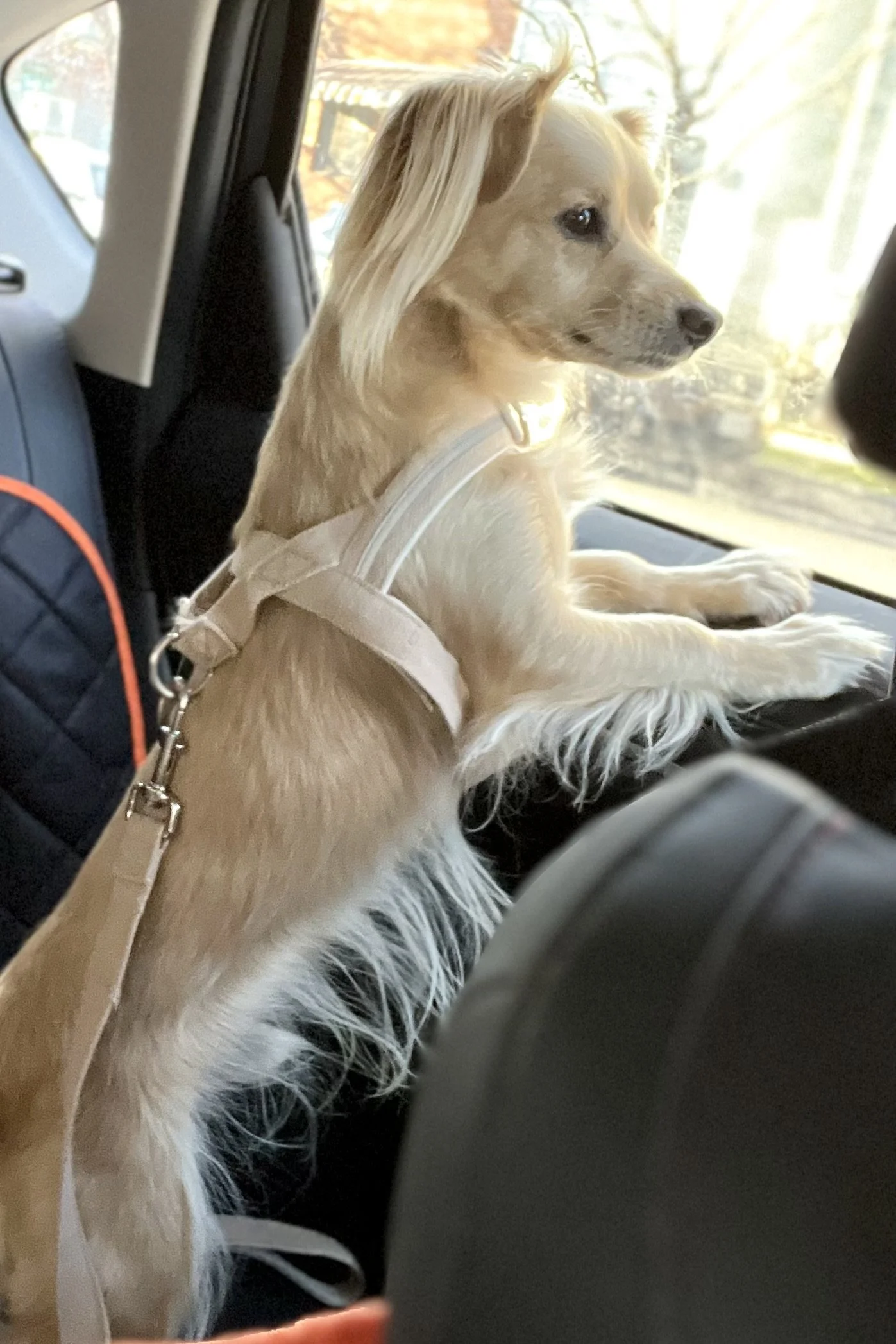
Dog Travel Essentials for Small Dogs: What You Really Need for Day Trips & Road Trips
The dog travel essentials I rely on for day trips and road trips with Archie and Saydie, including harnesses, leashes, travel bowls, car gear, and practical packing tips.
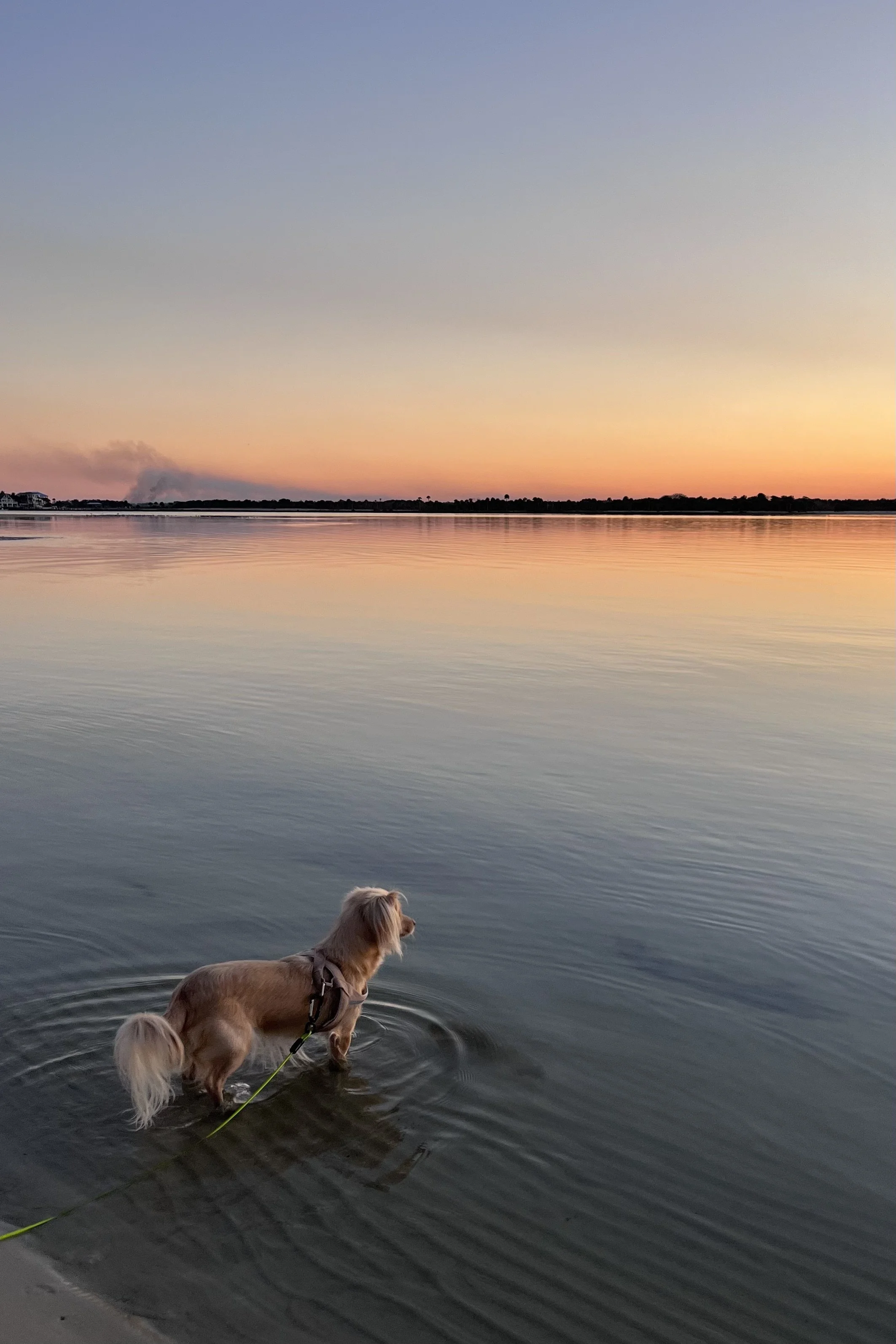
How to Plan Trips That Don't Exhaust Your Dog
Most dog-friendly itineraries focus on where to go. This article explores a different approach: planning each day around your dog's comfort, energy, and the rhythm of travel so every vacation feels more enjoyable from beginning to end.
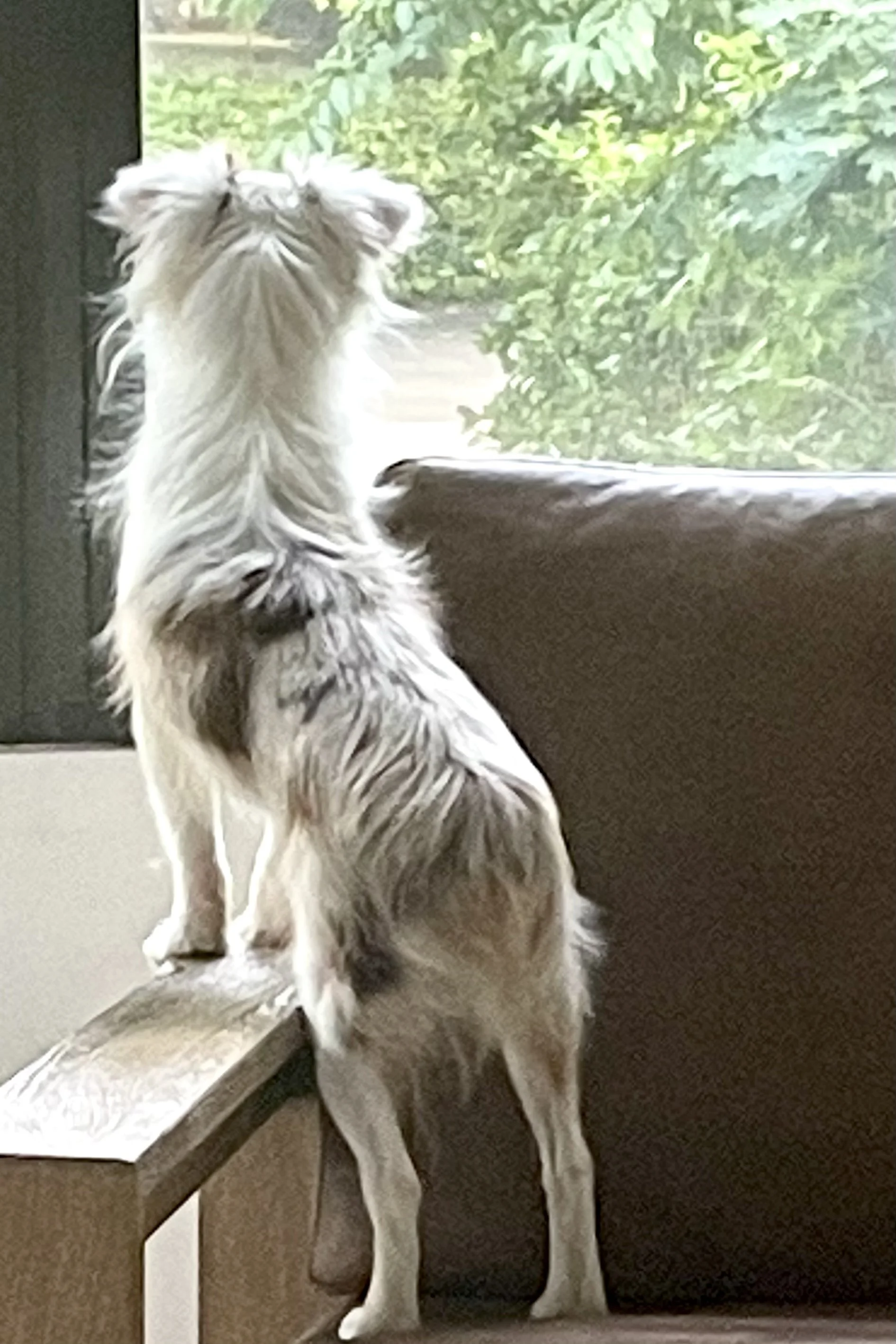
Helping a New Dog Adjust Before Training Begins
Some dogs don't need more training. They need time to feel safe. Here's what Saydie taught me about adjustment, trust, and why progress often starts long before any commands are learned.
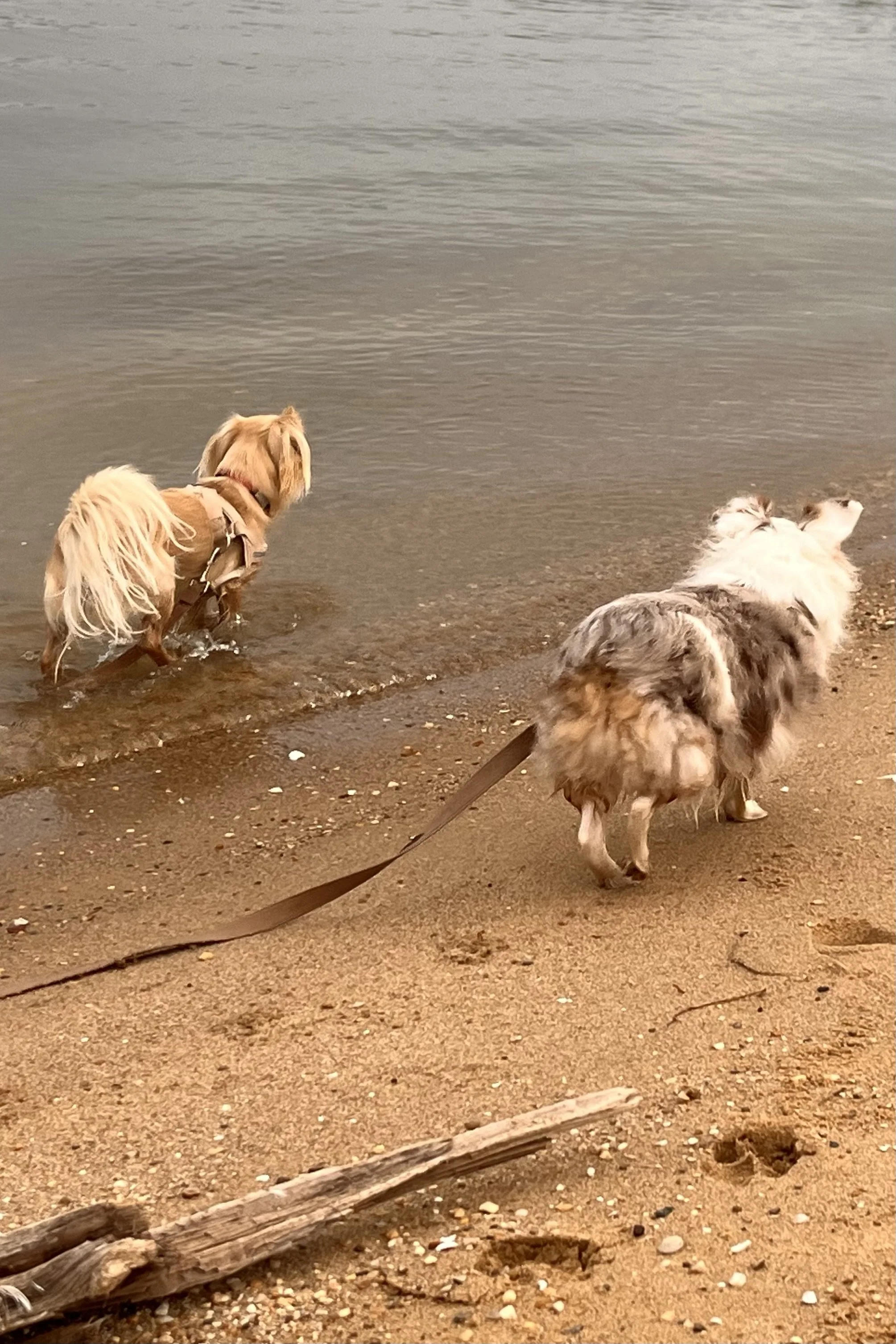
The Difference Between Dog-Friendly and Dog-Enjoyable
Dog-friendly spaces are everywhere, but that doesn't always mean dogs enjoy them. Here's what my dogs have taught me about walks, patios, festivals, and choosing outings from a dog's perspective.
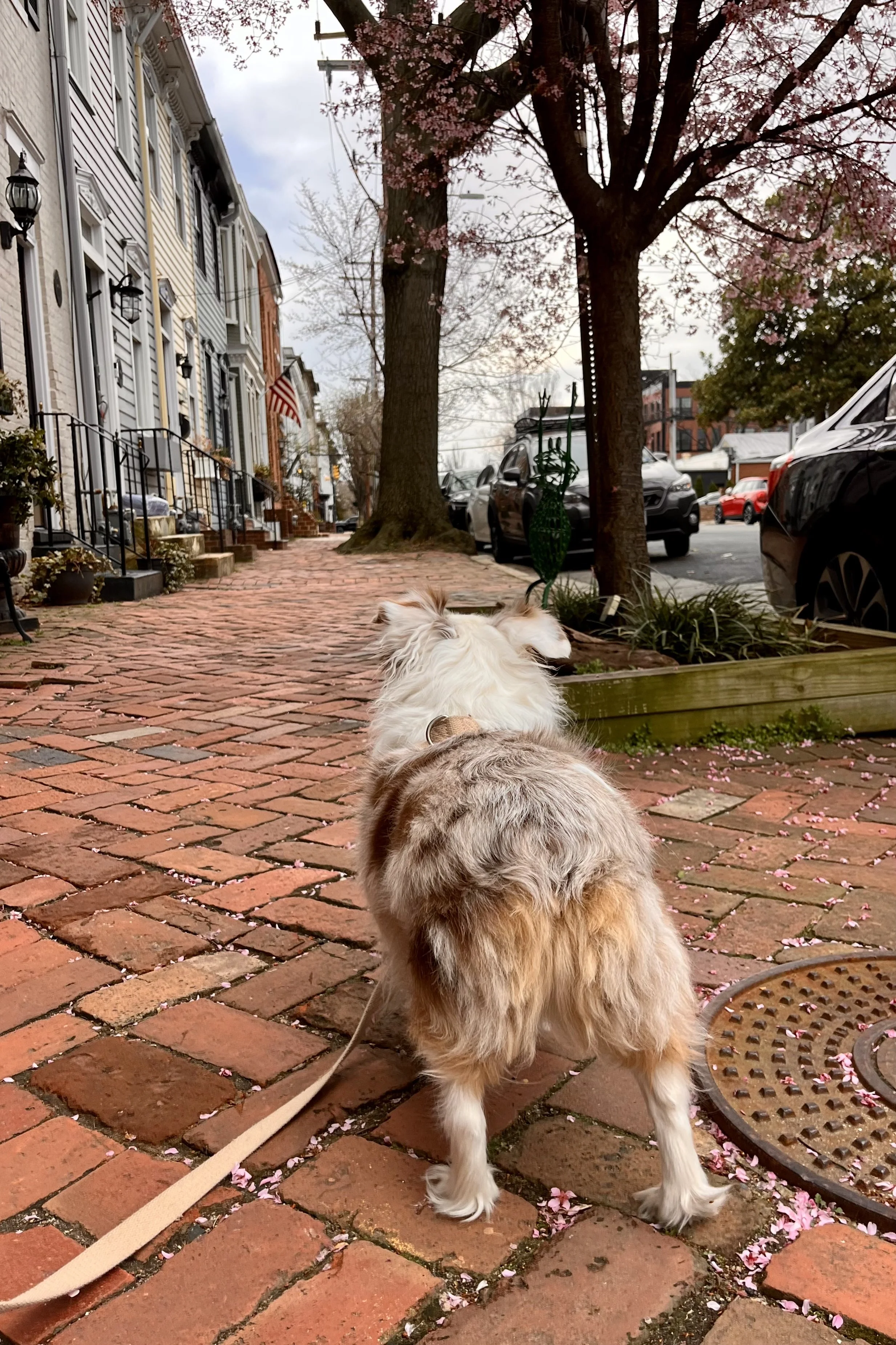
Why Some Days Out With Dogs Feel So Much Easier Than Others
Sometimes the difference between an easy outing and a difficult one has very little to do with where you go. Over time, I've learned that recognizing when my dogs are quietly reaching their limit often matters more than the destination itself.

Why Some Dogs Still Seem Wound Up After a Full Day of Activity
Some busy days seem to stay with dogs long after the outing itself ends. Over time, I started noticing that mentally busy days — filled with crowds, traffic, heat, unfamiliar places, constant movement, and environmental change — sometimes affected my dogs very differently than straightforward physical exercise alone.