Helping a New Dog Adjust Before Training Begins
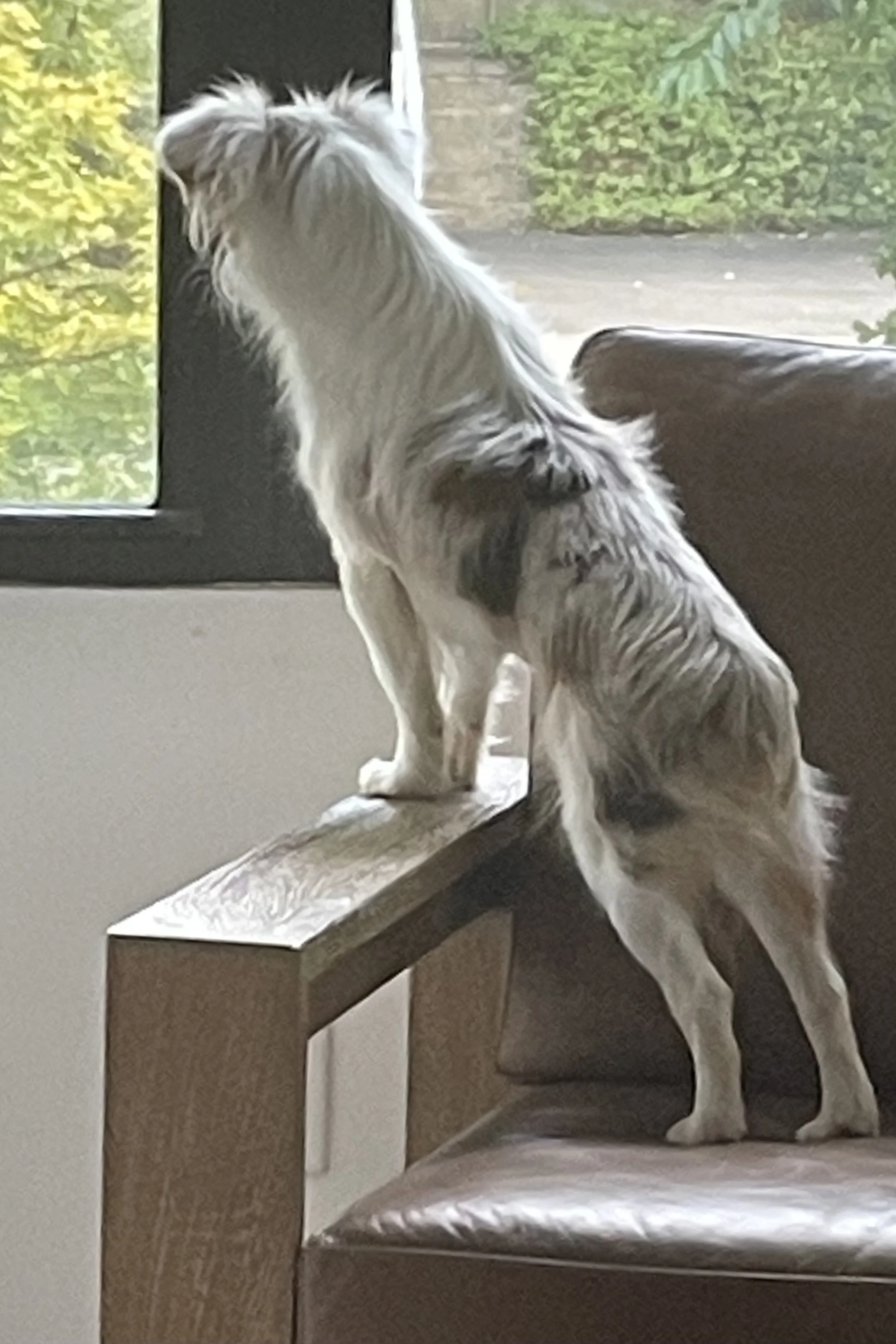
In those early months, Saydie was constantly watching and assessing her surroundings.
When I brought Saydie home, I imagined we'd spend our first weeks getting to know each other while working on the basics. We'd practice walking on a leash, learn a few simple commands, and slowly settle into a routine together.
Instead, I brought home a dog who seemed afraid of the world.
A dog sitter who knew her during that first year once described her that way, and I've never forgotten it. It captured exactly how she moved through those early months.
She had no experience walking on a leash. As soon as she felt it, she'd panic. Instead of taking a step, she'd twist and roll in what many rescuers call an "alligator roll," desperately trying to escape the unfamiliar sensation.
Doorways seemed just as frightening. She would stop completely at the threshold, unable to take another step. Sometimes I had to give a gentle, intentional tug on the leash just to help her discover that the other side was safe.
Most of the day, she hid under my bed.
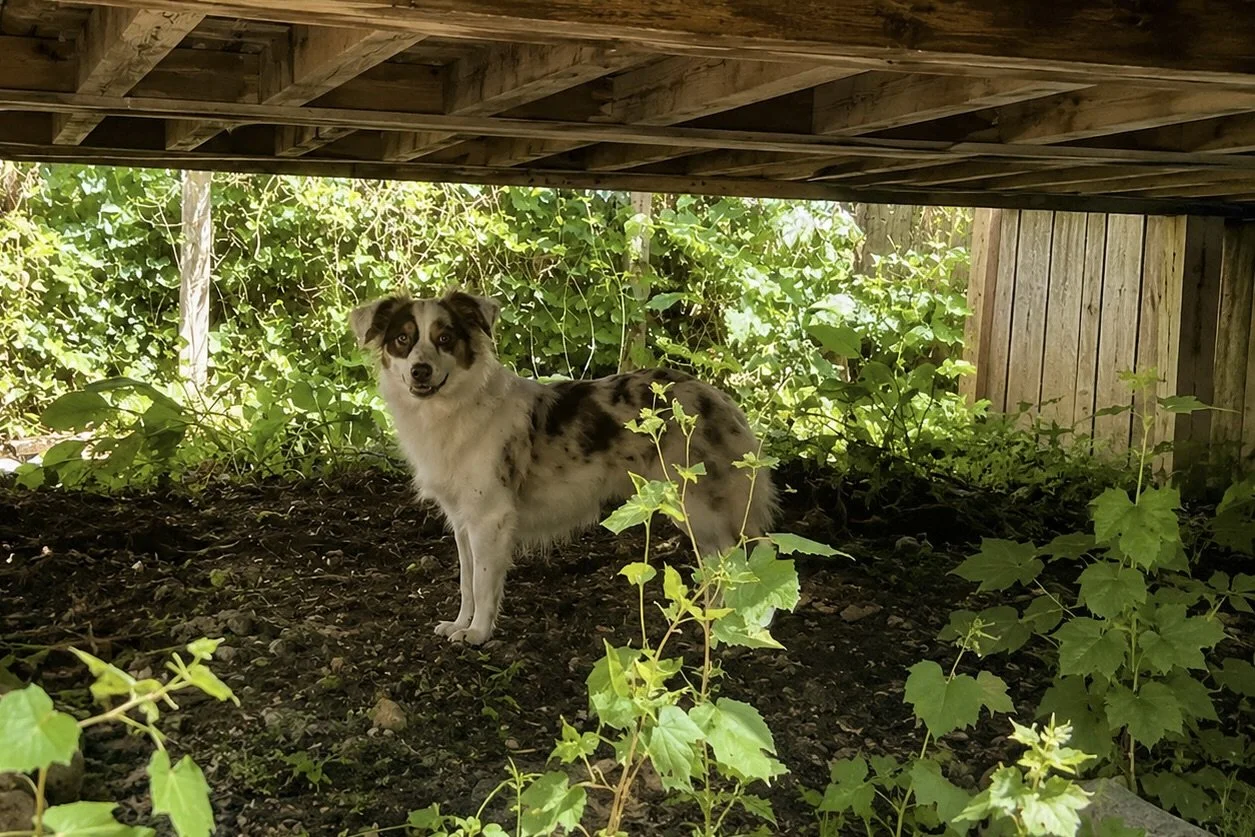
This was one of Saydie's favorite hiding places during her first weeks after I brought her home.
It became obvious that the things I had imagined we'd be working on weren't the priority. Before we could think about recall, sit, stay, or learning to walk comfortably on a leash, Saydie first needed to adjust to an entirely different life.
Adjustment Came Before Training
Looking back, I realize Saydie had been telling me what she needed all along.
She wanted very little physical contact with me in the beginning. A trainer suggested something simple. At mealtimes, I sat on the floor with kibble in my hand. Instead of dropping it into a bowl, I held each piece just firmly enough that Saydie had to make the smallest bit of physical contact with my hand to take it.
It wasn't really about the food. It was about helping her become more comfortable with physical contact, one tiny interaction at a time.
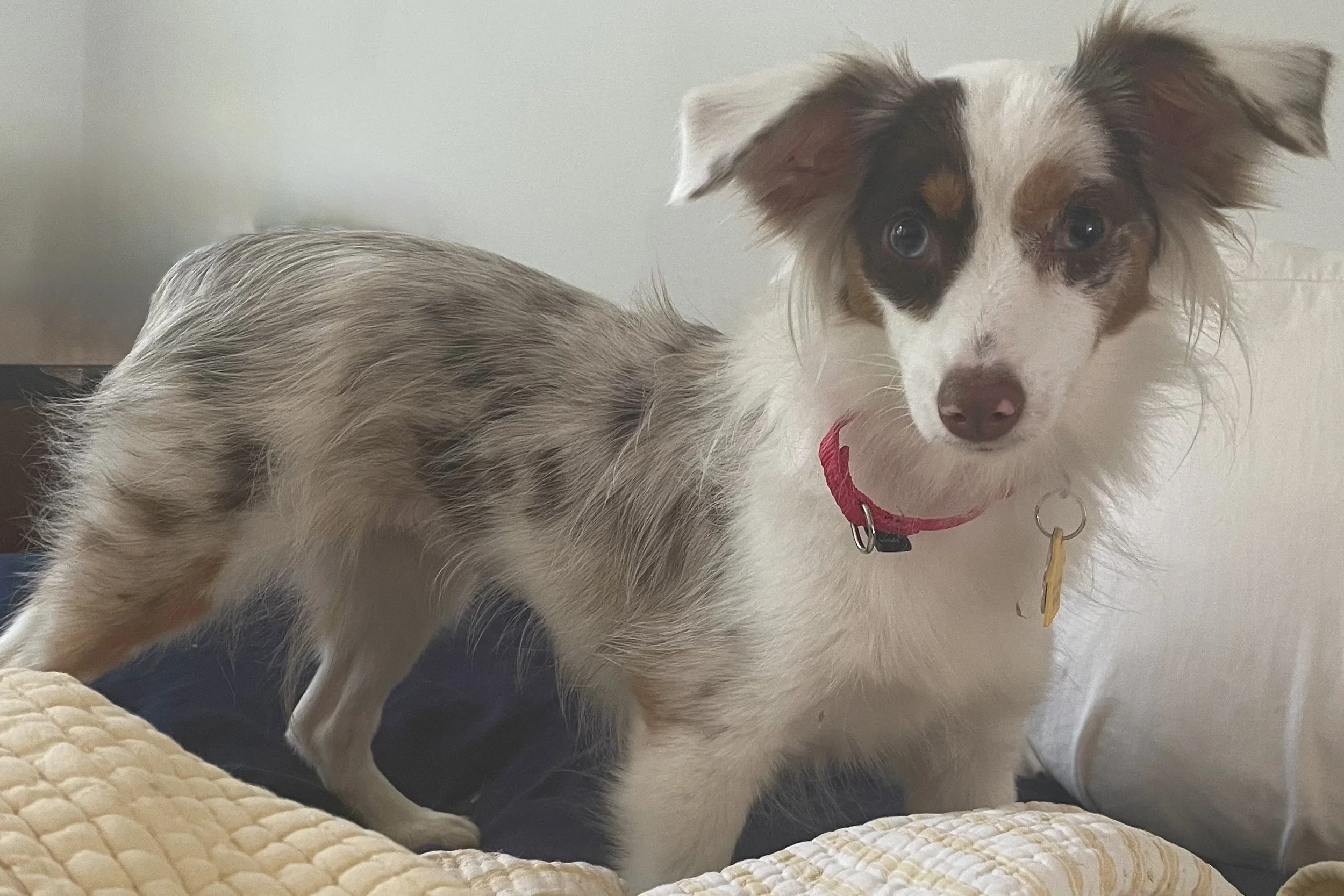
During those first weeks, Saydie spent much of her time looking uncertain as she adjusted to an entirely new world.
Walks were just as different from what I expected. For the first few months, we didn't even make it down the street. We wandered around the front yard, letting her look, sniff, and slowly become familiar with the world just outside our front door.
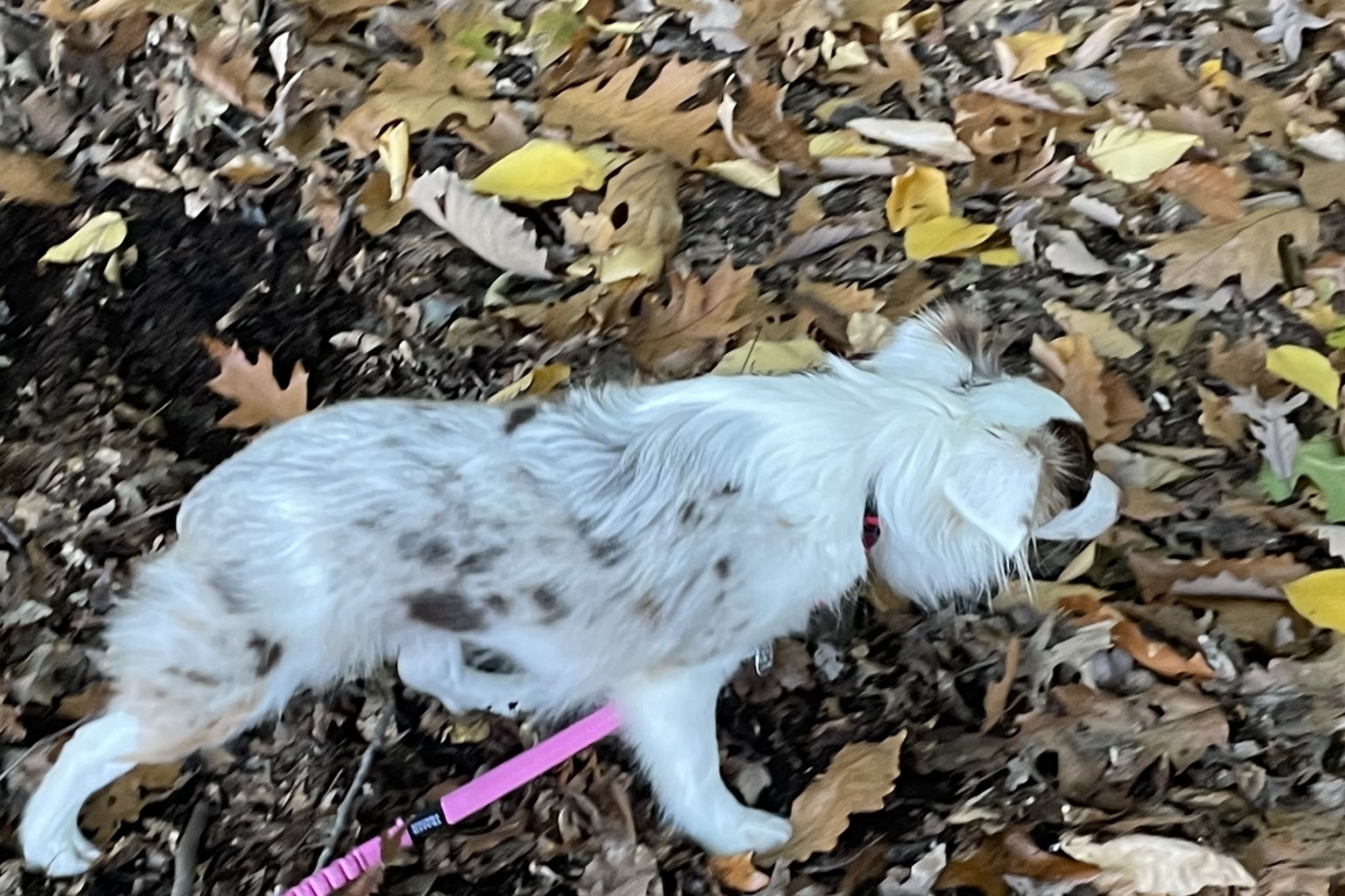
Many of our first walks were simply slow wanderings, giving Saydie time to experience the world at her own pace.
Progress wasn't measured by how many commands she knew. It was measured by things that probably seemed insignificant to anyone else.
Walking through a doorway without freezing.
Coming out from under the bed before bedtime.
Taking food from my hand without hesitation.
Making it a few more steps down the sidewalk than the day before.
None of those things looked like training, but they were exactly the things that made learning possible later.
Learning a New World
Adjustment isn't just about learning a new house. It's about becoming familiar with a completely new world.
For Saydie, everything was different. She had a new home, new people, a different place to sleep, new food, a new neighborhood, new walking routes, and new routines.
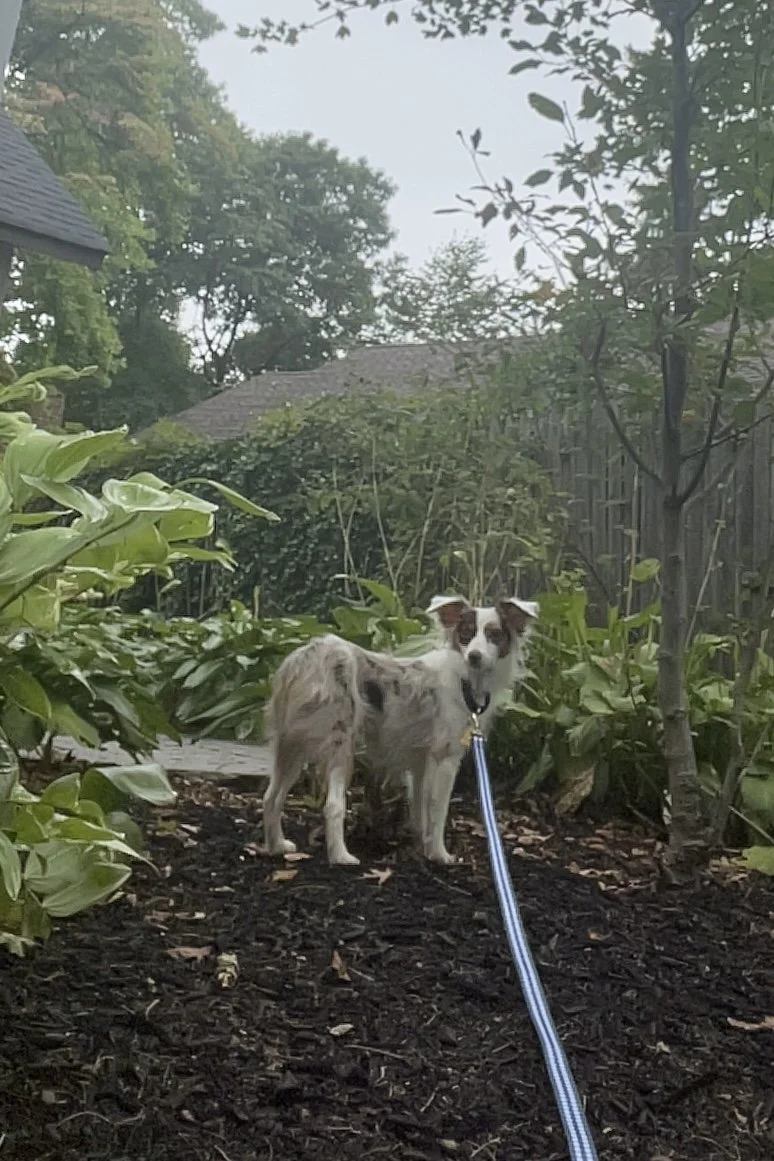
In those early weeks, even quiet moments outside kept Saydie on high alert.
Even the sounds were unfamiliar.
Years later, when we moved from New York to Old Town Alexandria, I saw the same process happen again with both dogs.
At night, after everything had settled down, the refrigerator would cycle on. Both dogs would immediately lift their heads. It was just the sound of the motor, but it wasn't a sound they had heard before.
The same thing happened with airplanes overhead, delivery trucks, distant sirens, and the everyday sounds of a neighborhood that was very different from the one they had known.
None of those sounds needed training.
They simply became familiar.
Today, they sleep through those sounds without even lifting their heads.
Watching that happen reminded me that adjustment isn't one big event. It happens through hundreds of small experiences that gradually stop feeling new.
Watching Instead of Teaching
At some point, I stopped thinking about what I wanted to teach Saydie and started paying attention to what she was telling me instead.
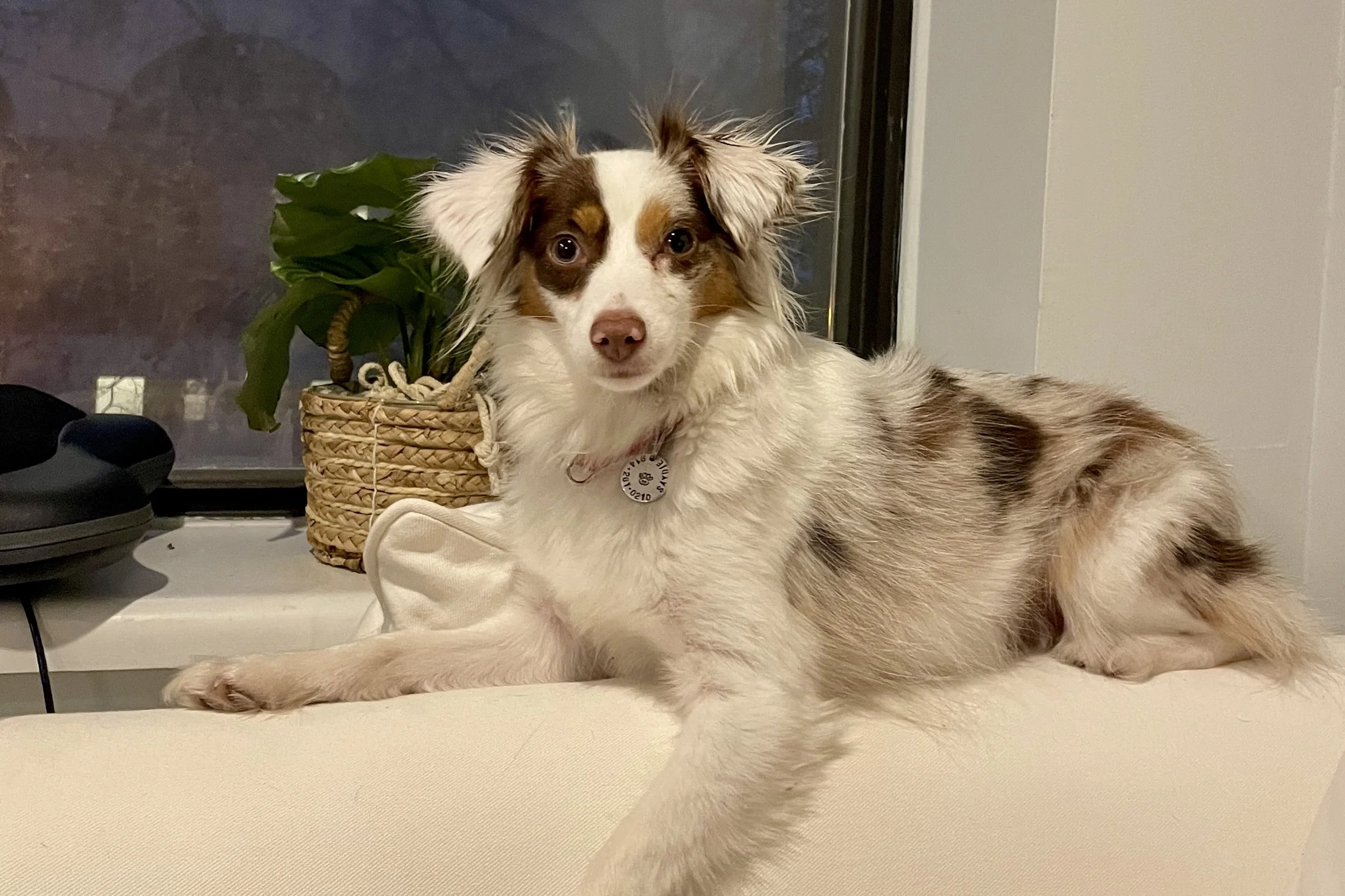
Over time, everyday life became less about coping and more about living.
Was she eating? Was she sleeping? Was she willing to leave the bedroom? Could she walk through a doorway? Could she make it a little farther down the sidewalk than yesterday?
The more time I spent simply living with Saydie, the more she showed me what mattered.
The dog usually tells you what the priority is.
Our job is to notice it.
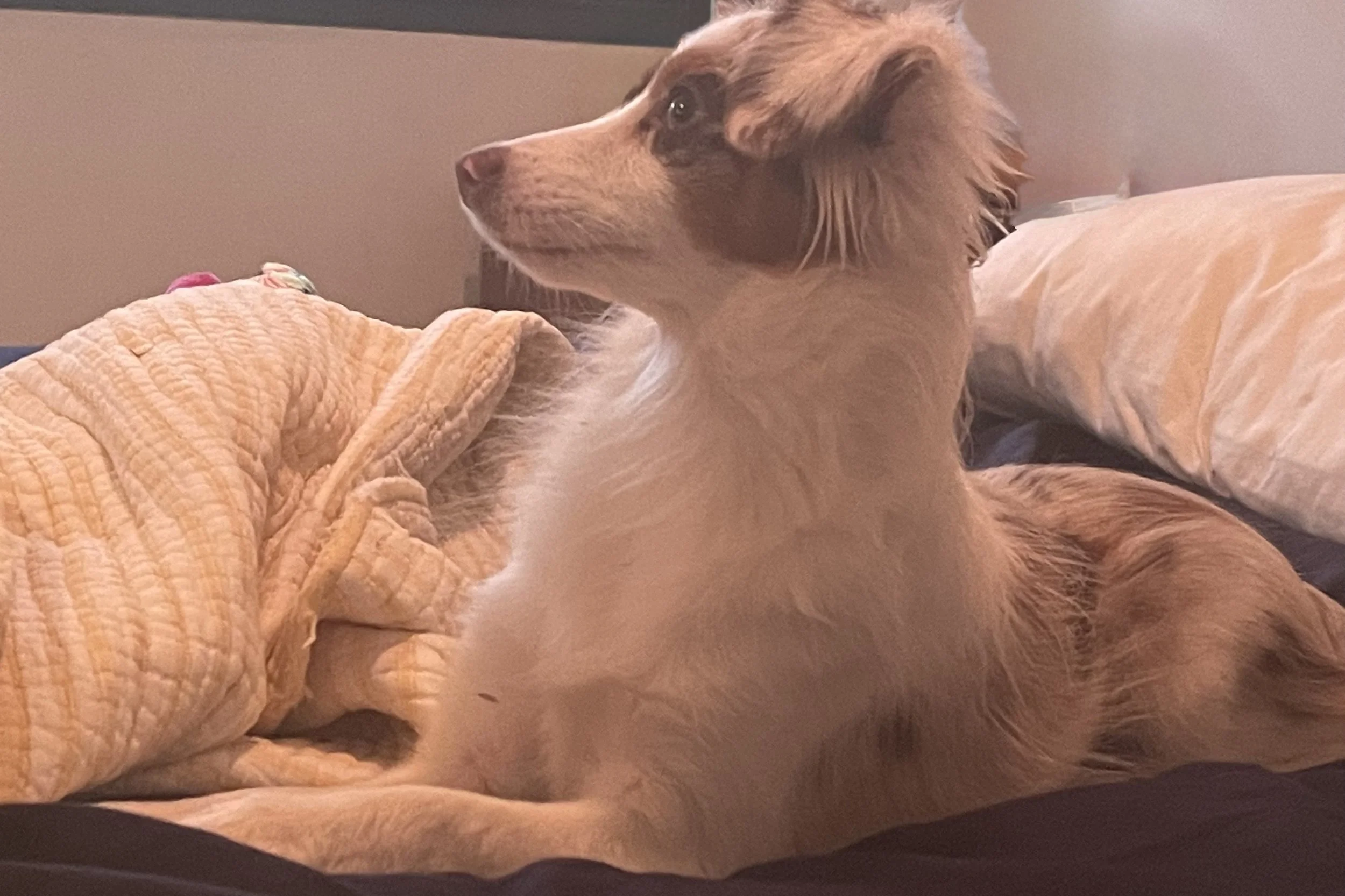
During those first weeks, truly relaxing didn't come easily.
Slowly, those little changes began to add up.
She spent less time hiding and started exploring other rooms. She was finally willing to walk on a leash, even though she stayed tucked tightly behind my legs, following me like a shadow everywhere we went. She wasn't trembling as often.
One change I almost missed came when she was asleep.
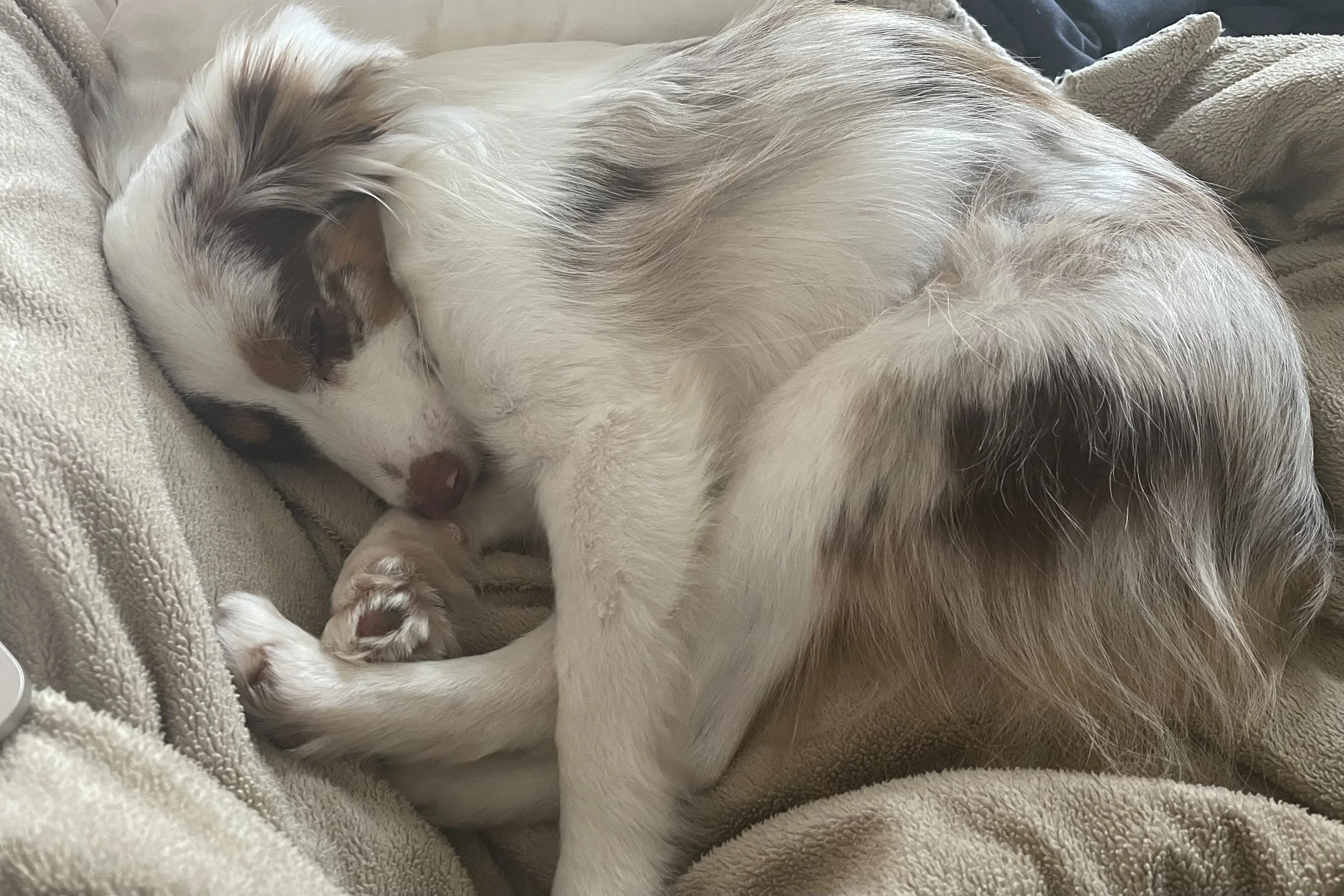
Over time, Saydie began to rest more comfortably at home, no longer feeling the need to stay on guard every moment.
When she slept, she no longer kept herself turned toward me. Instead, she rested with her back to me. She no longer felt the need to keep me in sight while she slept.
It was a tiny change, but to me it meant she finally felt comfortable enough to close her eyes without needing to keep track of where I was.
That wasn't a training milestone.
It was one of the first signs that she finally felt at home.
Adjustment Isn't Just for Rescue Dogs
Although Saydie taught me this lesson, it doesn’t only apply to rescue dogs.
Every dog goes through periods of adjustment, whether they're leaving their littermates, moving to a new home, relocating to a different city, staying at a boarding kennel, or traveling somewhere unfamiliar.
The circumstances are different, but the experience is often similar. Their surroundings, routines, and even the sounds, smells, and people around them all change.
Before we expect dogs to learn something new, it's worth remembering that they're often still learning about the world around them.
One of the hardest parts is not knowing what's normal.
When I brought Saydie home, I had no idea whether hiding under the bed, refusing to walk through doorways, or panicking on a leash were things that would improve with time or simply who she was going to be.
It's easy to look at the dog in front of you and assume that's the dog you'll always have.
But you may simply be looking at a dog who's still adjusting.
Over the years, I've noticed the same pattern in many different situations. Sometimes what looks like stubbornness is simply a dog trying to process an unfamiliar environment.
I've seen it after boarding stays, weekends away, long day trips, and even moves to a new home. Dogs may sleep more, eat differently, or seem quieter than usual while they settle back into their normal routine.
We Adjust Too
One of the biggest surprises wasn't how much Saydie changed.
It was how much I changed.
My previous dog loved being held. He wanted to be as close to me as possible whenever he had the chance.
Saydie was completely different.
She didn't want to be picked up. She wasn't interested in cuddling, and trying to force affection only made her more uncomfortable.
I had to let go of the relationship I thought we were going to have.
Instead, I had to pay attention to the relationship she was showing me she needed.
That meant giving her choices whenever it was safe to do so—letting her decide when to approach me, respecting the amount of physical contact she was comfortable with, and accepting that affection doesn't look the same in every dog.
Over time, she became deeply attached to me, just not in the way I had expected.
The tiny dog who wanted nothing to do with me during those first weeks eventually became the dog who quietly followed me from room to room like a shadow.
She still isn't especially cuddly.
But she doesn't need to be.
She's exactly who she is.
Looking Back
If you've recently brought home a nervous dog, it's easy to wonder whether things will ever get better.
I remember feeling that way with Saydie.
Looking at the dog hiding under my bed, I couldn't imagine that one day she'd quietly follow me from room to room or sleep with her back to me. At the time, all I could see was the dog she was that day.
The changes weren't dramatic. They happened so gradually that I almost didn't notice them. One day she hesitated a little less. Another day she ventured into another room. At some point she stopped reacting to familiar sounds. Eventually, she slept with her back to me.
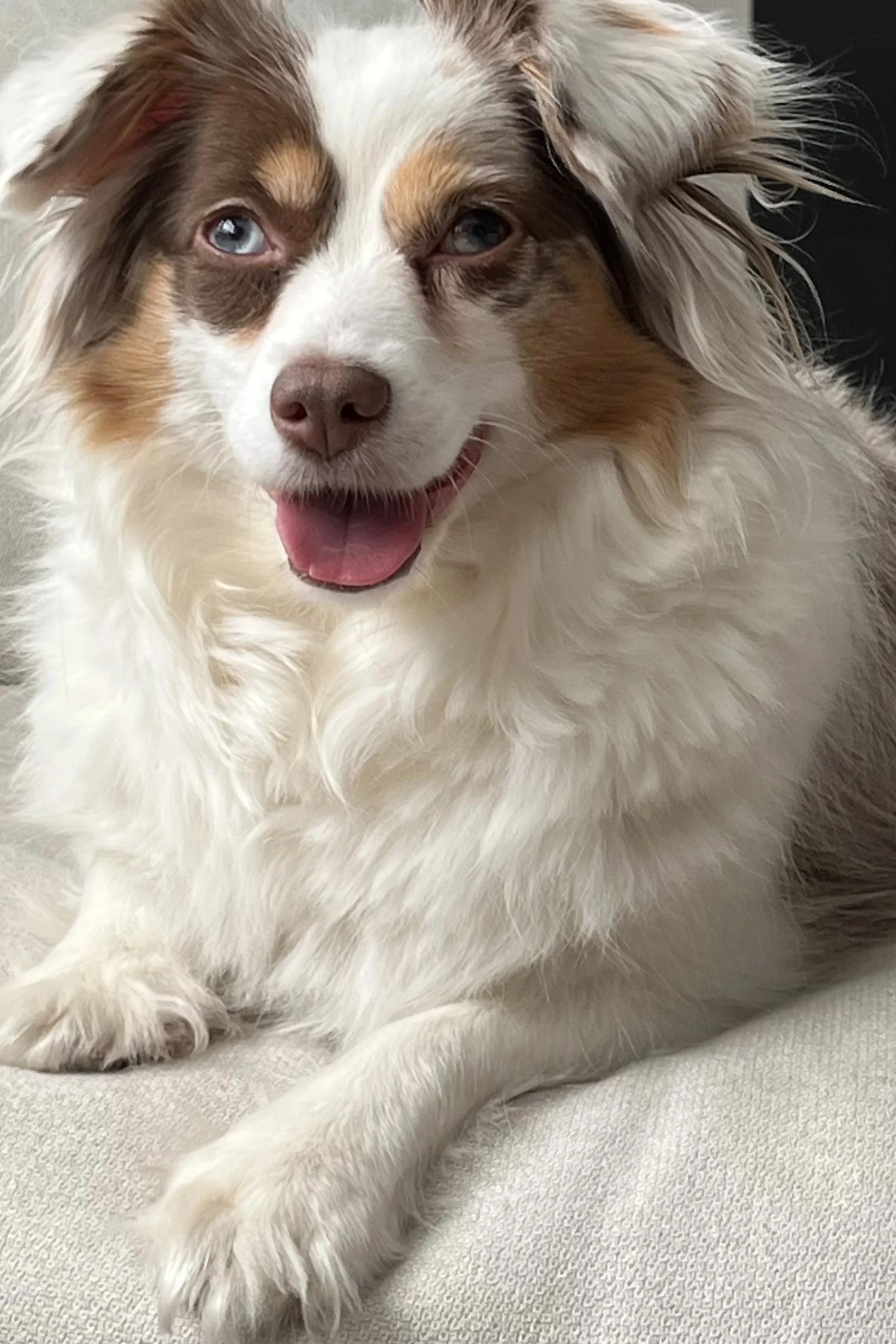
Over time, Saydie learned that home didn't always have to feel uncertain. Today, the moments I treasure most aren't the exciting ones—they're the quiet ones, when she's completely relaxed.
Looking back, I don't think the first thing Saydie learned was how to walk on a leash.
I think the first thing she learned was that she was home.
Enjoy calmer adventures with your dog.
Join Wandering Pup Travels and I'll send my newest discoveries, seasonal walks, practical travel tips, and dog-friendly destinations straight to your inbox.
