Why Some Days Out With Dogs Feel So Much Easier Than Others
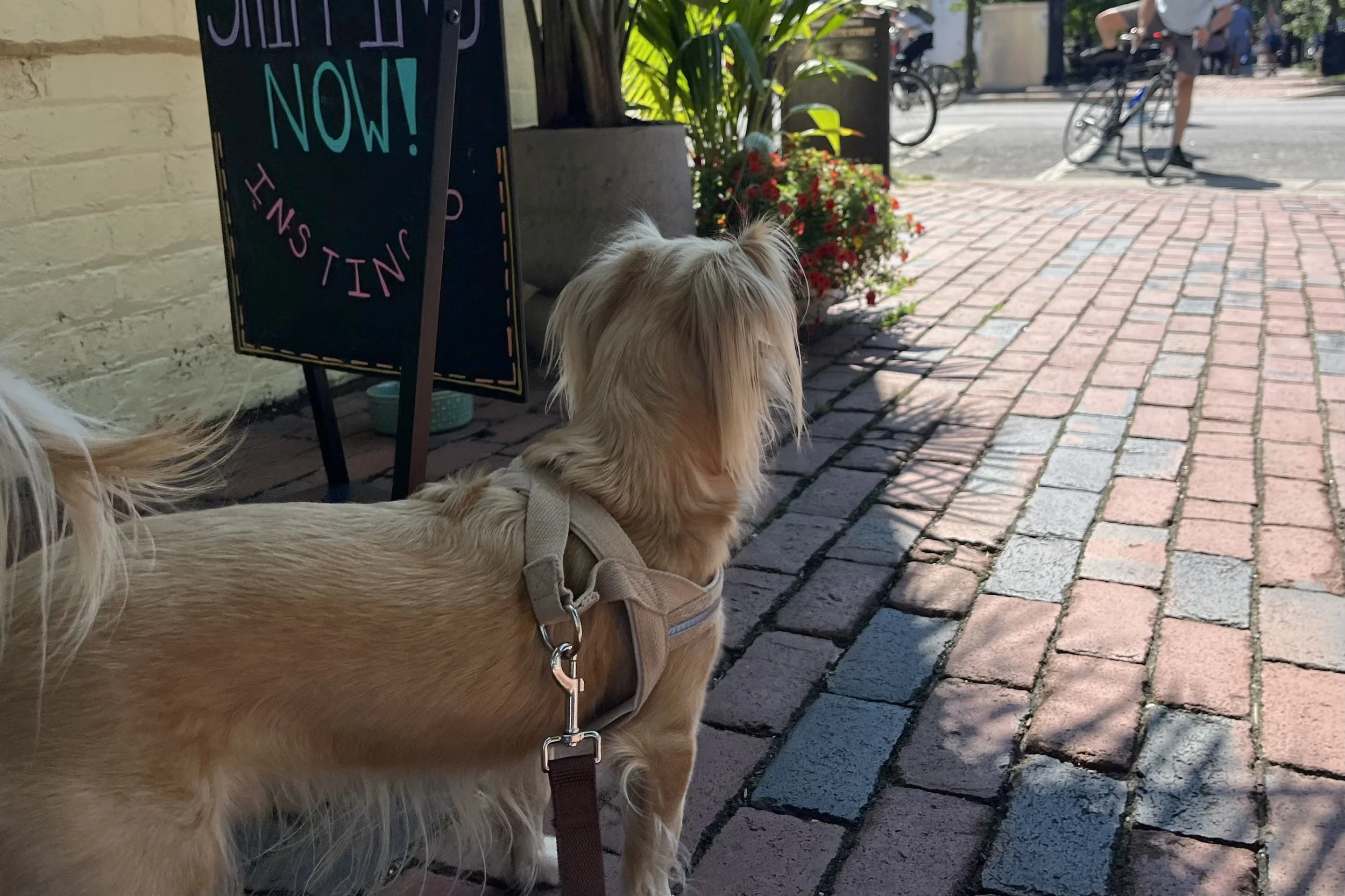
Archie pauses along a brick sidewalk near King Street, watching cyclists and pedestrians move through one of Old Town Alexandria's busiest areas.
Sometimes the hardest part of an outing with dogs is figuring out when everyone has had enough.
Not because the dogs are exhausted or refusing to walk.
Simply because they have already spent enough time adjusting to everything around them.
Enough close dog passes. Enough crowded sidewalks. Enough people stopping to say hello.
I have had plenty of days where the dogs seemed completely fine right up until I decided to make one more stop.
Maybe I wanted to grab lunch. Maybe I wanted to pick up a latte before heading home. It felt like one small thing to add to the day.
The dogs were still walking along with me, so it was easy to assume they were fine with one more stop too.
But by that point, they had already spent hours moving through the world.
Successful outings are often less about where we go and more about recognizing when the outing itself is beginning to change for the dogs.
When dogs start approaching their limit for a particular outing, the changes are often subtle at first.
Things that felt easy earlier in the day start becoming harder.
The dogs react a little faster. They stop fully settling during pauses. A close dog pass, a child running by, or someone trying to stop and interact can get a very different response than it would have an hour earlier.
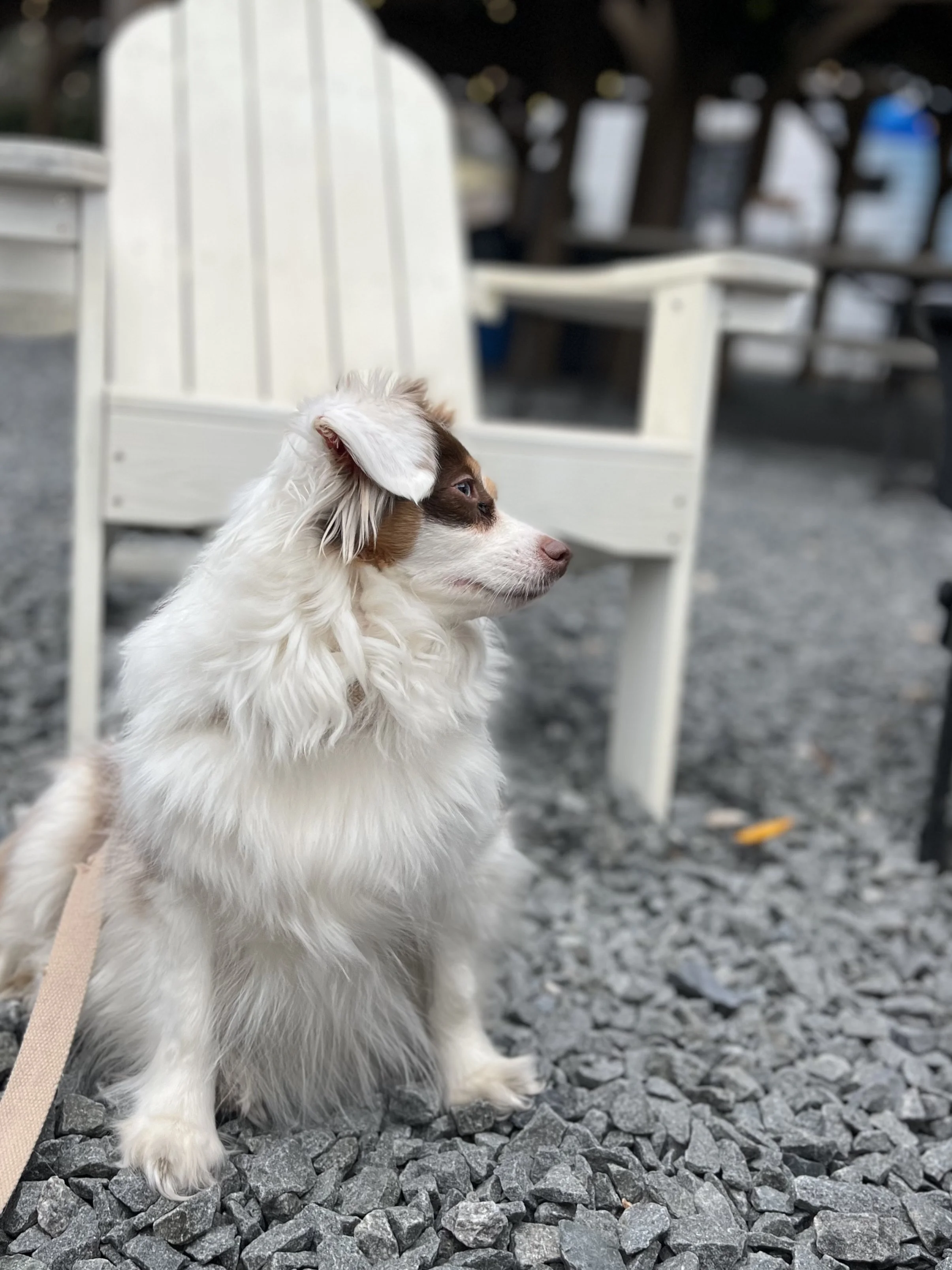
Even during a break, Saydie keeps an eye on everything happening around her.
Nothing dramatic has happened.
The dogs are simply reaching a point where it is becoming harder to keep adjusting to everything around them.
Most of the time, that shift does not happen all at once.
The signs are usually there long before the outing visibly starts falling apart.
Learning Your Dog's Early Signs
One thing that has become easier over the years is recognizing the smaller changes that happen before an outing starts feeling difficult.
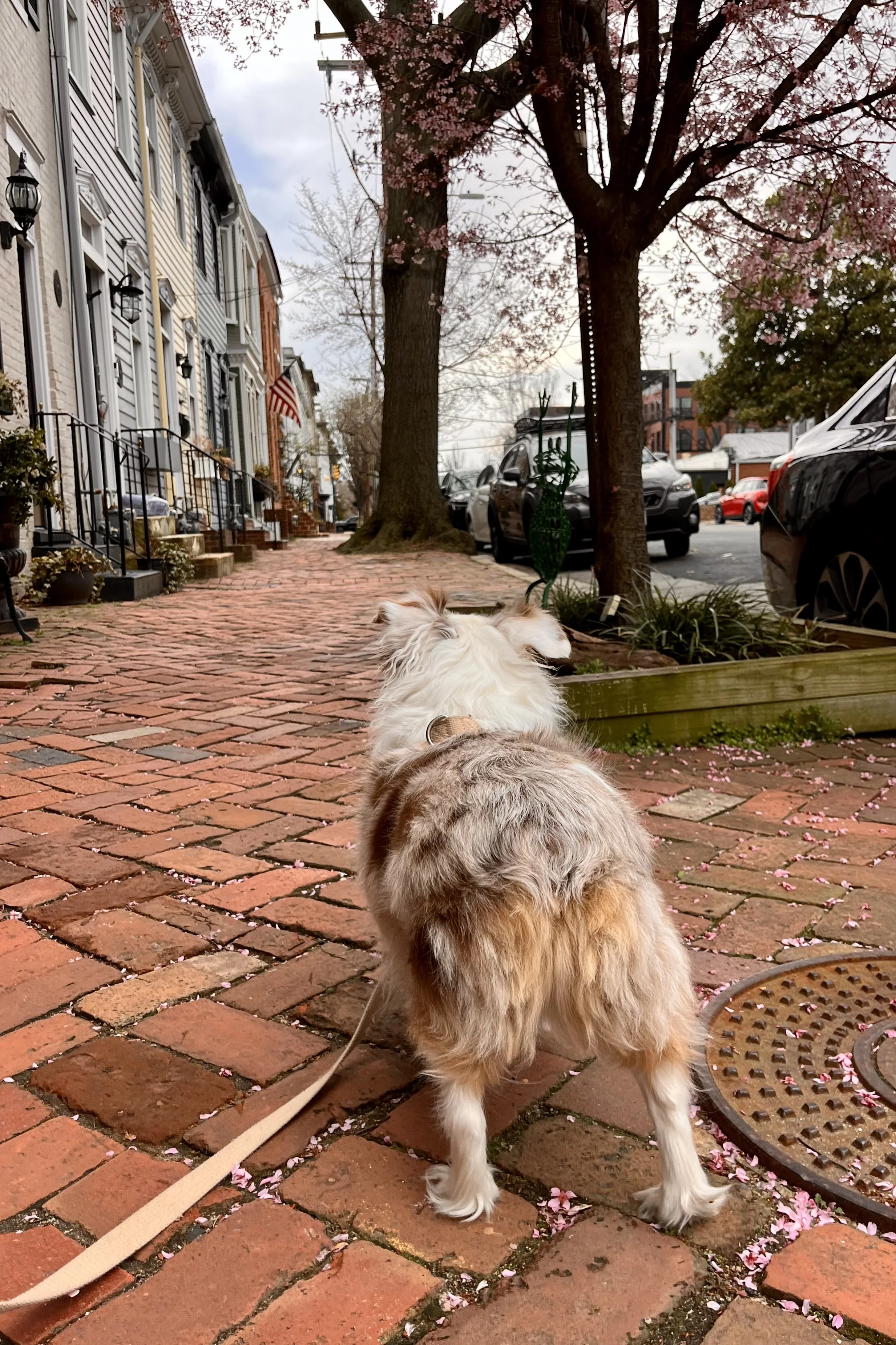
Saydie pauses beneath blooming trees along a brick sidewalk in Old Town Alexandria.
For Saydie, close passes with other dogs are one of the biggest factors I pay attention to during an outing. Children moving quickly nearby can also be difficult, especially when they suddenly change direction or run past unexpectedly.
Archie is different.
He is generally more tolerant of crowded environments and close passes. But he is still paying attention to plenty of what is happening around him.
As much as Saydie is usually the one scanning, watching, and noticing everything during an outing, she is often the first one to curl up and fall asleep in the car.
Archie can spend huge stretches of time looking out the window and watching everything pass by.
The contrast is a good reminder that dogs can experience the exact same outing very differently.
I also know that if Saydie starts reacting to something, Archie will often join in almost immediately. By that point, the outing has usually become more difficult for both of them.
Learning what fills your own dog's bucket is often more useful than following general rules about what dogs should or should not be able to handle.
The earlier I notice those shifts, the easier it becomes to make adjustments before the outing starts feeling difficult for everyone.
Many of those smaller changes remind me of why dogs sometimes freeze or refuse to walk in new places, where body language often starts changing before the behavior itself becomes obvious.
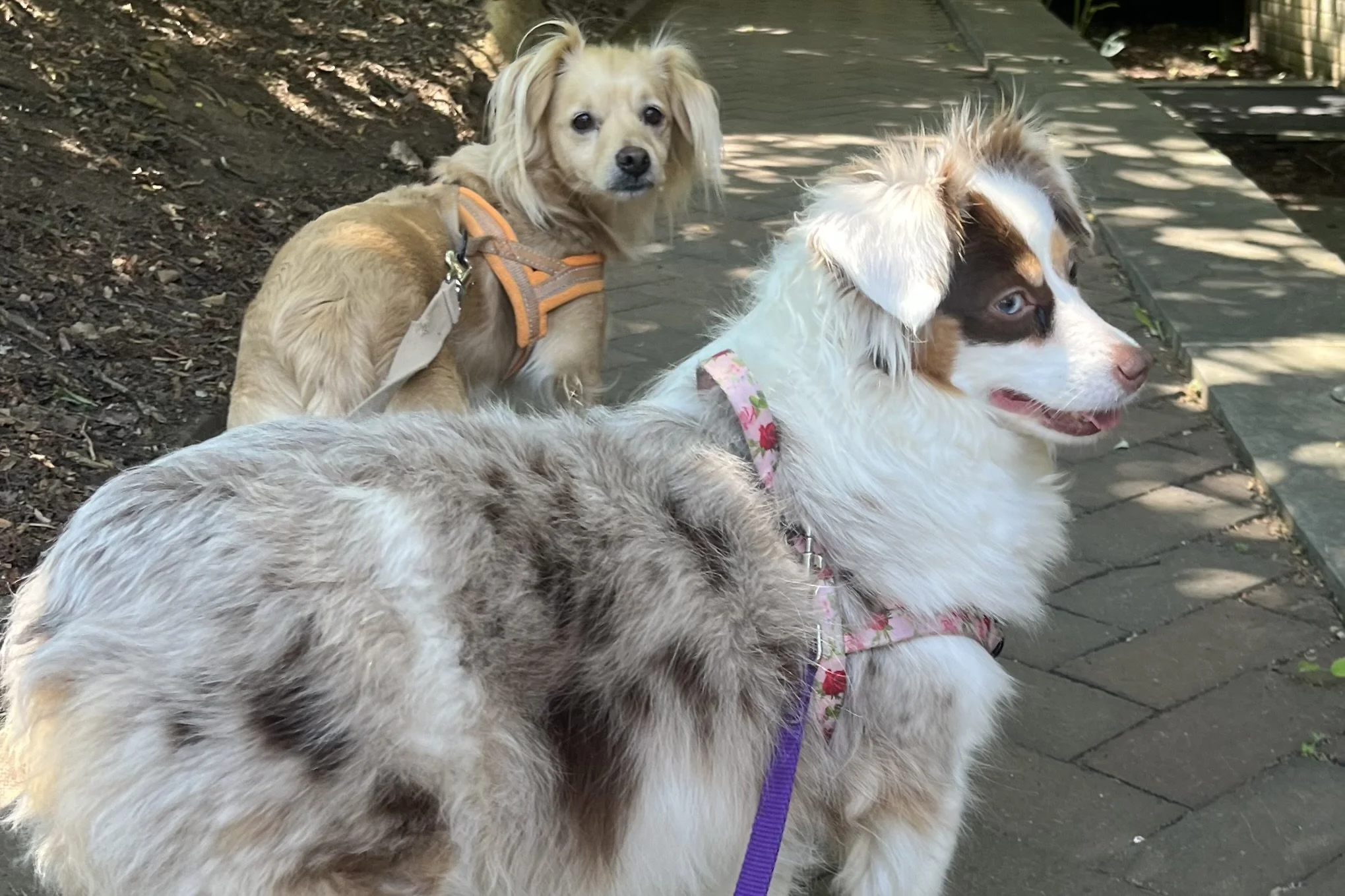
One of the first things I notice is where the dogs start directing their attention. Long before any obvious reaction, they often begin watching the environment differently.
What I Do When I Notice the Shift
When I notice the dogs becoming more alert, I often change the pace of the outing.
Not because the outing has failed.
And not because we need to go home immediately.
I simply start looking for ways to make the next part of the day easier.
Sometimes that means choosing a quieter side street instead of the busiest route.
Sometimes it means revisiting a familiar area the dogs know well.
Sometimes it means stopping somewhere they enjoy and understand, like a favorite sniffing spot or a store where they know they will get a cookie.
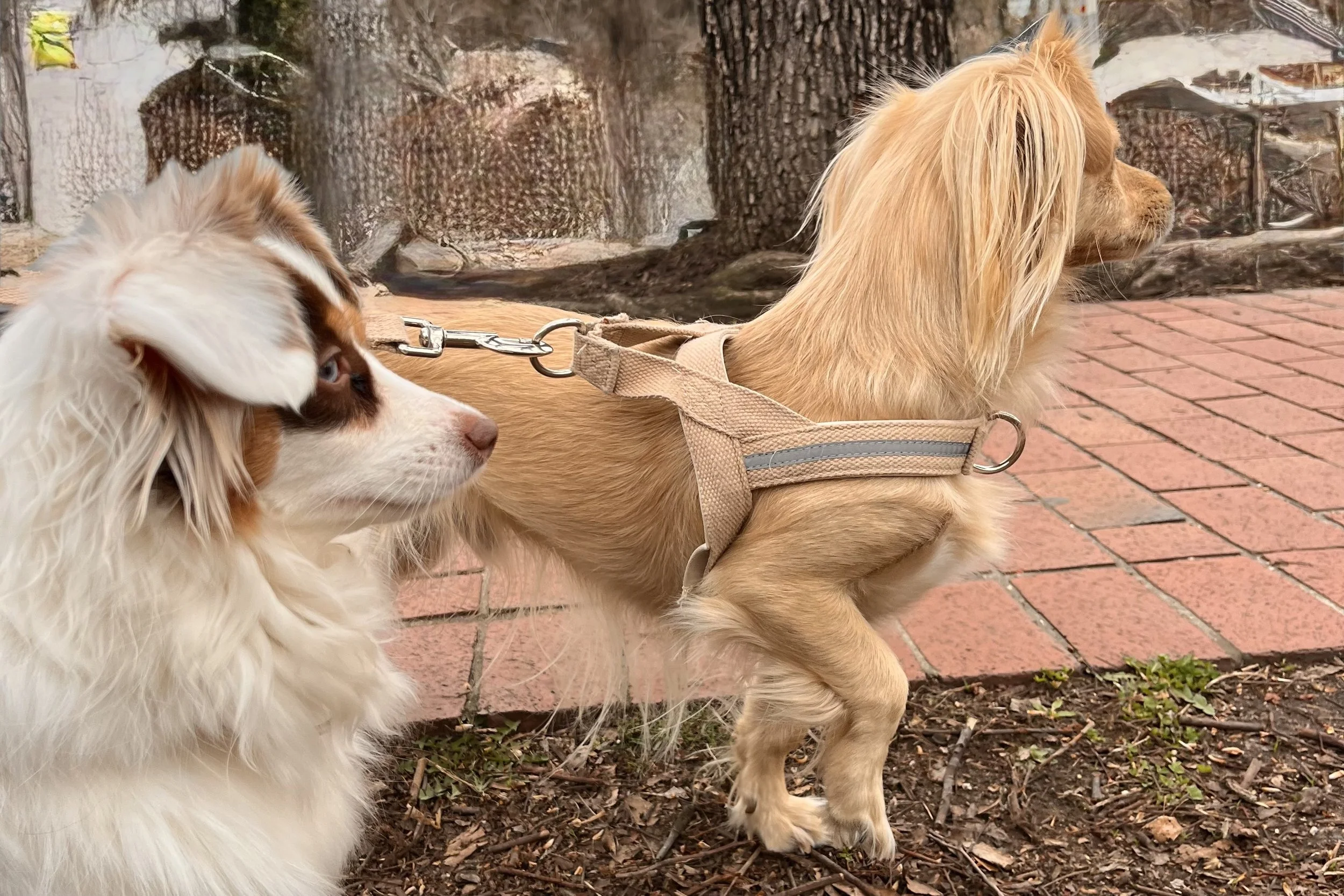
Favorite sniffing spots and familiar cookie stops often give the dogs a chance to slow down, check in with their surroundings, and settle before moving on.
One thing I have found helpful is making sure the dogs have opportunities to do dog things throughout the day.
Sniffing. Wandering. Exploring at their own pace.
If I know we are heading toward a busier part of town, I would much rather give the dogs a leisurely walk first than immediately ask them to navigate crowds, close passes, and constant interruptions.
Those small adjustments often change how the entire outing unfolds.
The more I travel and explore with Archie and Saydie, the more I come back to ideas from why some places feel instantly easier for dogs than others. Familiarity, flexibility, and room to adjust often matter more than people realize.
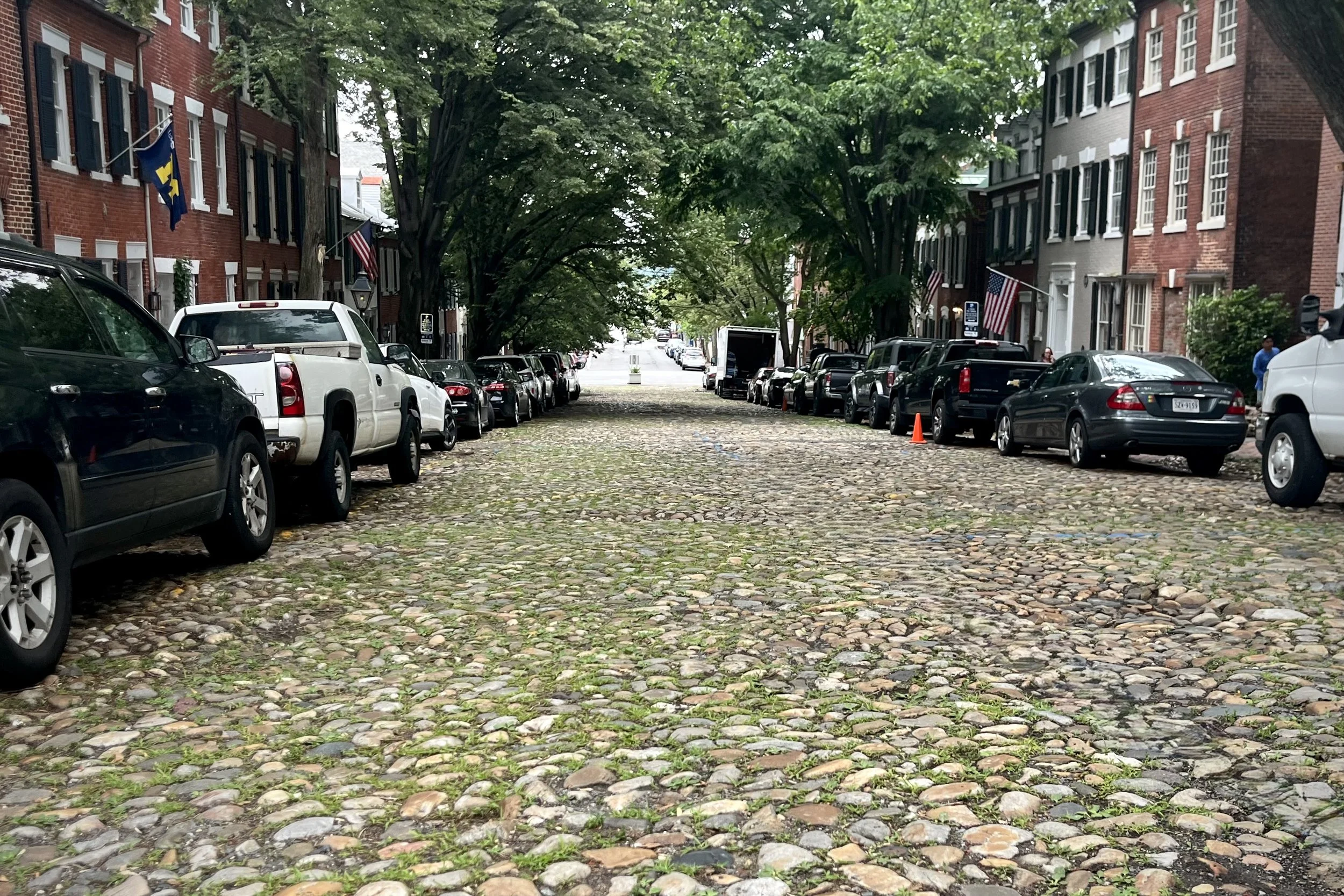
Quiet, tree-lined streets often provide a very different experience from the busier parts of Old Town, even when they are only a few blocks away.
The One More Stop Problem
Some of the hardest outings I can remember did not involve anything dramatic happening.
In fact, most of them were going pretty well.
The dogs had already been out for several hours. We had walked, explored, stopped in a few places, and everything seemed fine.
Then I decided to make one more stop.
Maybe I wanted to grab lunch, stop at a store on King Street, or make one more quick stop before heading home.
In Old Town, this often happens when I decide to walk one more block toward King Street after we've already spent most of the morning exploring quieter areas.
Nothing about that final stop seemed unreasonable.
The problem was that I was looking at the stop itself.
The dogs were experiencing the entire day.
By the time I was thinking about one more place, they had already spent hours navigating people, dogs, traffic, new smells, and unfamiliar situations.
The dogs were still walking. Still participating. Still coming along with me.
But they were no longer enjoying the pace of the outing the way they had earlier in the day.
Looking back, this is often the point where I notice the biggest difference between an outing that stays enjoyable and one that starts becoming difficult.
Not because the final stop was a bad choice.
Because I missed the signs that the dogs were already quietly done.
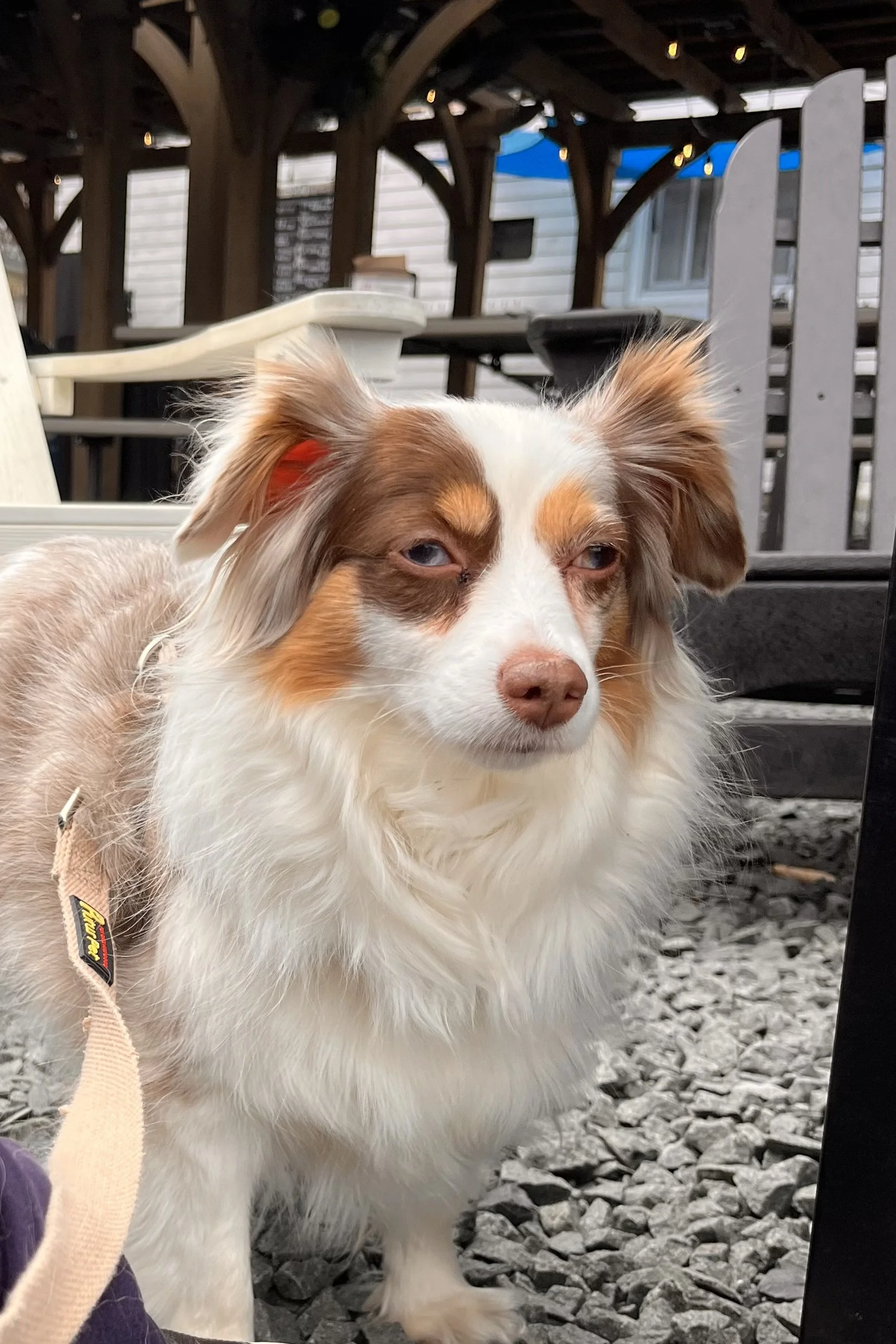
A dog can look completely settled while still actively monitoring everything happening around them.
Some Days Just Aren't Dog Days
I love bringing my dogs along whenever I can.
But I've also learned that not every day needs to be a dog day.
Some schedules simply leave very little room for flexibility, recovery, or adjustment.
On those days, the dogs are often happier at home than trying to keep up with a day that was never really built around them in the first place.
The easiest outings are not necessarily the shortest ones.
They are usually the ones where there is room to pay attention, room to adjust, flexibility when things change, and the ability to alter plans when the dogs need something different.
And most of the time, they start telling us long before we think they do.
Enjoy finding places like this?
Join Wandering Pup Travels and I'll send my newest discoveries, seasonal walks, and dog-friendly destinations straight to your inbox.
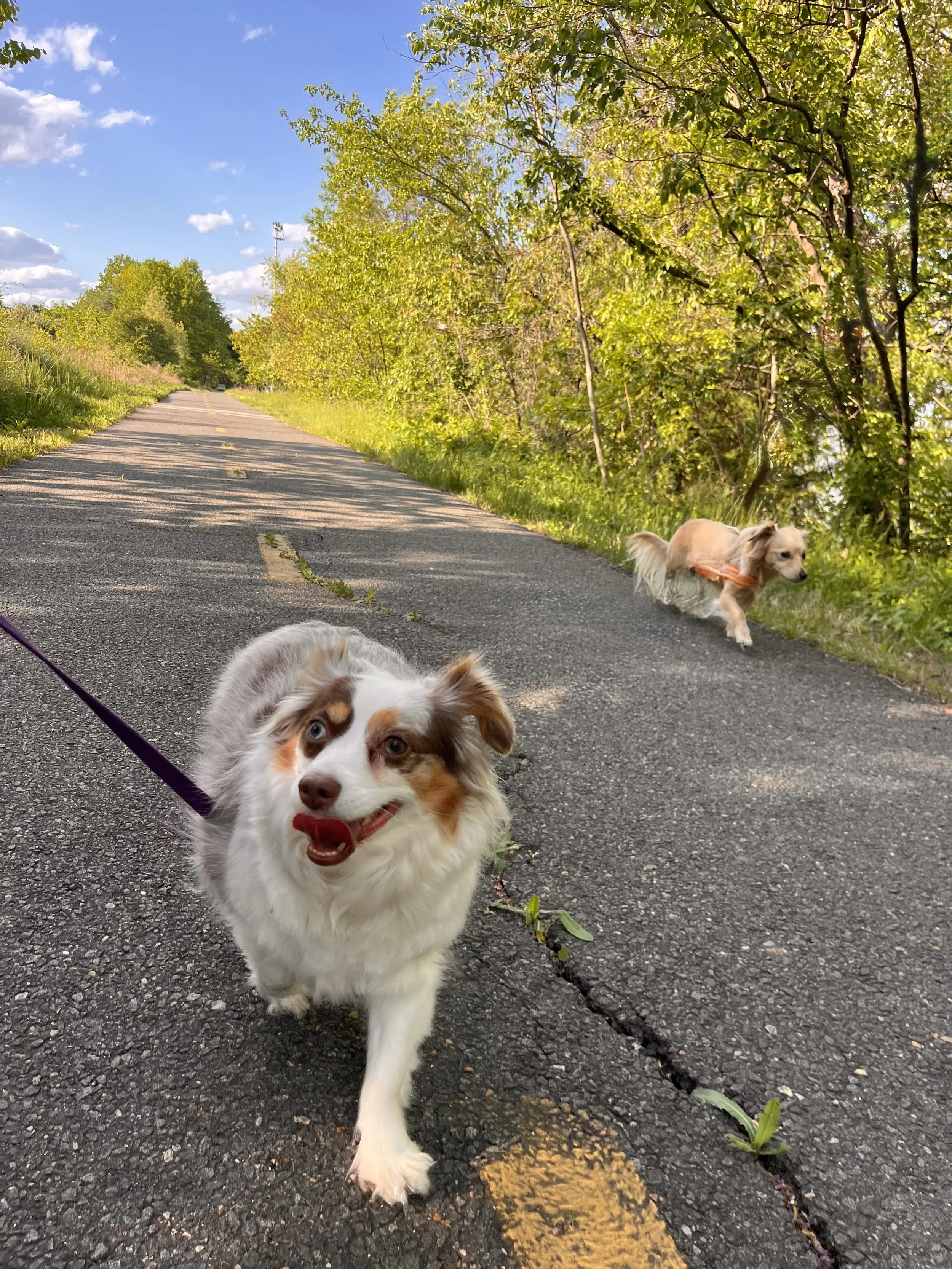
When the dogs are comfortable, their movement becomes easier and more natural, with fewer pauses to constantly check the environment.
