Why Dogs Sometimes Eat Differently During Travel or Hot Weather
One thing I’ve started noticing over time is how differently dogs sometimes eat during travel, heat waves, boarding stays, or major routine changes.
A dog that normally loves breakfast may barely touch it after a busy weekend away. Dogs that get excited for neighborhood “cookie stops” sometimes seem much more interested in cool floors and water during extreme heat instead. Some dogs become distracted in busy environments, while others suddenly act much more interested in food simply because another dog nearby is eating too.
At first, I thought this was mostly a travel thing.
But over time, I started noticing similar appetite shifts during the first major heat wave of the year too. Or after boarding. Or while staying somewhere new. Or even during busy weekends around other dogs when the entire routine felt slightly off.
Once I started paying attention, I realized the appetite changes often followed recognizable little patterns.
My dogs, for example, often seem much less interested in breakfast after travel, busy weekends, or major routine changes. They may even react to breakfast like I’ve personally offended them, even though it’s the exact same food they get every day.
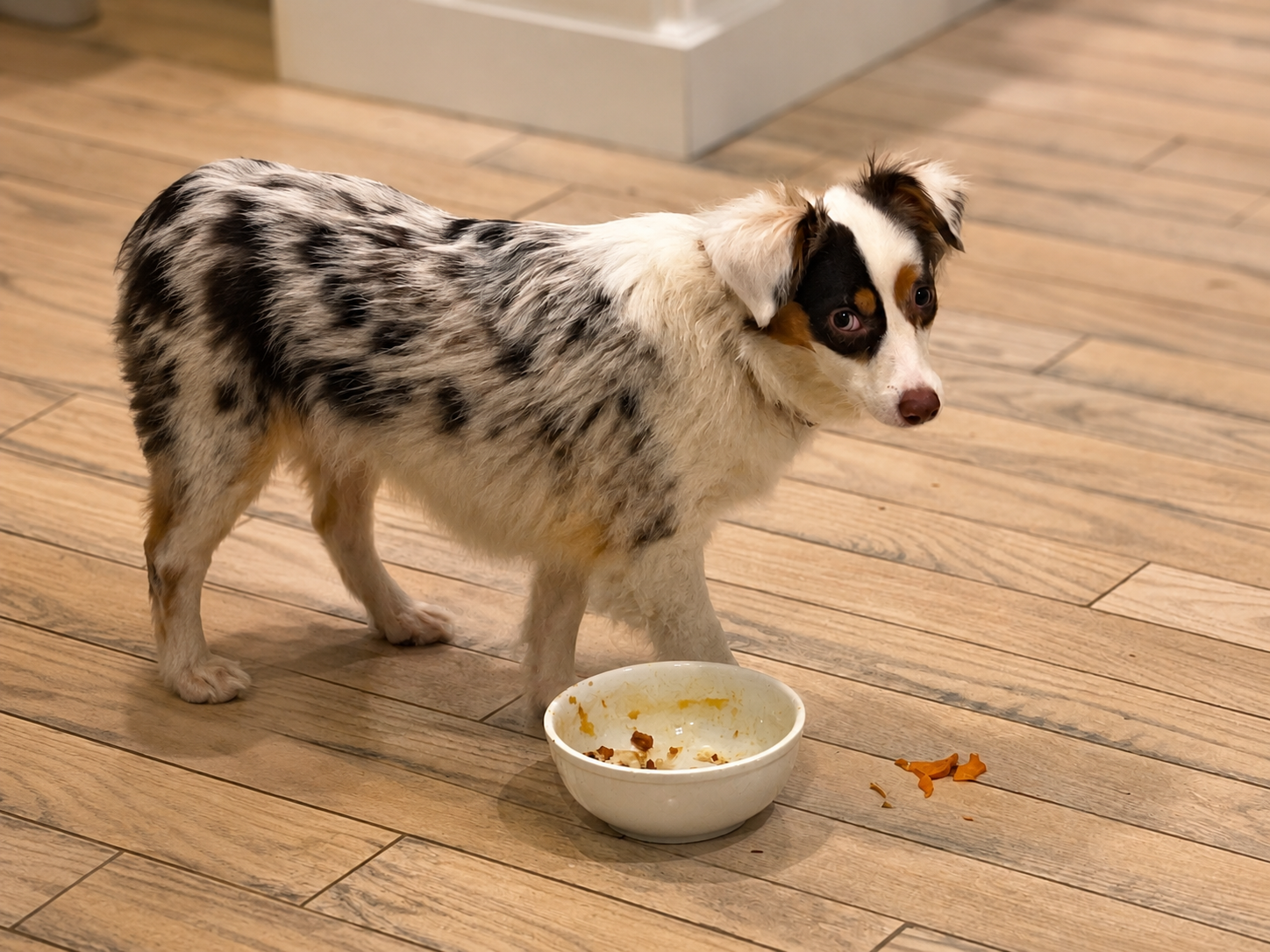
Sometimes dogs seem interested in food one minute and then suddenly wander away from the bowl entirely.
Travel, Heat, and Busy Environments Can Change the Way Dogs Eat
One of the biggest patterns I’ve noticed is that dogs often eat differently when they have not fully settled into an environment yet.
Travel itself does not necessarily seem to be the problem. My dogs can usually establish a temporary routine fairly quickly in a hotel, Airbnb, or familiar house, especially when feeding times and bowls stay consistent.
But while they are still adjusting, food sometimes seems much less important than everything else happening around them.
Busy Environments Can Make Food Less Important
I notice this especially at restaurant patios. Saydie often has a much harder time focusing on food or even water there because there is simply too much happening around her at once.
People walk past constantly. Servers move between tables. Other dogs appear unexpectedly. New smells and sounds keep pulling her attention in different directions.
The food is sitting right there.
But relaxing enough to focus on eating seems much harder.
Back at the hotel or Airbnb, though, they may eat fairly normally once they’ve had time to settle in.
This reminds me a lot of the environmental overstimulation I wrote about in Why Dogs Freeze or Refuse to Walk in New Places and Best Dog-Friendly Patios in Old Town Alexandria (That Actually Have Space).
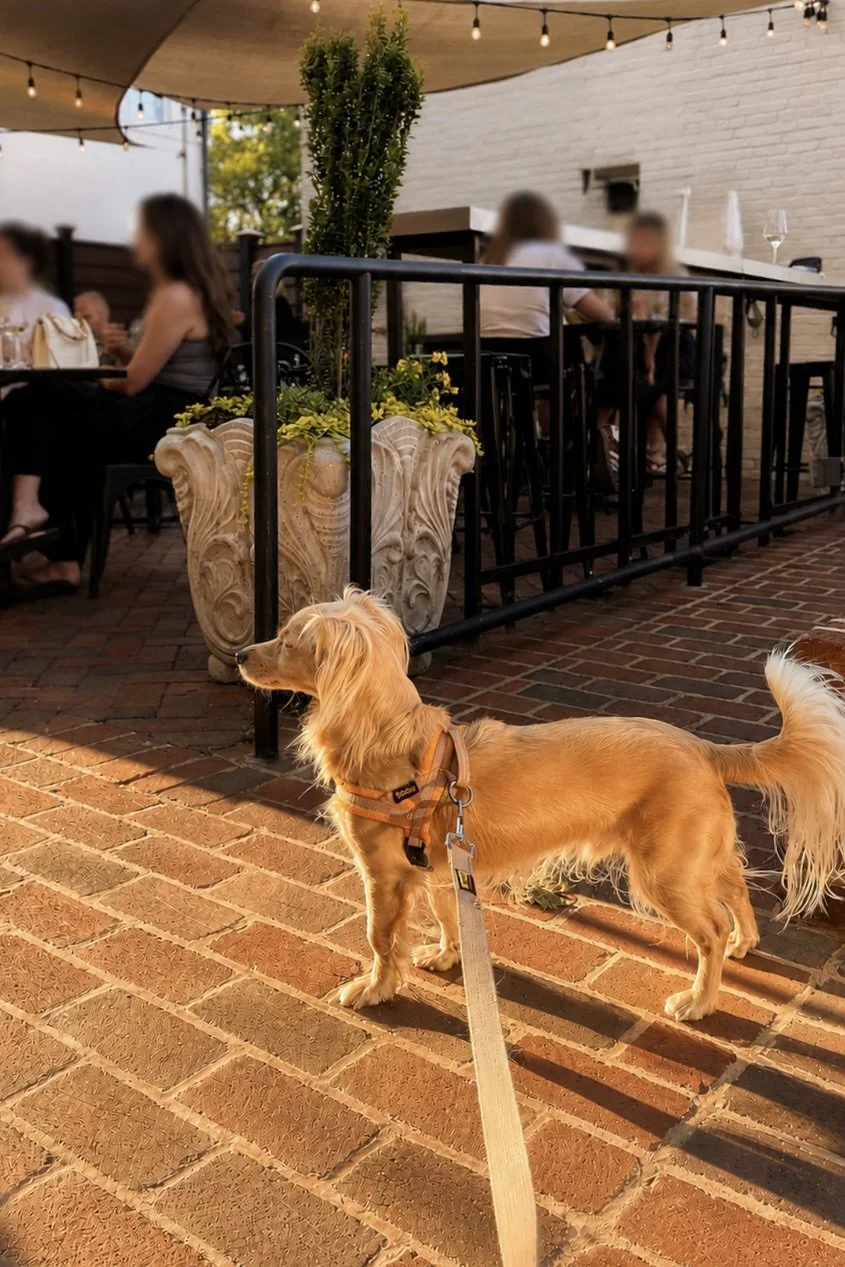
Some dogs seem much more focused on everything happening around them than food in busy outdoor environments.
The First Morning Back Home Often Feels Different Too
I notice something similar after busy weekends away too.
Dogs often come home exhausted but still not completely settled yet.
They may show little interest in breakfast the next morning and barely touch it — only to eat much more normally later that evening once they seem fully back in their normal rhythm again.
The first morning back home often still feels slightly out of rhythm.
That pattern feels closely connected to the same exhaustion I talked about in Why Is My Dog So Tired After Travel?
Hot Weather Can Change Appetite Too
The first major heat wave of the year can create surprisingly similar shifts too.
During extreme heat, my dogs often seem far more interested in cool floors, shade, water, and slowing down than they are in their normal meals.
I notice this especially on our little “cookie circuit” walks around the neighborhood.
Under normal conditions, they are very excited about stopping at certain houses for biscuits along the route.
But during extreme heat, they sometimes seem almost completely uninterested in the exact same treats they normally love.
Instead, they seem much more focused on getting back home to cool floors and water.
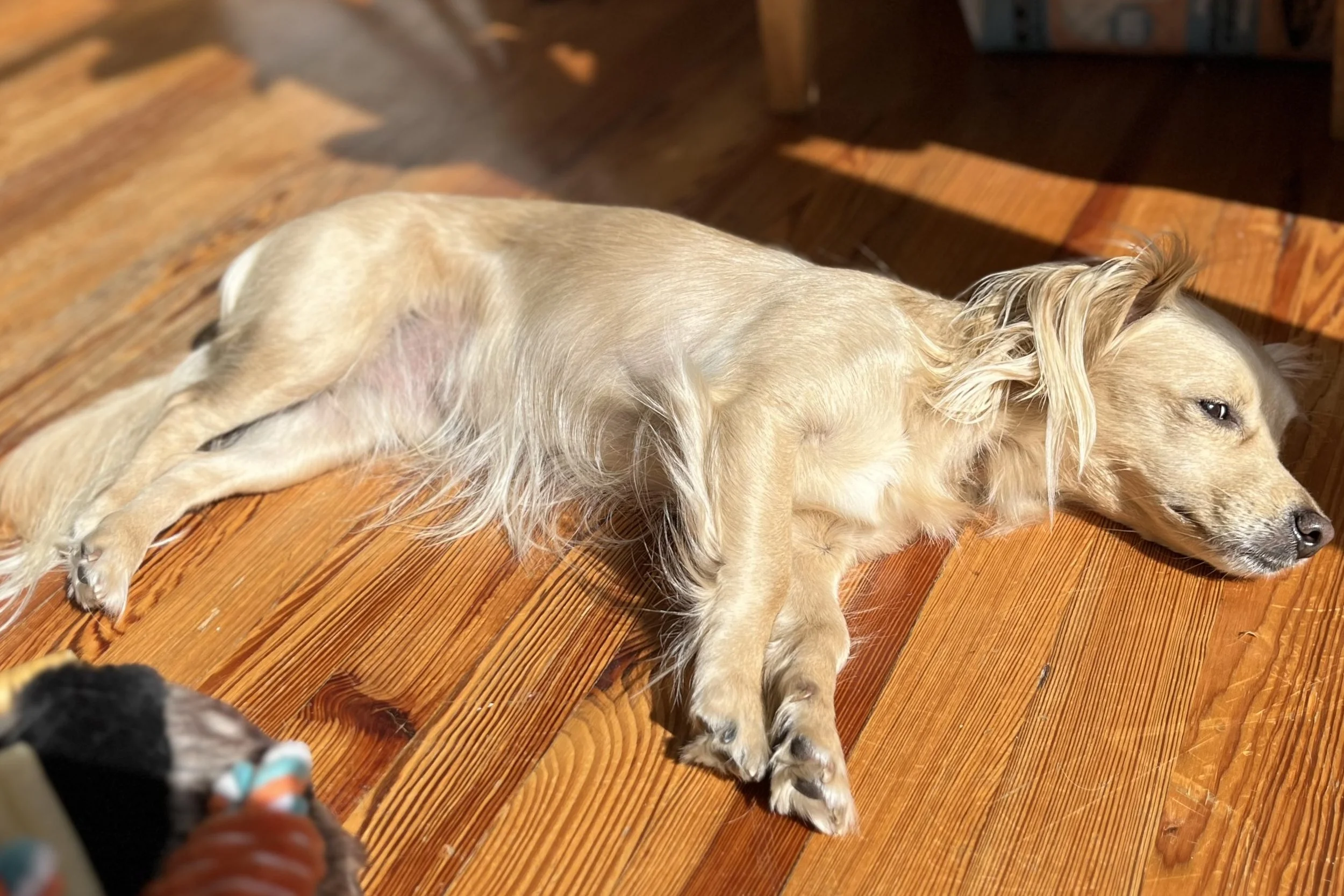
During extreme heat, my dogs often seem much more interested in cool floors and resting quietly than food or treats.
Even the timing of meals sometimes changes.
If they barely touch breakfast during very hot weather, they often eat much more normally later that evening once temperatures cool down and the day feels less physically draining.
Some of these same summer shifts also started showing up while writing The First Hot Week of the Year Feels Different for Dogs and What to Do in Old Town Alexandria When It’s Too Hot for a Long Walk.
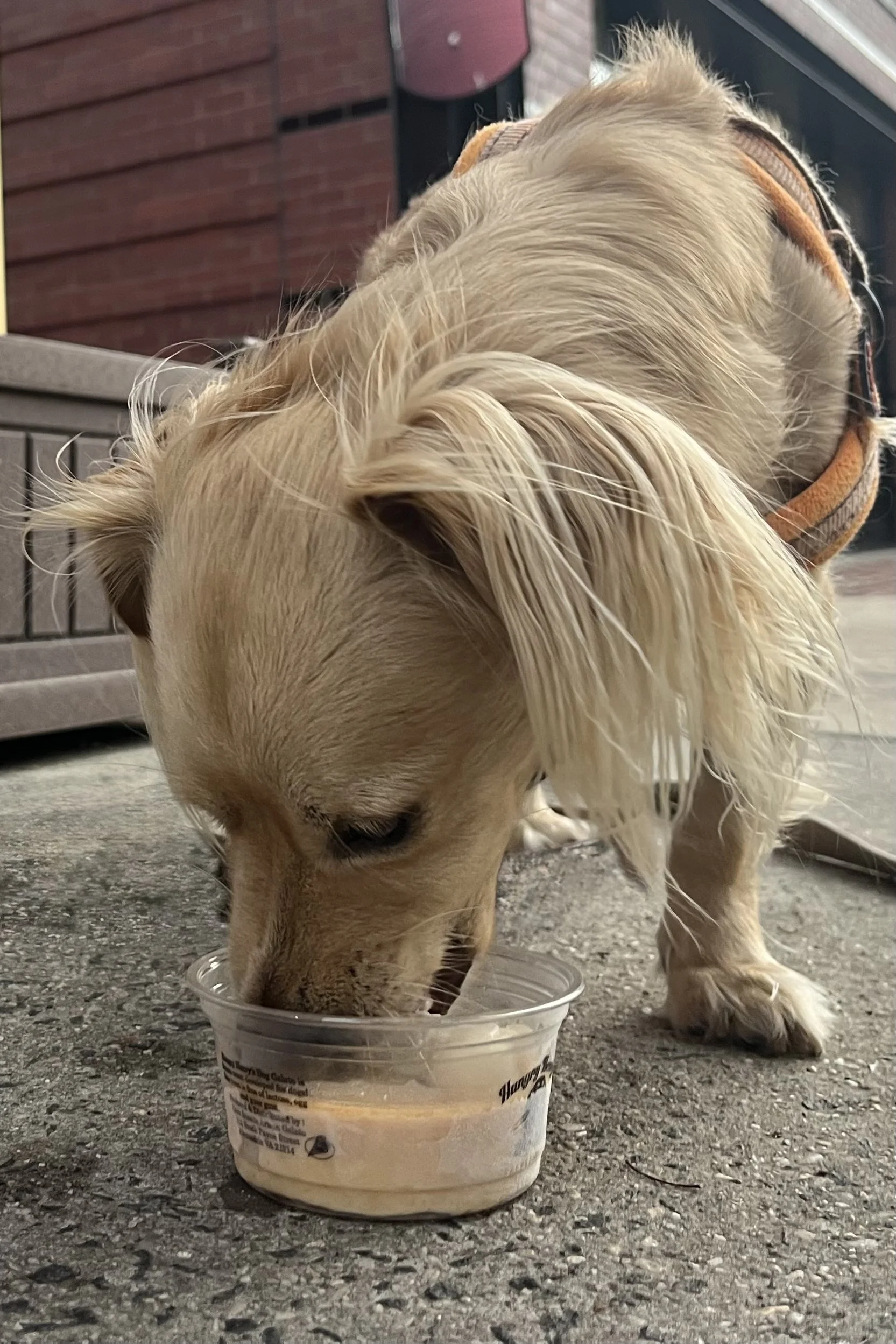
Cold treats and frozen enrichment often become much more appealing during extreme summer heat.
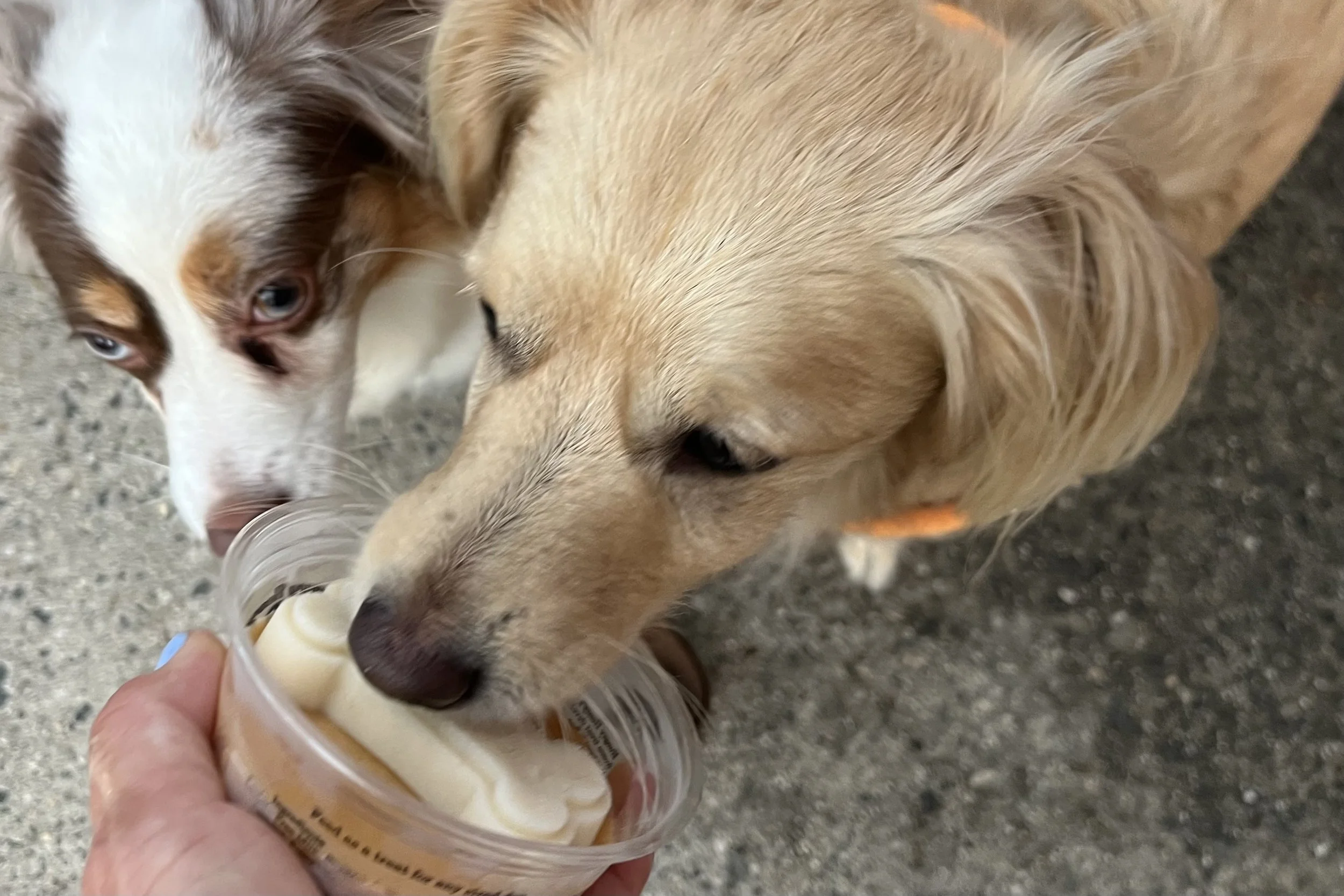
During extreme heat, slower frozen enrichment sometimes seems much more appealing than regular meals.
Some Dogs Think About Food Constantly — Others Barely Notice Mealtime
One thing that made these appetite shifts harder for me to notice at first is that my own dogs were never especially dramatic about food to begin with.
Some dogs seem to know exactly when mealtime is approaching. You hear the quick patter of nails across the floor as they circle the kitchen, hover near the refrigerator, and follow closely behind whoever is making dinner.
My dogs are not like that at all.
Most of the time, they barely seem aware food is even happening until the bowl is directly in front of them.
And even within the same household, dogs can have completely different preferences around food.
Saydie loves eggs and fish. Archie dislikes both smells entirely. Some dogs become obsessed with frozen treats during summer while others ignore them completely.
And then there are the situations that make absolutely no logical sense.
One of the funniest examples happens whenever my dogs spend time around other dogs during family visits.
At home, they can seem fairly casual about food. But when we visit my daughter’s house and her dachshunds start eating nearby, suddenly everyone becomes deeply invested in what is happening in the other bowls.
The exact same food somehow becomes much more exciting simply because another dog is eating too.
Apparently the other dog’s dinner always looks better.
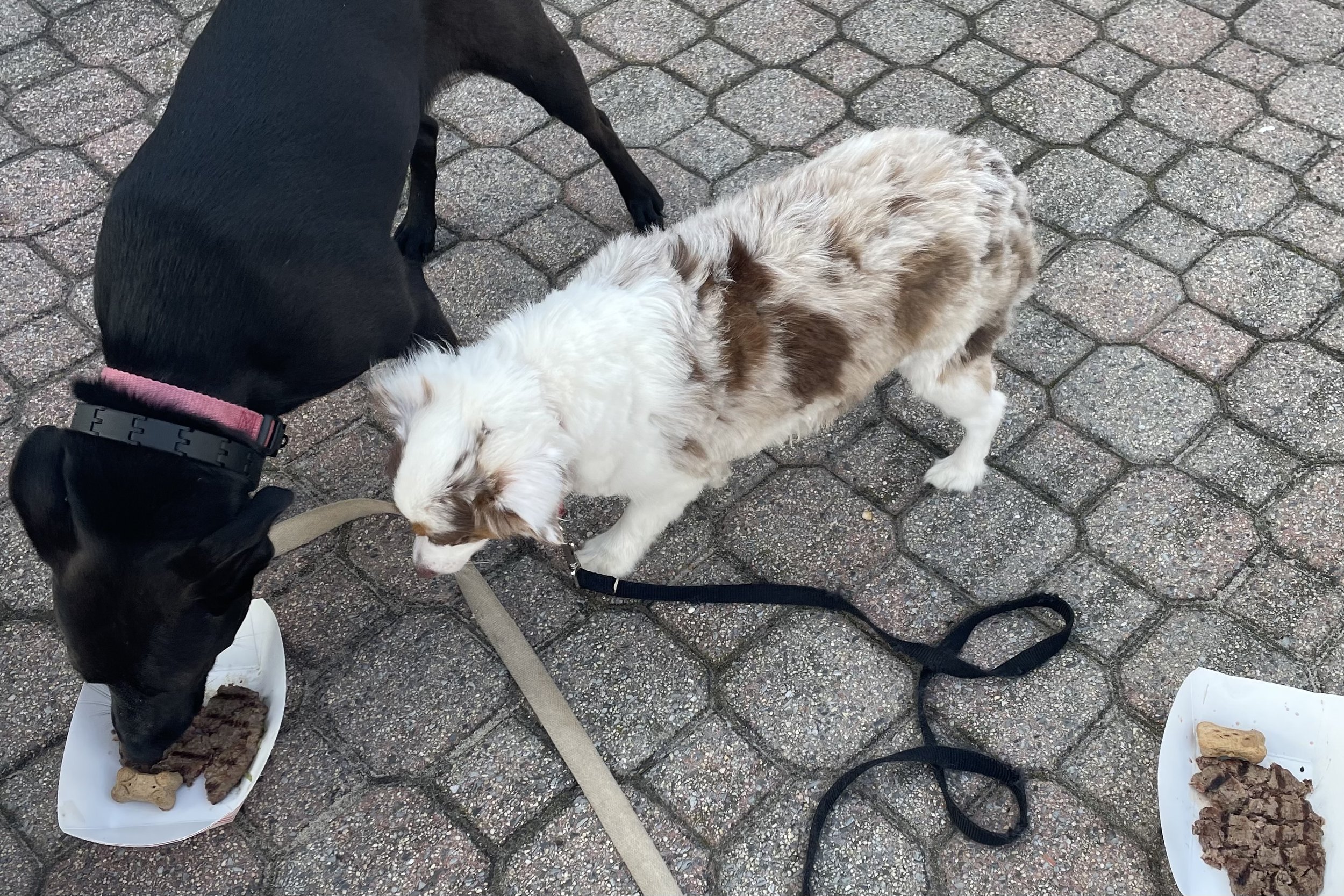
The exact same food can suddenly become much more interesting when another dog nearby is eating too.
Sometimes the Bowl Is the Problem
Saydie completely changed her attitude toward breakfast once I started spreading the exact same food onto a lick mat instead of serving it in a bowl.
Before that, she would sometimes sniff breakfast, lose interest almost immediately, and wander away from it. But once the food went onto the lick mat, she became completely focused on working through the entire meal and seemed determined to finish every last morsel.
The food itself never changed.
Only the way it was presented did.
That shift made me start noticing how often dogs still seem interested in some form of eating even when traditional meals suddenly feel less appealing. A dog that ignores a bowl may still happily work through frozen enrichment, spend time licking softer foods, or become much more interested once moisture is added to the meal.
I notice this especially during very hot weather. My dogs often seem far more interested in slower cooling foods than regular meals once temperatures become extreme. Frozen treats, lick mats, whipped cream cups, and enrichment trays all seem to change the entire mood around eating.
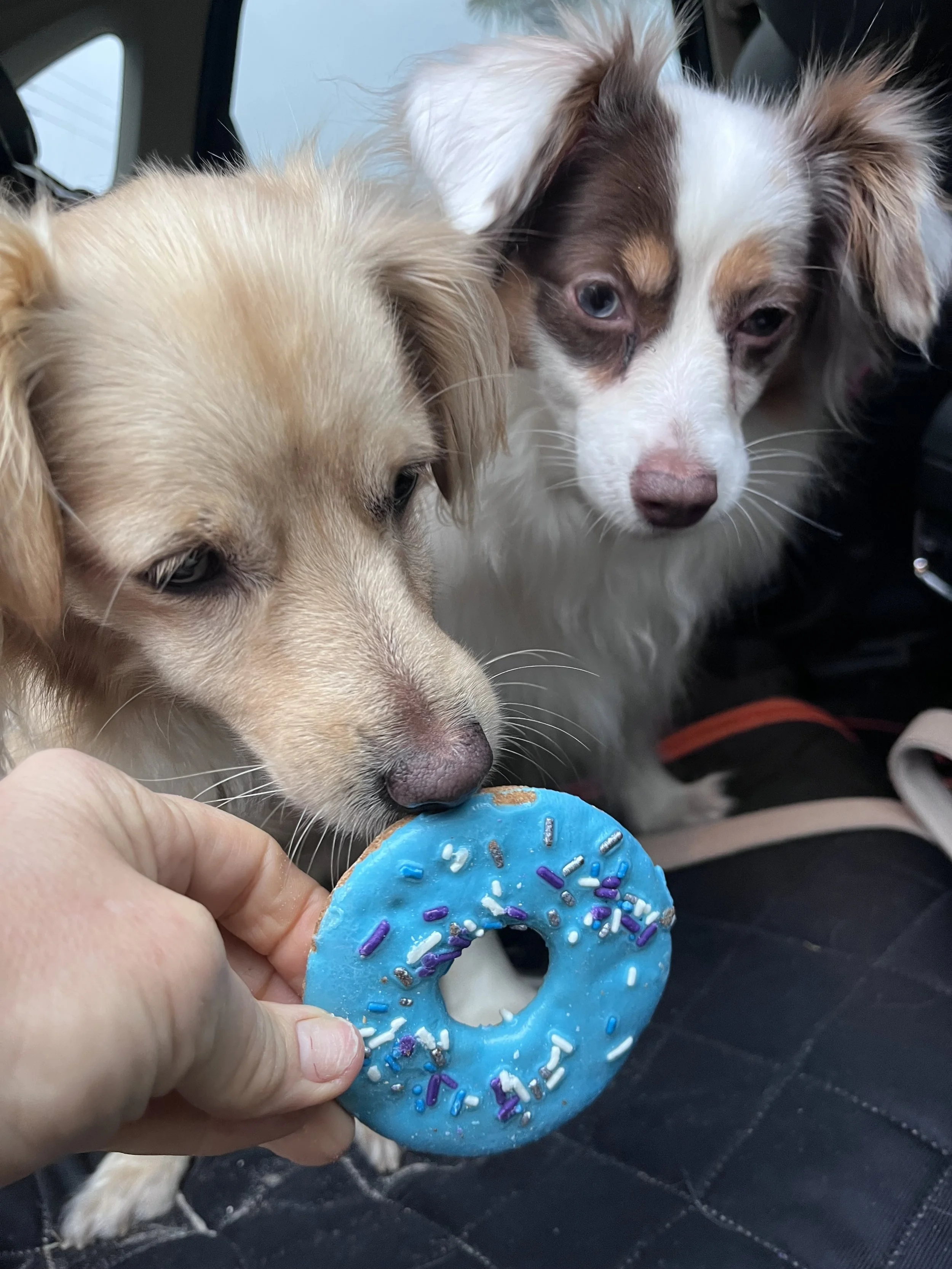
Sometimes a highly exciting treat feels much more interesting than a regular meal during hot weather.
And even then, their reactions are still completely different from each other.
One Thanksgiving, Archie became completely obsessed with the whipped cream while Saydie ignored it and stayed much more interested in the pumpkin pie sitting next to it instead.
Sometimes it really does seem like dogs are responding to the entire experience around eating, not just the food itself.
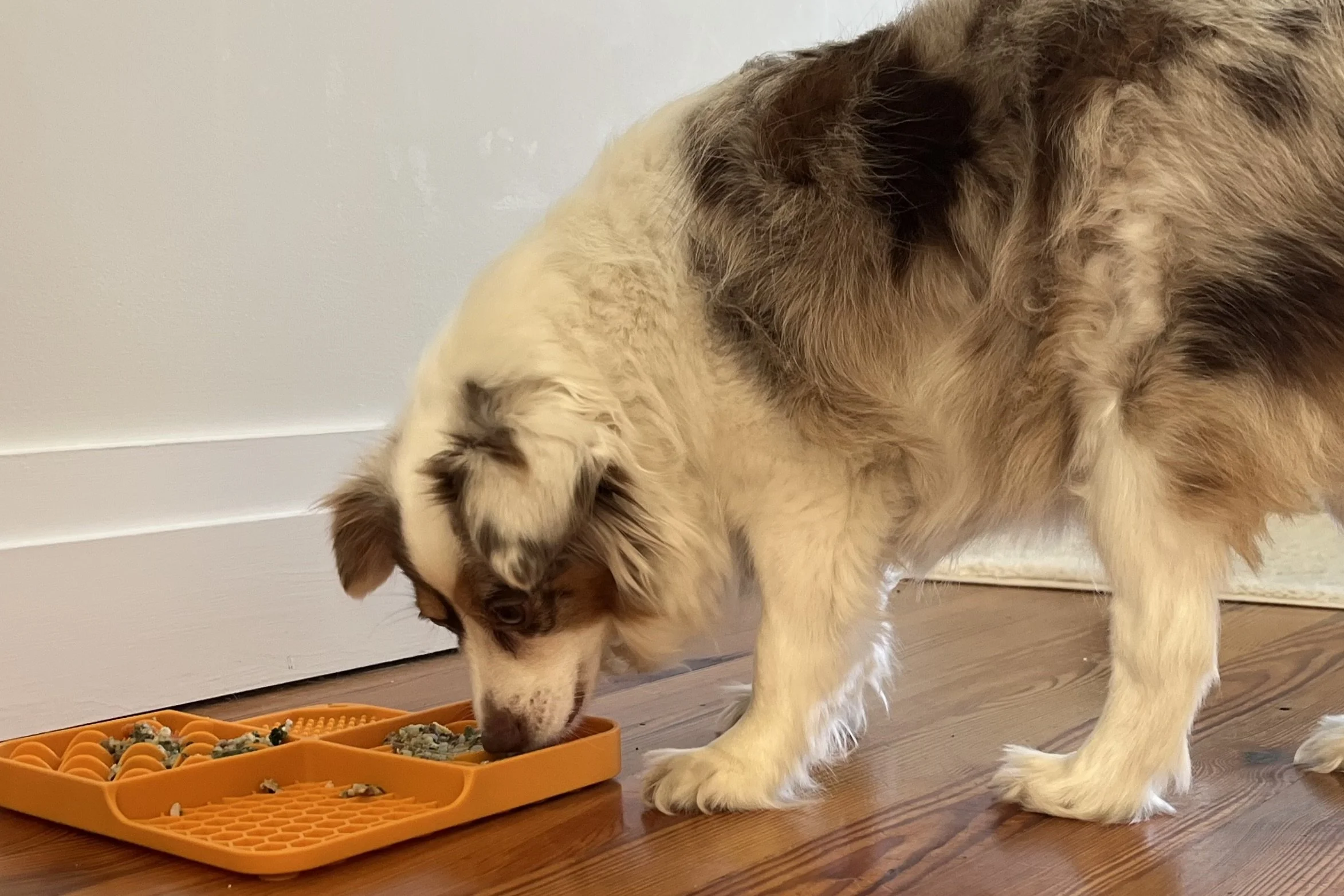
Sometimes changing the experience around eating seems to matter just as much as the food itself.
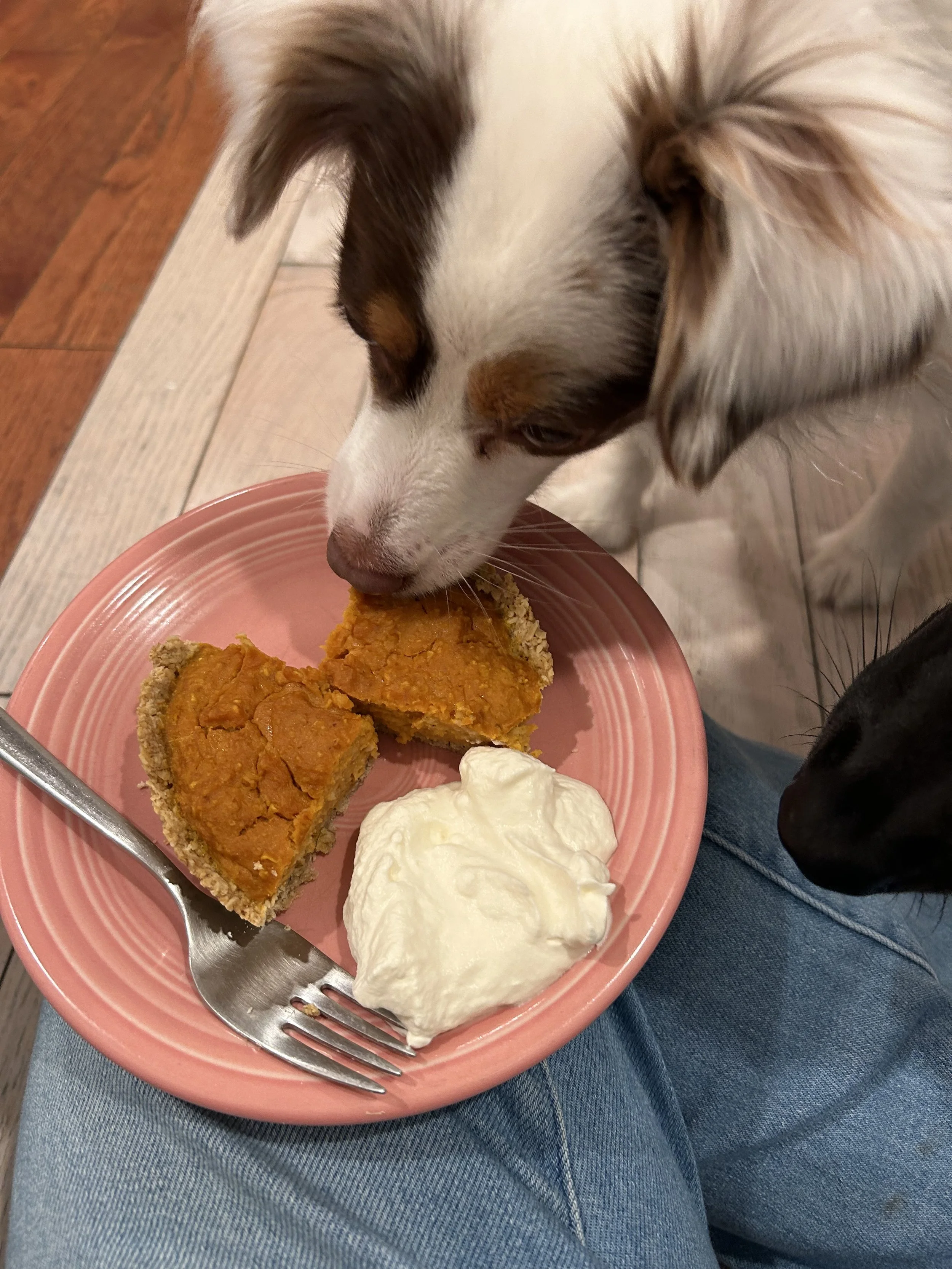
Even during the exact same treat moment, dogs can react completely differently to the same foods.
Things That Have Helped My Dogs During Travel, Heat, or Routine Changes
A few things have consistently helped my dogs during travel, hot weather, or disrupted routines.
Lick mats, frozen enrichment toys, and fillables for frozen treats seem especially useful when normal meals suddenly feel less appealing, while cooling mats, travel blankets, and familiar feeding setups often help them settle more comfortably after busy days away from home.
I also tend to add extra moisture to meals during extreme heat, especially when appetite seems lower than usual.
Sometimes Dogs Simply Need Time to Settle Again
The more I pay attention to these appetite shifts, the more they seem connected to dogs still settling back into themselves after periods of heat, stimulation, travel, or routine changes.
Sometimes they seem like they need:
cooler rooms and quieter surroundings
familiar bowls and routines
less activity happening around meals
more time to rest and fully settle again
before eating starts to feel normal again.
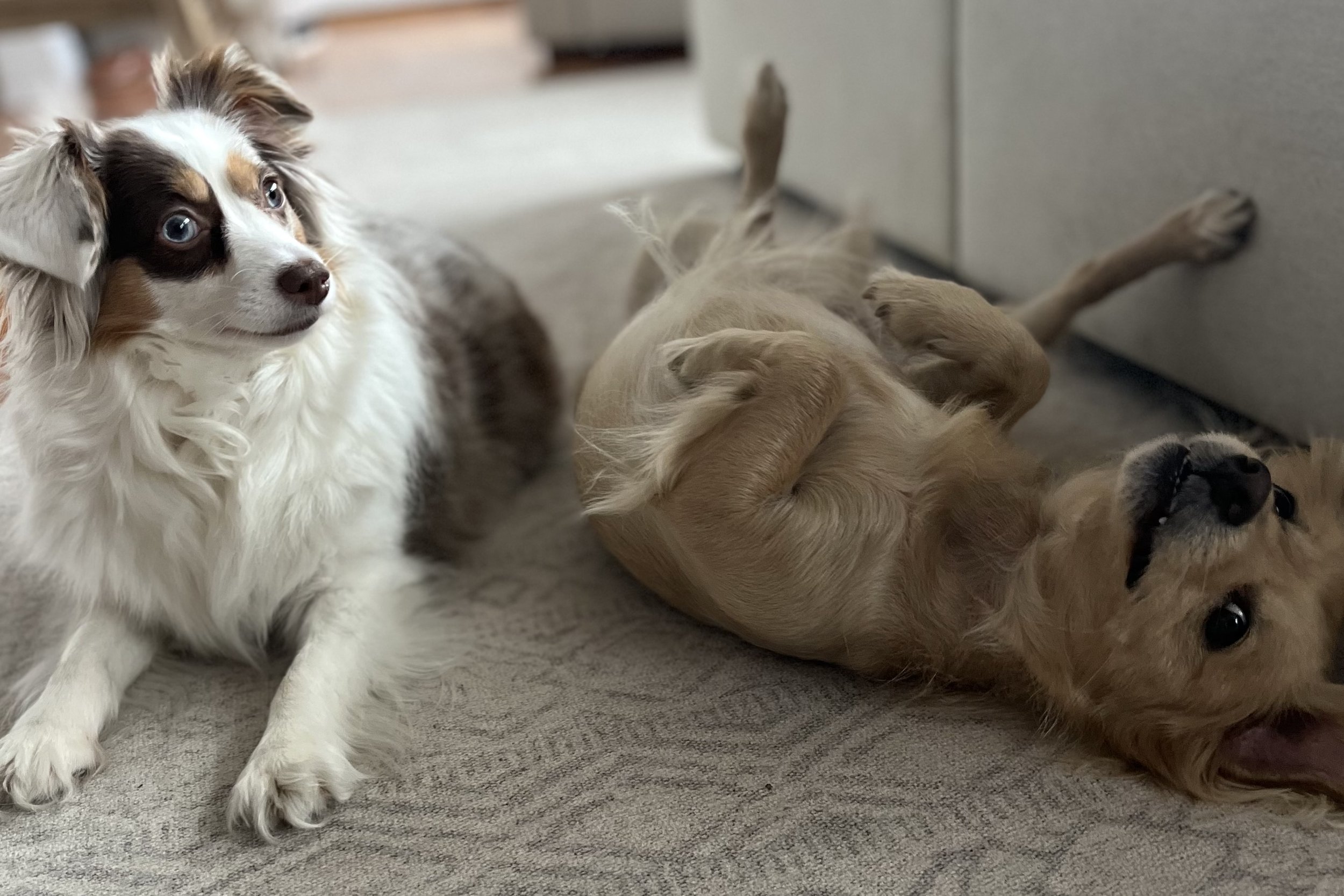
Sometimes dogs seem like they need time to fully settle back into themselves again after busy weekends, travel, or overstimulating days.
And that adjustment period can look surprisingly different from one dog to another.
Some dogs become quieter around food. Some seem distracted by everything happening around them. Some become strangely selective. Some still want treats but lose interest in meals. And some seem completely back to normal after finally getting one long uninterrupted sleep.
A lot of these changes are subtle. The dog is still eating something. Still interested in food sometimes. Just differently than usual for a little while.
And honestly, that seems much more common during travel, boarding, heat waves, busy weekends, and disrupted routines than many people probably realize.
(As always, sudden or prolonged appetite loss — especially alongside other symptoms — should be discussed with a veterinarian.)
Final Thoughts
Dogs do not always relate to food in exactly the same way from one environment or season to another.
Sometimes they seem distracted by everything happening around them. Sometimes they become strangely selective. Sometimes they suddenly care much more about frozen treats, lick mats, or evening meals than the foods they normally eat without hesitation.
And sometimes they simply seem like they need time to fully settle back into themselves again.
The more time I spend watching dogs during travel, heat waves, boarding stays, foster transitions, and changing routines, the more these appetite shifts start to feel less random.
A dog ignoring breakfast after a busy weekend away. Suddenly losing interest in neighborhood “cookie stops” during extreme heat. Becoming deeply invested in another dog’s dinner while barely touching their own.
Once you start noticing the patterns, many of those little changes around food start making a lot more sense.
