Why Some Dogs Still Seem Wound Up After a Full Day of Activity

Busy King Street outings often involve constant movement, outdoor dining, traffic, and changing activity around the dogs from block to block.
Sometimes I come home feeling like I personally completed an endurance event after a long day out with the dogs.
Meanwhile, the dogs were still bouncing around like the day had just started.
Instead of collapsing onto the couch for a post-walk nap or stretching out on the cool floor afterward, the dogs were still wide-eyed, watching me, and acting like the day was nowhere near over yet.
At first, I assumed that simply meant they needed even more exercise.
But over time, I started noticing that logic did not always seem to hold up.
Some long, physically active days barely seemed to affect the dogs afterward at all. Meanwhile, certain shorter outings — especially ones involving heat, crowded environments, car rides, restaurant patios, unfamiliar places, or constant activity around other dogs and people — sometimes left the dogs much more wound up afterward, even without nearly as much physical exercise.
I started noticing similar patterns during those first really hot summer days too, when even shorter outings sometimes seemed much harder on the dogs afterward than they normally would.
Those were often the days where the dogs seemed to need things to become quieter and more predictable again. Once they were already wound up from a long, stimulating day, adding even more activity seemed to keep the entire cycle going.
Why Some Outings Feel Much More Demanding for Dogs Than Others
I started noticing that the overall feel of the day sometimes mattered more than the actual amount of exercise itself.
Some of the easiest days for the dogs were not necessarily the shortest or least active ones. Long, familiar walks along Buchanan Street often seemed far less demanding than much shorter outings on busy King Street.
Over time, I started realizing that familiar walks often seemed to help the dogs adjust much more easily after unfamiliar or mentally busy outings.

The quieter, more predictable pace along Buchanan Street often feels very different from busy King Street outings.
Along Buchanan Street, the dogs can usually settle into a steady rhythm of walking. The route is familiar, the path is wide, there is grass along both sides, and the overall environment stays relatively predictable.
King Street feels completely different. Saydie often starts scanning much more actively, stopping to sniff and explore constantly while everything around us keeps changing. We are avoiding tight passes with other dogs, stepping around crowded sidewalks, stopping at crosswalks, hearing traffic, passing restaurant patios, and walking past all the shops where the dogs already know they might get biscuits.
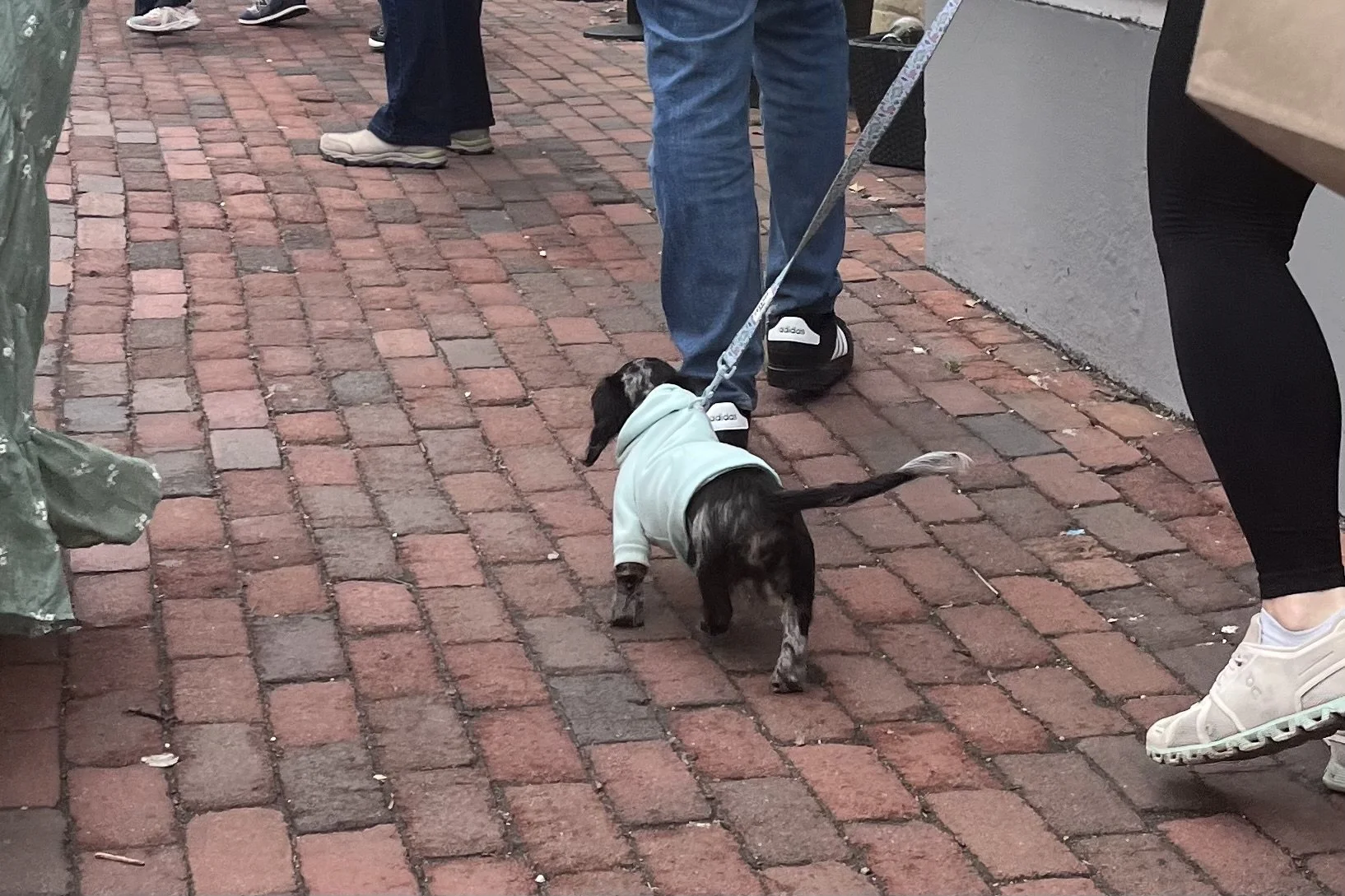
Even though the actual outing may be much shorter, the entire experience often seems far more mentally busy from beginning to end.
A dog can walk several calm miles on a familiar route and come home acting completely normal afterward. Meanwhile, a much shorter outing involving outdoor dining, repeated greetings from strangers, waiting in lines, hot weather, traffic noise, close passes from other dogs, and constant environmental shifts can sometimes seem to linger with them for hours afterward.
I started noticing similar patterns in unfamiliar environments too, especially in situations where the dogs seemed to freeze or hesitate in new places.
The physical exercise itself may not have been especially intense, but the day itself was mentally busy from beginning to end.
I used to think enough activity would naturally create a calmer dog afterward, and sometimes that absolutely does happen.
But certain kinds of busy days sometimes seemed to create almost the opposite effect instead.
The dogs were not necessarily asking for even more activity afterward. They often seemed stuck in the momentum of the day itself.
Everything kept their attention moving:
new smells
changing environments
people and dogs constantly passing nearby
traffic and movement around them
waiting for the next thing
interruptions to routine
heat and environmental noise
Some days seemed to keep building on themselves hour after hour instead of naturally tapering back down.
And interestingly, those were often the days where the dogs looked physically tired while still looking mentally engaged with everything around them.
I have noticed similar behavior during travel too, especially on nights where the dogs seem exhausted physically but still struggle to fully settle once we arrive somewhere new.
That contrast started making much more sense once I stopped thinking only in terms of exercise.
Why Some Dogs Need the Day to Slow Back Down Again
Not every tiring day affects dogs in exactly the same way.
A quiet sniff-heavy walk through a familiar neighborhood may involve a decent amount of physical movement while still feeling relatively calm and predictable overall.
Meanwhile, something like a dog festival or crowded street parade may involve far less actual walking while still demanding constant attention from the dog the entire time.
Travel days can create this feeling too.
Sometimes the dogs barely exercise physically during travel days at all. But between the car ride, repeated stops, unfamiliar surroundings, and constantly watching everything happening around them, the entire day can still feel mentally busy from beginning to end.
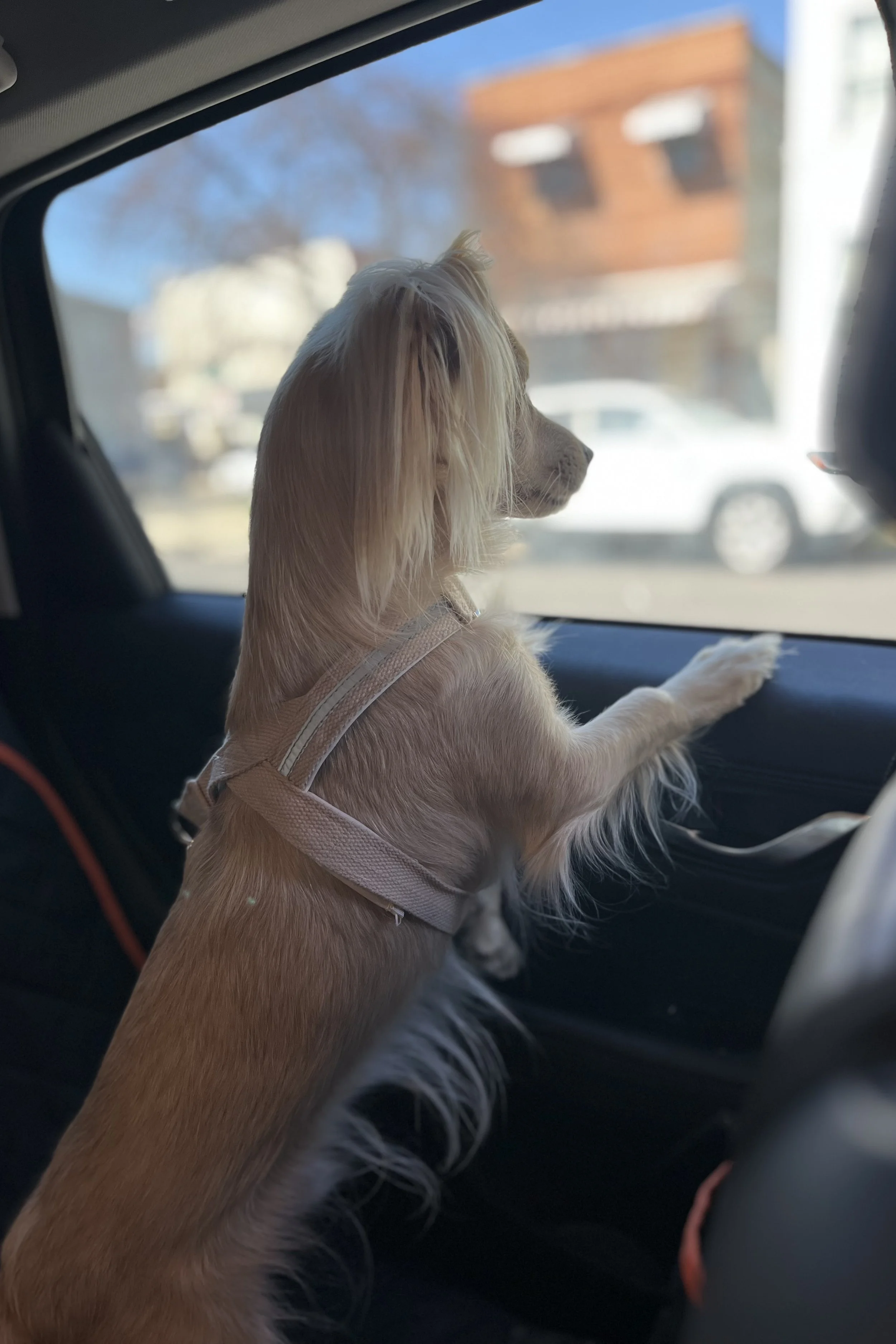
Archie spends huge stretches of travel days peering out the car window and watching everything happening around him during stops and traffic.
Archie spends huge stretches of travel days peering out the car window during stops and traffic, watching everything going on around him.
Meanwhile, Saydie often seems much more affected once we finally arrive somewhere new. Even figuring out where to potty in a completely unfamiliar place — with different smells, different routines, and entirely new surroundings — sometimes seems like a lot for her all by itself.
Travel days started making much more sense once I realized why dogs can sometimes seem so tired after travel, even when they have not actually exercised very much physically.
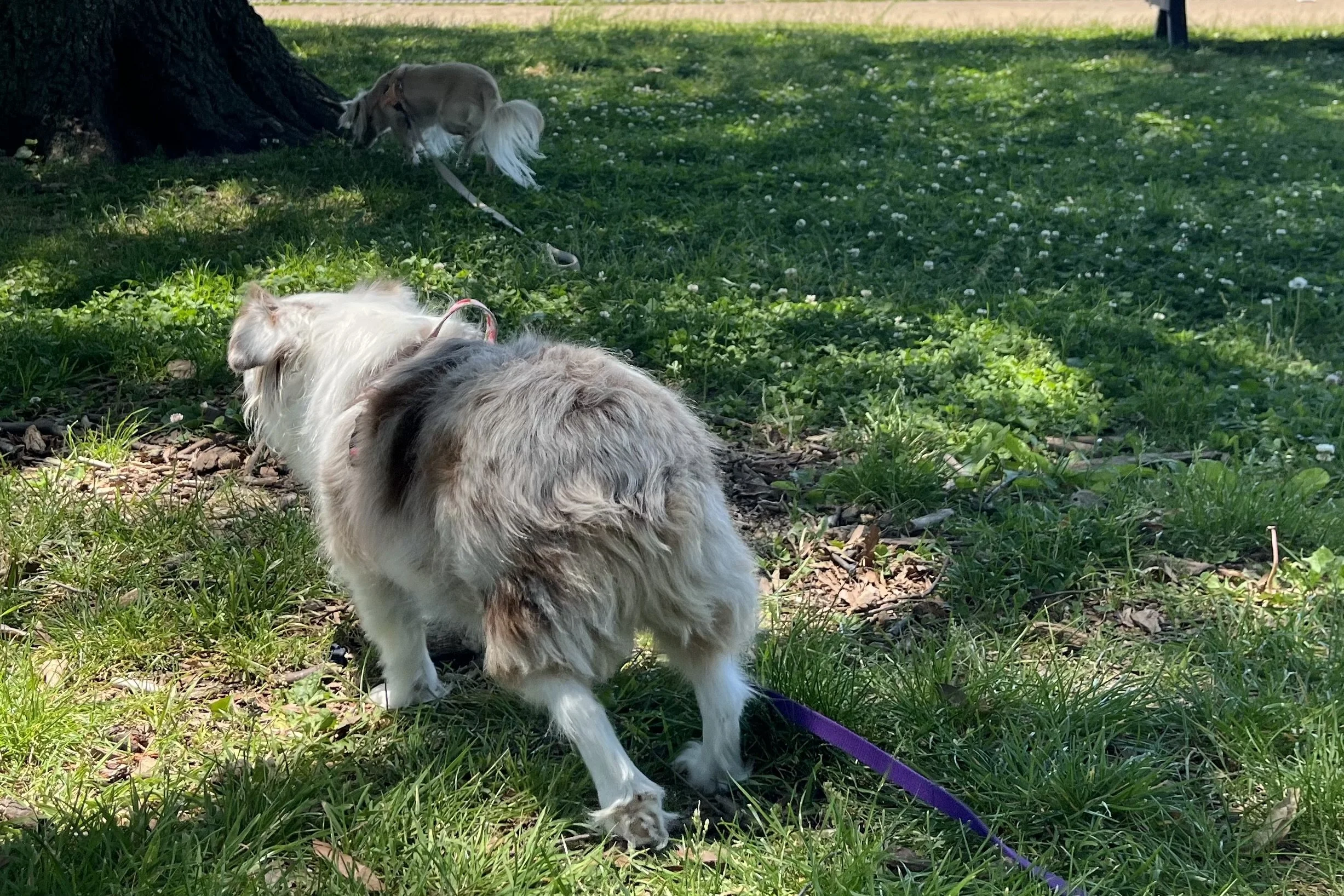
Even simple routines like potty breaks can feel very different for dogs once the environment, smells, and surroundings completely change.
Even enjoyable experiences can accumulate this way.
A restaurant patio, busy waterfront, beach town, brewery stop, or festival may all look relaxing or fun from the outside while still requiring dogs to stay mentally engaged with changing surroundings for hours at a time.
That does not mean those outings are bad.
But over time, I started realizing that more activity was not always the thing helping the dogs return to a calmer rhythm afterward.
I also started paying much more attention to how activities stacked together throughout the day — like whether it really made sense to follow a busy dog festival with another crowded stop like a restaurant patio afterward.
Sometimes what seemed to help most was the opposite:
quieter walks
familiar routes
less social activity
more uninterrupted downtime
Not because the dogs were incapable of handling stimulating outings.
But because mentally busy days sometimes seemed to keep carrying momentum long after the outing itself had technically ended.
I started noticing that dogs do not always transition instantly from a busy, exciting day back into complete relaxation the second they walk back through the front door.
Sometimes the overall pace of the day seems to matter too.
The days that felt easiest overall were often not necessarily the days with the least activity. They were the days with a better balance between stimulation, movement, familiarity, recovery, and quieter periods in between.
The Goal Is Not Less Activity — Just More Balance
None of this means dogs should avoid adventure, travel, social outings, long walks, or exciting environments.
Some dogs genuinely thrive on activity and novelty.
And physical exercise absolutely still matters.
But over time, I have started paying much more attention to the overall rhythm of the day — not just the amount of exercise itself.
I have also become much more aware of simply watching how the dogs are actually doing throughout the day — whether they seem relaxed, engaged, hesitant, overheated, nervous, mentally tired, or increasingly wound up as the environment keeps changing around them.
A lot of my other articles ultimately come back to this same idea too — whether it is dogs struggling during really hot summer days, seeming unusually tired after travel, or suddenly becoming hesitant in unfamiliar environments.
I found myself noticing things like:
how many transitions there were
how crowded the environment felt
how predictable the day was
whether there were chances to slow down in between activities
whether the day ever fully settled back down again afterward
Sometimes the dog may already be carrying quite a lot from the overall pace and stimulation of the day itself.
Not every dog needs more activity at the end of a busy day. Sometimes they just need the day to finally slow back down again.
Enjoy finding places like this?
Join Wandering Pup Travels and I'll send my newest discoveries, seasonal walks, and dog-friendly destinations straight to your inbox.
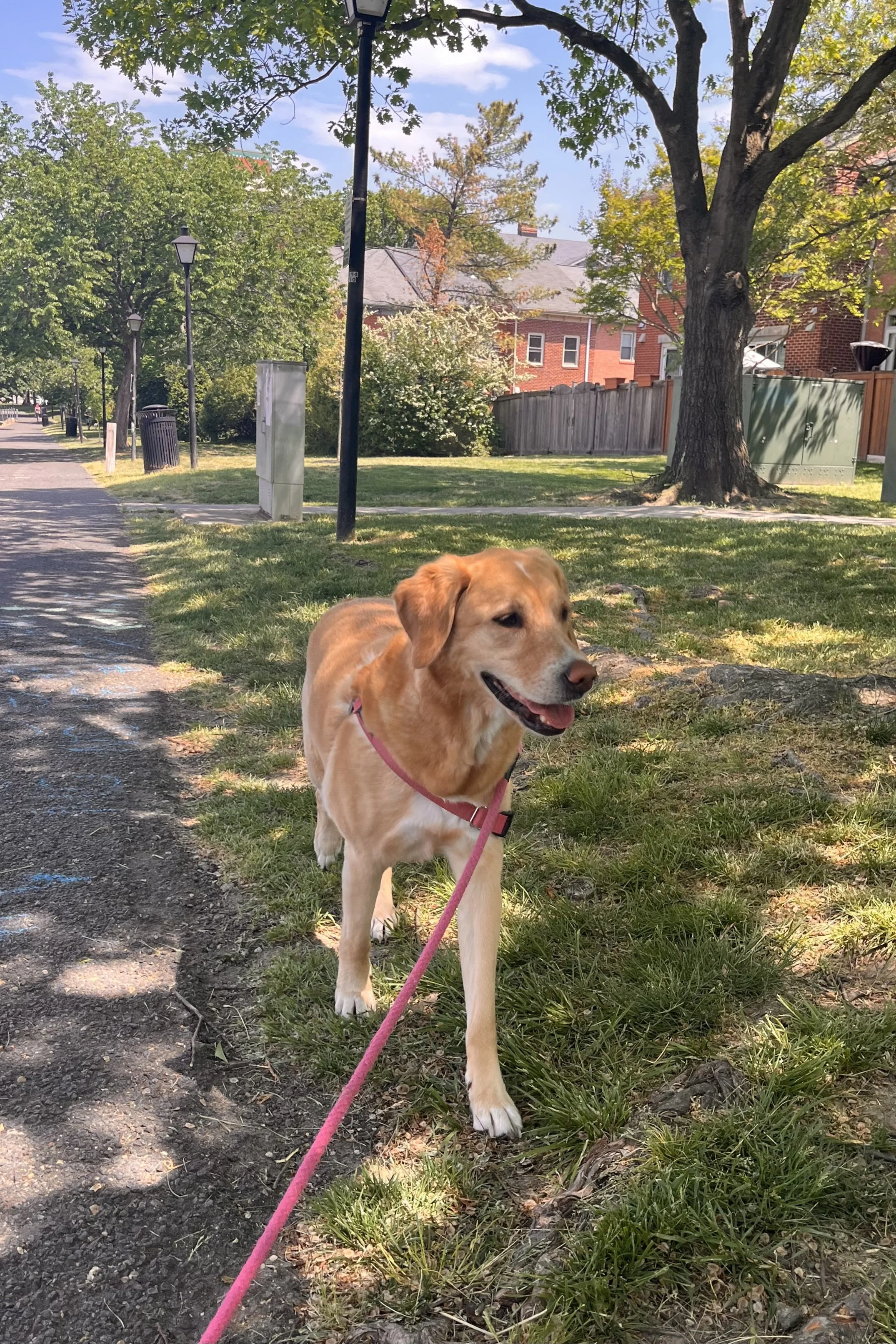
A quieter, more predictable walk can sometimes feel much easier for dogs after a mentally busy day.
