Walking Old Town Alexandria With Small Dogs: A Local Guide
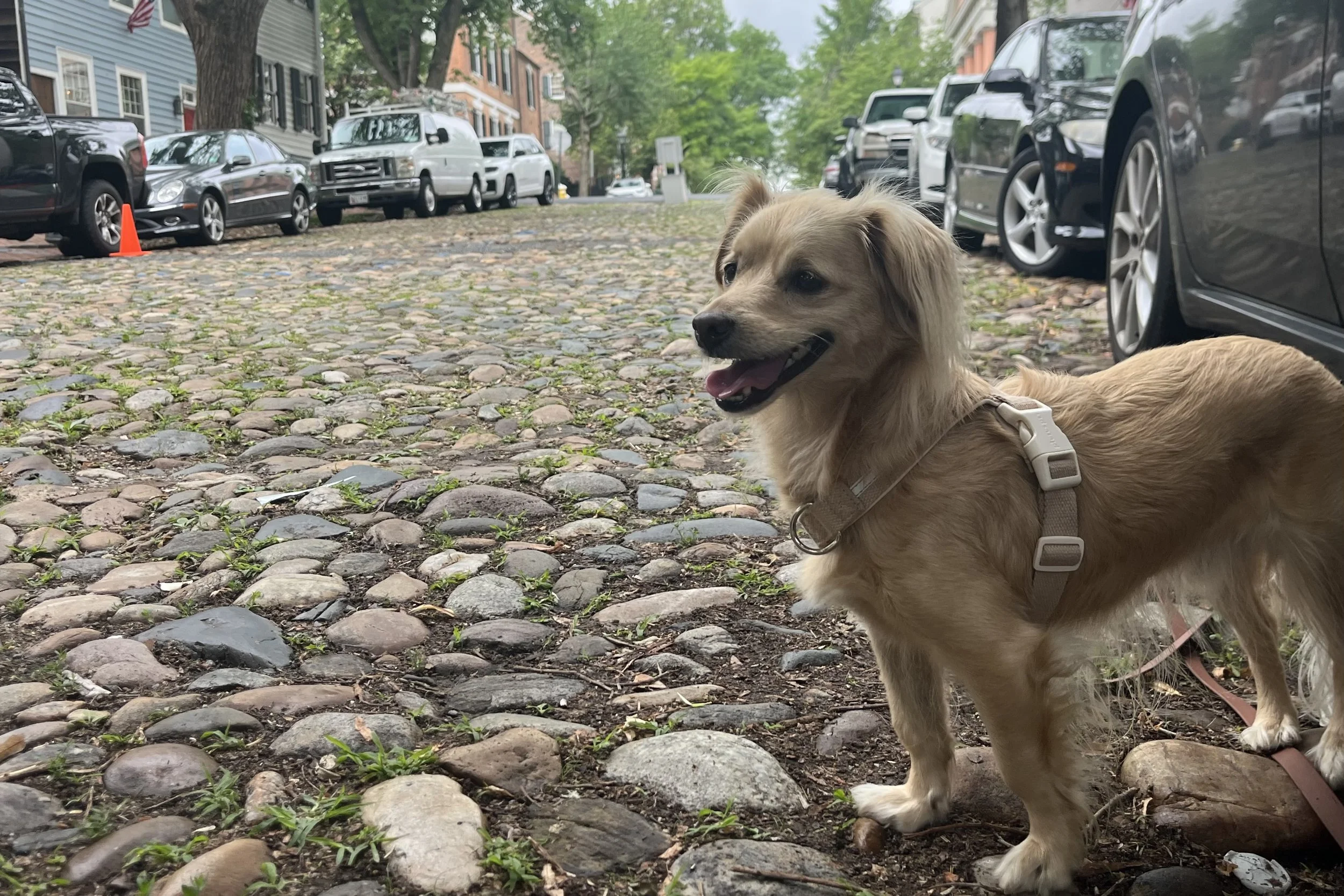
Historic cobblestone streets are part of Old Town's charm, but every block offers a different walking experience for small dogs.
Old Town Alexandria is easy to walk with a dog, but it doesn't feel the same from one block to the next.
Some streets stay relatively quiet. Others become more crowded, with narrower sidewalks and steady foot traffic, especially closer to King Street and the waterfront.
We walk Old Town almost every day, and one thing we've noticed is how quickly the feel of a walk can change. Just one block off King Street, sidewalks often become quieter, space opens up, and dogs have more room to settle into the walk.
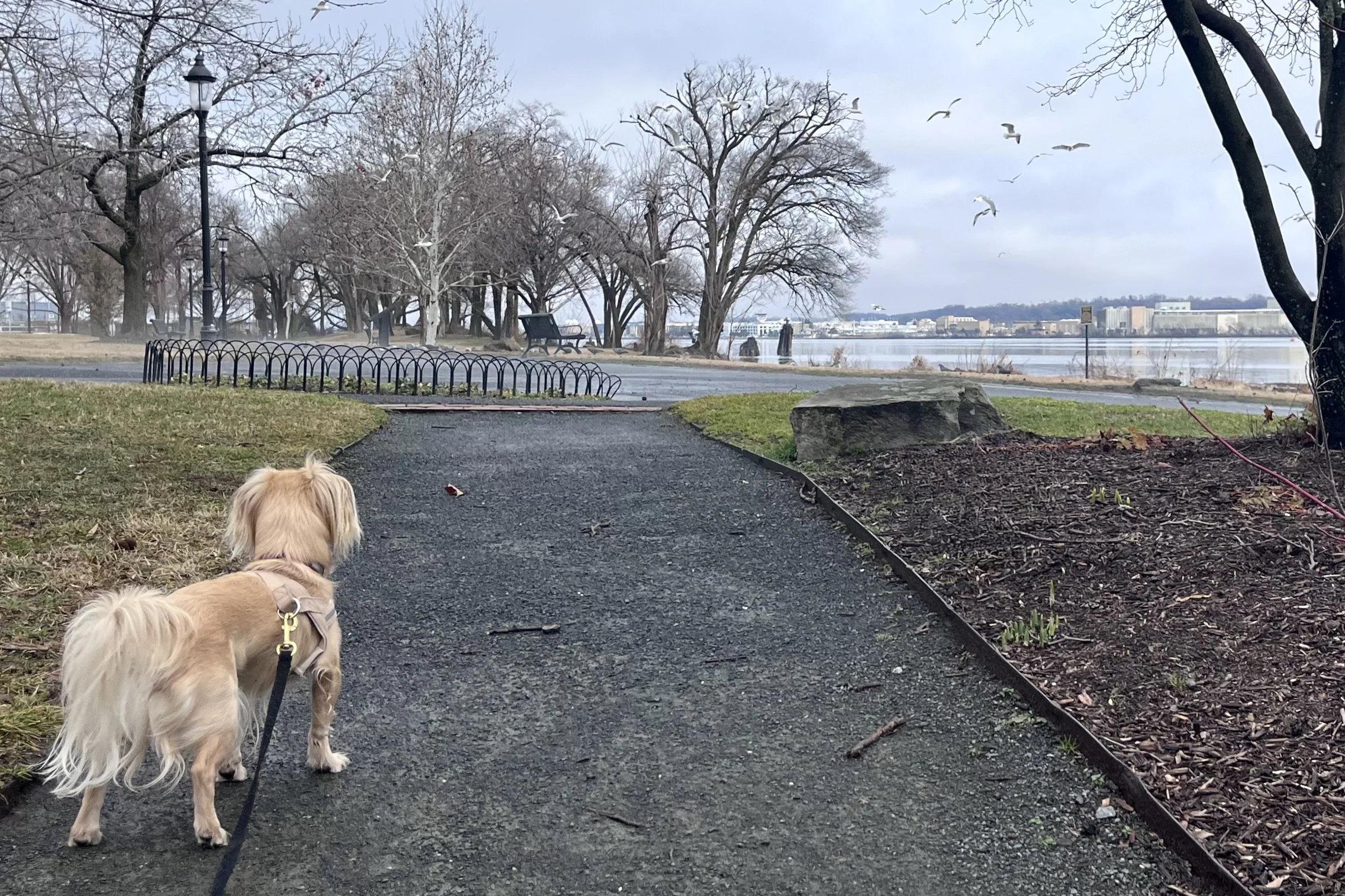
Open waterfront paths provide one of the calmer walking environments in Old Town before heading into busier streets.
For small dogs, those differences can shape the entire experience.
This guide brings those pieces together—what to expect, where to walk, and how to move through Old Town with a small dog.
What It's Really Like to Walk Old Town With a Small Dog
Old Town Alexandria changes surprisingly quickly from one block to the next.
King Street is the center of activity. Restaurants spill onto the sidewalks, storefronts invite people to stop and browse, and visitors naturally slow down as they explore. On weekends and pleasant evenings, the sidewalks can become noticeably busier, especially between Washington Street and the waterfront.
That doesn't mean Old Town isn't a good place to walk with a small dog. It simply means choosing your route makes a much bigger difference than many people expect.
One or two blocks away from King Street, the atmosphere often changes. Residential streets become quieter, sidewalks feel less compressed, and it's easier to see people, bicycles, or other dogs before they reach you. That extra space gives you more flexibility to change direction, step aside for a moment, or simply let your dog continue at a comfortable pace.
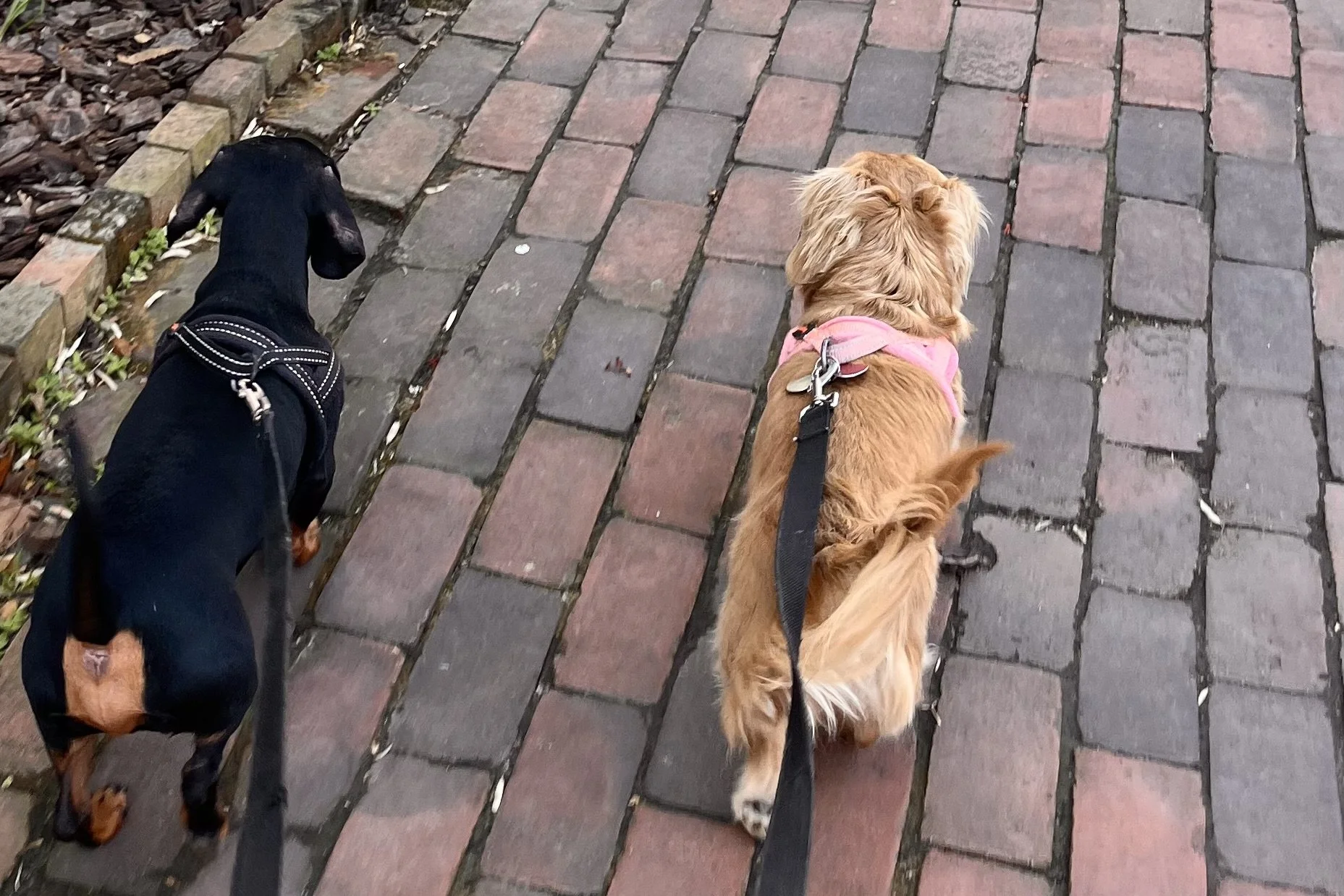
Walking through Old Town, where surface, space, and movement all shape the experience for small dogs.
We've found that these small changes often shape the entire walk. In busier areas, dogs tend to spend more time watching what's happening around them. They may pause more often, scan approaching pedestrians, or hesitate before continuing. Move to a quieter street, and the pace often changes. Dogs sniff more, walk more steadily, and spend less time monitoring everything around them.
Time of day also affects the experience. Early mornings are generally the calmest, with quieter sidewalks and fewer people moving through the neighborhood. Weekday afternoons often remain manageable outside the busiest blocks. Evenings, especially during warm weather, tend to bring the most activity as restaurant patios fill and more people head toward the waterfront. Special events and festivals can increase foot traffic well beyond the main streets.
Fortunately, Old Town also offers plenty of places to slow things down. Waterfront parks, neighborhood green spaces, wider residential streets, and quieter side blocks create natural opportunities to pause before continuing your walk. Rather than trying to avoid activity altogether, it often works better to move between livelier streets and calmer spaces throughout your visit.
That's one of the reasons we enjoy walking here so often. Old Town isn't simply busy or quiet. It's a neighborhood with constant variation, and once you begin to recognize those patterns, planning a comfortable walk becomes much easier.
The articles below explore different parts of that experience in more detail.
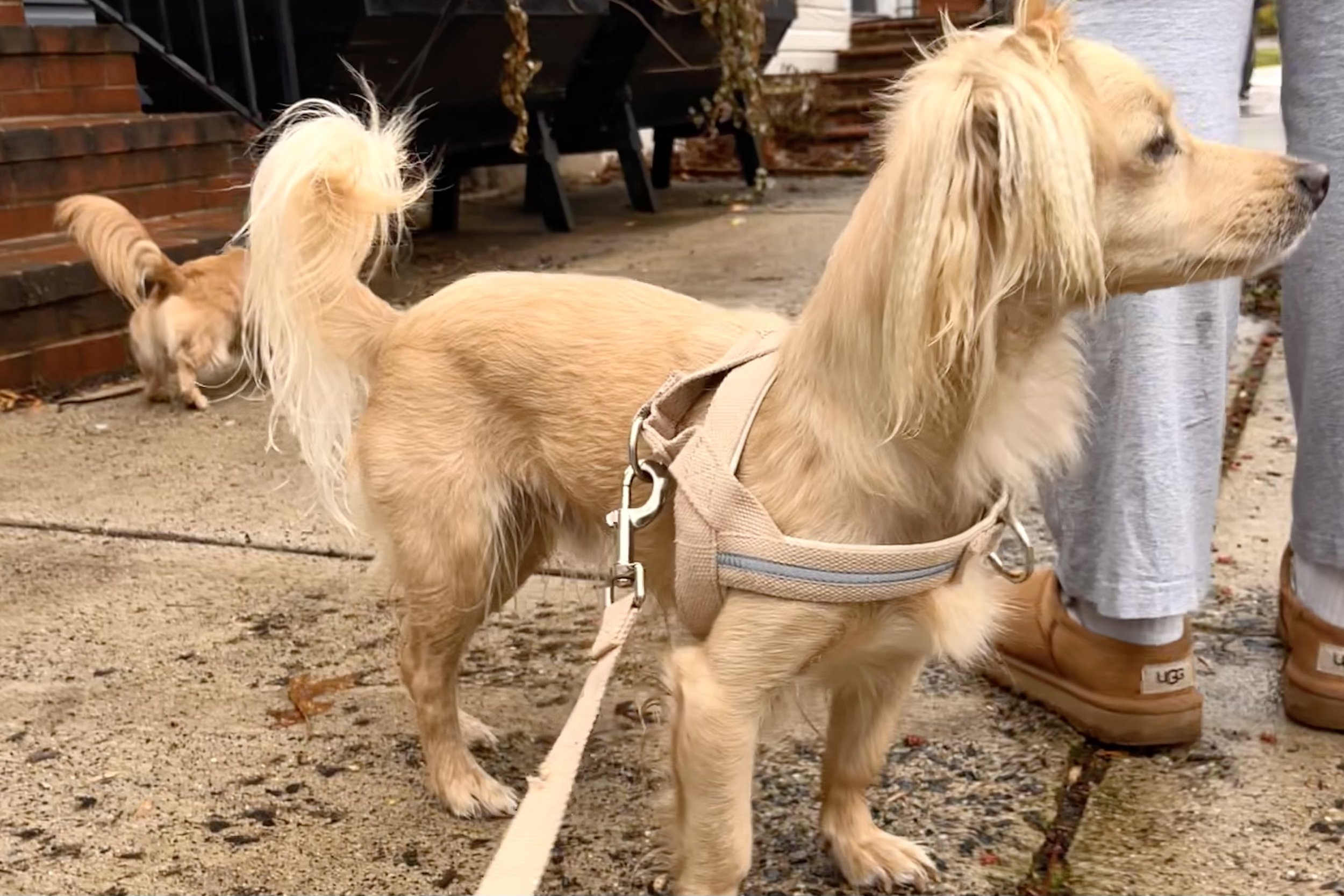
Dogs often pause to assess their surroundings, especially in tighter, more active areas of Old Town.
Walking Routes & Tips
How to Walk Old Town Alexandria With a Small Dog (Without Overwhelm)
Learn how to choose calmer streets, avoid the busiest areas, and create a more comfortable walking experience through Old Town.
When to Leave Old Town Alexandria With a Small Dog
Recognize the early signs that your dog is becoming overwhelmed and know when it's time to change your route or call it a day.
Short, Calm Walk Loops in Old Town Alexandria
Easy 10–20 minute routes that stay predictable, spacious, and well suited for dogs who do best in quieter environments.
Longer Dog Walks in Old Town Alexandria That Feel Easy
Extended walking routes that maintain a steady pace and open feel without becoming more demanding.
Parks & Green Spaces
Best Parks and Green Spaces in Old Town Alexandria
Discover local parks where small dogs have more room to explore, sniff, and settle away from the busiest streets.
Scenic, Easy Dog Walks Near Old Town Alexandria
Waterfront paths and nearby walks that offer a quieter alternative when you want more space than downtown provides.
Old Town Alexandria Waterfront Walk (Start to Finish)
Follow the waterfront from end to end, with tips on where the path feels busiest, where it opens up, and where to pause along the way.
Planning Your Visit
What to Do With Your Dog in Old Town Alexandria (That Isn't Just Walking)
Ideas for relaxing stops, dog-friendly experiences, and enjoyable ways to spend time together beyond a traditional walk.
What to Do With Your Dog in Old Town Alexandria When It's Too Hot for a Long Walk
Shaded walks, indoor-friendly stops, and shorter outings that make summer visits more comfortable for both you and your dog.
Dog-Friendly Takeout in Old Town Alexandria + Nearby Parks to Eat In
Pick up food from local favorites and enjoy it in quieter parks or waterfront spaces instead of busy restaurant patios.
Is Old Town Alexandria Dog-Friendly for Small Dogs?
A local perspective on walkability, crowd levels, open space, and what the experience is really like for small dogs.
Local Experiences
The Cookie Circuit in Old Town Alexandria
Discover one of Old Town's favorite dog traditions and the local shops where treats have become part of the neighborhood routine.
Best Sunset Spots in Old Town Alexandria
Find peaceful waterfront locations where you and your dog can slow down and enjoy some of the area's best evening views.
When Open Space Makes a Difference
Not every part of Old Town feels equally busy. Parks and open waterfront spaces offer room to slow down, take a break, and enjoy a calmer pace. These guides highlight places where small dogs often have more space to explore and relax.
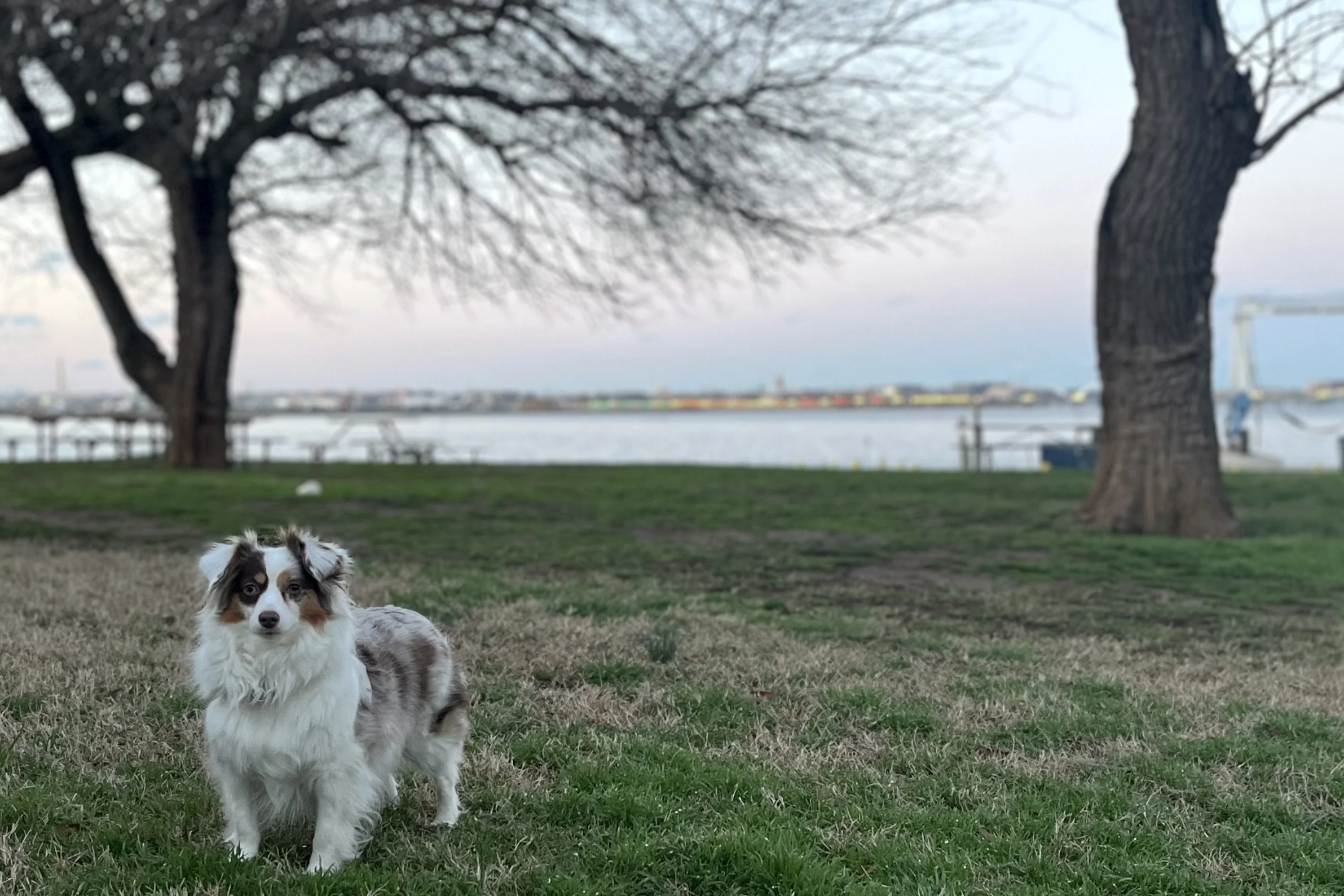
Open spaces along the waterfront offer a quieter, more relaxed walking environment for small dogs.
Why Some Parts of Old Town Feel Easier Than Others
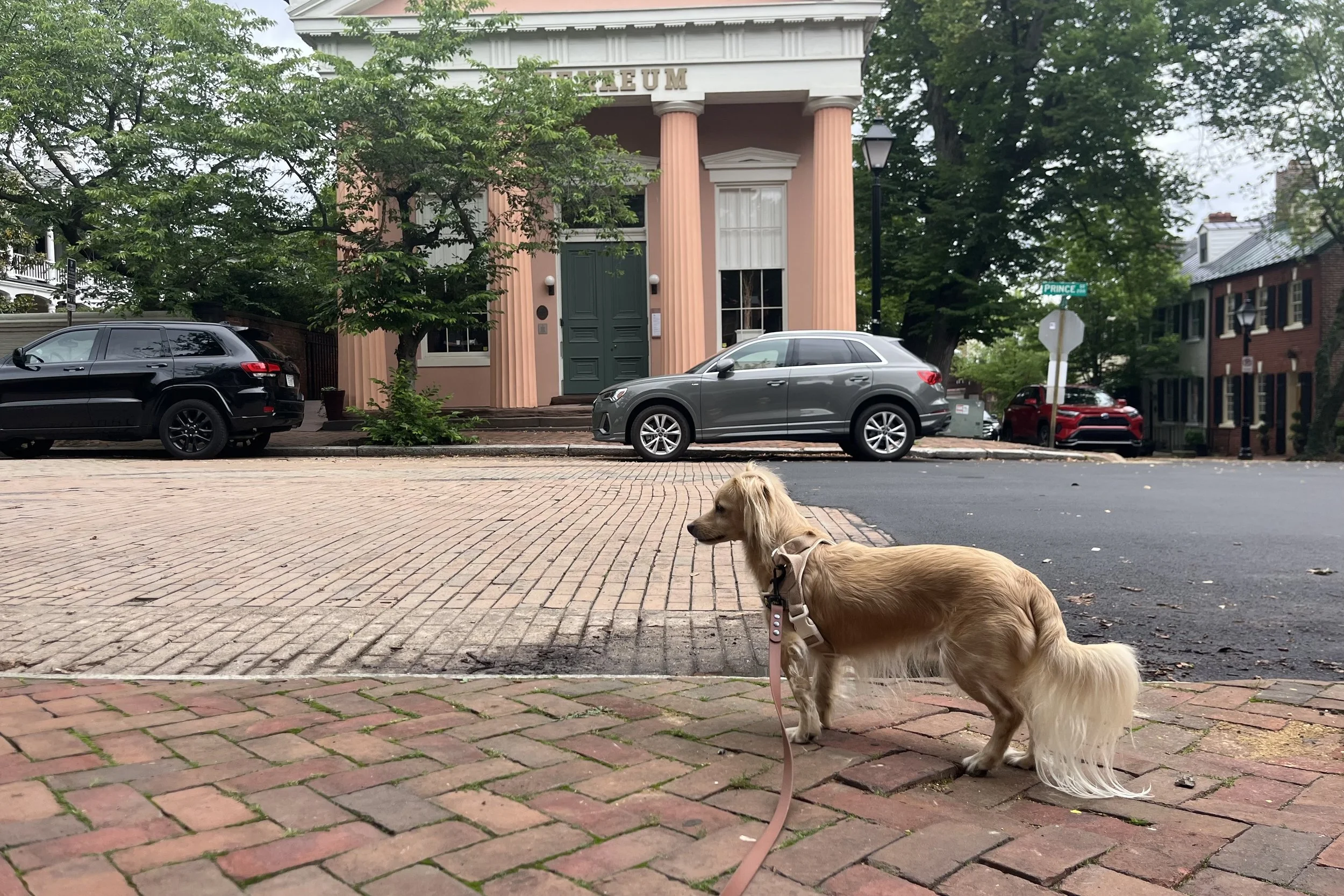
Small changes in surface and elevation can affect how a walk feels for small dogs.
In Old Town, small environmental shifts — like surface changes, elevation, and crowd flow — can noticeably change how a walk feels for a small dog.
These guides explain why certain parts of Old Town feel easier or more difficult to walk — especially for small dogs.
Is Old Town Alexandria dog-friendly for small dogs?
A full breakdown of walkability, crowd levels, rest space, and overall comfort.
Why small dogs struggle on busy sidewalks
How proximity, pace, and foot traffic affect small dogs in tighter, more crowded spaces.
Local Dog Culture
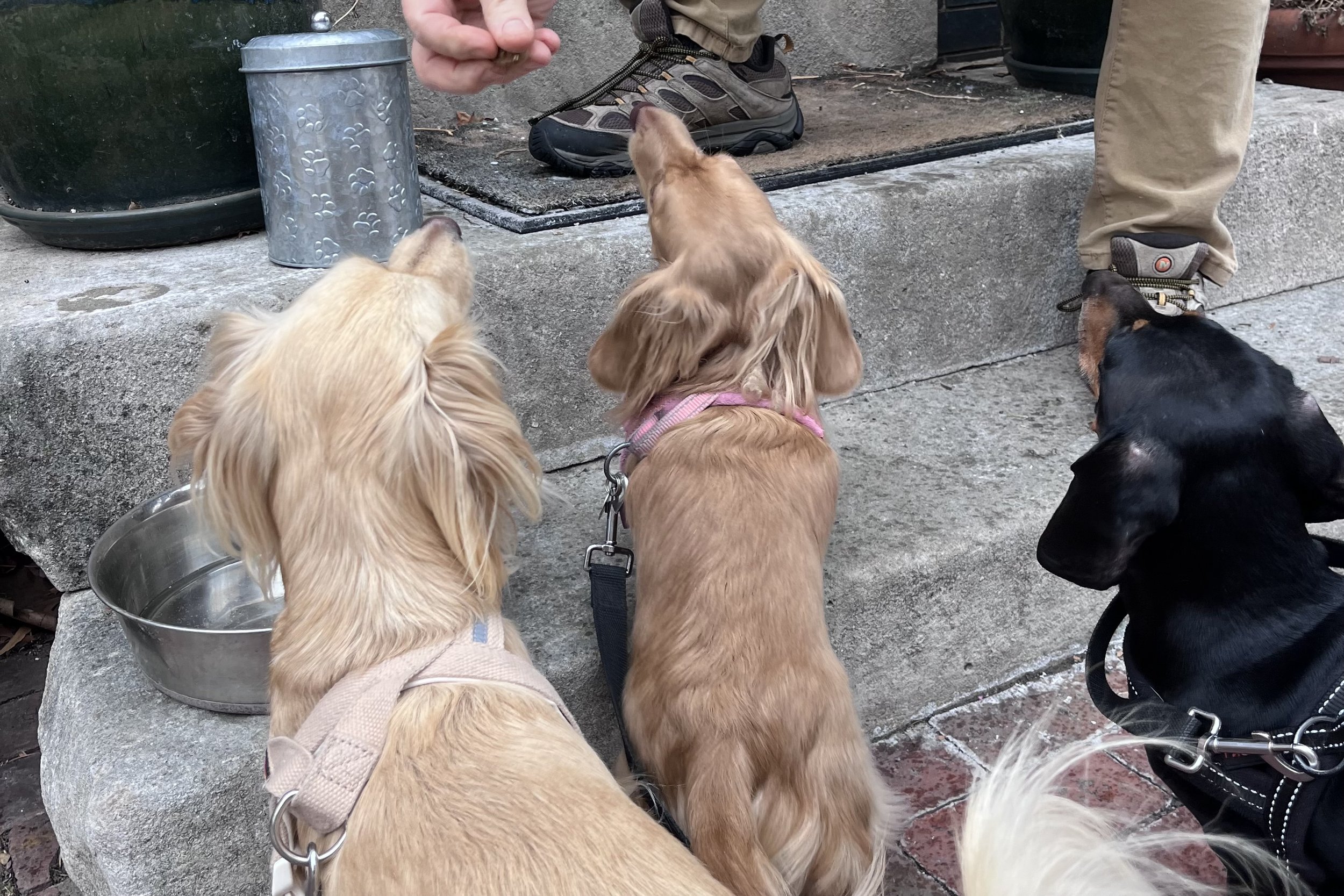
Moments like this are part of everyday life — dogs are welcomed, included, and part of the neighborhood rhythm.
Over time, dogs begin to recognize patterns in the neighborhood — including where certain stops happen.
The Cookie Circuit in Old Town Alexandria
How local dogs learn exactly where treats are waiting and how routines shape their movement through the area.
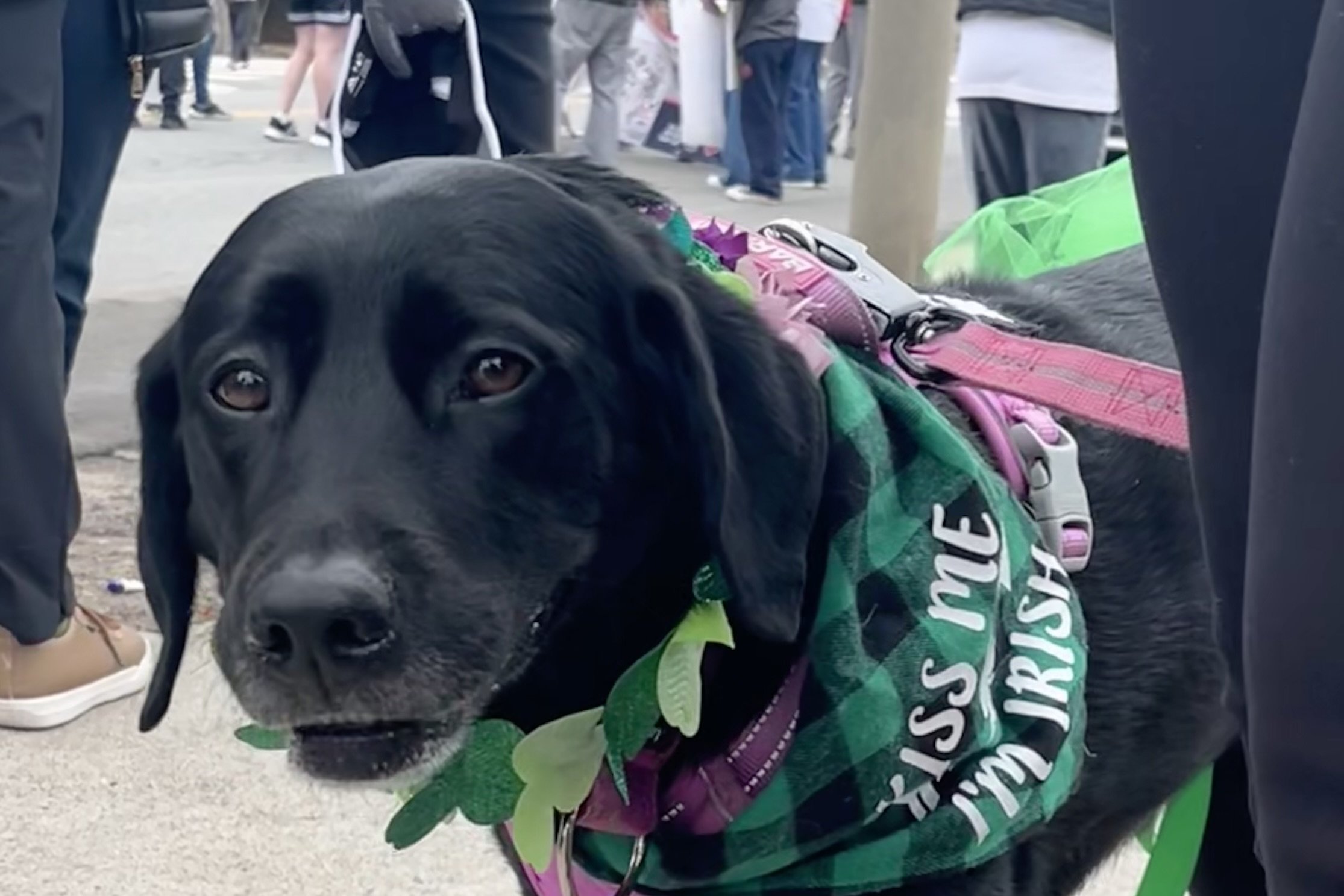
On weekends and special events, dogs are just as much a part of the community — often joining in right alongside everyone else.
Scenic Moments
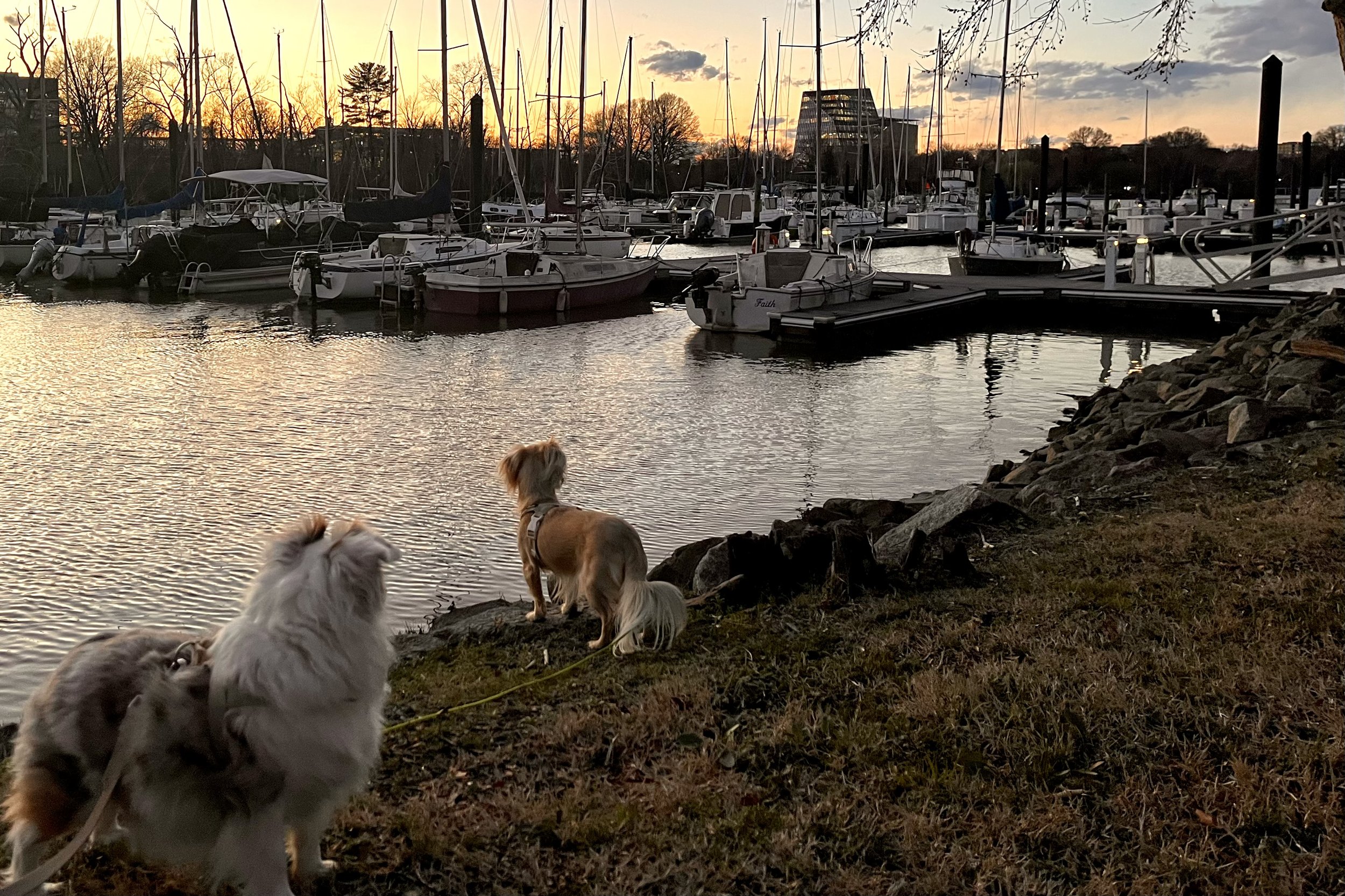
As the sun sets along the Potomac, the waterfront becomes a quieter place to pause and take in the view.
Some parts of Old Town naturally slow down in the evening, especially along the waterfront.
Best sunset spots in Old Town Alexandria
Quiet waterfront locations where the pace softens and space opens up toward the end of the day.
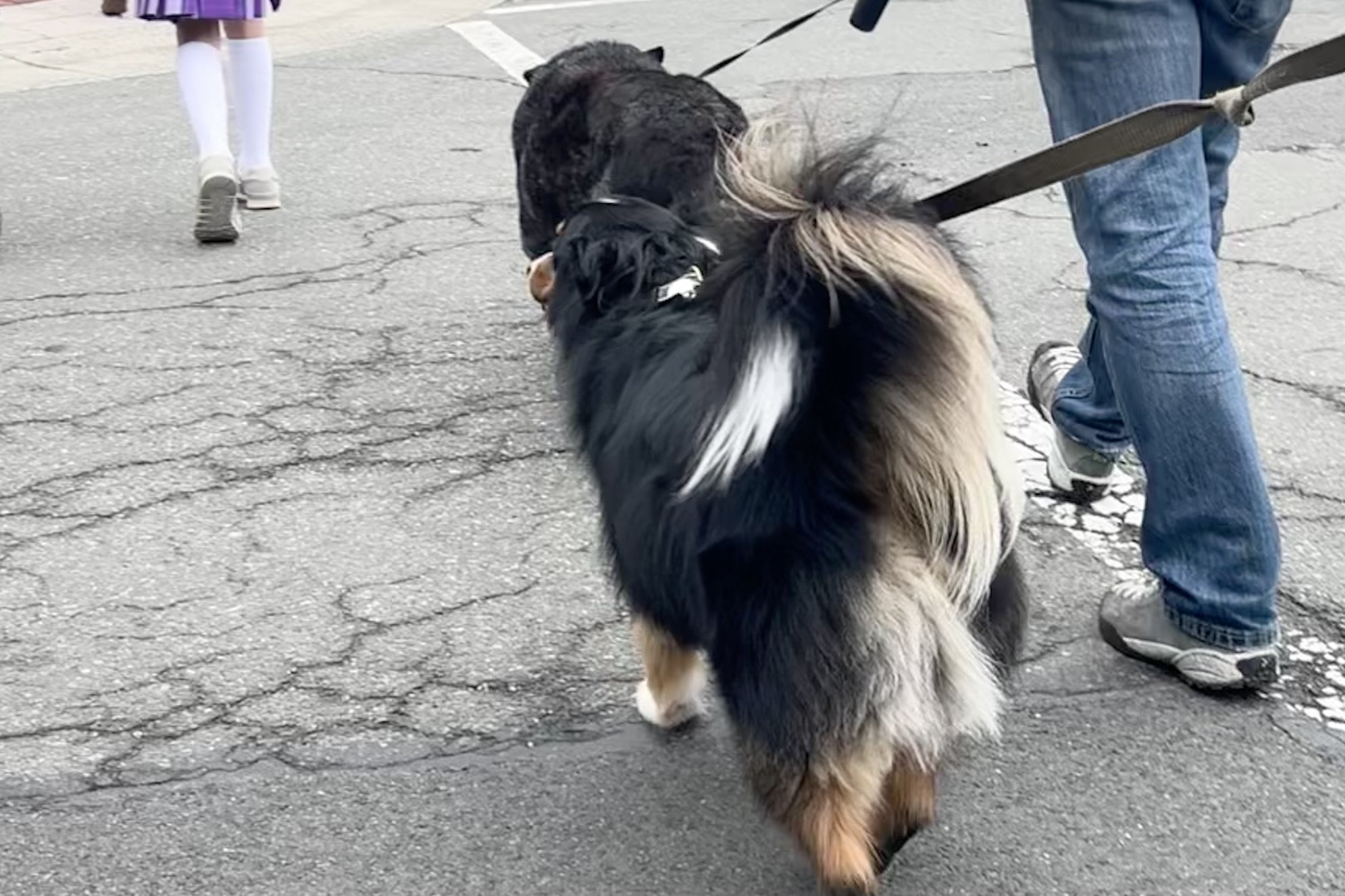
Walking through Old Town often means sharing space with other pedestrians — something to keep in mind when planning your visit with a dog.
Planning Beyond Old Town
These guides help you think beyond a single walk, making it easier to choose destinations, travel more comfortably, and prepare for outings with your dog.
The Small Dog Comfort Index
A framework for evaluating how demanding a destination is likely to feel before you arrive.
Traveling Calmly With Small Dogs
Learn how pacing, routine, and the environment shape your dog's overall travel experience.
Dog Travel Packing List
A practical checklist of essentials to help your dog stay comfortable on day trips and overnight adventures.
Old Town becomes much easier to navigate once you understand how it shifts from block to block—where space tightens, where it opens, and when to adjust your route.
With that awareness, it becomes a place you can move through more comfortably—not just for your dog, but for the overall experience of the walk.
