The Cookie Circuit: How Small Dogs Map Certain Streets in Old Town Alexandria
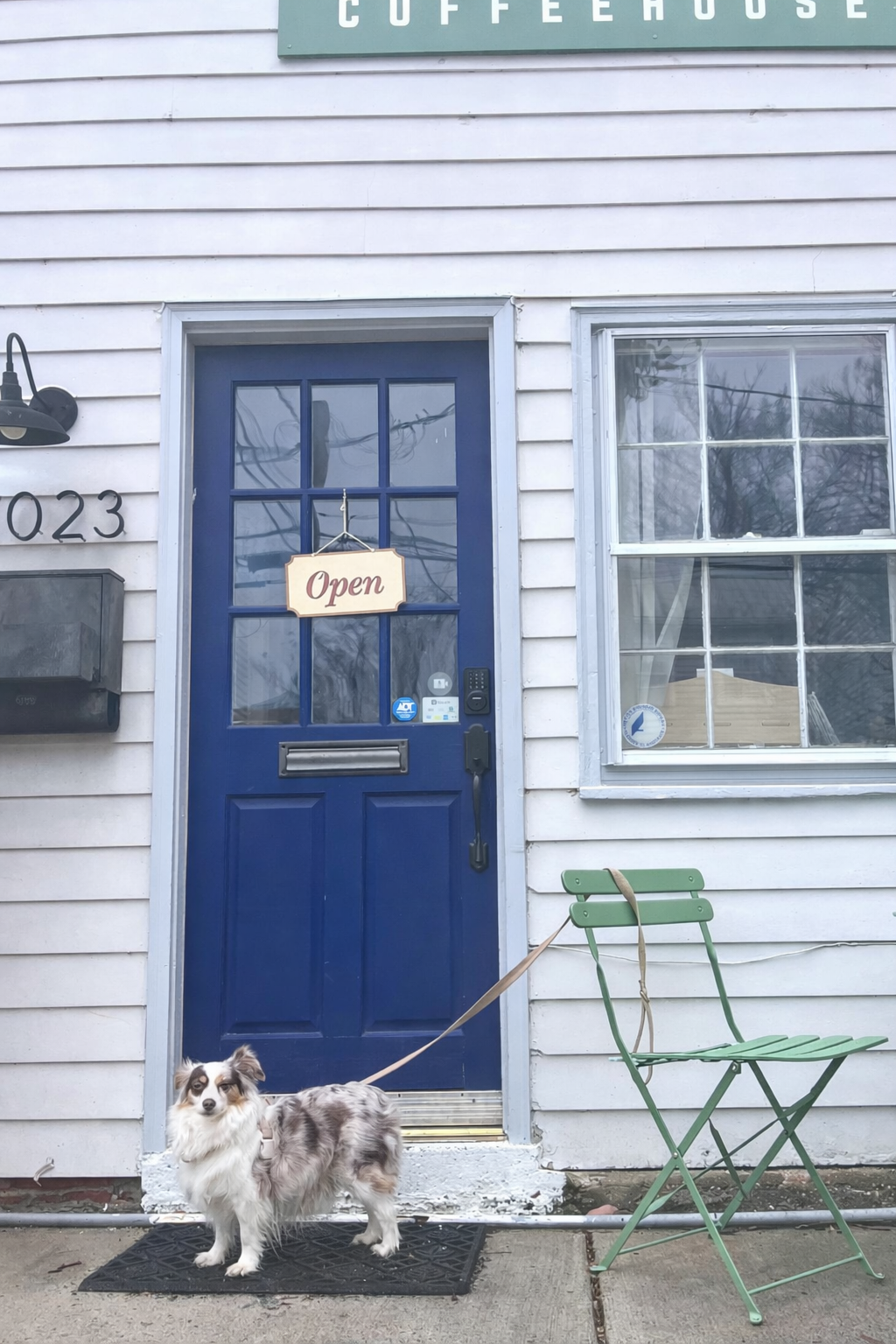
Waiting outside the coffeehouse during a neighborhood walk in Old Town Alexandria.
In Old Town Alexandria, some small dogs quickly learn where the neighborhood treat stops are.
They start directing the walk toward certain houses.
They lead you straight to the doors of specific storefronts.
They stop there and wait.
After a few consistent walks in Old Town, the dogs stop letting you choose the route.
It’s not random. They remember.
Over time, the walk becomes clear. It’s shaped by where the biscuits are waiting.
If you're new to the area, learning how to walk Old Town Alexandria with a small dog becomes easier once you understand how stimulation builds from block to block.
How Dogs Begin Mapping the Neighborhood
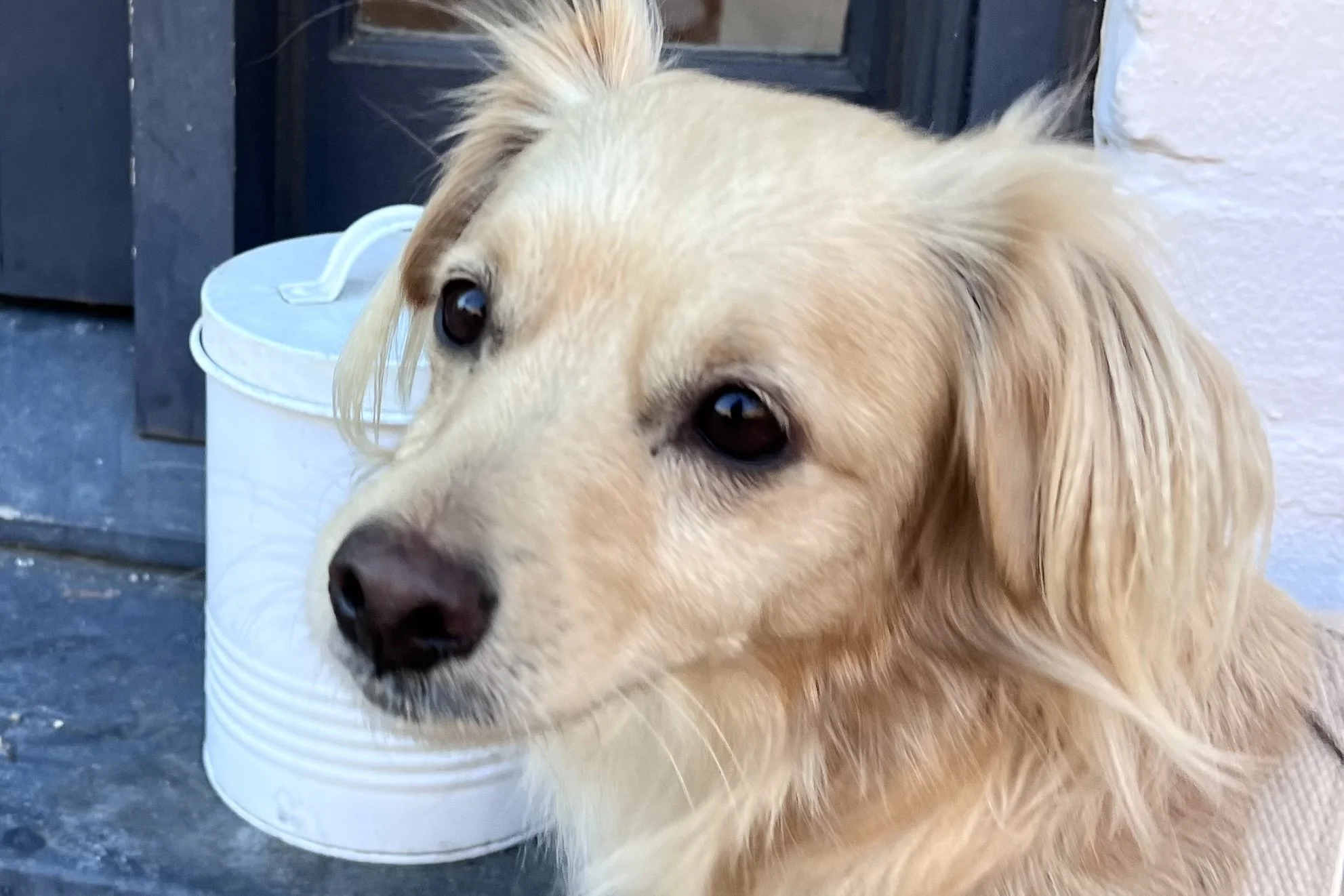
Some treat stops reveal themselves quickly once dogs know the route.
Along King Street, several storefronts keep dog biscuits near their entrances.
Many of these stops appear along the same streets that make up some of the scenic dog walks in Old Town Alexandria.
Some shops, like Shop Made in VA, greet dogs with biscuits when you walk in.
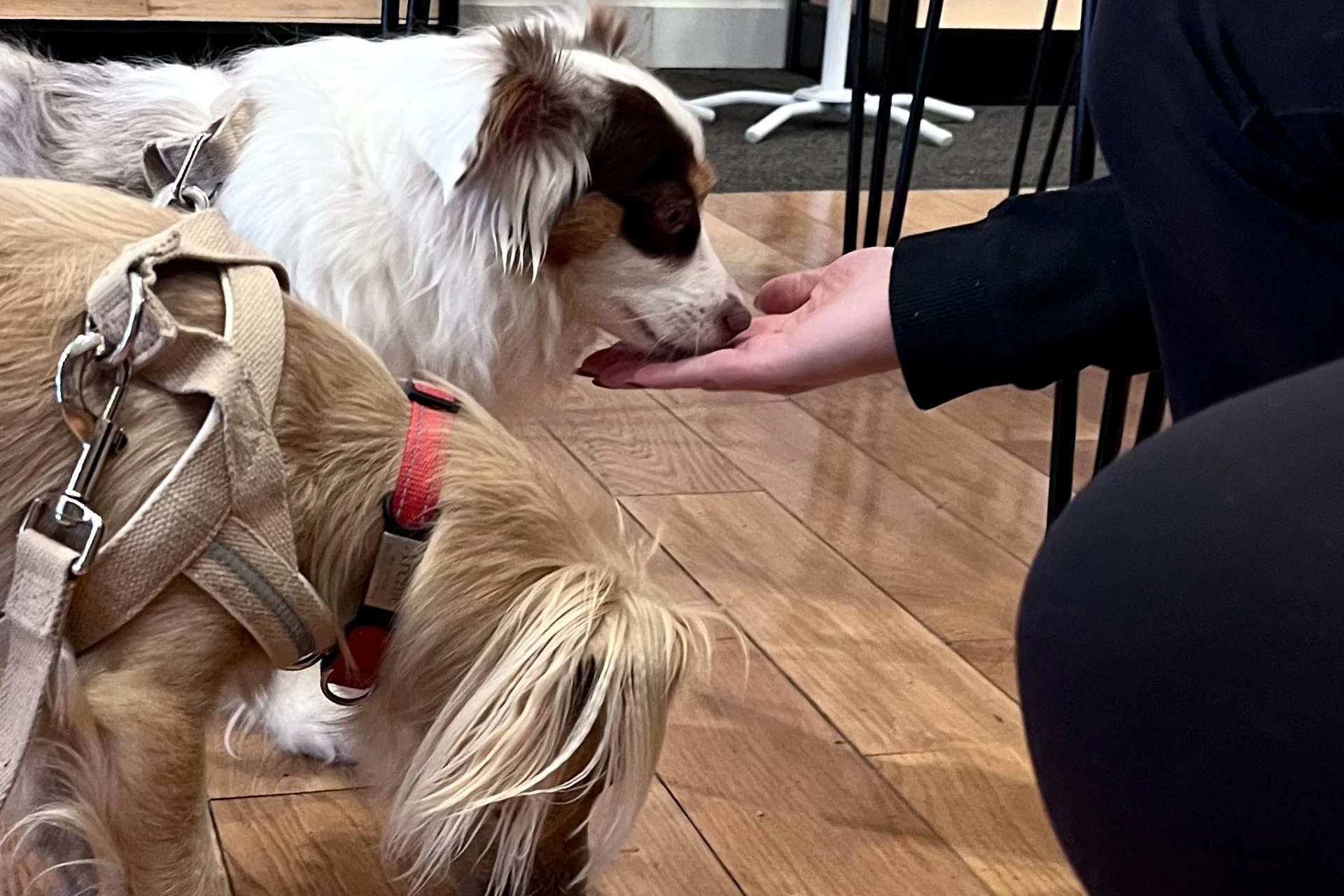
Dogs are often greeted just as warmly as their owners.
And when you step inside with a dog, the pattern often continues — staff greet you, and many will ask first before offering a treat.
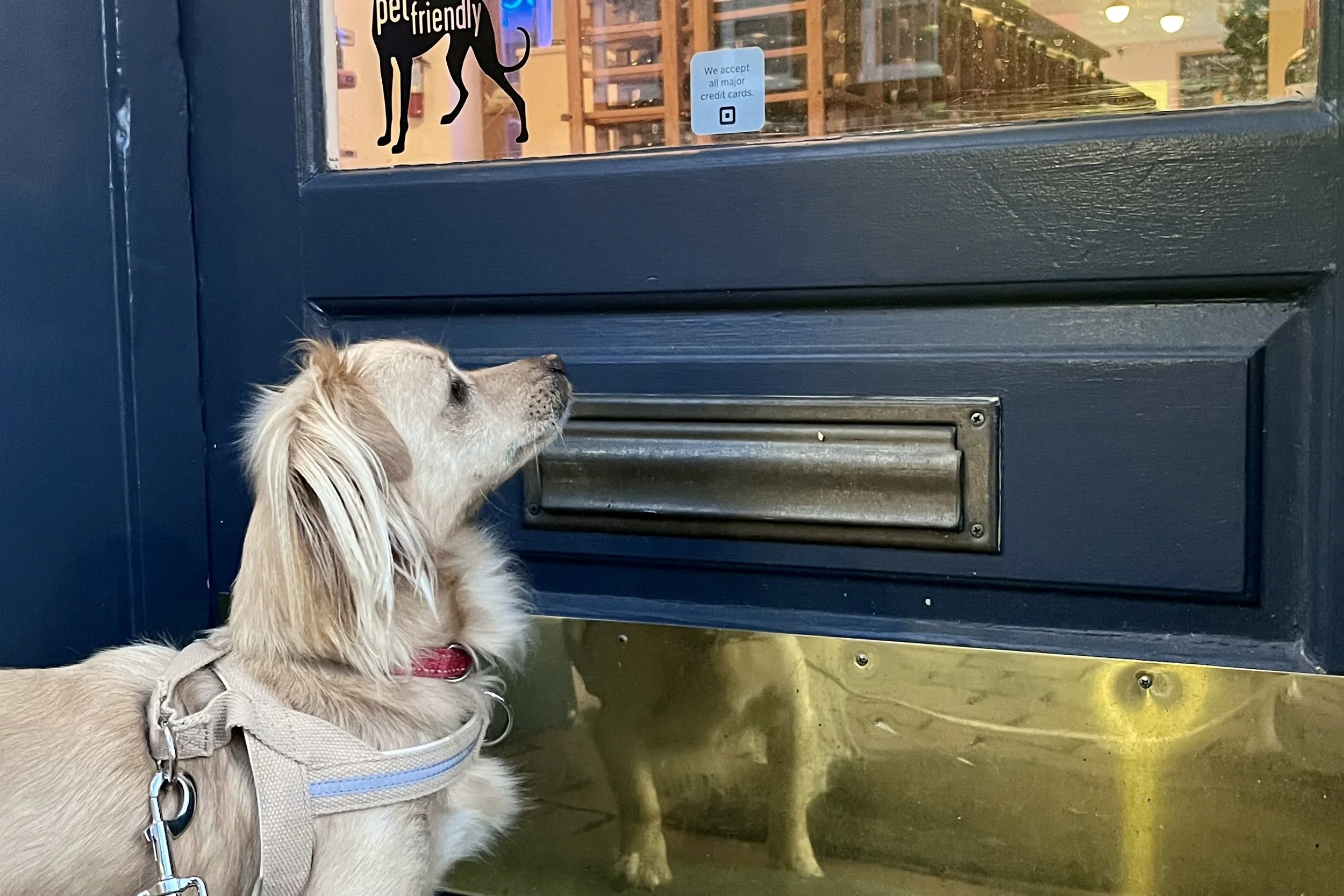
Many Old Town shops quietly welcome dogs inside.
Whether you're stepping into Pacers Running on the corner of King and Payne or stopping at Le Vintage Wine Shop for a bottle, dogs are welcomed in many of the neighborhood shops.
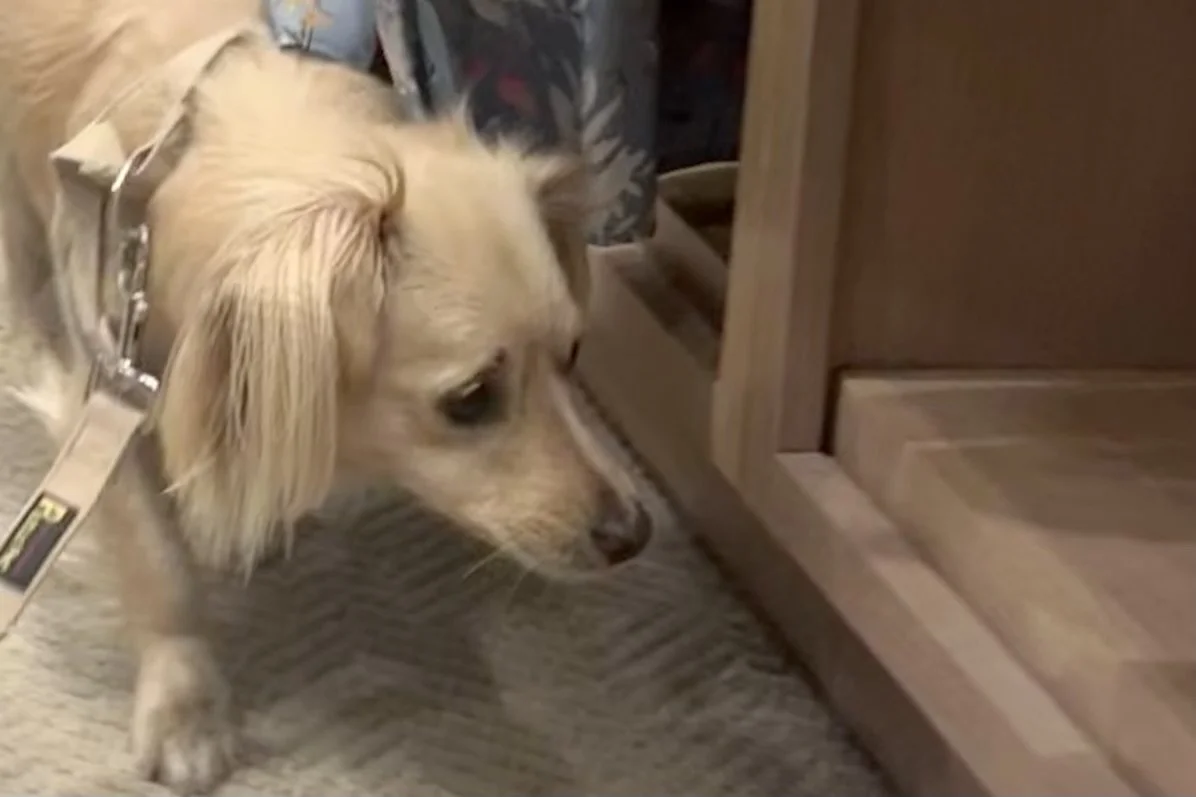
Once inside, curious noses start exploring immediately.
A few doors down on Payne Street, Ms. Moxie’s Moon Shop keeps a small tin of biscuits outside — the kind that look like little Cheez-Its. Dogs notice that one quickly.
The Stops Dogs Remember
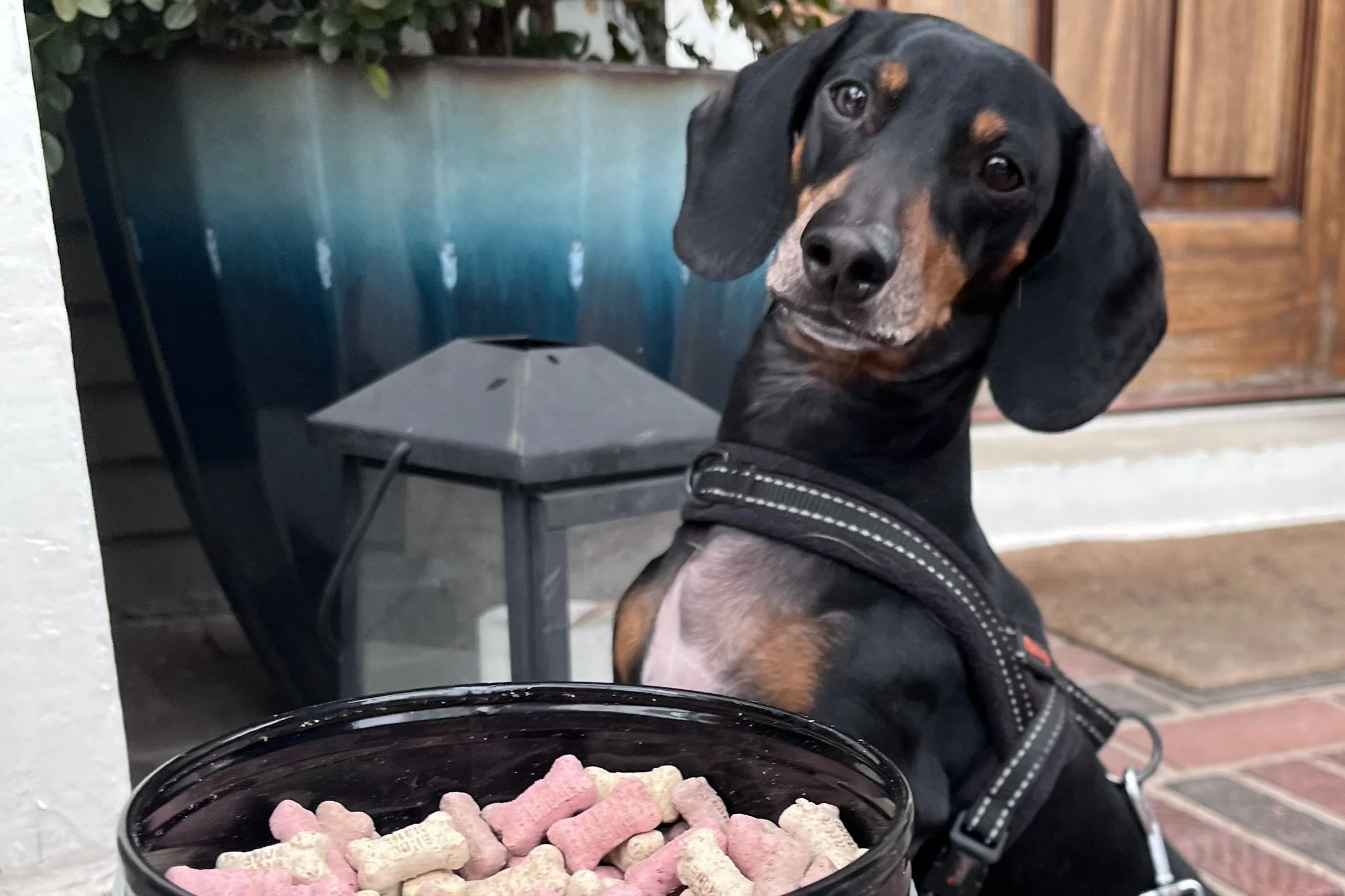
Some stops on the Cookie Circuit leave little doubt about why the dogs insist on visiting.
On one block of Princess Street, there’s more than one treat tin within a short stretch.
The dogs know it. They angle that direction almost immediately, long before we reach the corner.
And on the way home, they always make for Henry Street — there’s one last tin there that seems to mark the final stretch.
The dogs begin to anticipate each stop.
As we pass certain doors, their pace shifts.
Sometimes it’s a subtle slowdown.
Sometimes it’s a full stop.
One dog I walk — a large, determined guy — will lie down right on the sidewalk if we try to pass a known treat stop.
He’s not tired.
He’s waiting.
And he’s not moving until he gets his biscuit.
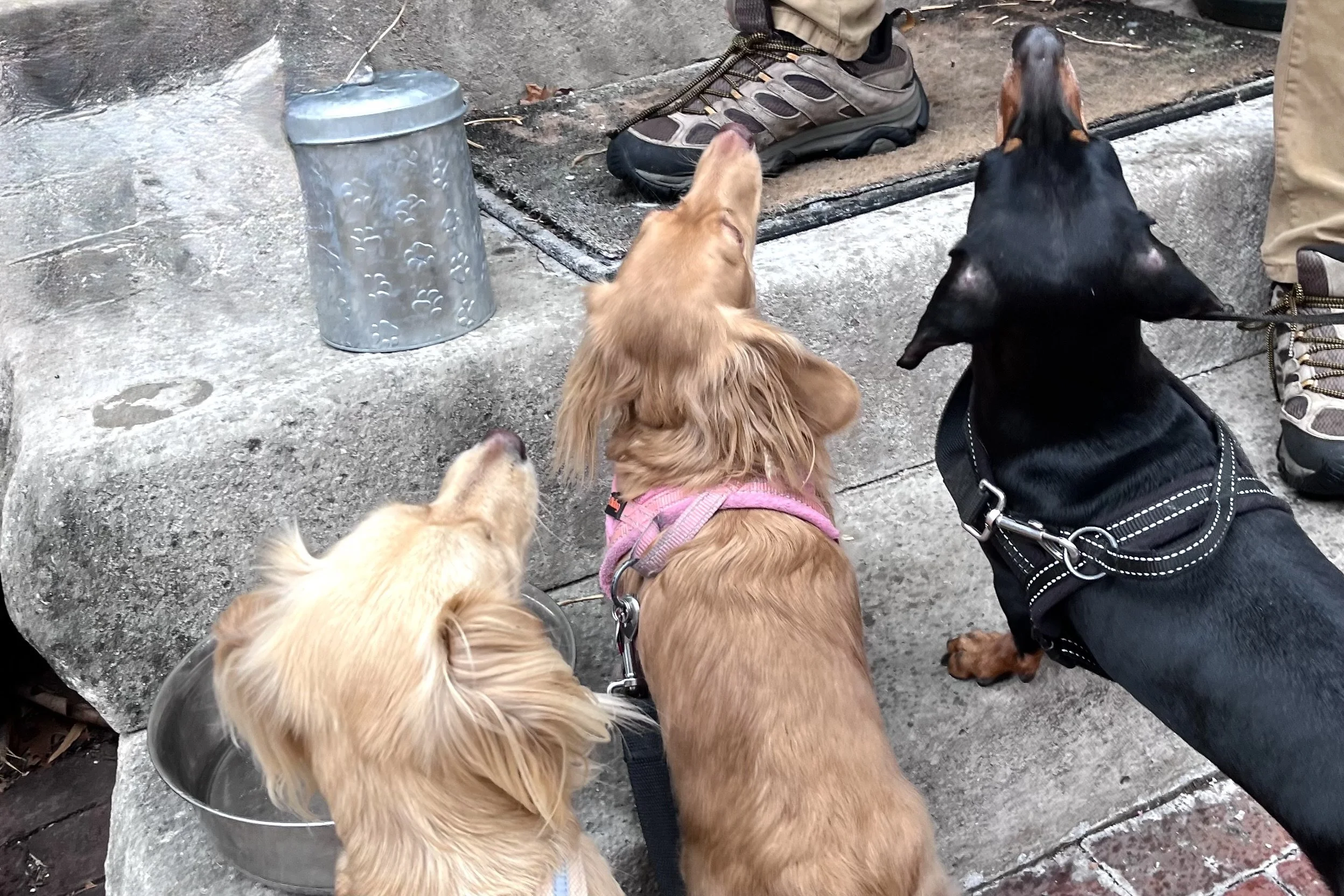
Once the treat tin appears, the dogs know exactly what part of the walk comes next.
We Started Calling It the Cookie Circuit
It isn’t wandering. It’s a sequence.
We started calling it the Cookie Circuit.
For treat-driven dogs especially, the circuit is deeply satisfying.
Each stop builds anticipation.
Each pause delivers the reward.
The walk becomes structured — not just a loop around the block, but a series of small, predictable moments the dogs recognize.
This kind of repetition is one reason familiar walking routes matter so much for dogs.
That structure is one reason Old Town Alexandria works surprisingly well for small dogs, even when the sidewalks get busy.
Why the End of the Walk Matters
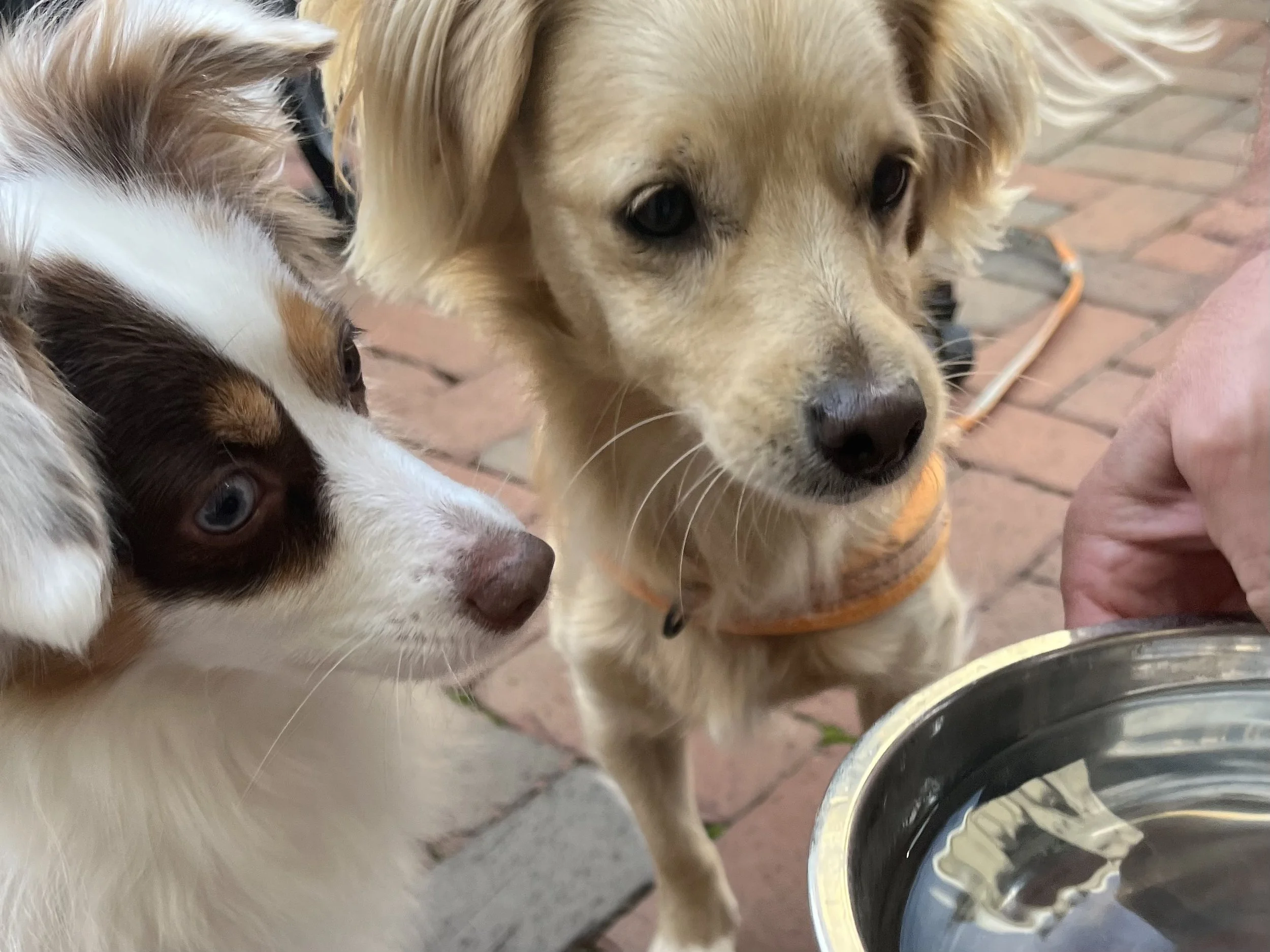
A familiar stop for water often becomes part of the routine at the end of a neighborhood walk.
And the sequence rarely ends mid-route.
For many dogs, the final stop matters just as much as the first.
A biscuit before going back inside.
A pause at the concierge desk.
A familiar checkpoint before the elevator doors close.
If that step is skipped, the sequence feels unfinished.
When I return a dog to their apartment building after a walk and I’m about to head out, they’ll often stop and look up, waiting.
They’re not confused. They’re simply expecting the routine to finish the way it usually does.
I’ve learned to carry backups in my pocket.
When we reach that final moment before I leave, a small treat closes the loop.
On days when I don’t have a biscuit, even a few pieces of kibble from their food stash will do.
It isn’t really about the biscuit.
It’s about completing the routine.
Every Neighborhood Has Its Own Cookie Circuit
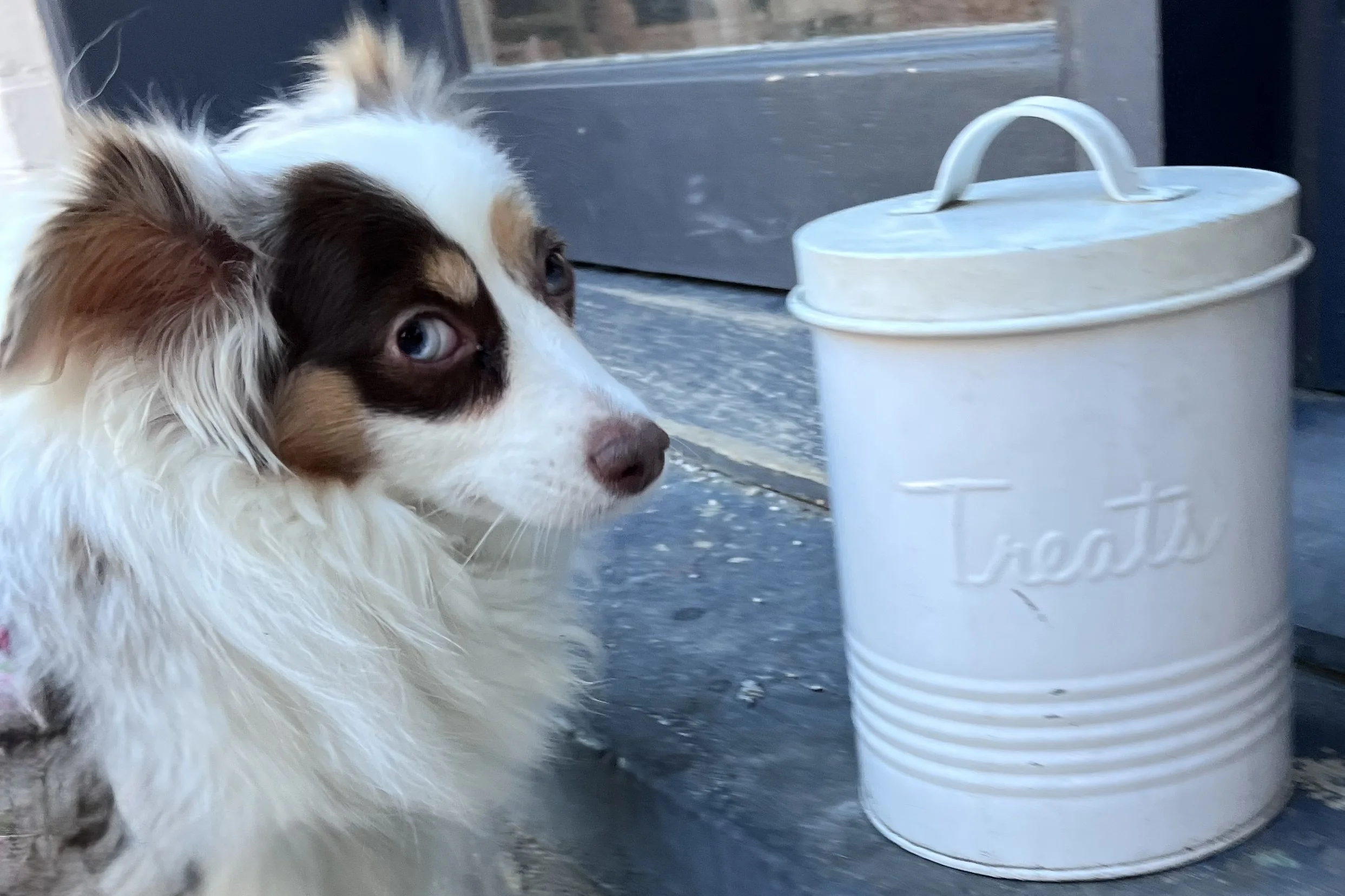
Some stops on the Cookie Circuit are easy to recognize — once a dog spots the treat tin, the route becomes non-negotiable.
Every neighborhood eventually develops its own version of a cookie circuit.
It may not be obvious at first. Walk the same route a few times and you’ll start noticing it — the same houses, the same storefronts, the same pauses that suddenly matter.
Some circuits are just a few doors long. Others stretch across several blocks.
In Old Town, one of our regular loops naturally forms a small Cookie Circuit of its own — a walk the dogs now anticipate long before we reach the first stop.
Your dog will usually notice it before you do.
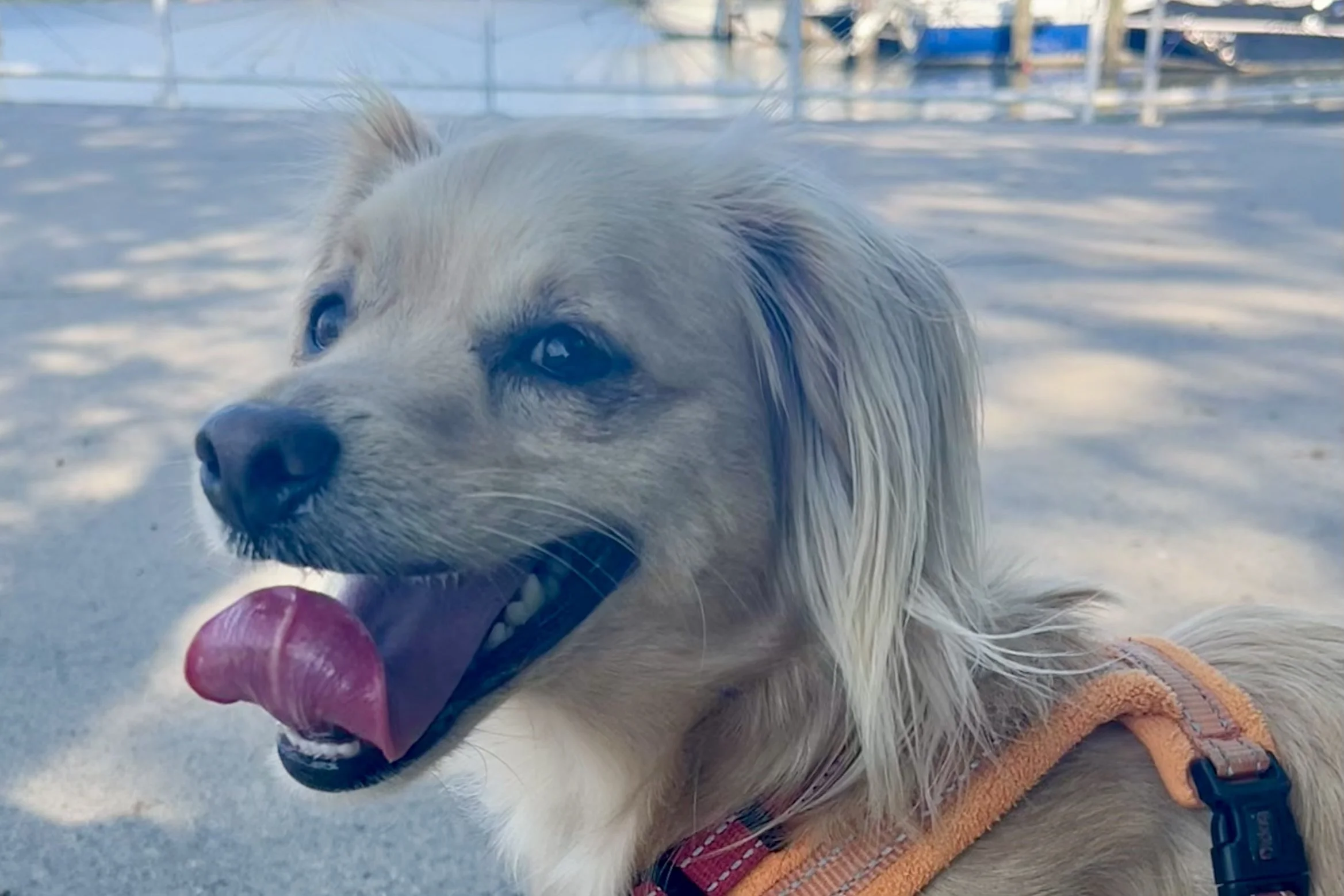
A satisfied pause after the neighborhood loop — once the Cookie Circuit is complete.
In a place like Old Town, where the pace can shift block by block, those predictable stops matter more than they seem.
They give the walk structure.
They turn a busy neighborhood into something mapped and known.
And once your dog finds their circuit, you’re mostly just along for the walk.
