Why Dogs Struggle with Car Rides
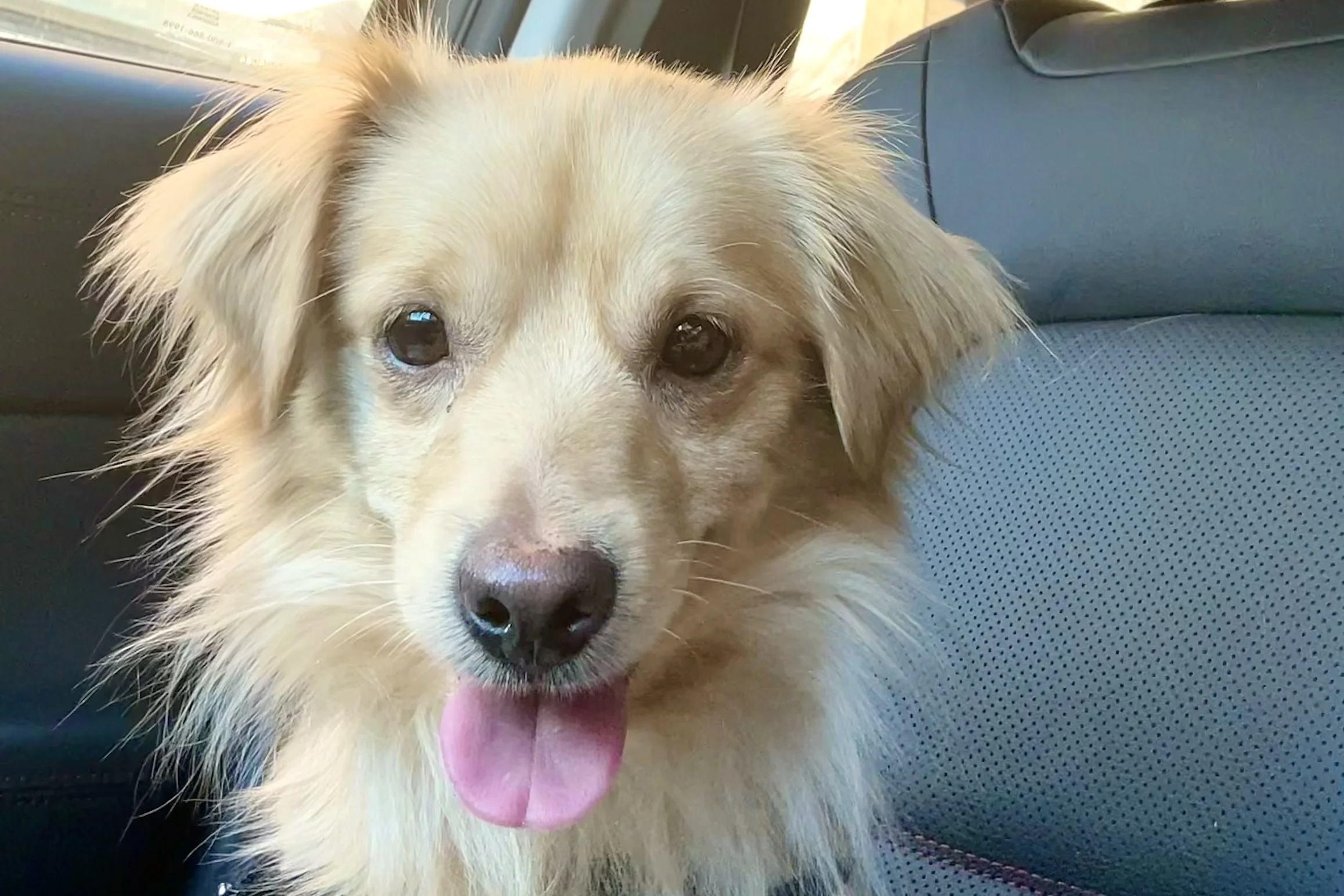
If your dog slows down when you grab your keys or hesitates at the car door, it’s easy to assume they just “don’t like car rides.”
But dogs rarely dislike the ride itself. They react to what the car has come to predict.
Car anxiety usually isn’t about motion — it’s about association. Over time, certain habits can teach a dog that getting into the car means discomfort, instability, or unpredictability.
If your dog seems wary of travel, making travel feel calmer and more predictable can make a big difference.
The good news? Each one is reversible.
Why Dogs Hate Car Rides (Quick Summary)
Most dogs dislike car rides because of:
• Motion sickness
• Feeling physically unstable during the ride
• Negative associations (like vet visits)
• Overstimulating rest stops
• Exposure that pushes past their stress threshold
Mistake #1: The Car Only Appears When Something Big Is About to Happen
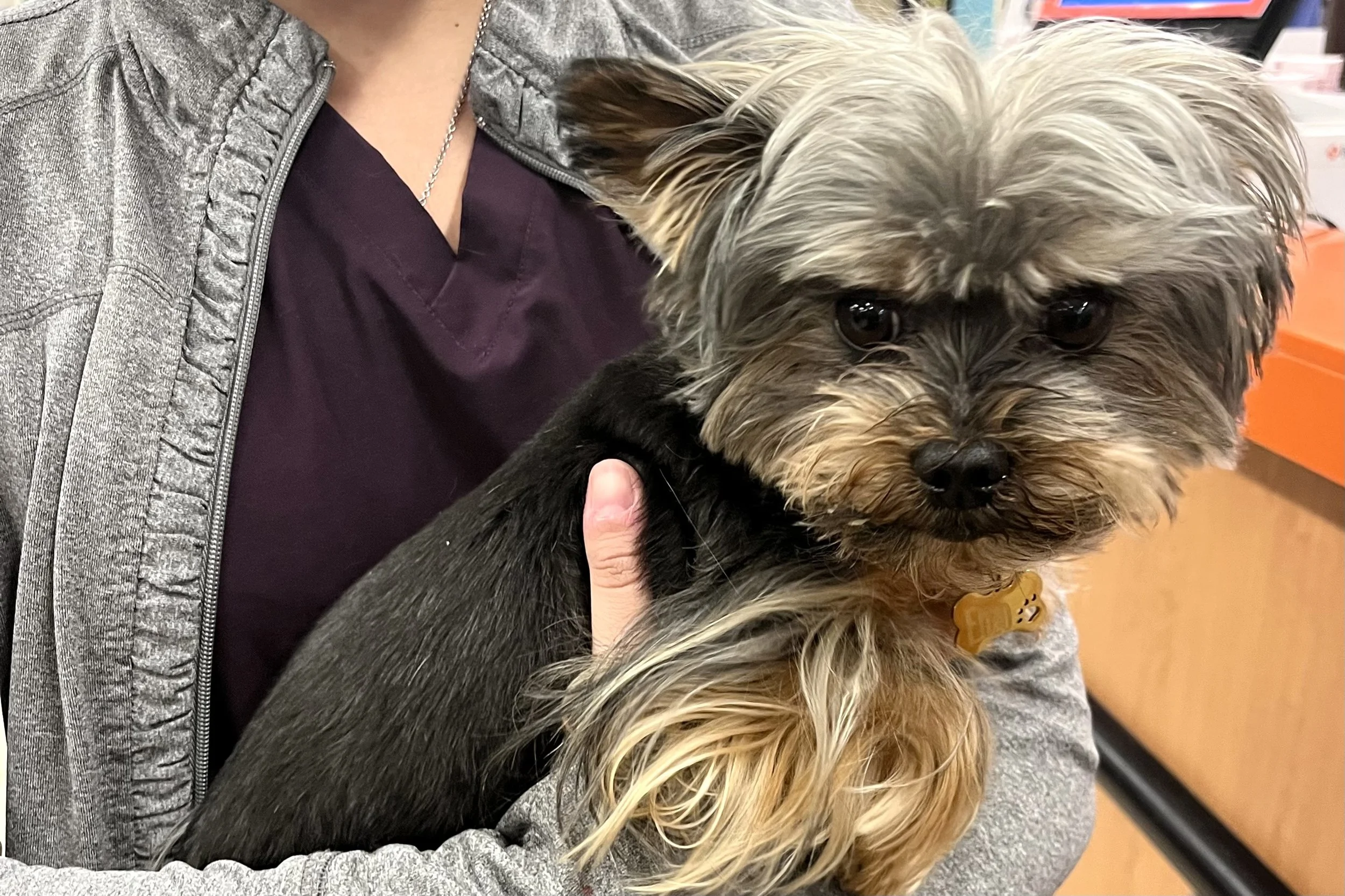
When every car ride ends at the vet, dogs quickly learn that the car predicts something big — and not always something pleasant.
For many dogs, the car doesn’t represent movement — it represents what happens next.
And often, what happens next isn’t neutral.
Think about it honestly: how many times does your dog get into the car for something purely enjoyable — compared to how many times it’s for a veterinary appointment?
For some dogs, the vehicle consistently precedes restraint, unfamiliar smells, exam tables, or discomfort. It doesn’t take many repetitions for that pattern to form.
Dogs are pattern readers.
I see it in my own home every time I bring out a suitcase. The shift is immediate. Their posture changes. They become clingier. It’s an unspoken “oh no” moment.
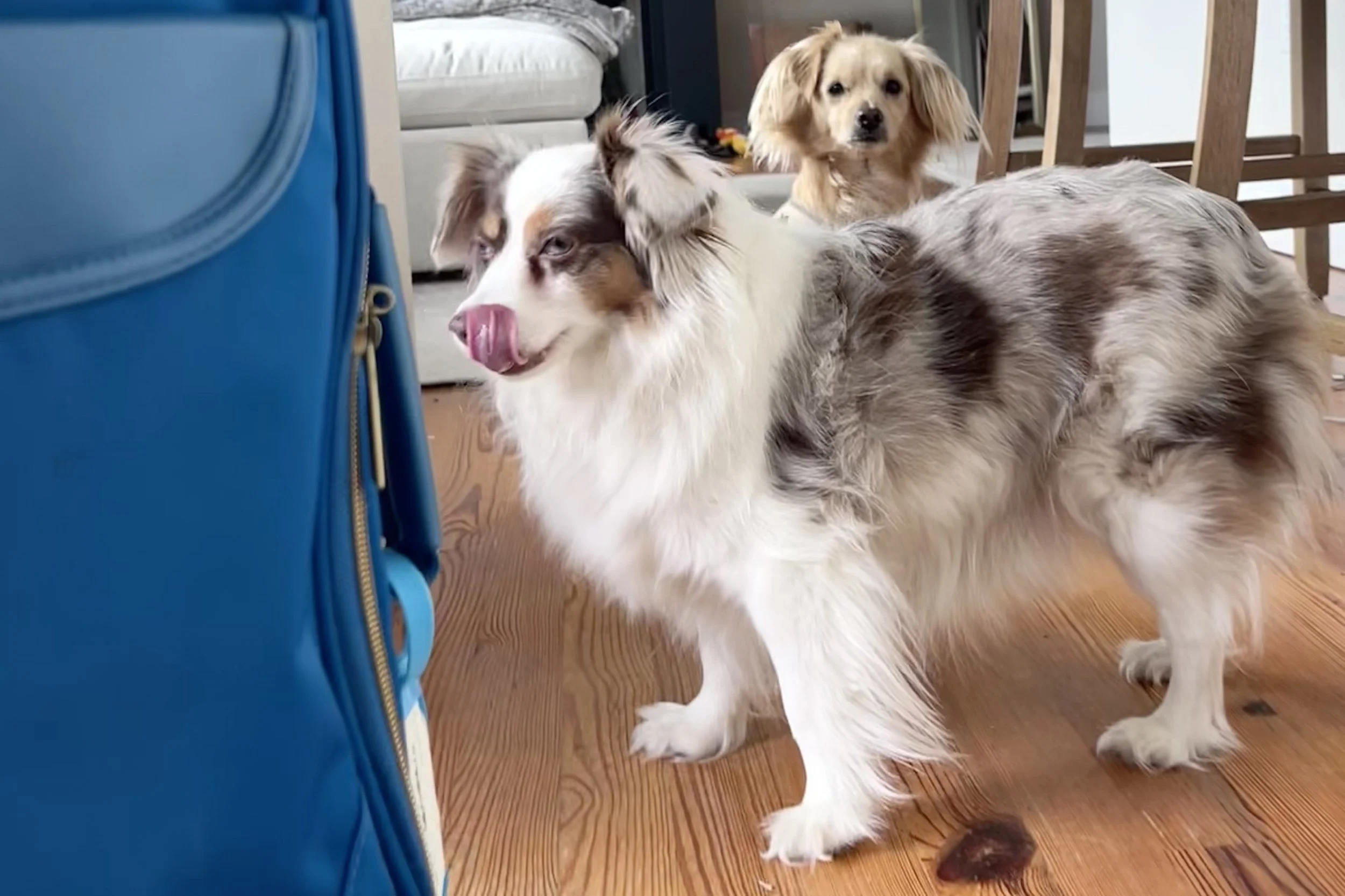
The suitcase isn’t the problem — it’s what the suitcase has come to predict.
They aren’t reacting to the luggage itself. They’re reacting to what the luggage has historically predicted: a change in routine, separation, disruption.
The car works the same way.
If the vehicle consistently precedes vet visits, boarding stays, long absences, or overstimulating arrivals, your dog may not be reacting to the ride — they’re reacting to what the ride has come to mean.
That anticipation can look like hesitation at the door, slowing down when you reach for your keys, or subtle resistance before loading.
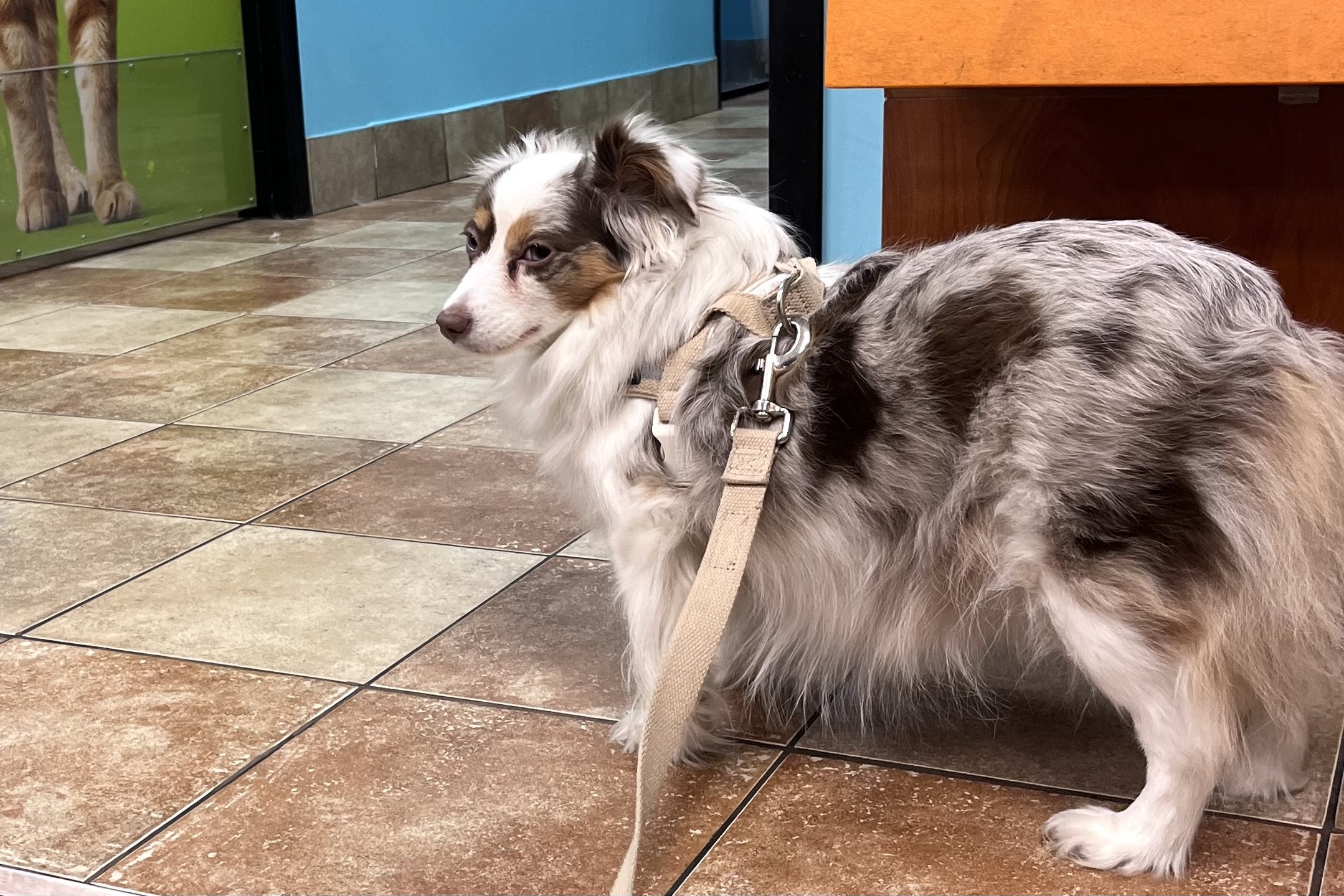
If your dog needs help rebuilding neutral associations with the car, I outline a gradual reset framework in How to Prepare a Dog for a Long Car Ride Without Stress.
Mistake #2: A Nauseous Ride Created a Negative Memory
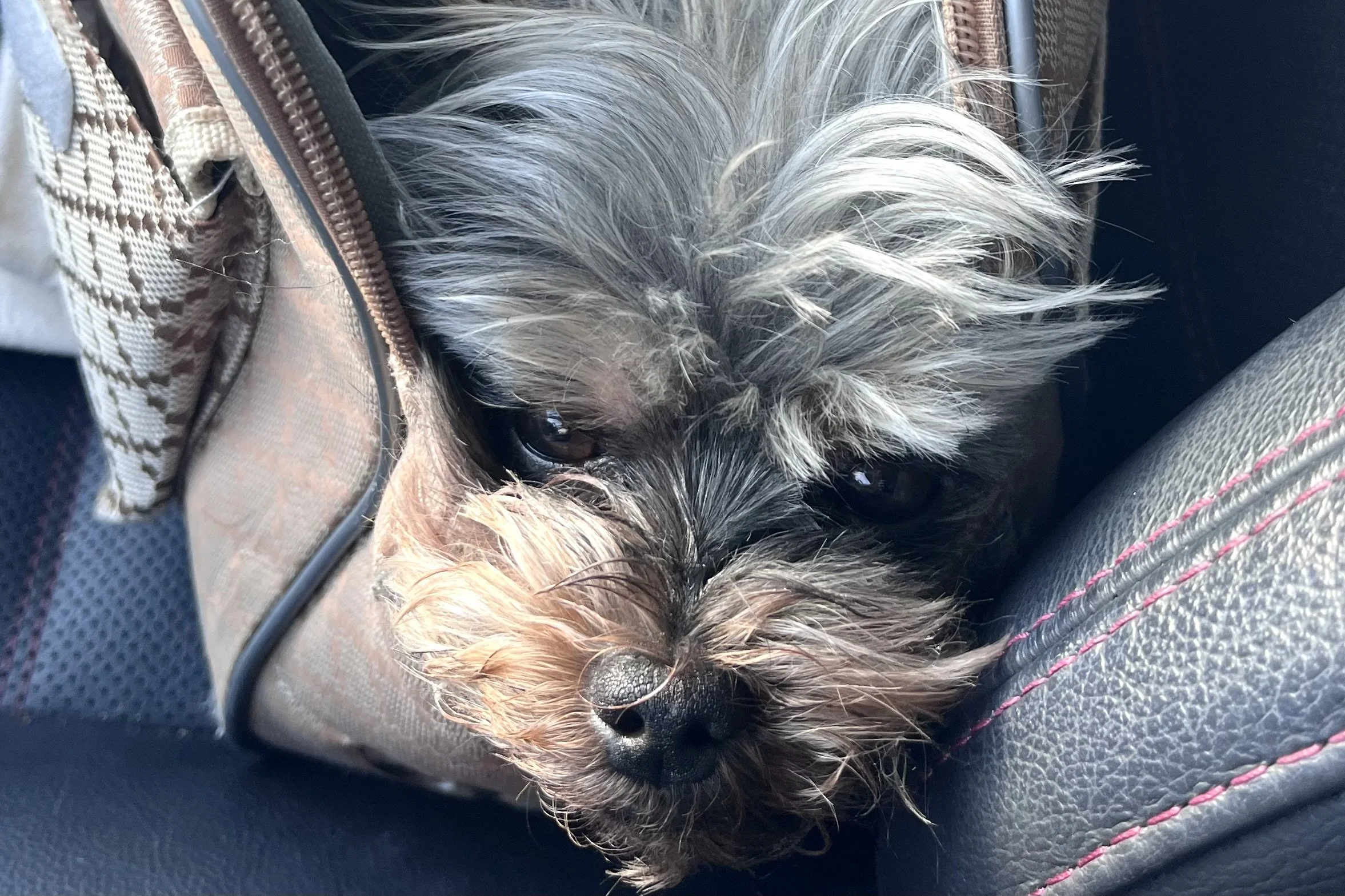
When a dog feels nauseous or uncomfortable during car rides, the carrier itself can become a signal that something unpleasant is coming — leading to avoidance and resistance before the ride even begins.
It only takes one episode of motion sickness to reshape how a dog feels about travel — I’ve seen how quickly a single nauseous ride can change a dog’s willingness to load into the car the next time.
Especially in puppies, whose balance systems are still developing, nausea can feel disorienting and frightening. Once that discomfort becomes linked with the car, anxiety often follows.
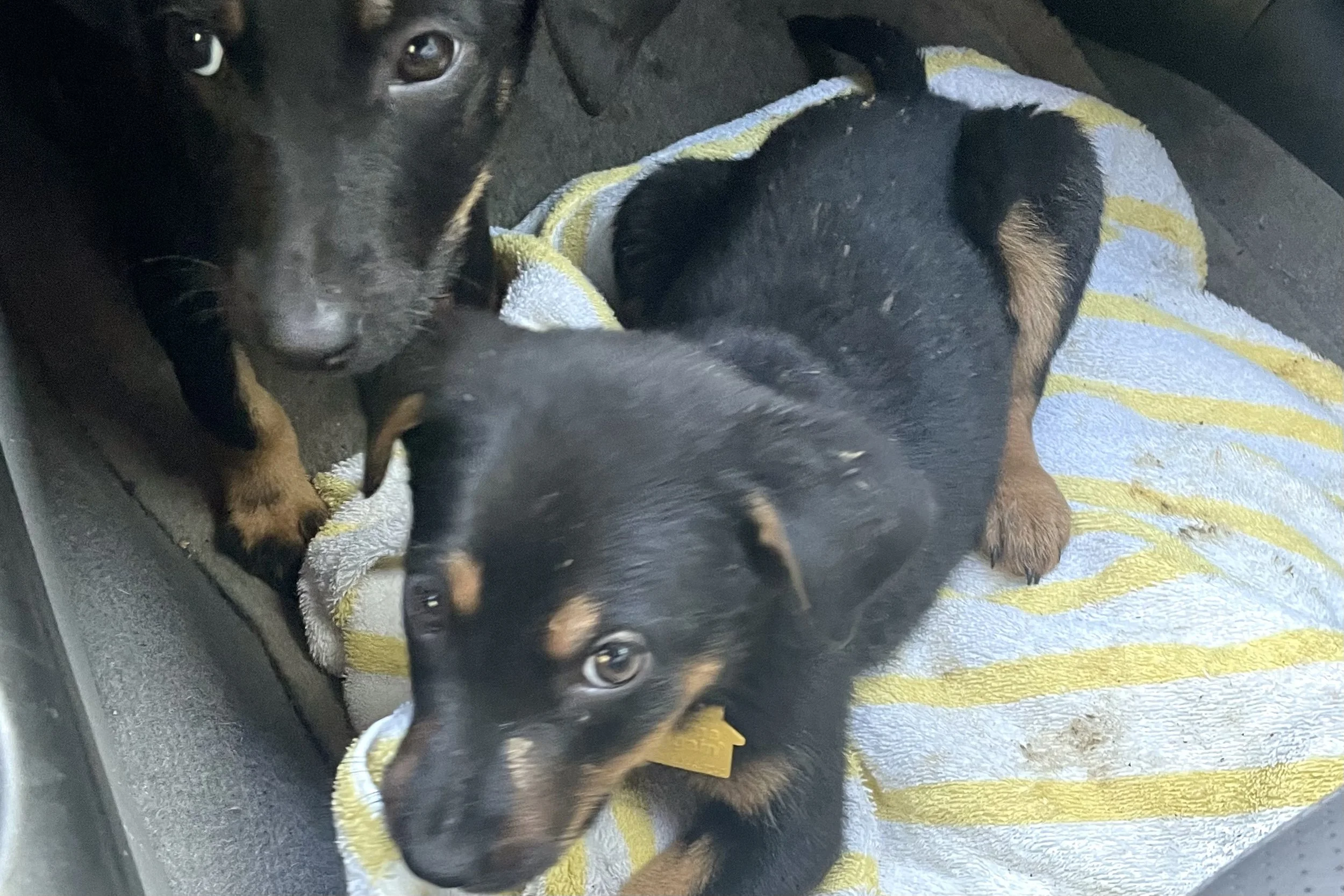
Without proper containment, dogs can feel unstable during turns and stops.
What begins as mild drooling or lethargy can quickly become resistance on future rides — even if the original trigger has resolved.
In many cases, the behavior isn’t defiance. It’s avoidance of remembered discomfort.
If feeding timing or motion sensitivity may be contributing, I break down practical adjustments in my guide, How to Prepare a Dog for a Long Car Ride Without Stress.
Mistake #3: Your Dog Feels Unstable During Car Rides
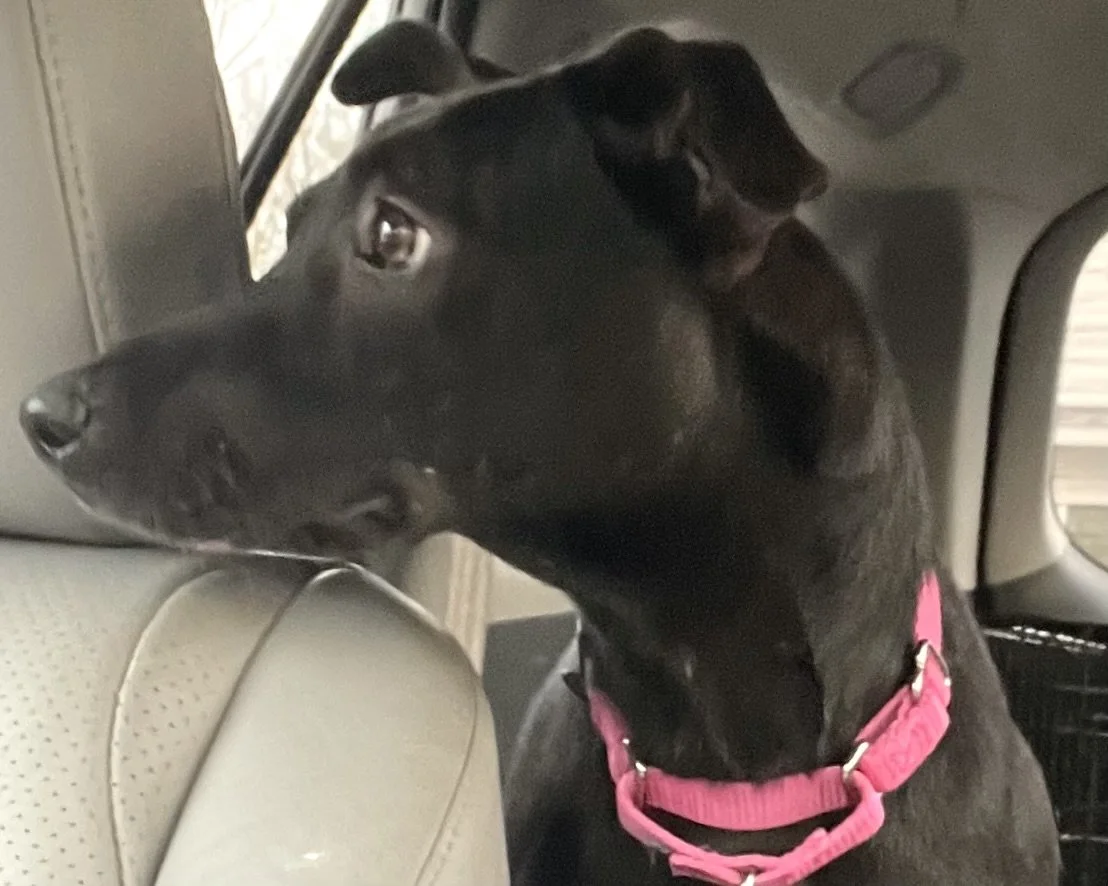
A secure harness and tether setup helps prevent sliding and sudden movement during the ride, reducing stress caused by instability.
Even calm dogs experience stress if they can’t stabilize themselves.
Sliding across the seat. Bracing during turns. Constantly shifting to maintain balance.
That low-level muscle tension increases overall stress load. Prolonged tension like this is one reason some dogs appear unusually fatigued after travel. Over time, instability makes the car feel unpredictable — and unpredictability creates anxiety.
What looks like restlessness may actually be physical strain.
A properly secured setup significantly reduces that strain.
Mistake #4: You Missed Early Signs of Car Anxiety
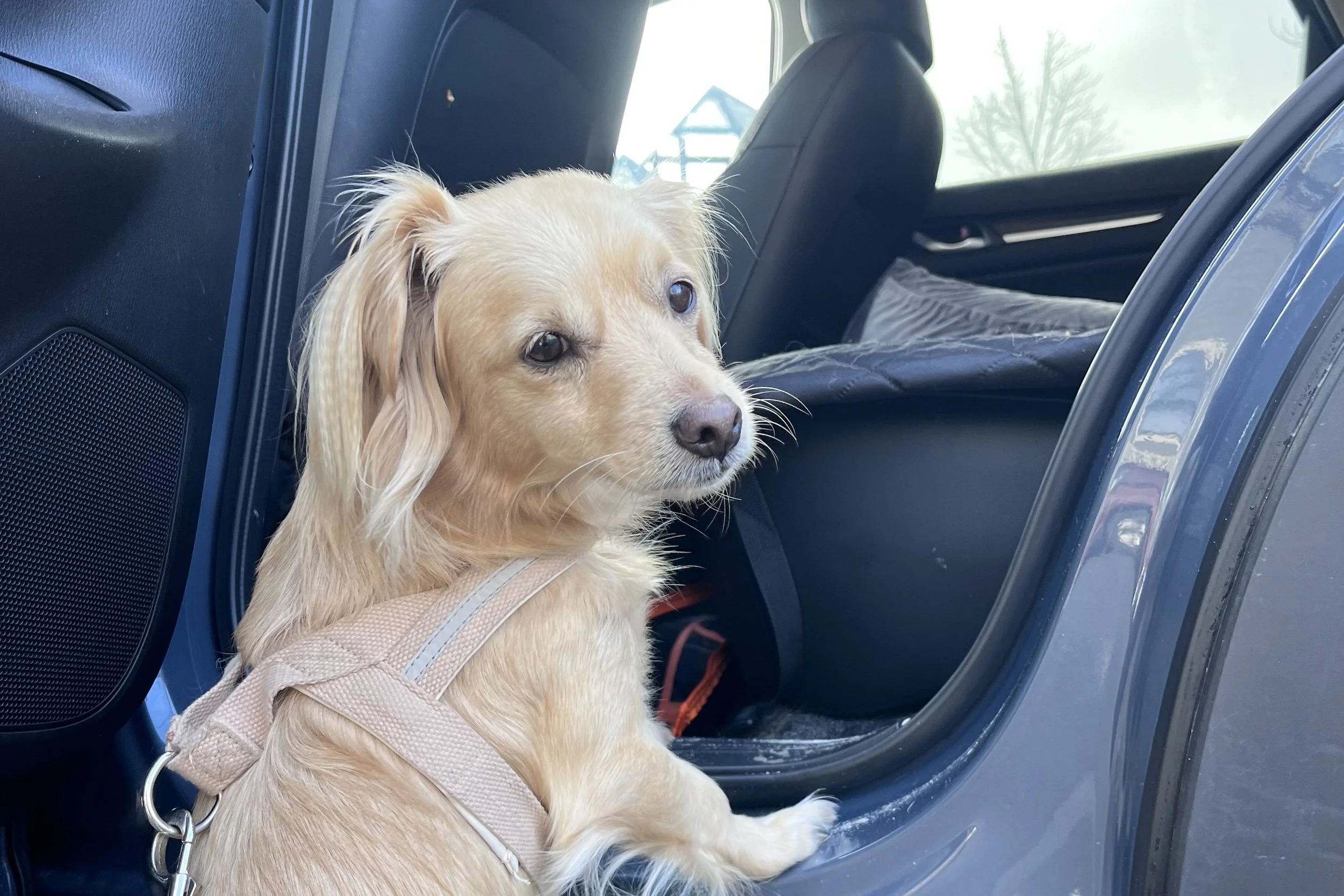
Car anxiety rarely appears all at once.
It builds.
If you’ve ever worked with a trainer on reactivity, you may have heard the idea of “green, yellow, and red zones.”
Green is calm. Yellow is rising tension. Red is full reaction — barking, panic, shutdown, or frantic behavior.
Car stress follows the same progression.
Most owners only recognize red — heavy panting, drooling, refusal to get in, vocalizing. By that point, your dog’s nervous system is overwhelmed, learning shuts down, and bringing them back to calm becomes much harder.
But before red comes yellow.
Yellow might look like a slight hesitation, a pause at the car door, subtle lip licking, clinginess, or tension in posture.
For example, if your dog pauses before jumping in, that’s the moment to slow down — not to coax or pull.
This is the window.
When you intervene early — slowing the process, shortening the exposure, ending on a neutral note — you prevent escalation past threshold.
The goal isn’t eliminating all stress. It’s preventing it from compounding.
Small adjustments in the yellow zone can completely change how the ride is encoded in memory. Over time, those early interventions build resilience instead of avoidance.
Mistake #5: Rest Stops Add More Stimulation Instead of Relief
Rest stops are meant to reset your dog’s nervous system.
But busy gas stations, strangers approaching, loud trucks, or sudden high-energy play can elevate arousal instead of reducing it.
When tension never fully settles between driving segments, it accumulates.
Sometimes the most effective break is quiet decompression: a short leash walk away from traffic, small amounts of water, and a few minutes of calm.
Calm resets the nervous system. Chaos compounds it.
If Your Dog Already Dreads the Car
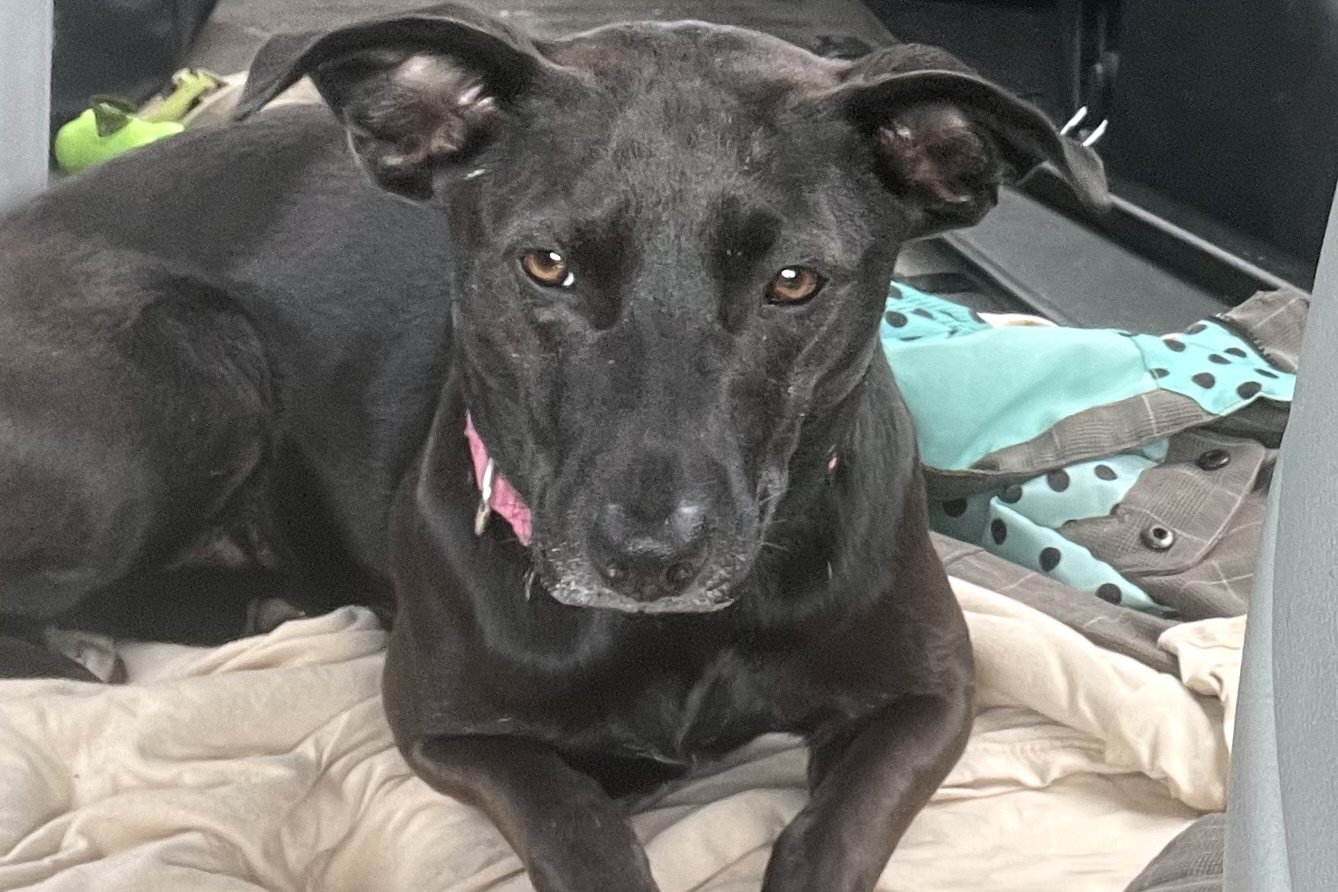
A stable setup and familiar bedding help the car feel predictable — not overwhelming.
If your dog resists loading, pants heavily, or shuts down during rides, the solution isn’t forcing longer exposure.
It’s scaling back.
Short, neutral experiences — without pressure or extended distance — rebuild predictability. Car confidence grows in layers, not leaps.
With steady exposure and thoughtful adjustments, most dogs can learn not just to tolerate travel, but to settle into it.
If you’re starting from resistance, my long-distance preparation guide walks through how to reset the process step by step.
Closing Thoughts
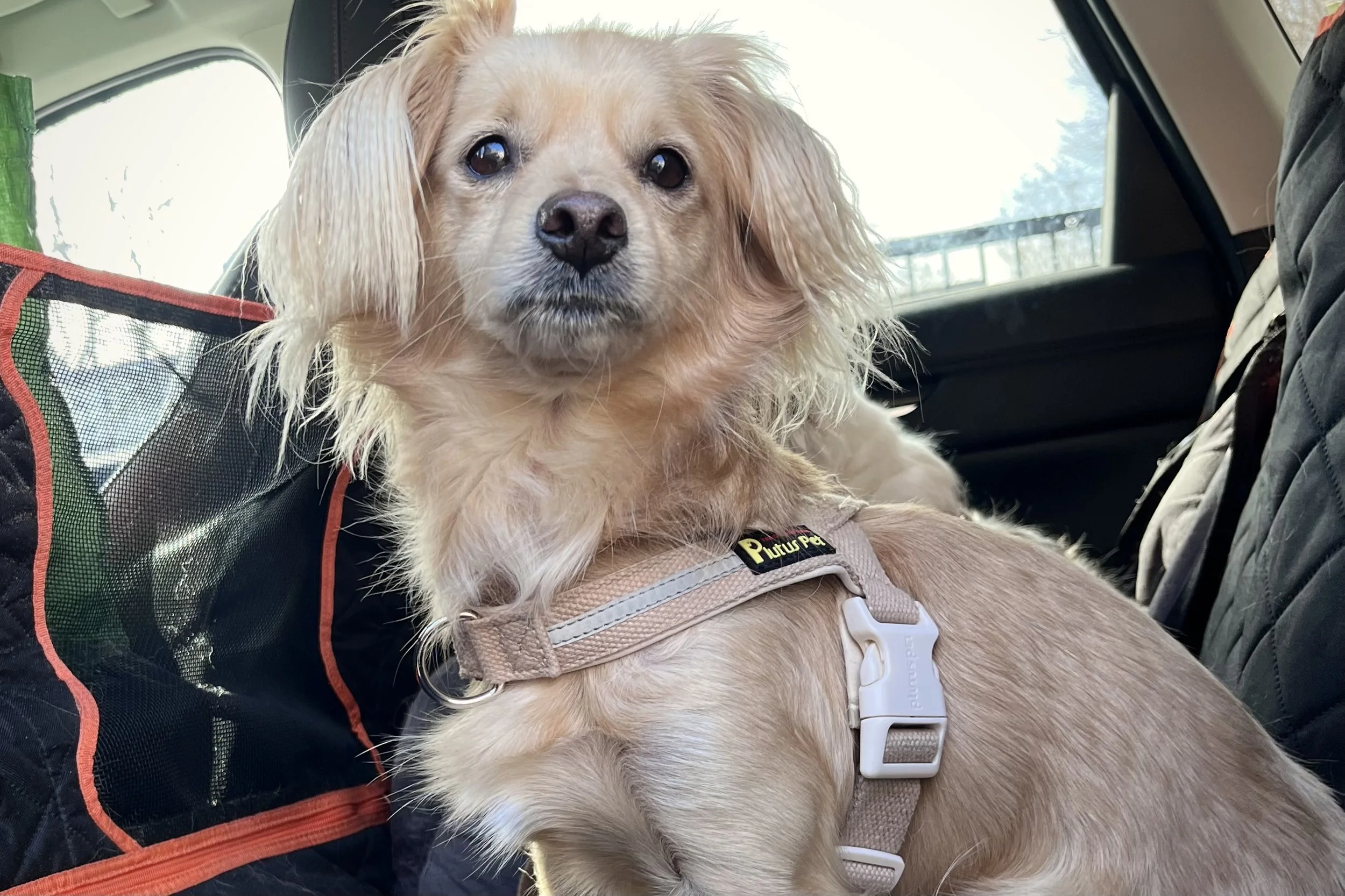
Calm in the car isn’t luck — it’s built through consistency, comfort, and clear associations.
Dogs don’t randomly decide they hate car rides.
They respond to what the car has consistently meant in their experience.
When you shift the pattern — reducing instability, preventing nausea, recognizing early cues, and lowering overstimulation — the reaction often shifts too.
Travel becomes less about endurance and more about predictability.
And predictability is what allows confidence to grow.
If your dog already shows hesitation or stress around the car, the next step isn’t pushing through longer drives — it’s rebuilding the experience thoughtfully and in layers.
I walk through exactly how to do that in my guide to preparing a dog for a long car ride without stress.
Small adjustments now can completely change how your dog feels about travel later.
Frequently Asked Questions About Dogs and Car Anxiety
Is it normal for a dog to hate car rides?
Yes. Many dogs develop negative associations with car rides if early experiences involved nausea, instability, or stressful destinations. Avoidance is usually learned — not personality-driven.
Can you fix car anxiety in dogs?
In most cases, yes. Gradual exposure, improved stability, and reducing overstimulation can significantly change how a dog responds to travel over time.
Do dogs grow out of car sickness?
Some puppies improve as their balance system matures. However, repeated negative experiences can reinforce anxiety even after motion sensitivity decreases.
Why does my dog get clingy when I bring out luggage?
Dogs are highly sensitive to routine changes. If luggage has previously predicted separation or disruption, clingy behavior is often anticipatory — not random.
