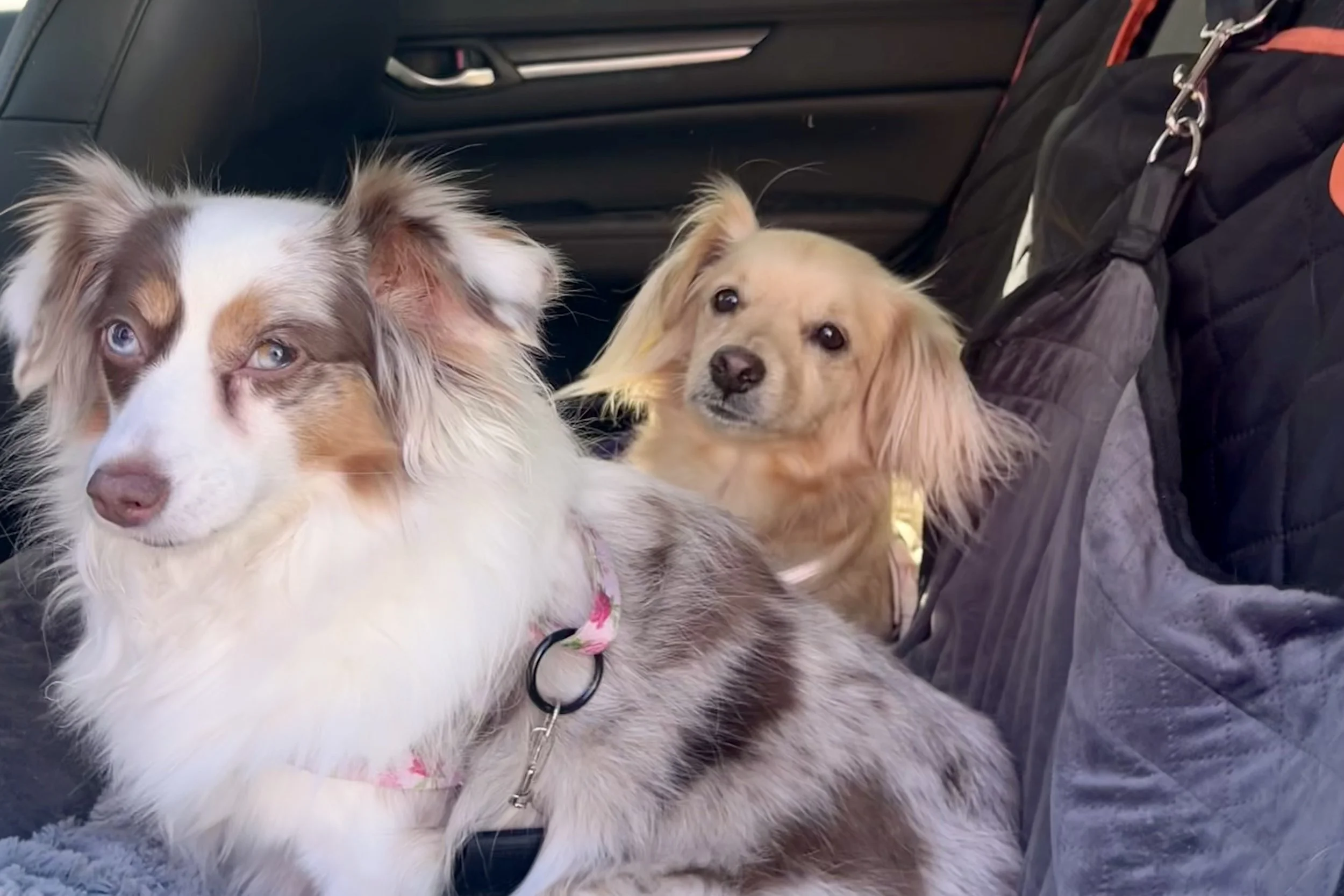
How to Prepare a Dog for a Long Car Ride Without Stress

If you’ve ever packed the car and wondered how your dog is really going to handle a long ride, you’re not alone.

Preparing a dog for a long car ride isn’t just about tossing a leash in the back seat — it’s about helping them feel steady before the wheels even start moving.

Most travel advice focuses on packing water and securing a harness.
But stress during a long car ride often builds from smaller, quieter signals:

  • subtle anxiety

  • mild nausea

  • simple overstimulation

The real difference comes from understanding how your dog experiences the ride — physically and psychologically —and preparing for both before problems escalate.

In this guide, you’ll learn how to:

  • Assess readiness

  • Condition gradually

  • Manage feeding timing

  • Structure breaks

  • Create a calm, repeatable travel routine

The first step?
Recognizing whether your dog is already signaling discomfort on shorter rides.

Quick Answer: How to Prepare a Dog for a Long Car Ride
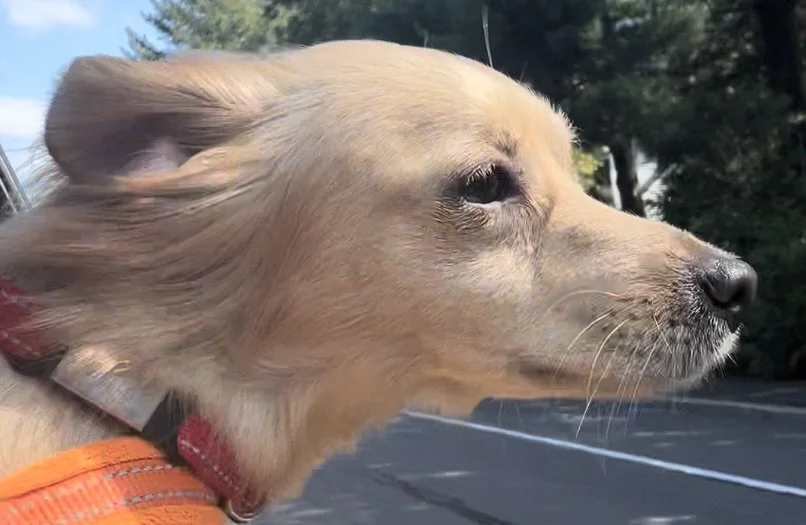
To prepare a dog for a long car ride:

  • Gradually increase trip length

  • Feed a moderate meal 3–4 hours before departure

  • Secure your dog with a crash-tested restraint

  • Plan structured breaks every 2–3 hours

Proper conditioning before travel prevents anxiety, motion sickness, and overstimulation.

Signs Your Dog May Struggle on a Long Car Ride

Dog showing signs of anxiety before a car ride, appearing tense and alert inside vehicle.

Subtle anxiety often begins before the car even starts moving.
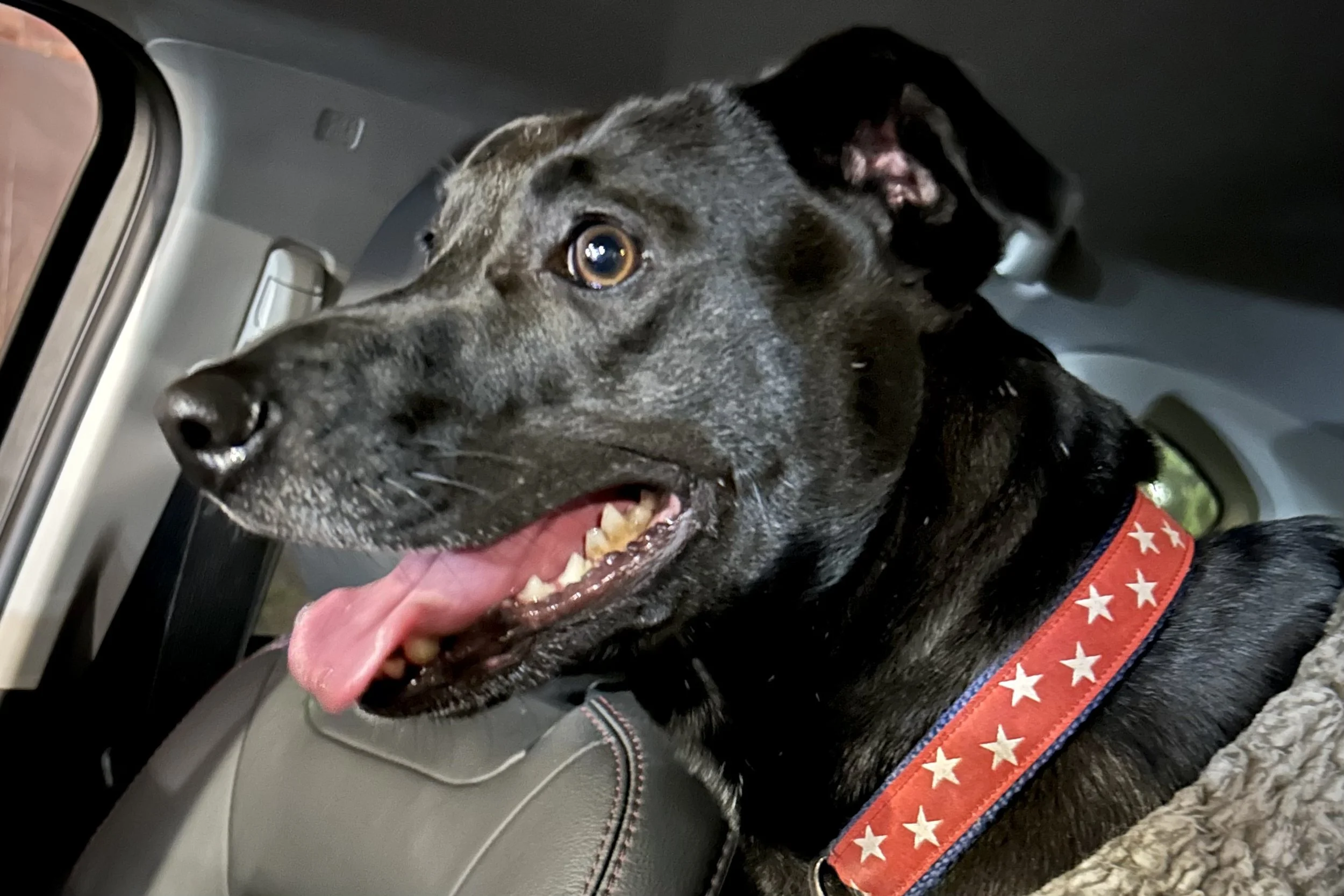
Motion sickness typically appears once the vehicle is in motion.

Common signs include:

  • Excessive drooling

  • Lip licking

  • Yawning

  • Repeated swallowing

  • Lethargy

  • Vomiting

Car sickness is most common in puppies and dogs under two years old, especially those who haven’t been gradually conditioned to travel.

Why puppies?

Their balance system is still developing. The inner ear — which helps process movement — hasn’t fully matured, so motion can feel disorienting and overwhelming.

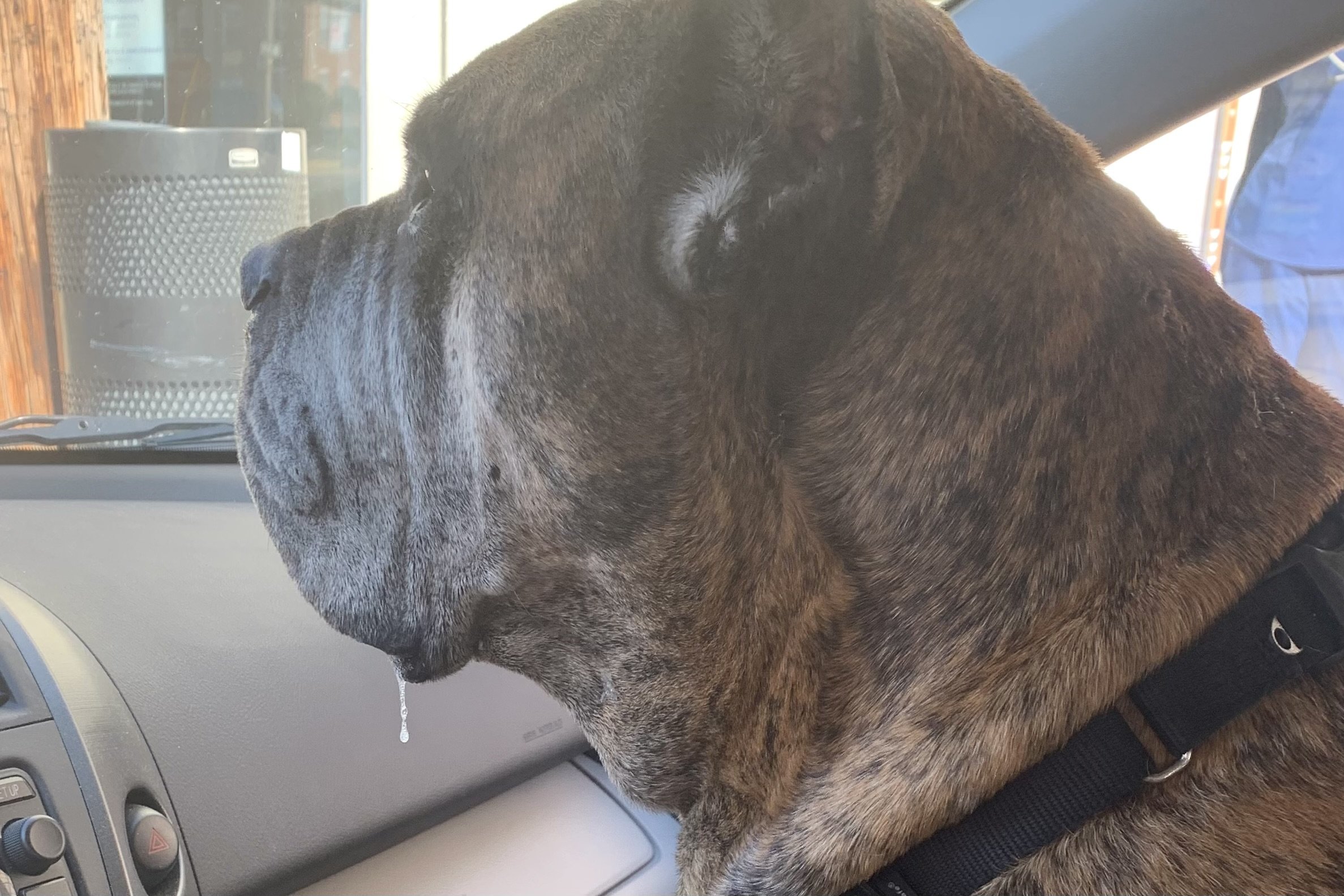
Dog appearing nauseous during a car ride with signs of motion sickness such as drooling and lowered posture.

Drooling or lethargy after the vehicle starts moving may indicate motion sickness.

Why the Distinction Matters

Anxiety improves with gradual exposure and predictable routines.
Motion sickness may require feeding adjustments or veterinary support.

The solution depends on the cause.

Watch for These Early Cues

  • Lip licking when no food is present

  • Sudden stillness or freezing

  • Frequent repositioning

  • Repeated swallowing

Early intervention keeps minor discomfort from becoming a long-drive problem.

How to Gradually Prepare Your Dog for Longer Drives

Dog calmly sitting in parked car during gradual conditioning for longer car travel.

Gradual exposure helps dogs build confidence with longer drives.

Going from quick errands to a five-hour highway trip is where many long car ride problems begin.

Dogs don’t struggle because the drive is long.
They struggle because the jump in duration is abrupt.

Conditioning works best when it builds in small, predictable layers.

Start Small and Build Slowly

Instead of leaping into extended travel, progress like this:

  1. Sit in the parked car for a few minutes with the engine off.

  2. Take a quiet 5–10 minute neighborhood drive.

  3. Extend to a 15–20 minute trip to a positive destination (like a walk).

  4. Gradually increase to 30–45 minutes.

Move forward only if your dog settles easily and shows no signs of distress.

The goal isn’t endurance.
It’s predictability.

When each experience feels calm and consistent, your dog learns that longer drives follow a safe, repeatable pattern.

Is Your Dog Ready for a Long Car Ride?

Before planning extended travel, assess readiness honestly.

Ask yourself:

  • Has your dog ridden calmly for at least 30 minutes?

  • Can your dog settle quietly at home without constant stimulation?

  • Does your dog drool, pant excessively, or vomit during short rides?

  • Is your dog comfortable being confined or secured with a harness?

  • Can your dog remain in the back seat without attempting to move forward?

If several answers are no, extend your conditioning phase before attempting a long car ride.

Readiness reduces surprises.

What to Do the Day Before a Long Drive

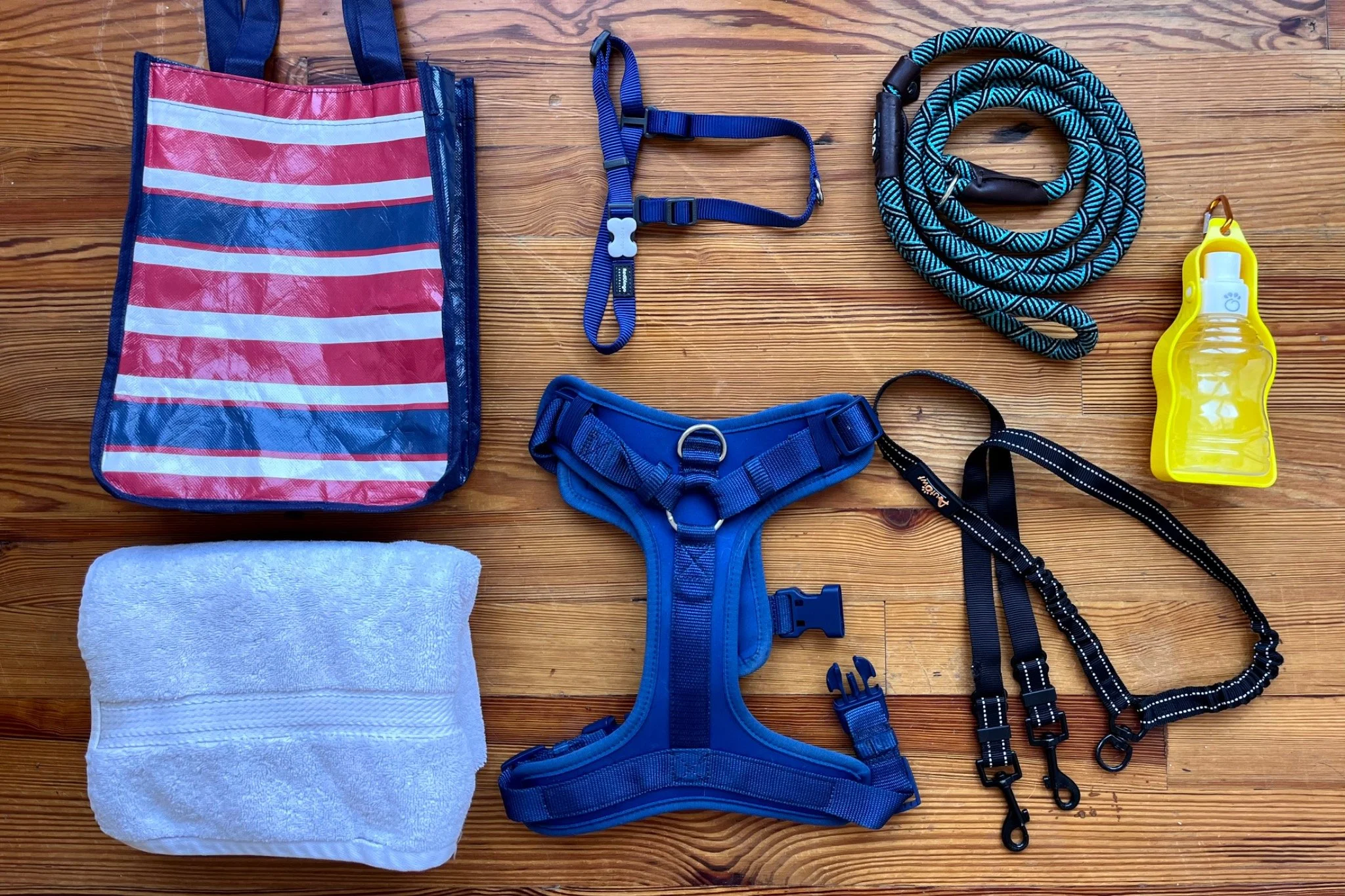
Back seat prepared for dog travel with harness, seat cover, and safety setup arranged before departure.

Preparing restraint systems and protective covers ahead of time reduces travel stress.

Preparation reduces chaos.

The day before departure sets the tone for how smoothly your long car ride will go.

Instead of scrambling the morning of travel, handle the practical details ahead of time:

  • Provide structured exercise (avoid overstimulation)

  • Install and test your restraint system

  • Add a protective backseat cover

  • Pre-portion meals if needed

  • Pack basic cleaning supplies

If you’re still building your checklist, a practical dog travel packing guide can help you avoid last-minute scrambling.

A Real-World Lesson About Back Seats

I learned the backseat lesson the hard way.

One carsick ride was all it took. What looked manageable at first became a detailing appointment I didn’t plan on paying for.

That’s when I ordered this URPOWER Dog Car Seat Cover for Pets and never looked back. It protects the entire back seat and blocks off the footwell — which matters more than you think.

And while it may seem harmless to let a dog ride up front, it isn’t worth it. It only takes one enthusiastic step onto the center console for a paw to hit the GPS or change the music mid-highway.

Beyond the distraction — which is very real — sudden stops turn that freedom into risk.

The back seat, properly secured and protected, keeps everyone safer and far calmer.

Planning ahead prevents improvising under pressure.

When (and How Much) to Feed Your Dog Before a Long Car Ride

Close-up of dog eating moderate meal before a planned long car ride.

Meal timing plays a major role in preventing travel-related nausea.

Feeding timing directly affects nausea risk — but skipping food entirely isn’t ideal.

For most healthy adult dogs, a moderate meal 3–4 hours before departure works well.
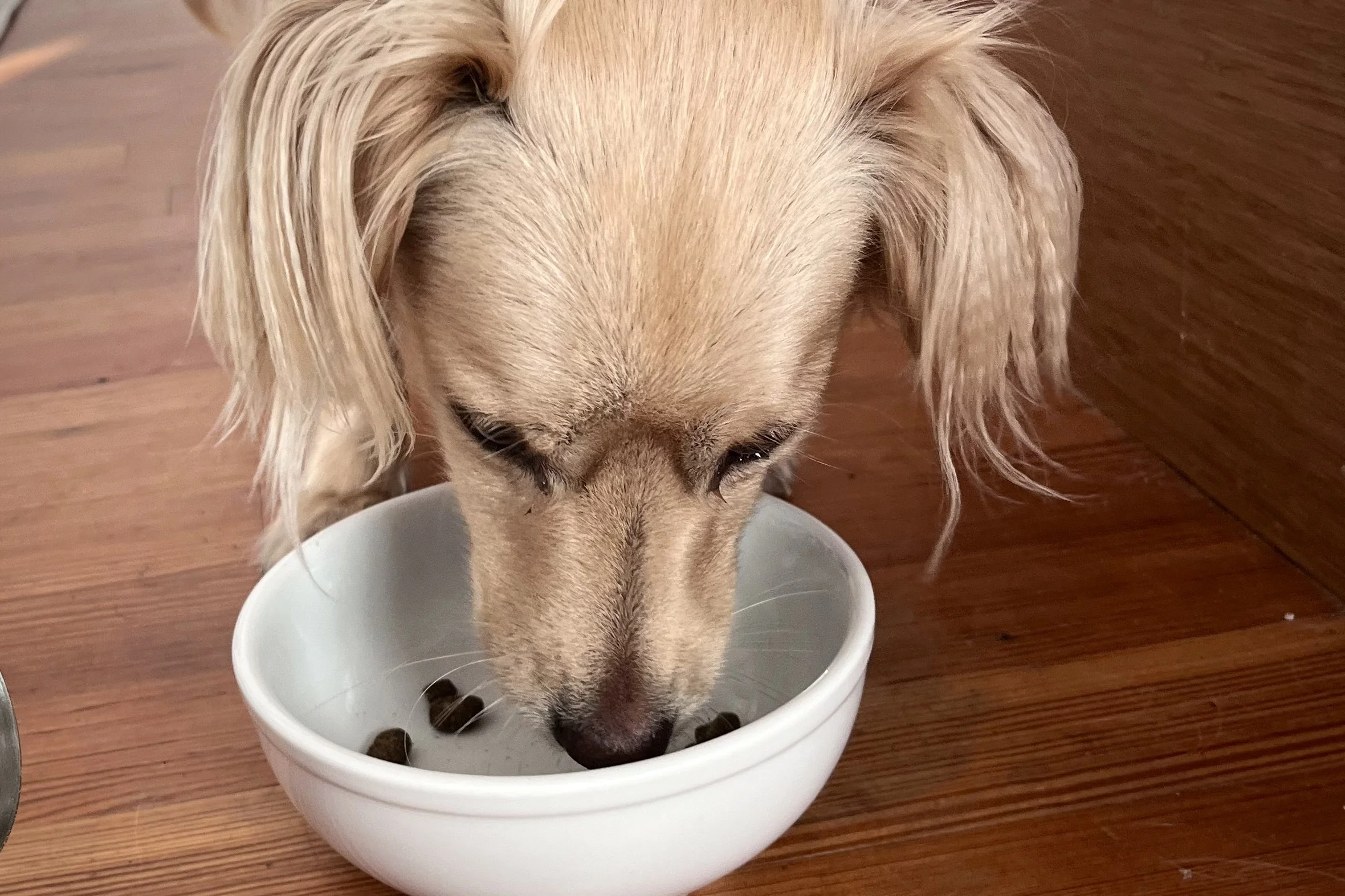
This allows partial digestion without leaving the stomach completely full.

Motion sickness is influenced by inner ear stimulation and gastric movement. A heavy meal increases the likelihood of regurgitation during acceleration or braking.

Prolonged fasting, however, can trigger bile-related nausea in some dogs.

Balance is key.

Full-body view of dog eating meal in home environment before long-distance car travel.

A moderate meal several hours before departure supports comfort during travel.

Practical Feeding Guidelines Before Travel

  • Slightly reduce portion size

  • Avoid rich treats or new foods

  • Offer water, but limit excessive intake immediately before loading

Consistency matters more than drastic changes.

If vomiting occurs even during short drives despite feeding adjustments, consult your veterinarian before planning extended travel.

How Often Should You Stop on a Long Road Trip with a Dog?

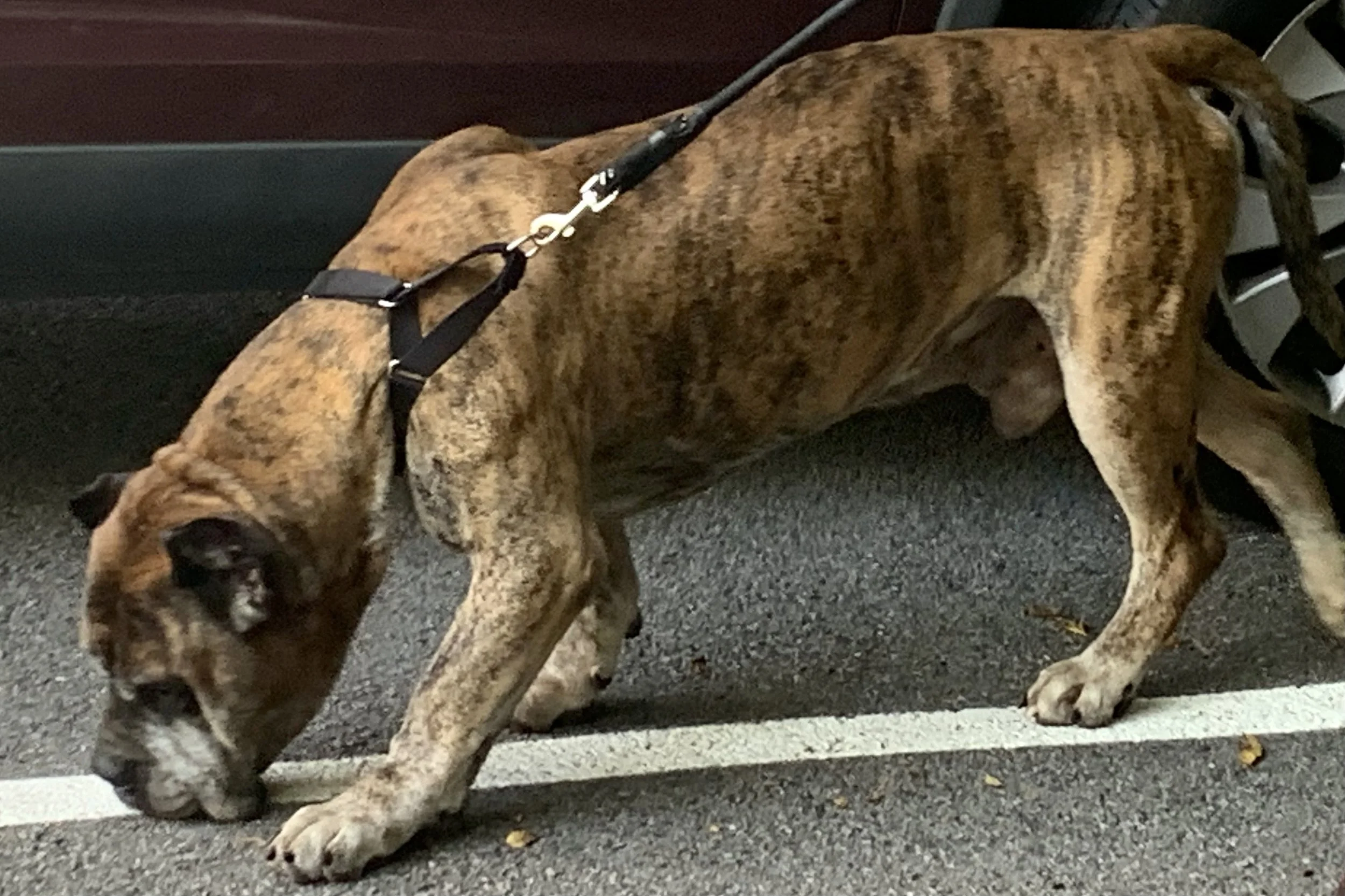
Dog on leash during rest stop break on a long road trip.

Structured breaks every few hours help reset comfort and hydration.

There isn’t a single perfect schedule for every dog.

As a general rhythm, plan a stop every 2–3 hours to offer water and allow a brief stretch. That works well for many healthy adult dogs.

But temperament and conditioning matter more than the clock.

I’m fortunate — as soon as the car starts moving, both of my dogs settle into a deep sleep. I’ve driven up to five hours with them resting peacefully. When they’re fully settled and the weather is moderate, I don’t wake them simply to follow a rigid timeline.

The key is to read your dog.

Signs It’s Time for a Break

Watch for:

  • Restlessness

  • Frequent repositioning

  • Panting in cool temperatures

  • Prolonged upright alertness

These cues matter more than mileage.

What to Do During Each Stop

  • Keep your dog leashed

  • Offer small amounts of water

  • Allow time to relieve themselves

  • Encourage a short walk to loosen muscles

Puppies, seniors, and newly conditioned dogs typically need more frequent stops.

Hydration supports comfort and temperature regulation. Skipping water to avoid bathroom breaks often creates larger problems later.

How to Keep Your Dog Calm During a Long Car Ride

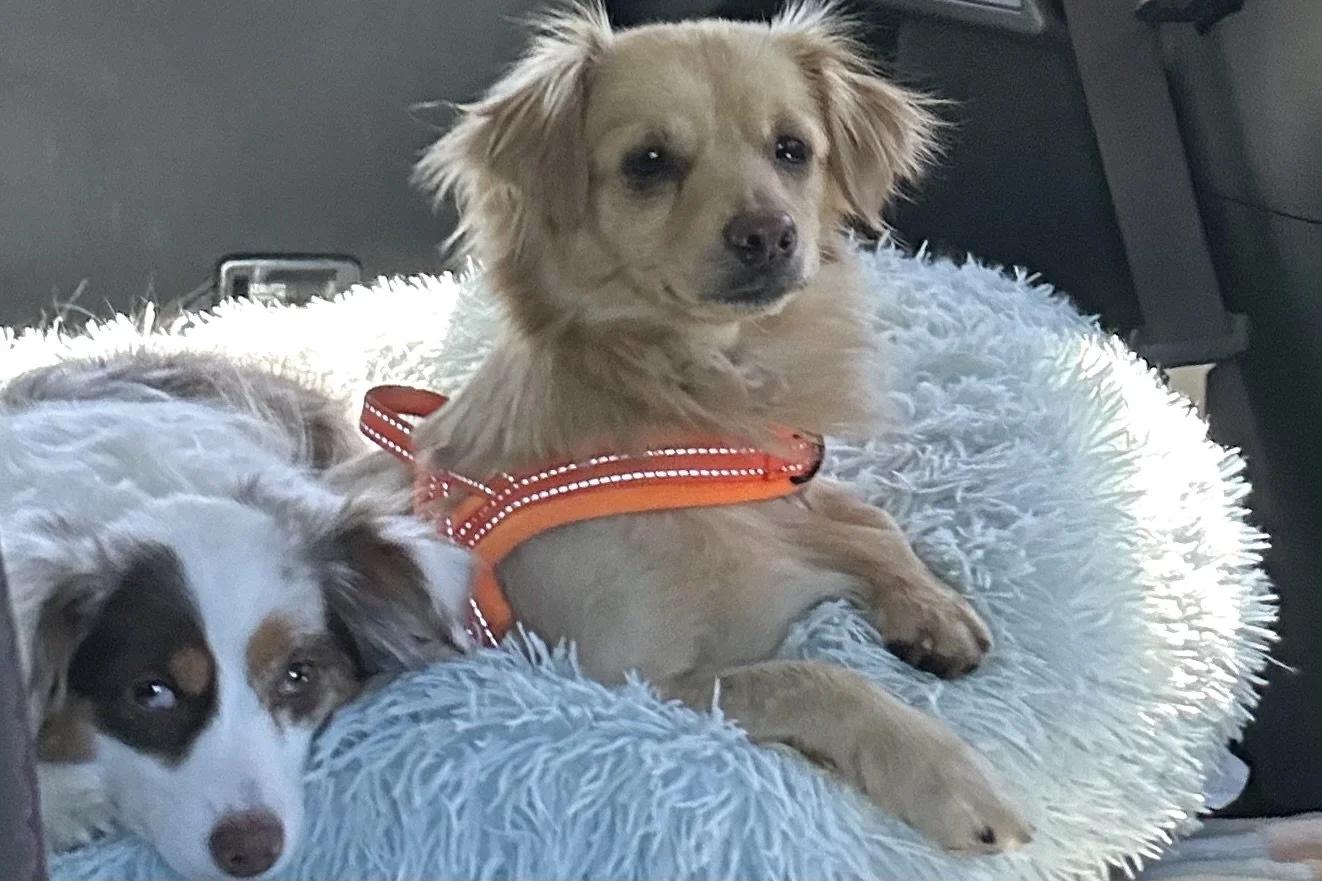
Dog resting on familiar donut bed secured in back seat during car travel.

Familiar bedding and consistent placement create predictability.

Calm travel is built through consistency.

Dogs rely heavily on predictability. When the setup remains the same — the same seating position, the same restraint system, the same comfort items — the experience feels familiar rather than threatening.

Familiarity lowers stress responses and prevents escalation.

I always place their familiar donut bed in the back seat. That consistency — and the familiar scent — clearly signals that this space is safe and predictable.

Practical Ways to Stabilize the Ride

  • Use a properly secured harness or crate

  • Keep consistent backseat placement

  • Include a familiar blanket or bed

  • Maintain moderate noise levels

  • Handle loading and stops calmly

Dogs mirror human tension. Calm handling reduces reactivity.

The goal isn’t just completing the drive.
It’s reinforcing the idea that car travel is structured, predictable, and safe.

Car Safety Essentials for Long Trips

Dog secured with crash-tested harness attached to seatbelt anchor in back seat.

Crash-tested restraints protect both your dog and everyone in the vehicle.

Restraint isn’t optional — it’s protective.

Unsecured dogs become projectiles during sudden stops and significantly increase driver distraction.

Safe travel begins with proper containment.

Recommended Restraint Options

Crash-tested harness secured to a seatbelt anchor
Designed to distribute force and limit forward movement during sudden braking or impact.

Properly secured crate (anchored, not loose)
The crate should be appropriately sized and fixed in place so it cannot shift during travel.

Structured booster seat secured to the back seat and clipped to a harness (for smaller dogs)
Elevation can reduce anxiety for some dogs, but it must still function as part of a restraint system. I use the Bochao dog car booster seat, which secures to the back seat and attaches to a harness while allowing visibility and maintaining containment.

A backseat barrier may reduce distraction, but it does not replace a crash-tested restraint. It can prevent a dog from climbing forward, yet it will not prevent forward momentum during a collision.

Interior Protection & Comfort

  • Protective seat cover

  • Seasonal layers for temperature regulation

In colder months, temperature shifts during rest stops matter — especially for short-haired breeds who may need an added layer. Choosing the right dog coat for winter travel can make transitions far more comfortable.

Safe travel and calm travel go hand in hand.

Preparing a Puppy vs. an Adult Dog

Comparison of puppy and senior dog preparing for car ride showing different support needs.

Age changes how you prepare for a long car ride.

Puppies

  • Shorter bladder tolerance

  • Greater motion sensitivity

  • Require gradual conditioning

Puppies are especially prone to motion sickness because their balance system is still developing.

Adult Dogs

  • Greater endurance if previously exposed

  • Still vulnerable to anxiety if under-conditioned

An adult dog who hasn’t traveled much may struggle more than a conditioned puppy.

Senior Dogs

Senior dogs often need:

  • Orthopedic support

  • More frequent breaks

  • Assistance entering the vehicle

When my older dog began hesitating at the door, I added a ramp to reduce joint strain. Small adjustments like that can make long-distance travel far more comfortable — and prevent resistance before the ride even begins.

Age shapes preparation. Adjust expectations accordingly.

Common Mistakes to Avoid

Small oversights compound over distance.

Avoid:

  • Feeding immediately before departure

  • Skipping conditioning steps

  • Allowing free movement in the vehicle

  • Overstimulating rest stops

  • Ignoring early stress cues

  • Withholding water to avoid bathroom breaks

Most long car ride problems start with one of these preventable missteps.

24-Hour Preparation Timeline

Structure prevents escalation.

24 hours before:
Exercise, confirm restraint setup, install seat protection, prep food.

Morning of departure:
Moderate meal (3–4 hours prior), calm routine, short walk.

One hour before:
Final bathroom break, settle energy.

During travel:
Structured breaks, hydration, calm reinforcement.

When You Should Not Take Your Dog on a Long Car Ride

Avoid extended travel if your dog:

  • Experiences repeated vomiting on short rides

  • Shows escalating anxiety despite conditioning

  • Is recovering from surgery

  • Has unmanaged respiratory or cardiac concerns

If symptoms persist despite preparation adjustments, consult your veterinarian before long-distance travel. In some cases, medication or structured desensitization may be appropriate.

Frequently Asked Questions

Dog resting peacefully in back seat at end of long car ride.

With preparation and consistency, most dogs learn to relax into the rhythm of the rid

How long is too long for a dog to be in the car?

Most healthy adult dogs can travel several hours comfortably with structured breaks. Duration should always reflect your dog’s conditioning, age, and comfort level.

Do dogs get tired from long car rides?

Yes. Confinement, vibration, and constant sensory input can be mentally draining.

Many dogs appear more fatigued during travel than they do at home. If you’ve noticed that shift, it helps to understand why dogs get more tired on trips.

Can dogs get motion sickness on road trips?

Yes — particularly puppies and under-conditioned dogs. Gradual exposure and proper feeding timing reduce risk, but persistent symptoms should be discussed with your veterinarian.

Is it okay for a puppy to go on a long car ride?

Yes, with gradual exposure, frequent breaks, and realistic expectations. Puppies require more patience, shorter intervals, and closer monitoring.

Final Thoughts on Long-Distance Travel with Your Dog

Long-distance travel with your dog doesn’t have to feel uncertain.

With steady conditioning, appropriate feeding timing, structured breaks, and a familiar setup in the back seat, most dogs can learn to relax into the rhythm of the ride.

The goal isn’t simply completing the drive.

It’s building a repeatable routine that helps your dog feel secure every time the engine starts — so travel feels familiar, calm, and manageable for both of you.

Previous
Previous

Why Does My Dog Hate Car Rides? 5 Mistakes That Cause Car Anxiety

Next
Next

Pet-Friendly Hotels vs Vacation Rentals: How to Choose the Right Fit for Your Dog