Dog Jackets: Comfort, Fit, and Easy Dressing for Every Pup
Choosing the right jacket isn’t just about size or style—it’s about whether your dog actually needs one, how it fits their body, and how they feel wearing it. Warmth matters, but so do comfort and ease of movement. The best jackets are the ones that slip on and off simply—the ones your dog barely notices at all.
The First Step: Does Your Dog Even Need a Coat?
Before browsing cute styles or debating insulated versus waterproof, pause for the most important question: does your dog actually need a jacket?
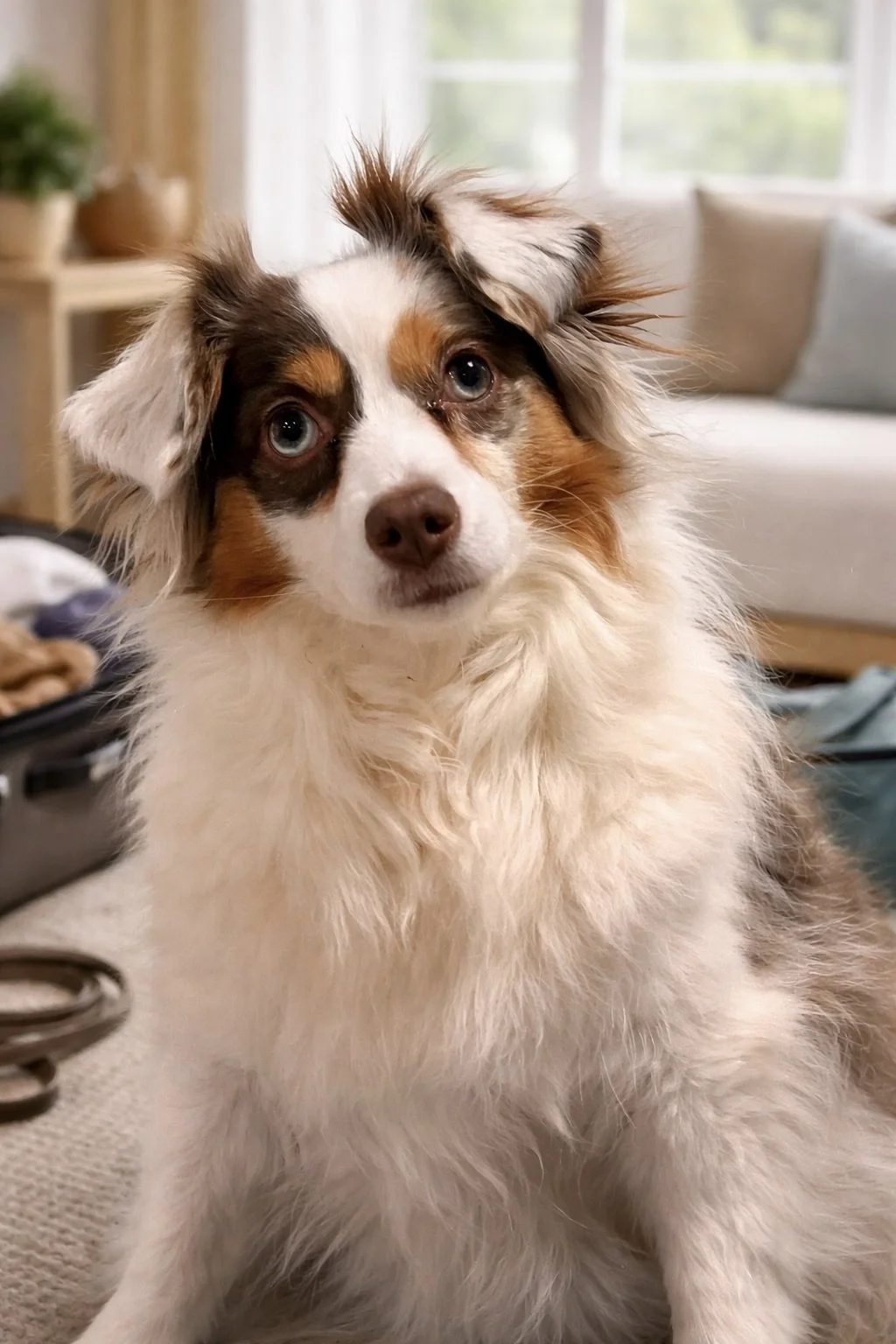
Not every dog benefits from wearing one. Many breeds—especially those with thick or moderate double coats—are already well equipped to regulate their own body temperature. Dogs like Huskies, Malamutes, Bernese Mountain Dogs, and many Aussies are built for colder conditions and often do just fine without extra layers.
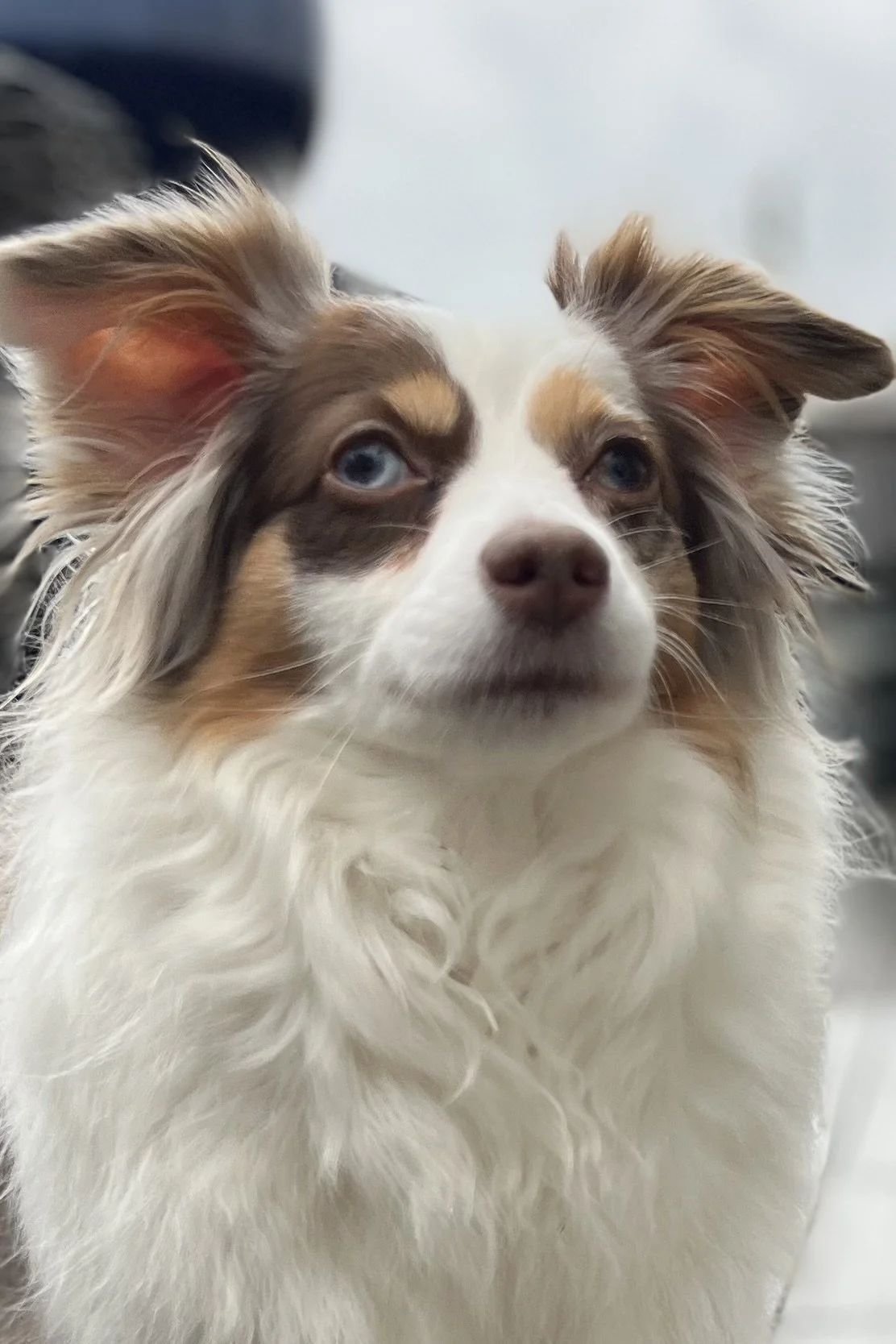
Not every dog needs a jacket. Breeds with double coats often regulate warmth just fine on their own.
That said, there are exceptions. Puppies, senior dogs, and dogs with certain health conditions may need extra warmth—even if their breed typically tolerates cold well. Weather also plays a role: prolonged exposure, strong wind, heavy rain, or wet snow can change the equation for almost any dog. Sometimes, it’s less about the forecast and more about how the walk actually feels. The key isn’t guessing based on breed alone—it’s understanding your dog, your climate, and how much time you’re actually spending outside.
A little winter magic — a light dusting, her cozy wool coat, and we’re on our way.
When a Coat Can Do More Harm Than Good
This is something many well-meaning dog owners don’t realize: a jacket doesn’t just affect warmth — it can also influence comfort, movement, and coat health.
For dogs who are already well insulated, unnecessary layers can interfere with natural temperature regulation. Over time, this may lead to:
Overheating, even on brisk walks
Trapped moisture that flattens the undercoat and reduces its natural insulating ability
Beyond insulation alone, poorly timed or ill-fitting jackets can create issues for dogs of any breed, including:
Skin irritation or matting if the coat rubs, shifts, or fits improperly
Stress or restricted movement, especially for dogs unused to wearing clothing
In other words, the wrong jacket — or one worn at the wrong time — can make a dog less comfortable, not more. Once you know whether a coat is actually helpful, the focus shifts to choosing one that works with your dog, not against them.
Soft fleece and generous coverage — a roomier fit can help dogs new to outdoor wear feel more at ease.
Fit, Comfort & Movement
If your dog does need a jacket, fit becomes just as important as warmth. A coat that’s too tight, stiff, or poorly designed can make even a perfectly warm dog feel awkward or stressed—and may interfere with natural movement during a walk.
A good jacket should allow your dog to walk, sit, and explore comfortably, without pulling at the shoulders, riding up along the back, or restricting their stride.
The body almost fits—but the neckline doesn’t. A reminder that not every jacket works for every breed, even in the right size.
When trying on a jacket, watch how your dog walks, runs, and sits. Their shoulders and legs should move freely, without pulling, rubbing, or resistance. If a jacket shifts, rides up, or seems to restrict movement, it’s likely not the right fit—even if it looks warm or well made.
Bundled up and soaking in a winter pause
How to Choose the Right Dog Coat Size (Without the Drama)
Dog Coat Sizes Vary by Brand
Dog coat sizing can be tricky because every brand defines small, medium, and large differently. A “small” in one jacket may fit like a medium—or not fit at all—in another. This matters when deciding whether a coat will truly keep your dog comfortable or create new fit-related issues.
Measuring Matters—But Comfort Comes First
Accurate measurements are important, but the process itself shouldn’t stress your dog. Holding a tape measure or ruler against the chest, girth, and back length can feel intrusive for many dogs, especially those sensitive to handling.
A simpler, more dog-friendly option is to use a piece of string or ribbon. Gently rest it along your dog’s back length and around the chest, then measure the string afterward. This approach is less intrusive, less stressful, and often more accurate.
This coat combines lightweight insulation with a soft, cozy lining, keeping the core warm while allowing natural movement on brisk outings.
When Fit Helps—and When It Hinders
A well-fitted coat can provide warmth and protection in cold or damp conditions. A poorly fitted one can do the opposite—restricting movement, rubbing against the coat, or trapping moisture close to the body.
This is where construction matters. Adjustable closures, flexible materials, and thoughtful design allow a coat to adapt to different body shapes, especially for dogs with broader chests or those uncomfortable in restrictive gear.
A properly fitted jacket provides warmth for small dogs while allowing natural movement on walks.
The Bottom Line
A dog coat helps only when it fits properly and allows natural movement. If your dog can walk, run, and explore comfortably, the coat is doing its job. If not, it may be hindering more than helping.
Designed for real life: Velcro in the front and belly, then a simple zip down the back to take it off.
Ease of Dressing & Temperament
Some dogs love jackets; others… not so much. And this matters more than many people realize. A jacket only works if your dog can tolerate putting it on—and wearing it.
How your dog feels about being handled, lifted, or guided into gear plays a big role in which styles will work best for them.
For older dogs—particularly larger breeds—a well-fitting jacket should provide warmth while staying easy to put on and comfortable to wear.
Finding What’s Easiest for Your Dog
Step-in jackets sound simple in theory: your dog steps in, you fasten the closures, and you’re on your way.
In practice, many dogs don’t instinctively understand that motion. One of my daily walking companions is always eager to participate, but the routine often turns into something far more charming than streamlined. She flops onto her back, paws in the air, fully convinced she’s being helpful, while I navigate a tangle of straps and fabric around her enthusiasm.
Best suited for dogs who don’t mind stepping in and pausing briefly for a zip-up.
Over time, I’ve learned that small adjustments can make a big difference. Recently, having her sit on my lap during the process has helped everything feel calmer and more manageable—a reminder that ease often comes from adapting the routine, not the dog.
Dogs don’t naturally grasp the idea of “stepping in,” and being guided into unfamiliar positions can feel confusing—or at least comically tricky—for some.
That doesn’t mean step-in jackets are wrong. It simply means they aren’t the easiest option for every dog.
A Velcro-wrap dog coat that fastens easily without pulling over the head, offering a more comfortable fit for sensitive dogs.
Then there’s Archie, my young, spirited pup who’s resistant to handling. He simply won’t tolerate anything going over his head or having his legs guided into position. For him, a **double Velcro jacket—with one closure under the chest and another under the belly—**has been the best solution. It’s quick to put on, doesn’t force him into uncomfortable positions, and keeps him happy and cozy on walks.
If your dog dislikes over-the-head styles, look for jackets that fasten in the front and under the belly. Some newer designs make things even easier—one jacket I recently came across goes on effortlessly and comes off just as smoothly, with a zipper along the back so the dog can simply walk away once it’s released.
A dog jacket with Velcro closures for easy on and a back zipper for easy off.
The goal: comfort, confidence, and freedom of movement. A good jacket keeps your dog cozy, happy, and ready for any walk—never stressed or restricted. Once fit and comfort are sorted, style and materials can finally come into play.
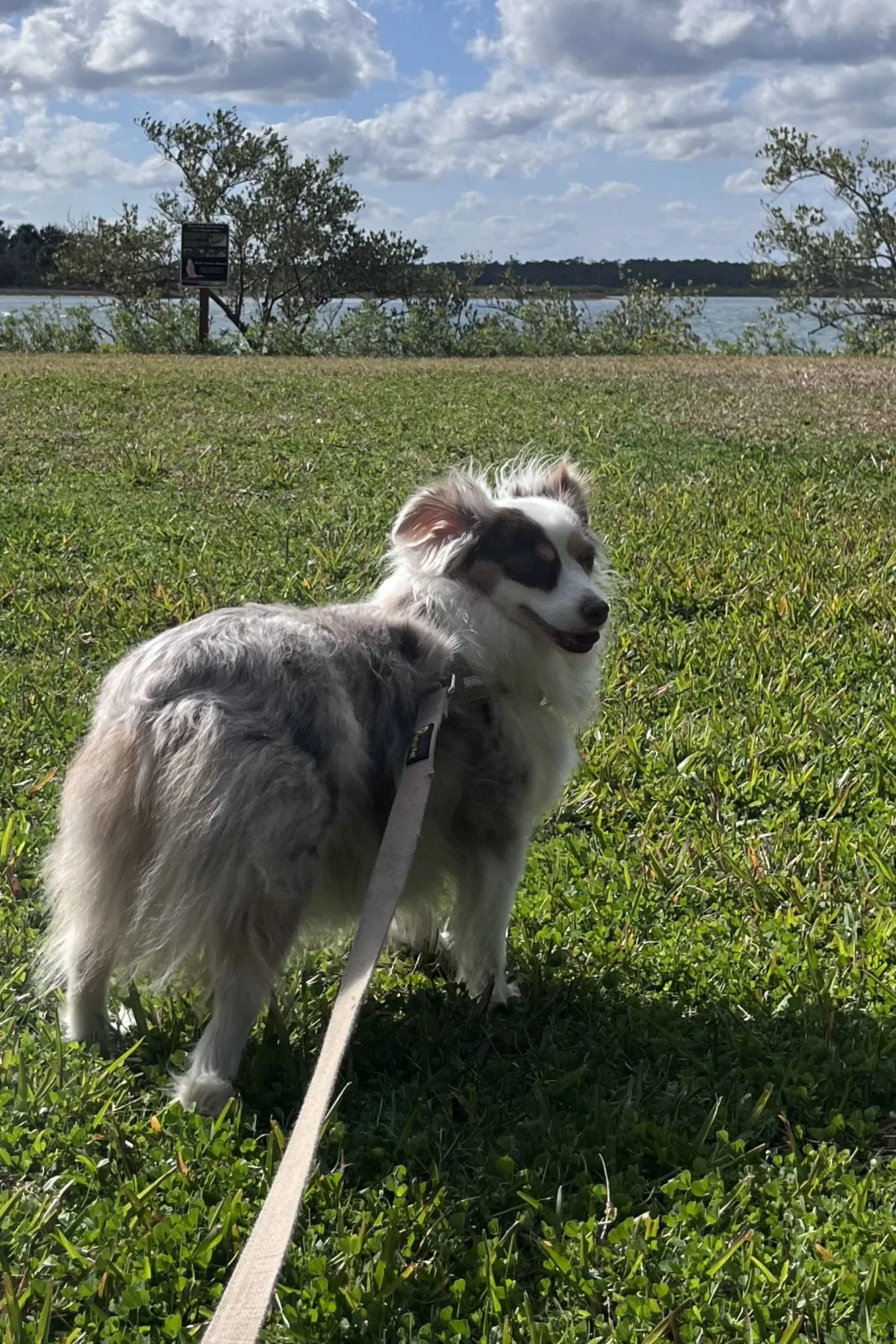
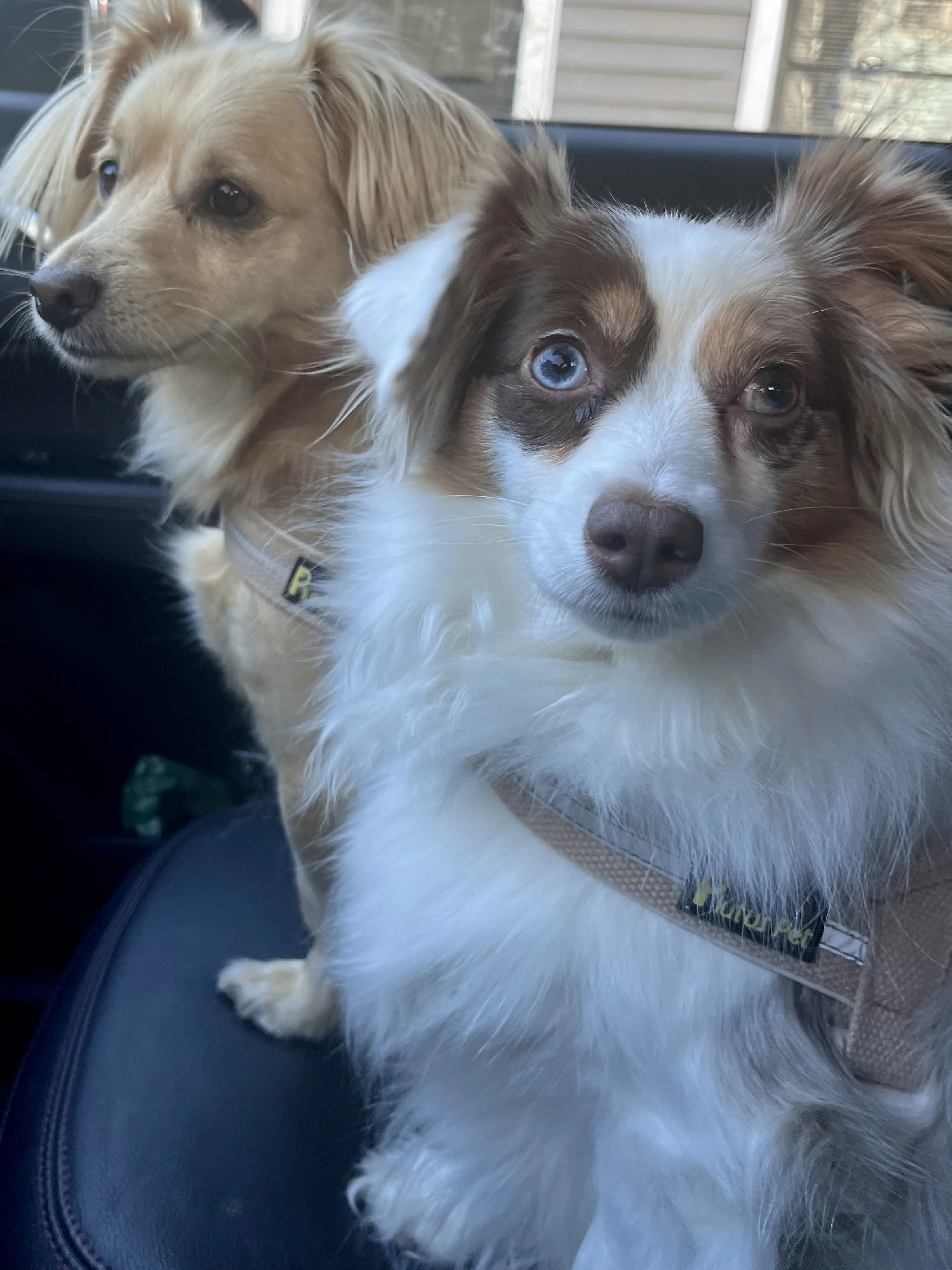
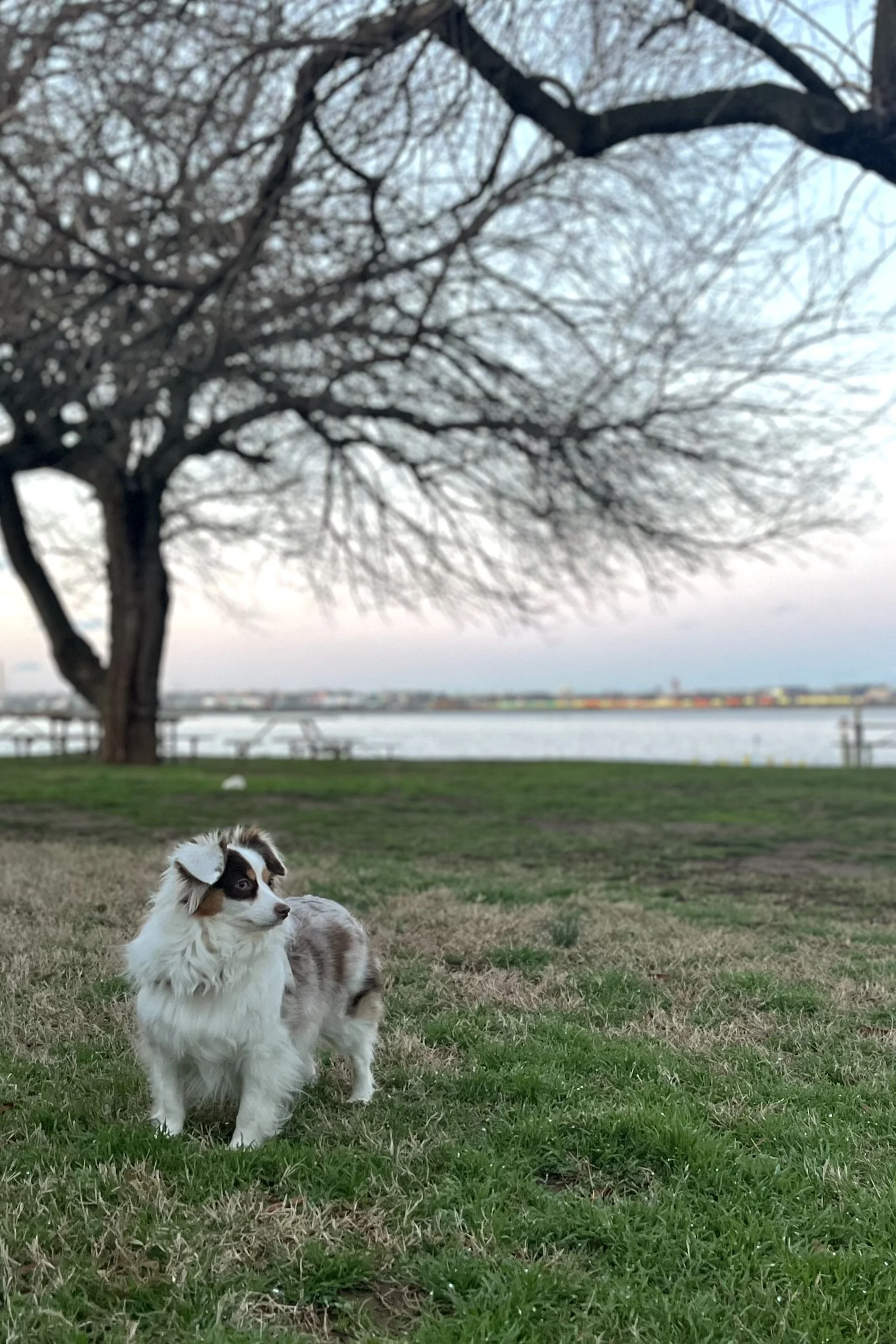
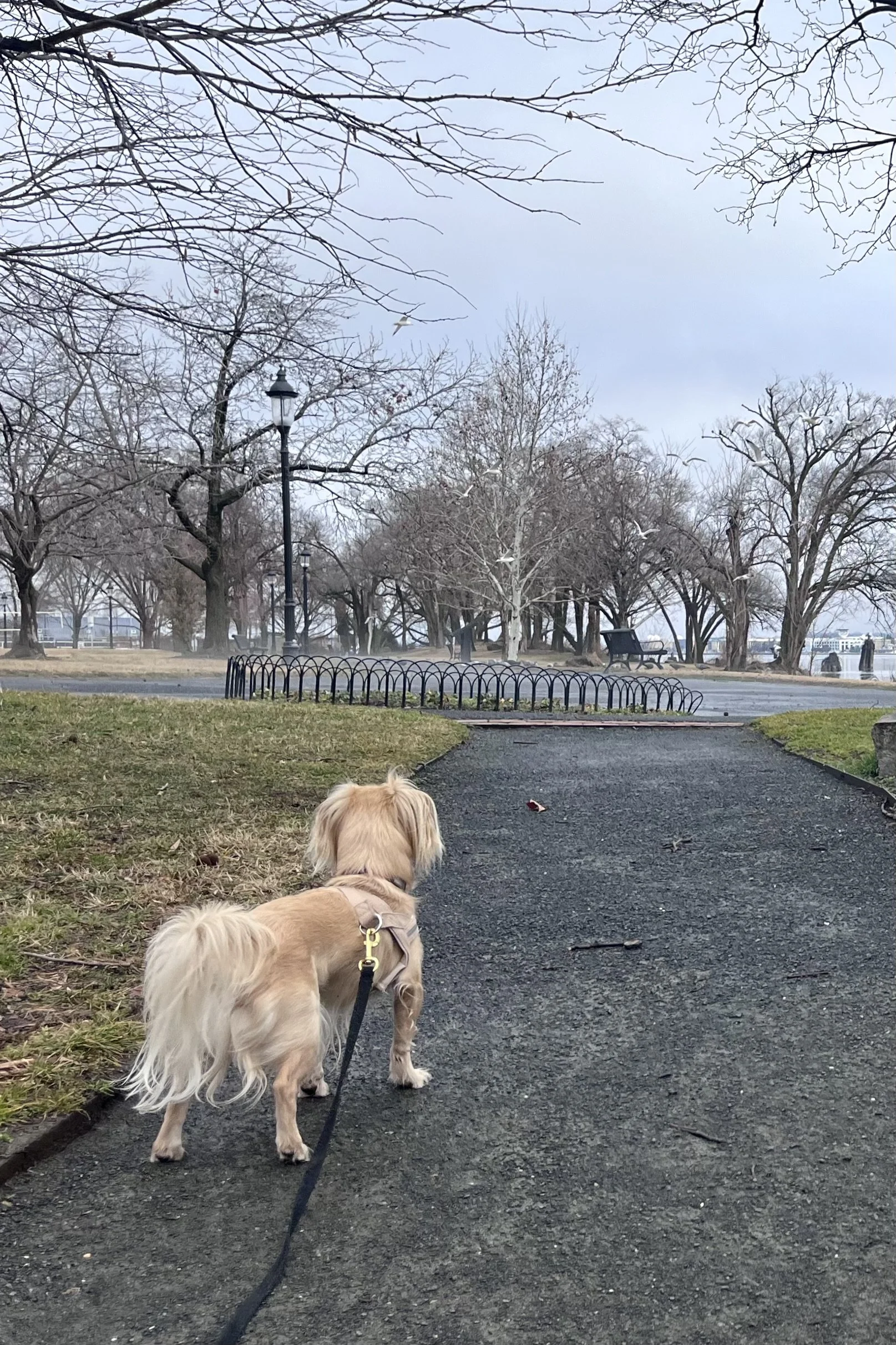
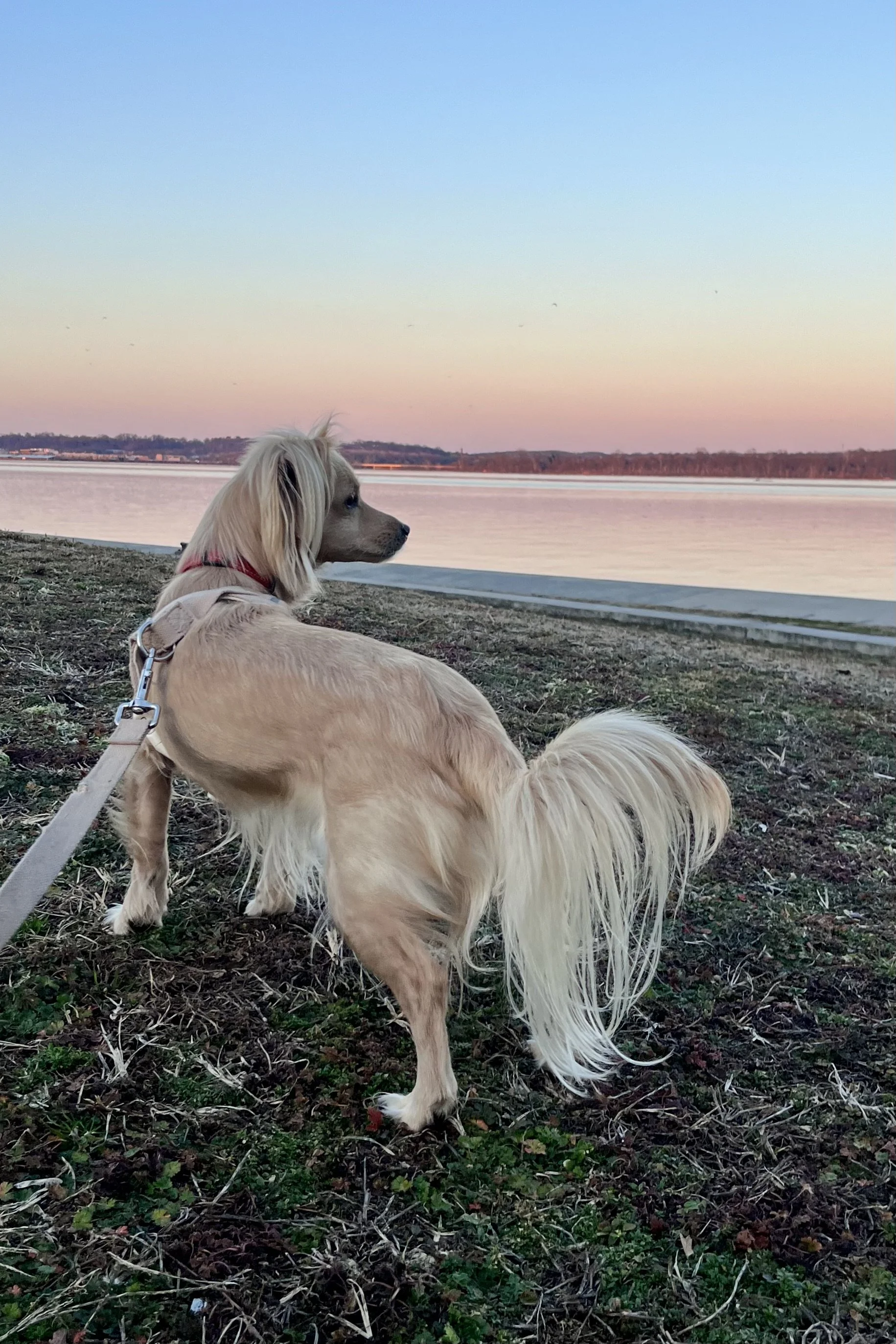
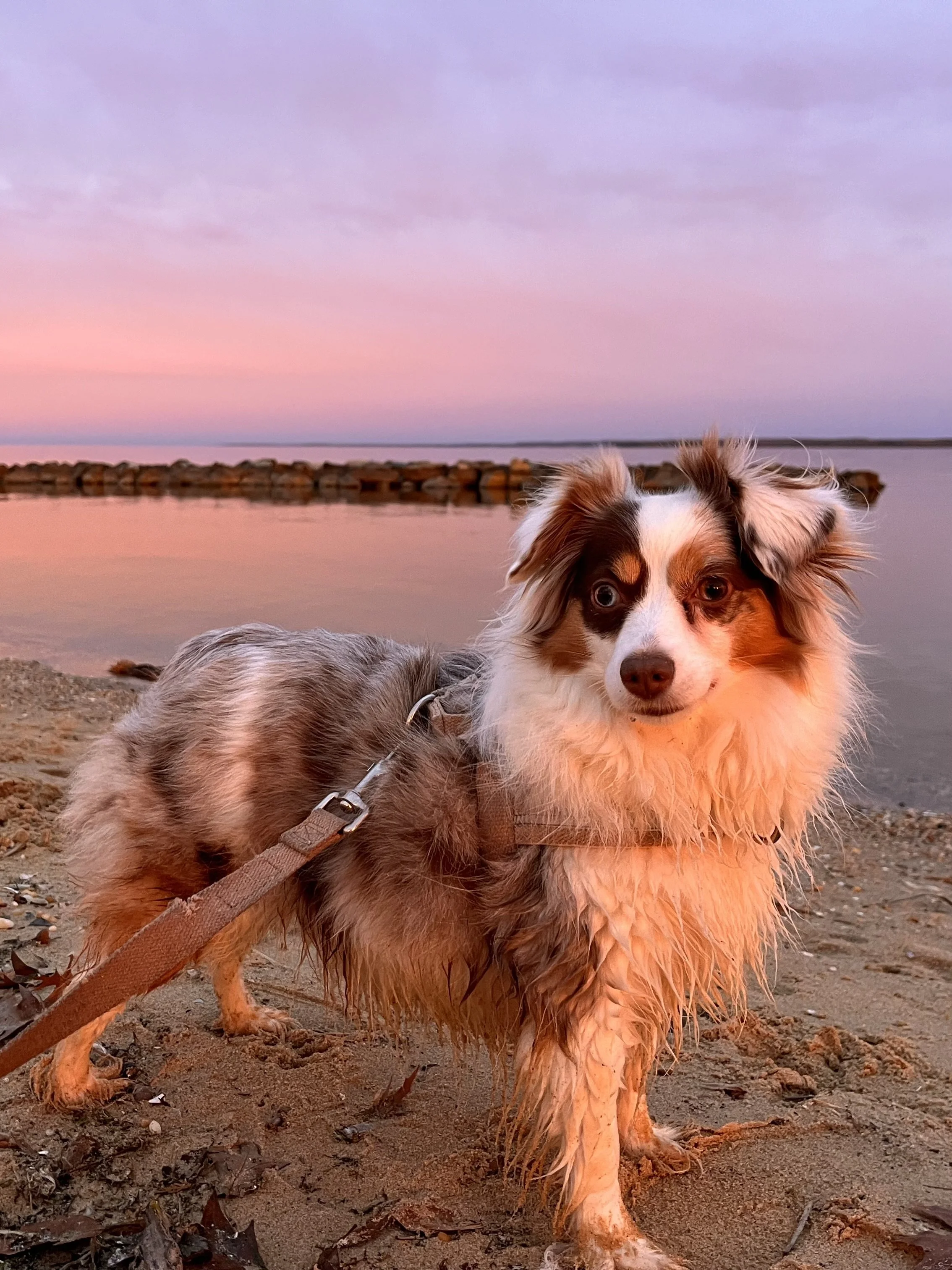
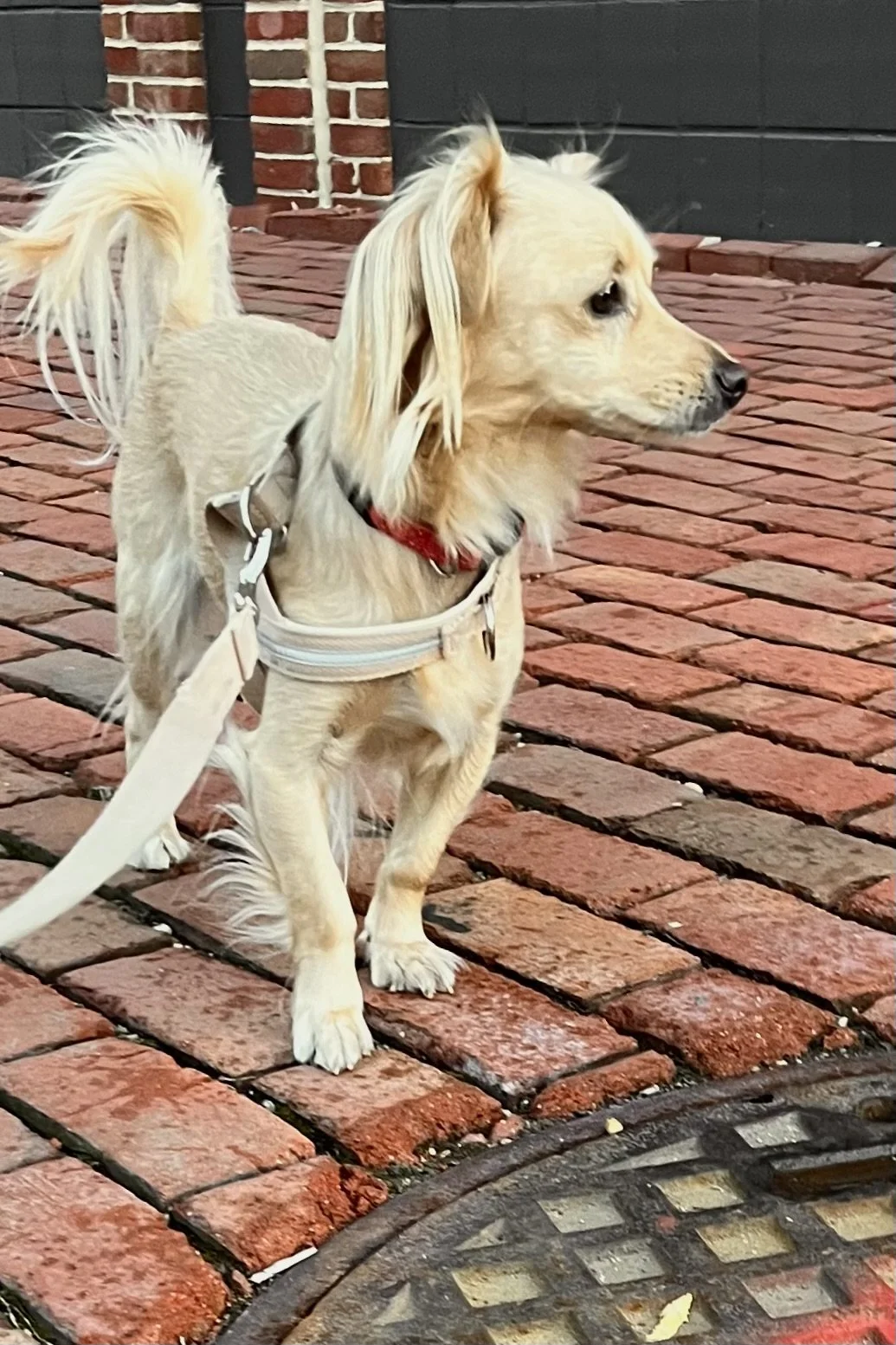
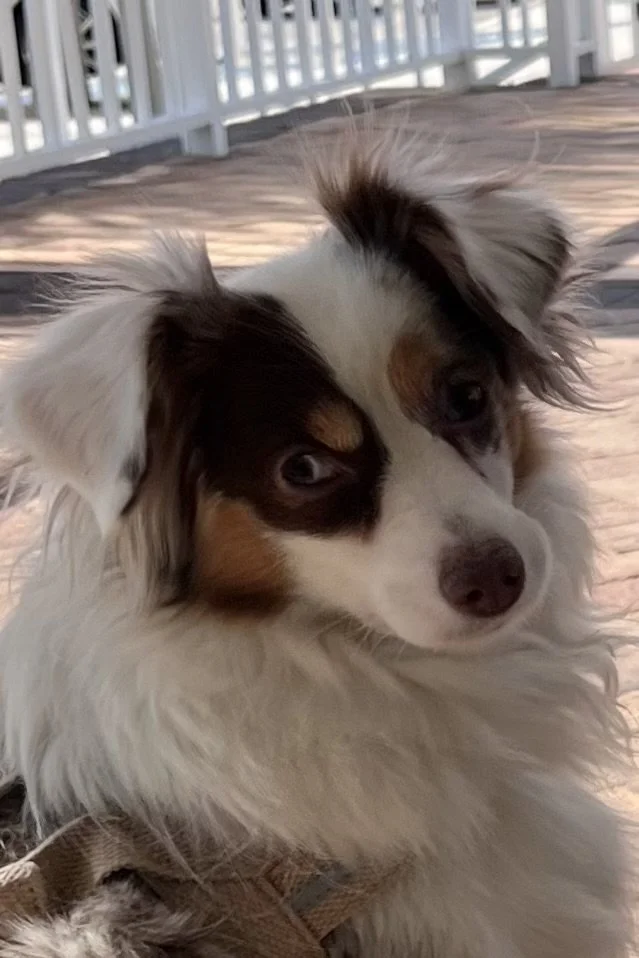
Same walk, different needs — Saydie is comfortable without a coat, while Archie does better with a little extra warmth
Types of Dog Jackets & Coats
Once you know your dog actually needs a jacket, it helps to understand the main types and what they’re designed to do. Different styles serve different purposes—and not every option works for every dog.
A lightweight puffer can provide cozy warmth while still allowing natural movement on chilly walks.
Insulated & Moderate-Warmth Jackets
Best for cold, dry weather when warmth is the priority.
Puffer jackets: Lightweight, cozy, and often water-resistant. A good option for chilly walks when you want warmth without excessive bulk.
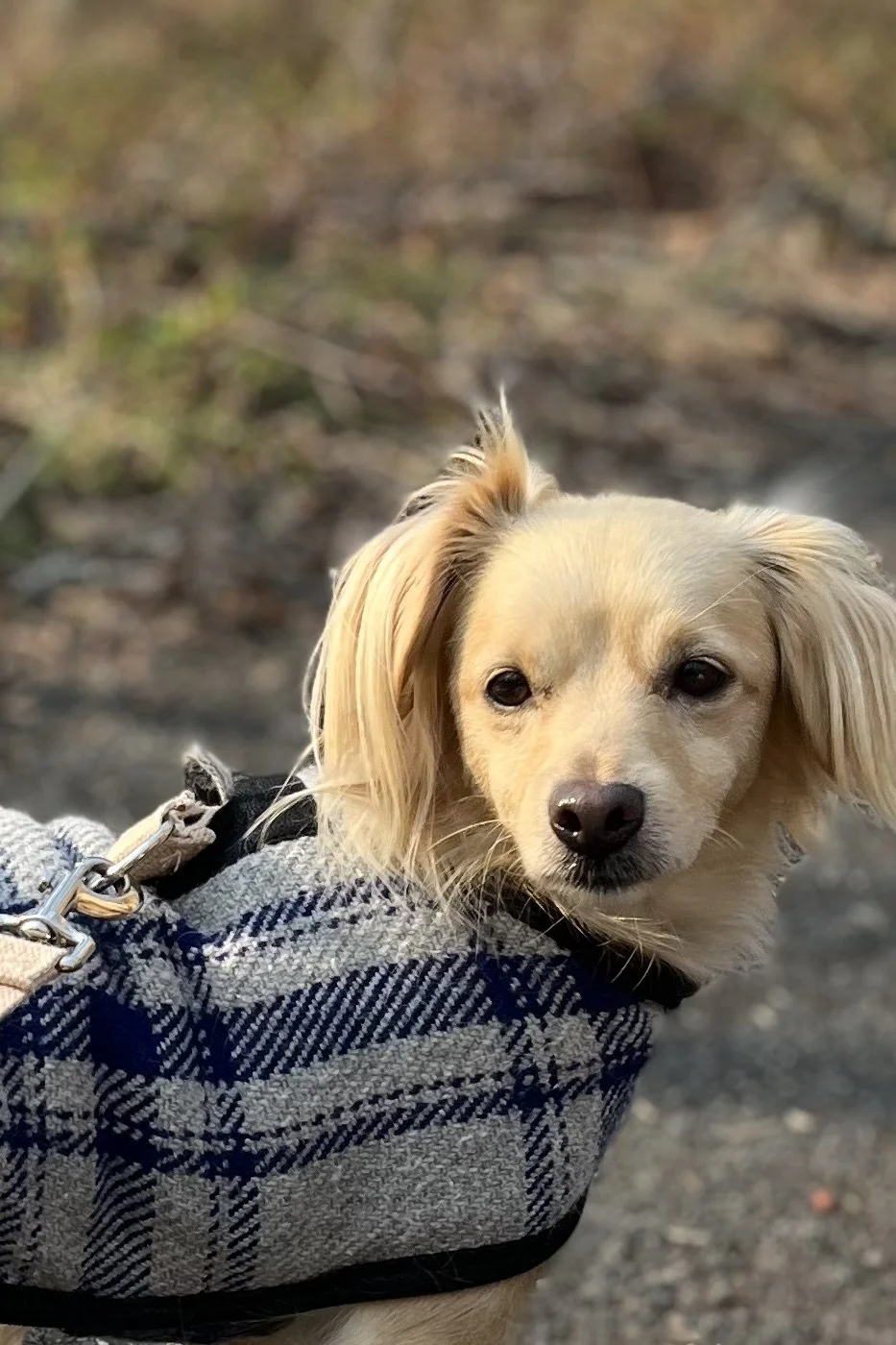
Wool, flannel, fleece, and synthetic blends: Provide moderate warmth with flexibility. These materials are common in everyday jackets that balance comfort and ease—like Archie’s plaid wool flannel.
Performance fabrics: Designed for function, these jackets may include windproof or moisture-wicking materials, along with reflective details for added warmth and visibility.
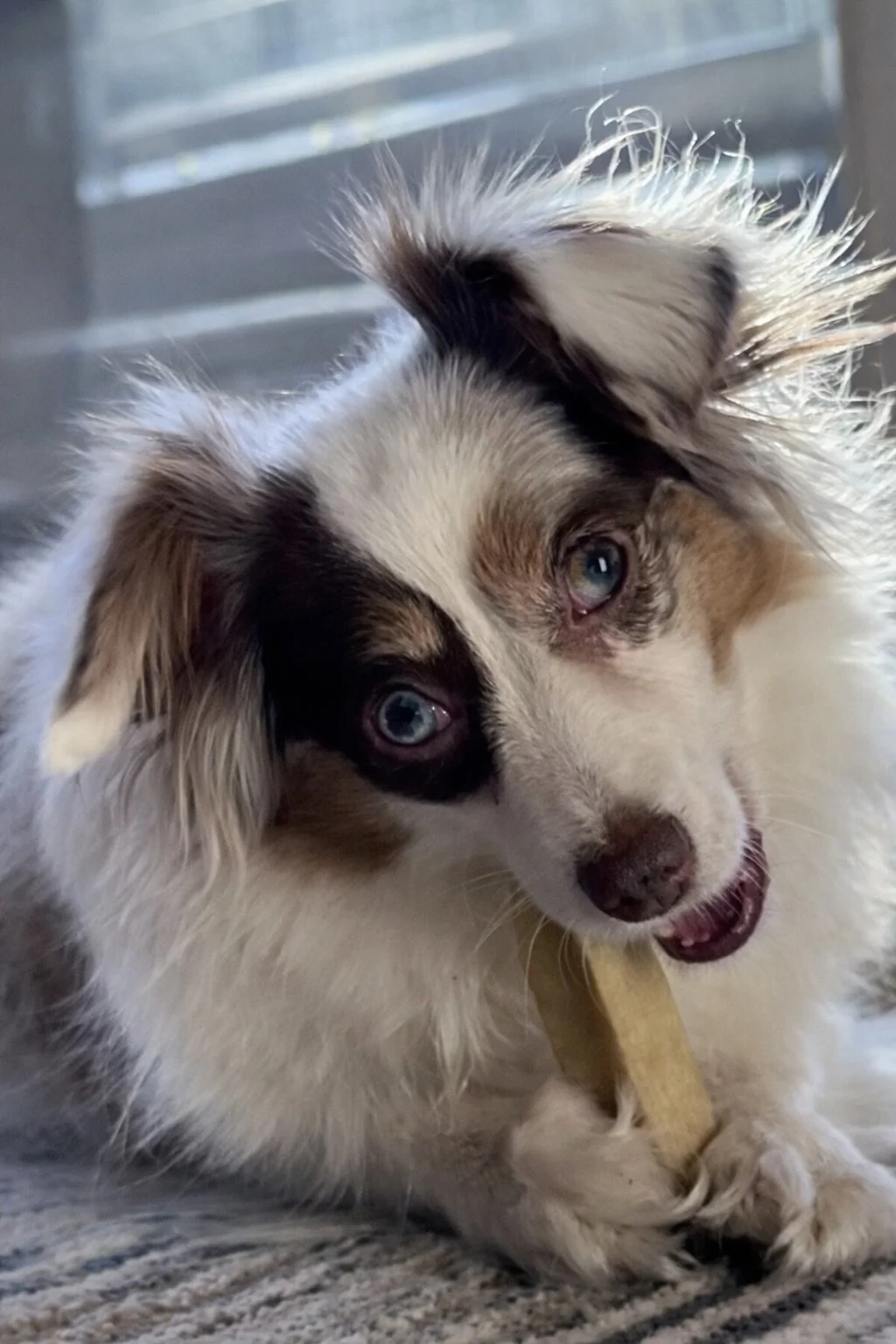
A growing Aussie in a small sweater (her second coat is still coming in!) and her bigger buddy in a trusty gray flannel coat.
Sweaters & Fleece Jackets
Best for light warmth on cool days, or as a layering piece under another coat.
Soft, flexible layers that provide gentle warmth without bulk, sweaters and fleece jackets are a comfortable option for many dogs.
Sweaters work best for dogs who tolerate garments going over the head. For dogs who resist that process, easy-on alternatives—such as wrap or front-fastening styles—are often a better choice.
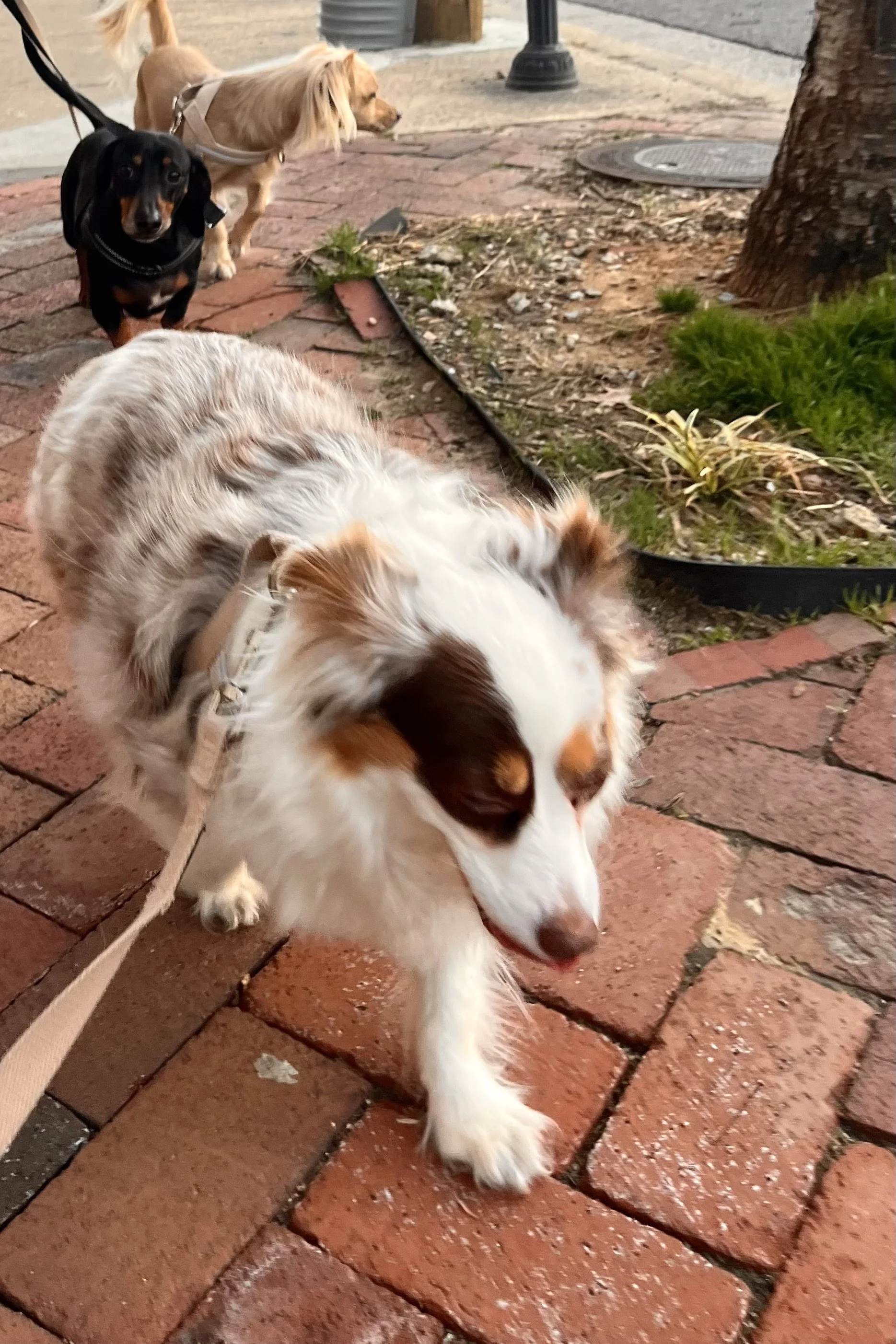
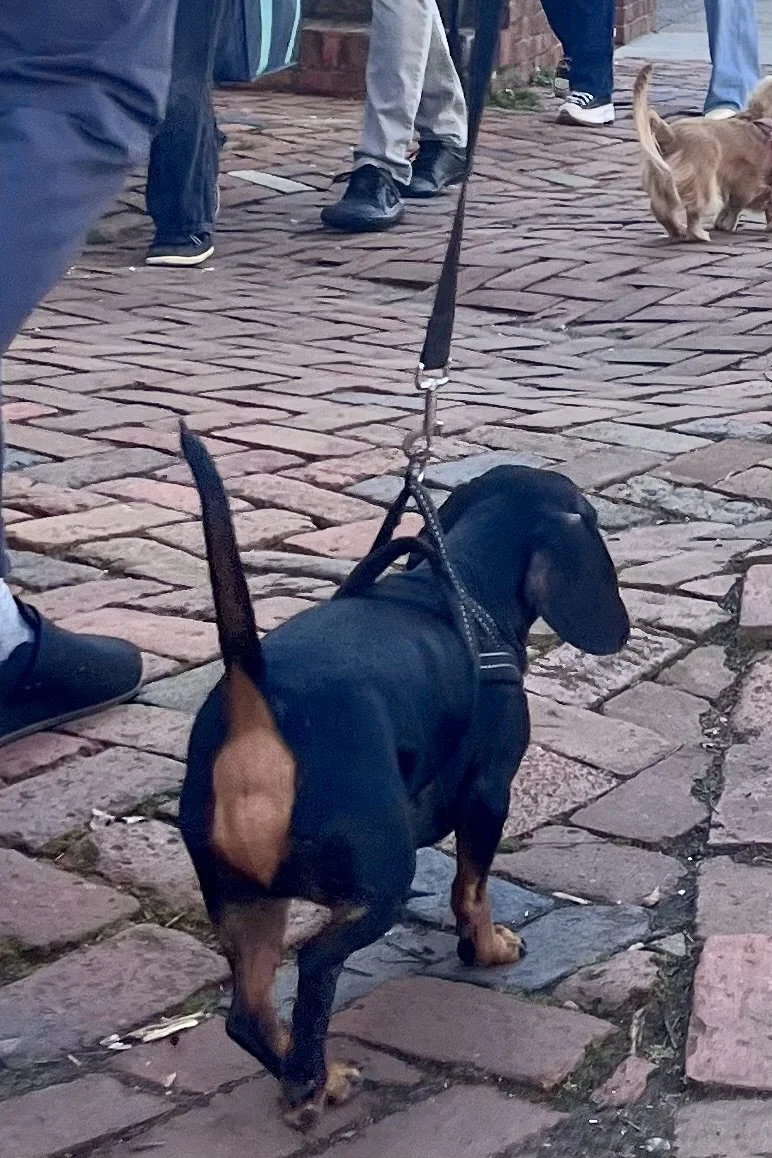
The same neck style that didn’t suit Saydie works beautifully for a Dachshund’s shape
Rain Jackets & Waterproof Shells
Best for wet, windy, or snowy conditions when staying dry matters more than added warmth.
Designed to repel moisture, these jackets help keep your dog dry and prevent the undercoat from becoming saturated and losing its insulating ability. Lightweight shells are especially useful in unpredictable weather, offering protection without unnecessary bulk.
A lightweight rain shell for dogs who don’t need insulation, just protection from drizzle and damp weather.
Full-Length Step-In Coats
Best for extreme cold or deep snow when maximum coverage is needed.
These extended coats provide insulation down the legs, often reaching the ankles for added protection in harsh conditions. While effective, step-in designs can be challenging for dogs who dislike having their legs guided into clothing or who become stressed during dressing.
Harness Considerations
If your dog wears a harness, look for jackets with a built-in leash opening so you can clip in without removing layers.
Some owners place a harness over a sweater or jacket, which can work as long as nothing rubs, shifts, or restricts movement. That said, jackets designed with harness access are usually the most comfortable and convenient option—especially for longer walks.
Indoor Jackets & Anxiety-Relief Gear
Not all jackets are about warmth. Pressure vests or calming wraps—such as ThunderShirt—apply gentle, consistent pressure around the torso, similar to a comforting hug.
For some dogs, this can:
Reduce anxiety during storms, fireworks, travel, or separation
Provide a sense of calm and security
Offer a drug-free, low-risk support option
Dogs like Archie often feel more relaxed and confident wearing this type of gear, especially when it’s introduced gradually and used proactively.
A gentle, wearable ‘hug’ — the ThunderShirt uses light pressure to help some dogs feel calmer and more secure.
Final Thought
There’s no one-size-fits-all answer when it comes to dog jackets. The best choice depends on whether your dog needs one at all, how it fits their body, and how they feel wearing it. When those pieces line up, a jacket becomes what it should be—simple, comfortable support that makes every walk easier and more enjoyable.
Quick Takeaway
✔ Not every dog needs a jacket
✔ The wrong jacket can cause stress or discomfort
✔ Fit and ease of dressing matter as much as warmth
✔ The best jacket is the one your dog can move in—and tolerate wearing